 Preview
 Send
Send Share
Share
 Details

 Download
 Similars
 X-Ray
X-Ray Diaporama
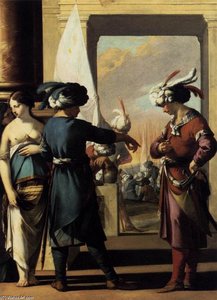
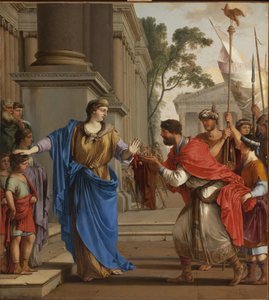
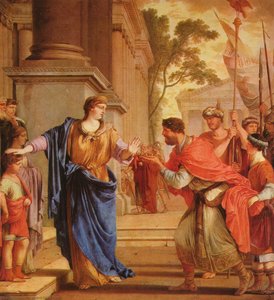
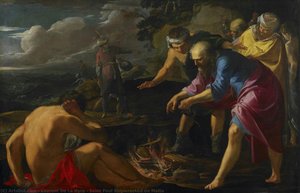
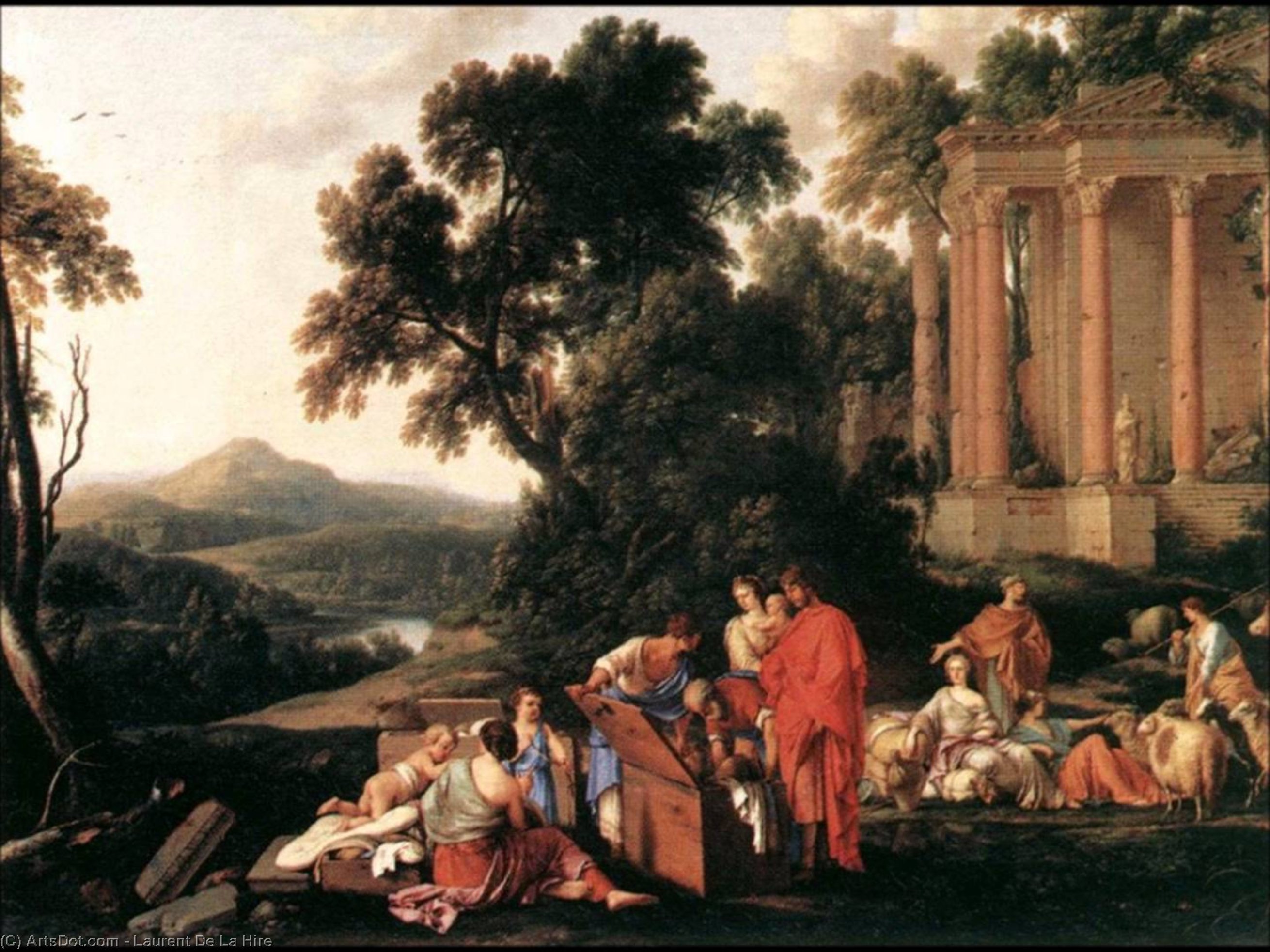
Laban Searching Jacob's Bagagge for the Stolen Idols
 Acrylic On Canvas
- WallArt
- Baroque
 1647
1647 95.0 x 133.0 cm
 The Louvre
 Read More
Hand Made Oil Reproduction
Hand-painted oil on canvas in your size and frame, made to order by our artists. ( Buy Print Buy Image)




P118B $10

P118H $10

P118W $10

P438Z $10

P508JH $12

P508YH $12

P805H $10

P805Z $10

P919BZ $10

P919G $10

P919XJ $10

P959ZH $10

P968JZ $12

W106C $8

W218G $10

W218JH $8

W218Y $10

W307PJ $10

W316G $10

W316PJ $8

W316Y $10

W398PJ $8

W4111J $10

W500HY $15

W500JH $15

W692G $12

W849H $8

W940BG $15

W953PJ $8




Pick from our preset sizes that match the artwork's original proportions.

You may enter your own dimensions to fit a specific frame or space. If your selected size does not match the original image's proportions, we will either crop the artwork or extend the painting with additional hand-painted elements. A digital mockup will be sent for your approval before production begins.
Please note that the on-screen preview does not reflect the actual cropping or extension. Only the mockup will accurately show the final composition.
While custom sizes are available, we recommend selecting a dimension from the predefined list to preserve the original proportions.
After order, ArtsDot.com team will email client for instructions and provide a mockup preview
Worldwide Delivery () in 3/4 weeks instead of standard 5 weeks. (16 August). No compromise on quality.

Free Worldwide Express Shipping

High-Quality Linen Canvas

Full Shipping Insurance

Customs Tax Refund Guarantee

True Color Matching Guarantee

60-Day Return Policy (Defects Only)

100% Money-Back Guarantee

Bulk Discount Offer
 Glass option is only available in size under 110 CM

Laban Searching Jacob's Bagagge for the Stolen Idols
Reproduction Medium
Reproduction Size
-


Total Price
$ 263
Artwork Description
The Weight of Suspicion: Laurent de la Hyre’s Dramatic Depiction
Laurent de la Hyre’s “Laban Searching Jacob’s Bagagge for the Stolen Idols” (1647) isn't merely a biblical scene rendered in oil on canvas; it’s a meticulously constructed tableau of suspicion, anxiety, and the precarious nature of trust. The painting captures a pivotal moment from Genesis – Laban’s frantic search through Jacob’s belongings after discovering Rachel’s theft of his sacred figurines. Yet, de la Hyre elevates this familiar narrative into a profoundly unsettling exploration of human interaction, rendered with an almost palpable sense of unease.
The composition immediately draws the eye to Laban, positioned centrally and dominating the right side of the canvas. His posture is one of intense concentration, his face etched with suspicion as he rummages through the scattered possessions. The light, a cool, diffused glow, emphasizes the shadows clinging to his form, suggesting not just physical labor but also the darkness of doubt and accusation. Jacob, on the left, appears almost resigned, a quiet figure amidst the chaos, embodying a weary acceptance of circumstance. The sheer number of sheep – a symbol of wealth and prosperity in this context – only amplifies the tension; they are witnesses to the unfolding drama, silent participants in a story of deception and retribution.
A Masterclass in Baroque Detail: Technique and Composition
De la Hyre’s skill lies not just in his narrative depiction but also in his masterful execution. The painting is executed with the hallmarks of the French Baroque style, particularly evident in the dramatic use of chiaroscuro – the stark contrast between light and shadow. This technique isn't simply for aesthetic effect; it serves to heighten the emotional impact, creating a sense of claustrophobia and emphasizing the key figures within the scene. The artist’s attention to detail is remarkable: from the folds of Jacob’s clothing to the texture of the sheep’s wool, every element contributes to the overall realism and immediacy of the image.
The composition itself is carefully orchestrated. The diagonal lines created by Laban's movement and the arrangement of objects lead the viewer’s eye through the scene, mirroring the relentless pursuit of truth. The use of perspective subtly guides our gaze, reinforcing the sense of depth and immersing us in this moment of high drama. Notice how de la Hyre uses color to further enhance the mood – muted browns and grays dominate the palette, punctuated by the brighter hues of Jacob’s garments, creating a visual hierarchy that directs our attention.
Historical Context: Faith, Deception, and Royal Patronage
“Laban Searching Jacob’s Bagagge for the Stolen Idols” was created during a period of significant religious and political upheaval in France. The painting reflects the anxieties surrounding faith, loyalty, and the shifting power dynamics within the court. De la Hyre, a prominent artist working under the patronage of Louis XIV, skillfully navigated the complex demands of royal commissions while maintaining his own artistic vision. His work often explored themes of morality, justice, and the consequences of human actions – subjects that resonated deeply with the concerns of the era.
The biblical story itself holds profound significance within this context. It’s a tale of deception, betrayal, and ultimately, reconciliation. Laban's theft represents a violation of trust, while Jacob’s quiet acceptance speaks to the enduring burden of past wrongs. The painting serves as a visual meditation on these themes, prompting viewers to consider the complexities of human relationships and the lasting impact of our choices.
Symbolism and Emotional Resonance: A Portrait of Human Vulnerability
Beyond its narrative content, “Laban Searching Jacob’s Bagagge for the Stolen Idols” is rich in symbolism. The stolen figurines represent not just material possessions but also the loss of faith and the erosion of trust – fundamental values within the biblical story. The sheep symbolize prosperity and wealth, yet their presence here underscores the precariousness of these blessings when built on a foundation of deceit. Most powerfully, the painting captures a moment of profound vulnerability—both for Jacob, who is caught in a web of deception, and for Laban, consumed by suspicion and regret.
The overall emotional impact is one of quiet tension and lingering unease. De la Hyre doesn’t offer easy answers or comforting resolutions; instead, he presents us with a complex and ambiguous scene that invites contemplation and reflection. It's a testament to the artist's ability to transform a familiar biblical narrative into a timeless exploration of human nature.
Related Artworks
Artist Biography
Rembrandt: A Master of Light and Shadow
Rembrandt Harmenszoon van Rijn, born on July 15, 1606, in Leiden, Netherlands, remains one of the most profoundly influential figures in Western art. His legacy extends far beyond his stunningly realistic portraits and dramatic biblical scenes; he fundamentally reshaped how artists approached light, emotion, and the very essence of human experience. Rembrandt’s life was a complex tapestry woven with threads of artistic brilliance, financial struggles, personal loss, and an unwavering dedication to his craft. He died on October 4, 1669, in Amsterdam, leaving behind a vast and deeply moving body of work that continues to captivate audiences centuries later. ### Early Life and Artistic Foundations Rembrandt’s early life was marked by the practical realities of being the son of a miller. While his father provided for his education with a basic Latin schooling, Rembrandt's true passion lay in art. He initially apprenticed under Jacob van Swanenburgh, a local painter, gaining foundational skills in oil painting and drawing. However, it was his brief time studying at the University of Leiden that proved pivotal – not through academic pursuits, but as a catalyst for his artistic independence. Disillusioned with the rigid structure of university life, he quickly abandoned his studies to pursue his own path, seeking experience by working under Pieter Lastman in Amsterdam. This early exposure to a more established and technically demanding style laid the groundwork for Rembrandt’s later development, though he would ultimately forge his own distinctive voice. Crucially, unlike many artists of his time who traveled to Italy to study classical art, Rembrandt believed that the richness and variety of Dutch life offered ample inspiration. ### The Rise of a Master: Amsterdam and Early Success Around 1631, Rembrandt moved to Amsterdam, a vibrant hub of commerce and artistic innovation. This shift proved transformative for his career. Amsterdam’s burgeoning merchant class provided a wealthy clientele eager to commission portraits and historical scenes – a far more lucrative environment than the small, provincial market he had known in Leiden. He quickly established himself as a sought-after artist, securing commissions from prominent families like the van Ruytenburch and the de Ploeg. His early works, often characterized by their meticulous detail and realistic depictions of everyday life, began to attract considerable attention. However, Rembrandt’s ambition extended beyond mere portraiture; he was drawn to dramatic narratives and complex psychological portraits, foreshadowing his later masterpieces. ### The Development of Style: Light, Emotion, and the Self-Portrait Rembrandt's artistic style underwent a remarkable evolution throughout his career. Initially influenced by Lastman’s technical precision, he gradually developed a unique approach characterized by an intense use of light and shadow – *chiaroscuro* – to create dramatic effects and evoke powerful emotions. He wasn’t simply illuminating a scene; he was exploring the inner lives of his subjects, capturing their moods and vulnerabilities with unparalleled sensitivity. This shift is particularly evident in works like "The Night Watch" (1642), where the interplay of light and darkness creates a dynamic and almost theatrical atmosphere. Furthermore, Rembrandt's prolific self-portraits offer an extraordinary window into his evolving personality and artistic process. These paintings reveal not only his physical appearance but also his thoughts, emotions, and even his struggles with aging and mortality. ### Late Works and Lasting Legacy As he aged, Rembrandt’s style became increasingly expressive and introspective. His later works are often characterized by a looser brushwork, a greater emphasis on emotional intensity, and a willingness to experiment with unconventional compositions. Despite facing financial difficulties in his final years – exacerbated by his compulsive buying habits – Rembrandt continued to produce some of his most profound and moving paintings, including "The Return of the Prodigal Son" (1669) and “Simon’s Mother.” These works are imbued with a deep sense of compassion and spiritual insight. Rembrandt's influence on subsequent generations of artists is immeasurable. He revolutionized painting by demonstrating the power of light to shape perception, by exploring the complexities of human emotion, and by forging a deeply personal and expressive style that remains unmatched in its intensity and beauty. His work continues to be studied, admired, and celebrated worldwide as a testament to the enduring power of art to illuminate the human condition.Key Works
- The Night Watch (1642) – A monumental group portrait showcasing Rembrandt’s mastery of composition and dramatic lighting.
- The Return of the Prodigal Son (1669) – A deeply moving depiction of forgiveness and redemption, demonstrating Rembrandt's profound understanding of human emotion.
- Self-Portraits (Numerous examples throughout his career) - Offer unparalleled insight into the artist’s life and artistic development.
- The Storm on the Sea of Galilee (1633) – A dramatic depiction of a biblical story, showcasing Rembrandt's innovative use of light and shadow to create a sense of movement and chaos.
- Belshazzar’s Feast (1635) - A lavishly detailed scene from the Book of Daniel, demonstrating Rembrandt’s skill in rendering opulent settings and capturing dramatic moments.
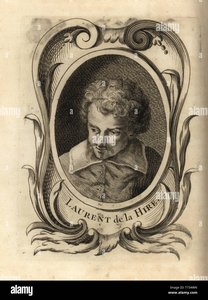
laurent de la hyre
1606 - 1656 , France
Quick Facts
- Artistic Movement Or Style: Baroque
- Artists Or Movements Influenced By This Artist:
- Rubens
- Dutch Baroque
- Artists Who Influenced This Artist: ['Caravaggio']
- Date Of Birth: July 15, 1606
- Date Of Death: October 4, 1669
- Full Name: Rembrandt Harmenszoon van Rijn
- Nationality: Dutch
- Notable Artworks:
- The Night Watch
- Belshazzar's Feast
- Self-Portrait with Saskia
- Place Of Birth: Leiden, Netherlands
Related Articles
La Biennale's Masterpieces: 25 Artworks to Inspire Your Home | ArtsDot
Explore 25 iconic artworks from La Biennale di Venezia! Discover the stories behind masterpieces of Italian art, modernism & Renaissance paintings. Find museum-quality reproductions and elevate your home decor with ArtsDot.com. Explore the full collection online.
Roger de la Fresnaye: Cubism, Tradition & the Search for Order in Early 20th-Century French Painting
Explore the captivating world of Roger de la Fresnaye, a pivotal French Cubist painter. Discover his unique blend of tradition & modernity, influences, and lasting legacy with ArtsDot.

John La Farge: Pioneering American Colorism & Japonisme's Influence
Explore the groundbreaking work of John La Farge, a pioneer of American colorism and stained glass. Discover his captivating Japonisme-inspired murals & lasting legacy in 19th-century art. Expert insights for collectors.
Águeda Ruiz de la Prada: A Study of Eclecticism & Emotional Resonance in Contemporary Spanish Painting
Discover the vibrant world of Ágatha Ruiz de la Prada, a leading figure in contemporary Spanish art. Explore her eclectic style, emotional depth & legacy – a must-read for discerning collectors.
Georges de La Tour: Luminosity, Spirituality & Realism in Baroque Painting
Discover the captivating world of Georges de La Tour, a Baroque master renowned for his dramatic chiaroscuro & spiritual realism. Explore key works, influences, and his remarkable rediscovery. Learn more at ArtsDot.