

 Preview
 Send
Send Share
Share
 Details

 Download
 Similars
 X-Ray
X-Ray Diaporama
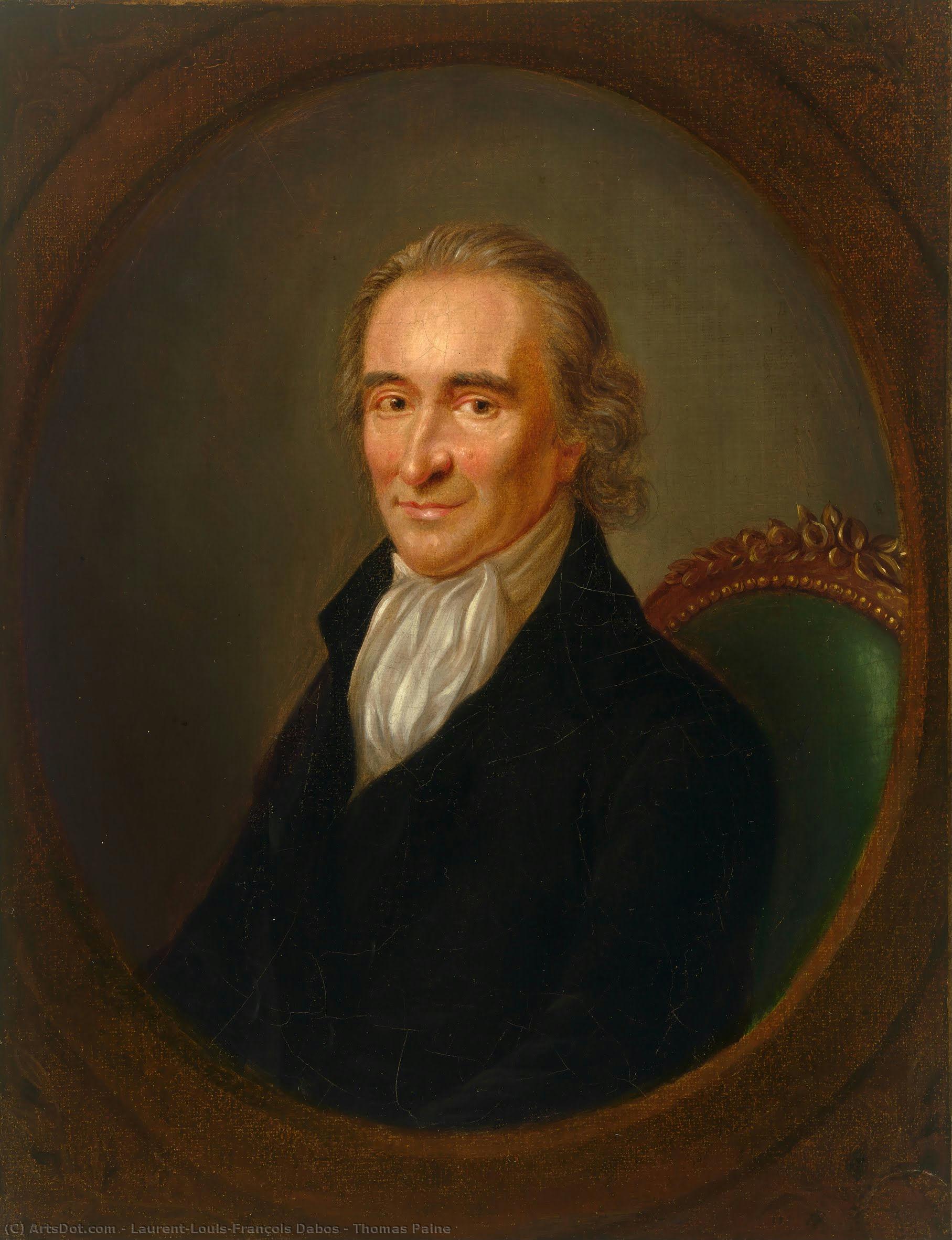
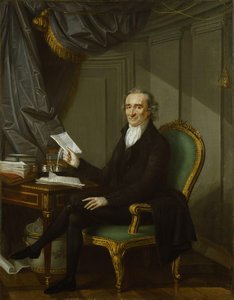
Thomas Paine


 Read More
Hand Made Oil Reproduction
Hand-painted oil on canvas in your size and frame, made to order by our artists. ( Buy Print Buy Image)




P118B $10

P118H $10

P118W $10

P438Z $10

P508JH $12

P508YH $12

P805H $10

P805Z $10

P919BZ $10

P919G $10

P919XJ $10

P959ZH $10

P968JZ $12

W106C $8

W218G $10

W218JH $8

W218Y $10

W307PJ $10

W316G $10

W316PJ $8

W316Y $10

W398PJ $8

W4111J $10

W500HY $15

W500JH $15

W692G $12

W849H $8

W940BG $15

W953PJ $8




Pick from our preset sizes that match the artwork's original proportions.

You may enter your own dimensions to fit a specific frame or space. If your selected size does not match the original image's proportions, we will either crop the artwork or extend the painting with additional hand-painted elements. A digital mockup will be sent for your approval before production begins.
Please note that the on-screen preview does not reflect the actual cropping or extension. Only the mockup will accurately show the final composition.
While custom sizes are available, we recommend selecting a dimension from the predefined list to preserve the original proportions.
After order, ArtsDot.com team will email client for instructions and provide a mockup preview
Worldwide Delivery () in 3/4 weeks instead of standard 5 weeks. (16 August). No compromise on quality.

Free Worldwide Express Shipping

High-Quality Linen Canvas

Full Shipping Insurance

Customs Tax Refund Guarantee

True Color Matching Guarantee

60-Day Return Policy (Defects Only)

100% Money-Back Guarantee

Bulk Discount Offer
 Glass option is only available in size under 110 CM

Thomas Paine
Reproduction Medium
Reproduction Size
-


Total Price
$ 263
Artwork Description
Thomas Paine: A Portrait Embodied in Reason
Laurent Dabos’s portrait of Thomas Paine—completed circa 1792—stands as a testament to the artistic fervor of the Napoleonic era and, crucially, to the enduring legacy of Enlightenment ideals. More than just a likeness of a prominent figure, it embodies the spirit of intellectual defiance that characterized Paine's life and work, capturing not merely his physical appearance but also the profound conviction underpinning his revolutionary convictions.
- Historical Context: Painted during the tumultuous years following the French Revolution, Dabos’s portrait reflects the anxieties and aspirations of a society grappling with radical change. Paine himself had become a symbol of republican fervor—a champion of liberty and equality—drawing inspiration from Rousseau and Voltaire—figures who championed natural rights and challenged hereditary authority.
- Style & Technique: Dabos adhered to Neoclassical principles, prioritizing realism and clarity while avoiding excessive ornamentation. The meticulous attention to detail—particularly in the rendering of Paine’s clothing and facial features—demonstrates mastery of oil painting techniques. Subtle shading creates depth and volume, conveying a sense of dignified solemnity.
- Composition & Symbolism: The oval frame surrounding Paine's head emphasizes his importance and dignity, aligning with classical conventions. The soft lighting highlights textures and contours, fostering contemplation. Dabos’s deliberate pose—seated upright—suggests composure and intellectual seriousness—qualities consistent with Paine’s philosophical pursuits.
- Color Palette & Mood: Dominated by dark tones—primarily black, brown, and muted greens—the palette contributes to the portrait's contemplative mood. The restrained use of color underscores the solemnity of the subject matter and reinforces the overarching theme of reason and moral fortitude.
The artwork’s impact extends beyond its aesthetic qualities; it serves as a visual record of Paine’s intellectual stature—a figure who dared to question established dogma and advocate transformative social reforms. Dabos's portrait captures not only the man but also the ideas that propelled him into history, cementing his place as an icon of Enlightenment thought.
About Laurent Dabos
Laurent Dabos (1761–1835) was a prolific French painter who achieved considerable renown during the Napoleonic era. Primarily celebrated for his portraits and historical genre paintings—particularly those depicting scenes from the Napoleonic Wars—Dabos’s work reflects the artistic sensibilities of his time while demonstrating remarkable skill in capturing human emotion and detail.
He studied under François André Vincent, establishing himself as a successful artist early in his career through exhibitions like “Exposition de la Jeunesse” in 1788. Dabos’s artistic journey began with meticulous draughtsmanship—a cornerstone of Neoclassical style—instilled by Vincent’s influence.
Provenance & Significance
This portrait was created as a model for engravings, reflecting the widespread demand for images of prominent figures during the Napoleonic period. Its acquisition by the National Portrait Gallery underscores its artistic merit and historical importance—a visual embodiment of Enlightenment ideals that continues to inspire admiration.
Technical Details
Executed in oil on canvas, Dabos’s portrait exemplifies the precision and artistry characteristic of Neoclassicism. The artist skillfully employed brushwork, blending, and layering techniques—resulting in a smooth and lifelike appearance—demonstrating mastery of oil painting.
Related Artworks
Artist Biography
The Soul of an Era: The Life and Legacy of Laurent Dabos
In the grand tapestry of French art history, few painters captured the turbulent transition from the twilight of the monarchy to the dawn of the Napoleonic age as poignantly as Laurent Dabos. Born in the vibrant city of Toulouse in 1761, Dabos emerged not merely as a chronicler of faces, but as a visual poet of his era's most profound shifts. His journey into the heart of the Parisian art scene was paved by rigorous classical training under the esteemed François André Vincent, a master whose influence gifted Dabos with a command over neoclassical precision. This foundation allowed him to marry the disciplined draughtsmanship of the old world with a burgeoning emotional depth that would become his hallmark.
The artistry of Dabos was deeply intertwined with the personal and the professional. His creative life was enriched by his marriage to Jeanne Bernard, an accomplished artist in her own right, whose shared passion for the canvas created a domestic sanctuary of artistic pursuit. This synergy of talent likely fortified his ability to navigate the complex social and political landscapes of late 18th-century France. As he moved through the prestigious exhibitions of his time, such as the Exposition de la Jeunesse in 1788, Dabos began to establish a reputation that transcended simple portraiture, moving toward a more profound narrative style that could hold the weight of history itself.
Mastery of Narrative and Emotion
To gaze upon a work by Laurent Dabos is to witness a masterclass in the balance between historical grandeur and intimate human vulnerability. While his technical skill allowed him to render the intricate textures of royal attire and the cold steel of military regalia, it was his ability to capture the psychological interiority of his subjects that truly set him apart. His paintings often serve as windows into moments of profound transition, where the fate of nations is reflected in the eyes of a single individual.
His oeuvre is defined by several monumental themes:
- The Weight of Monarchy: In works such as his depiction of Louis XVI writing his will, Dabos captures the heavy, suffocating atmosphere of an era ending. The painting is less a political statement and more a study of solitude and the quiet anxiety of a man facing the inevitable tide of revolution.
- The Poetics of Grief: Through pieces like Mary of England, Queen of France, Lamenting the Death of Her Husband, Louis XII, Dabos demonstrates his ability to use neoclassical composition to elevate personal sorrow into a universal expression of loss, utilizing light and shadow to deepen the sense of mourning.
- The Glory of Empire: Conversely, Dabos was able to pivot toward the epic scale required by the Napoleonic era. His painting The Return of the Grande Armée serves as a dynamic, sweeping tribute to the triumph of Napoleon’s forces after Waterloo, showcasing his capacity for large-scale historical genre painting that celebrates movement, energy, and national pride.
A Lasting Impression on French Art
The significance of Laurent Dabos lies in his role as a bridge between two worlds. He stood at the intersection of the refined, idealized traditions of the 18th century and the more dramatic, emotionally charged sensibilities that would eventually pave the way for Romanticism. His work does not merely document events; it preserves the emotional temperature of the French people during one of the most transformative periods in human history.
Though his life concluded in 1835, the resonance of his brushstrokes remains. By documenting the intimate moments of kings and the sweeping movements of armies with equal reverence, Dabos ensured that the fleeting emotions of his time were etched into the permanence of art. Today, his legacy continues to inspire those who seek to understand the human heart amidst the grand theater of history, making his works essential touchstones for anyone studying the profound evolution of French painting.
laurent-louis-françois dabos
1761 - 1835 , France
Quick Facts
- Artistic Movement Or Style: Neoclassical
- Artists Who Influenced This Artist: ['François André Vincent']
- Date Of Birth: 1761
- Date Of Death: 1835
- Full Name: Laurent Louis François Dabos
- Nationality: French
- Notable Artworks:
- Mary of England, queen of france
- The return of the grande armée
- Louis XVI writing his will
- A picture painted in the temple during the captivity of the royal family
- Place Of Birth: Toulouse, France
Related Articles
18th Century Masters: 10 Artworks That Define an Era | ArtsDot
Journey through 18th century art! Explore 10 iconic paintings – from Rococo elegance to Neoclassical grandeur. Discover Fragonard, David & more. Find museum-quality reproductions and elevate your home decor on ArtsDot.com.
Thomas Hudson: A Study in 18th-Century Portraiture & British Artistic Identity
Explore the life & work of Thomas Hudson, a leading 18th-century British portraitist. Discover his mastery of the 'Grand Manner,' influential style, and lasting impact on British art. Learn about his notable portraits like Judge William Noel & Alexander Van Aken.
Neoclassical Art: 10 Masterpieces That Shaped History |
Explore 10 defining Neoclassical masterpieces by David, Ingres & Canova. Discover the history, symbolism & artistry behind these iconic paintings and sculptures. Find museum-quality art reproductions at – elevate your home with timeless beauty.
Reflections of an Age: Social Commentary & Artistic Representation in 18th-Century Society
Explore the social commentary & artistic representation of 18th-century society. Discover Rococo masterpieces, portraiture's power, and shifting historical perspectives. Expert insights for art lovers.
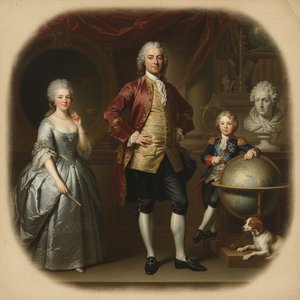
Reflecting Nobility & Nuance: 18th-Century Portraiture as a Window into Societal Values
Explore the world of 18th-century portraiture with ArtsDot. Discover symbolism, artistic innovation & societal values reflected in masterpieces by Reynolds, Hogarth & more. Expert insights for collectors.

