 Preview
 Send
Send Share
Share
 Details

 Download
 Similars
 X-Ray
X-Ray Diaporama
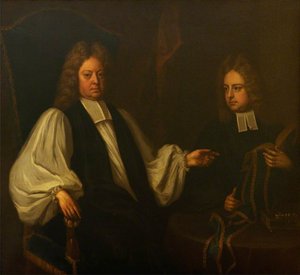
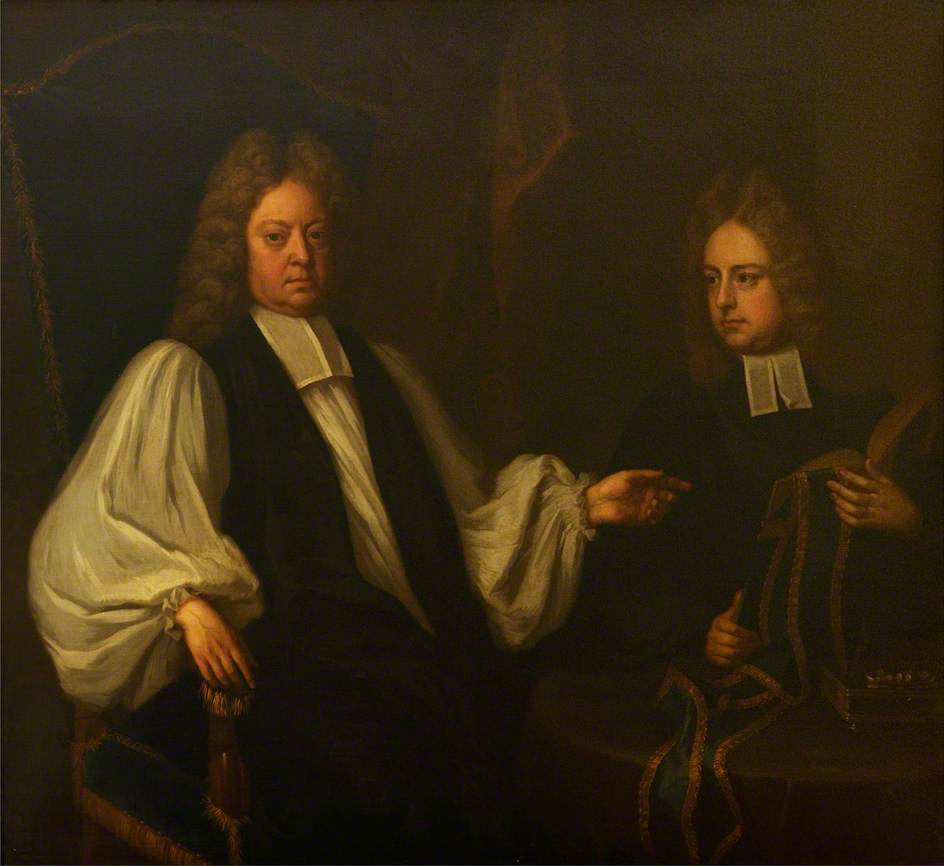
Thomas Sprat (1635–1713), and His Son Thomas (1679–1720)
 Acrylic On Canvas
- WallArt
- Baroque
 1712
1712 133.0 x 150.0 cm
 Bodleian Libraries
 Read More
Hand Made Oil Reproduction
Hand-painted oil on canvas in your size and frame, made to order by our artists. ( Buy Print Buy Image)




P118B $10

P118H $10

P118W $10

P438Z $10

P508JH $12

P508YH $12

P805H $10

P805Z $10

P919BZ $10

P919G $10

P919XJ $10

P959ZH $10

P968JZ $12

W106C $8

W218G $10

W218JH $8

W218Y $10

W307PJ $10

W316G $10

W316PJ $8

W316Y $10

W398PJ $8

W4111J $10

W500HY $15

W500JH $15

W692G $12

W849H $8

W940BG $15

W953PJ $8




Pick from our preset sizes that match the artwork's original proportions.

You may enter your own dimensions to fit a specific frame or space. If your selected size does not match the original image's proportions, we will either crop the artwork or extend the painting with additional hand-painted elements. A digital mockup will be sent for your approval before production begins.
Please note that the on-screen preview does not reflect the actual cropping or extension. Only the mockup will accurately show the final composition.
While custom sizes are available, we recommend selecting a dimension from the predefined list to preserve the original proportions.
After order, ArtsDot.com team will email client for instructions and provide a mockup preview
Worldwide Delivery () in 3/4 weeks instead of standard 5 weeks. (16 August). No compromise on quality.

Free Worldwide Express Shipping

High-Quality Linen Canvas

Full Shipping Insurance

Customs Tax Refund Guarantee

True Color Matching Guarantee

60-Day Return Policy (Defects Only)

100% Money-Back Guarantee

Bulk Discount Offer
 Glass option is only available in size under 110 CM

Thomas Sprat (1635–1713), and His Son Thomas (1679–1720)
Reproduction Medium
Reproduction Size
-


Total Price
$ 263
Artwork Description
A Portrait of Familial Bond: Exploring Michael Dahl’s Masterpiece
Michael Dahl's “Thomas Sprat (1635–1713), and His Son Thomas (1679–1720)” transcends mere representation; it embodies the spirit of its time—a testament to Swedish artistic prowess transplanted into the opulent courts of England. Painted in 1712, this portrait captures a moment of profound connection between two men, father and son, offering viewers an intimate glimpse into aristocratic life during the Baroque era. Dahl’s meticulous attention to detail elevates it beyond a simple likeness, transforming it into a symbol of lineage, wisdom, and enduring familial affection.The Artist's Journey: From Stockholm to London
Born in Stockholm around 1659, Michael Dahl’s artistic development was fueled by the unwavering devotion of his mother, Catarina Dahl, who recognized his innate talent and tirelessly championed his ambitions. Initially trained in Sweden under the tutelage of Rembrandt van Rijn – a pivotal influence shaping Dahl's stylistic sensibilities – he embarked on an extraordinary European odyssey, honing his skills in Rome before establishing himself as a celebrated portraitist in London. This itinerant path wasn’t merely driven by professional advancement; it reflected a deeper spiritual transformation—Dahl embraced Lutheranism after encountering Calvinistic influences during his travels, adding another layer of complexity to his artistic worldview.Baroque Elegance: Technique and Style
Dahl's masterful technique exemplifies the Baroque style prevalent in Europe during his lifetime. Employing oil paint on canvas with painstaking precision, he achieved remarkable tonal gradations and subtle modeling effects that imbue the figures with palpable warmth and realism. The artist skillfully utilized chiaroscuro – dramatic contrasts between light and dark – to sculpt the faces of Sprat and his son, emphasizing their expressions and conveying a sense of dignified repose. Dahl’s compositions are characterized by balanced symmetry and carefully orchestrated spatial arrangements, reflecting the grandeur and formality associated with aristocratic portraiture.Symbolism Within Domestic Tranquility
Beyond its technical brilliance, “Thomas Sprat (1635–1713), and His Son Thomas (1679–1720)” is rich in symbolic significance. The seated Sprat, dressed in black velvet adorned with a collar—a symbol of status and piety—represents paternal authority and wisdom. Beside him stands his son, radiating youthful vitality, embodying the continuation of the family lineage. The inclusion of a chair and dining table underscores the importance of domestic life and social gatherings within aristocratic society. Furthermore, the book resting on the tabletop symbolizes erudition and intellectual pursuits – values highly esteemed during Dahl’s era.Emotional Resonance: A Window into Aristocratic Sentiment
Ultimately, Dahl's portrait succeeds in capturing an emotional core that resonates deeply with viewers. The gaze of Sprat and his son—direct yet gentle—suggests a genuine exchange of affection and understanding. This quiet intimacy speaks to the enduring values of family bonds and conveys a sense of serenity amidst the complexities of aristocratic existence. “Thomas Sprat (1635–1713), and His Son Thomas (1679–1720)” remains an evocative masterpiece, inviting contemplation on themes of heritage, character, and the profound beauty found in human connection—a timeless reflection of its era and Dahl’s unparalleled artistic vision.Related Artworks
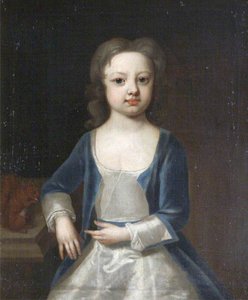
Artist Biography
A Life Bridging Worlds: The Artistic Journey of Michael Dahl
Michael Dahl, a name resonating with the elegance and refinement of 18th-century portraiture, was a Swedish artist who indelibly marked his presence on the English art scene. Born in Stockholm around 1659 – sources vary slightly between 1658 and 1659 – Dahl’s trajectory wasn't one confined by national borders but rather defined by an ambitious pursuit of artistic mastery that led him across Europe and ultimately established him as a leading portraitist in England. His story is one of familial sacrifice, rigorous training, religious conversion born of opportunity, and the skillful navigation of diverse cultural landscapes. The dedication of his mother, Catarina Dahl, to nurturing his talent laid the foundation for a career that would see him paint royalty, nobility, and leave behind a legacy of exquisite paintings celebrated for their aristocratic grace.From Swedish Foundations to Italian Influences
Dahl’s artistic education began in Sweden under Martin Hannibal in 1674, who had been brought from Italy by David Klöcker Ehrenstrahl to establish a portrait academy. This initial training provided him with foundational skills before he transitioned to study directly with Ehrenstrahl himself, indicating his promise as a student. However, Dahl’s ambition extended beyond the Swedish capital. In 1682, he embarked on an extensive educational journey across Europe, armed with a passport that allowed travel and a thirst for artistic knowledge. His arrival in London proved pivotal; he came under the tutelage of Robert White, a skilled engraver and painter, assisting him with engraving projects – including a portrait of King Charles XI of Sweden. This experience was crucial, providing practical skills and an introduction to the English art world. Yet, it was his encounter with Godfrey Kneller that truly shaped his understanding of the market. Kneller imparted not only technical expertise but also the pragmatism required to cater to public demand – a stark contrast to Ehrenstrahl’s more court-focused approach. Dahl's travels continued to Paris and then Rome, where a significant turning point occurred.Rome, Conversion, and Patronage
The exiled Queen Christina of Sweden played a transformative role in Dahl’s career during his time in Rome. Recognizing the importance of access to influential circles and papal patronage, Dahl converted to Roman Catholicism at her urging. This decision opened doors that would otherwise have remained closed, allowing him to paint portraits of the Queen herself and present his work to Pope Innocent XI, who bestowed upon him a gold medal – a testament to his burgeoning talent. The conversion, while perhaps strategically motivated, underscores Dahl’s willingness to adapt and navigate complex social and religious landscapes in pursuit of artistic advancement. It was in Rome that he honed his skills further, absorbing the Baroque aesthetic that would become characteristic of his mature work.A Master of English Portraiture
Upon returning to England, Michael Dahl swiftly established himself as a highly sought-after portraitist. He became renowned for his elegant and refined style, capturing not merely the likeness but also the status and personality of his aristocratic sitters. His portraits are distinguished by rich colors, meticulous attention to detail in textures, and an overall sense of grandeur. He painted numerous prominent figures, including Queen Anne, Prince George of Denmark, and a constellation of members from the English nobility. Notable works include striking portraits of Sir William Carew, John Churchill (1st Duke of Marlborough), and Sir Robert Walpole. Perhaps one of his most impressive achievements is the triple portrait of the 2nd Earl of Burlington, the 1st Duke of Kingston upon Hull, and the 3rd Baron Berkeley of Stratton – a masterful display of his skill in group portraiture, showcasing his ability to balance individual characterization with compositional harmony.Legacy and Historical Significance
Dahl’s artistic style was a compelling synthesis of Swedish, Italian, and English influences. He absorbed the technical foundations from Hannibal and Ehrenstrahl, learned market savvy from Kneller, and benefited immensely from the patronage system he encountered in Rome. His work embodies the Baroque aesthetic prevalent during his time but infused with a uniquely refined sensibility. He influenced subsequent generations of portrait painters with his elegant style and technical proficiency, leaving an enduring mark on English portraiture. Beyond his artistic contributions, Michael Dahl’s success as a Swedish artist flourishing primarily in England highlights the international nature of artistic exchange during the Baroque period. He skillfully navigated different cultural contexts, establishing himself as a leading portraitist whose legacy continues to be admired today. His portraits offer invaluable insights into the lives and appearances of the English aristocracy during the early 18th century, serving as both historical documents and enduring works of art.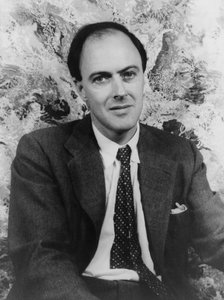
Michael Dahl
1658 - 1743 , Sweden
Quick Facts
- Artistic Movement Or Style: Baroque
- Artists Or Movements Influenced By This Artist: 18th-century portraiture
- Artists Who Influenced This Artist:
- Martin Hannibal
- David Ehrenstrahl
- Godfrey Kneller
- Date Of Birth: 1659
- Date Of Death: 1743
- Full Name: Michael Dahl
- Nationality: Swedish
- Notable Artworks:
- Portrait of Queen Anne
- Sir William Carew
- John Churchill portrait
- Place Of Birth: Stockholm, Sweden
Related Articles

The Enduring Legacy of Family Portraiture: A Historical & Artistic Exploration
Explore the rich history of family portraiture with ArtsDot. Discover artistic styles, symbolism & collecting insights. Commission a custom oil painting or appraise your existing artwork today!
The Grandeur of Baroque Portraiture: Power, Emotion & Artistic Innovation
Explore the grandeur of Baroque portraiture! Discover Rubens, Van Dyck & the masters of 17th-century art. Uncover symbolism, techniques & lasting influence. Expert insights for collectors and enthusiasts.
The Gaze of Power: Aristocratic Portraiture & Dynastic Ambition Through the Ages
Explore the fascinating history of aristocratic portraiture & its reflection of power, wealth, and dynastic ambition. Expert insights for discerning collectors at ArtsDot.

Baroque Masterpieces: 10 Paintings That Defined an Era |
Journey through the drama & grandeur of Baroque art! Explore 10 masterpieces by Caravaggio, Rembrandt, Rubens & more. Discover stunning oil paintings, rich colors & timeless stories. Find museum-quality reproductions at .

The Dramatic Flourish: Exploring the Baroque Movement's Enduring Legacy in Art History
Explore the dramatic world of Baroque art! Discover iconic artists like Caravaggio & Rubens, defining techniques, and its lasting impact on art history. Expert insights for collectors & enthusiasts at ArtsDot.