 Preview
 Send
Send Share
Share
 Details

 Download
 Similars
 X-Ray
X-Ray Diaporama
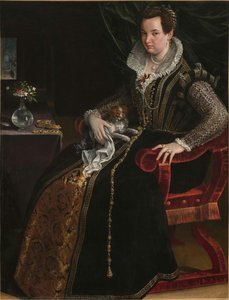
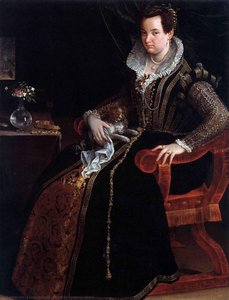
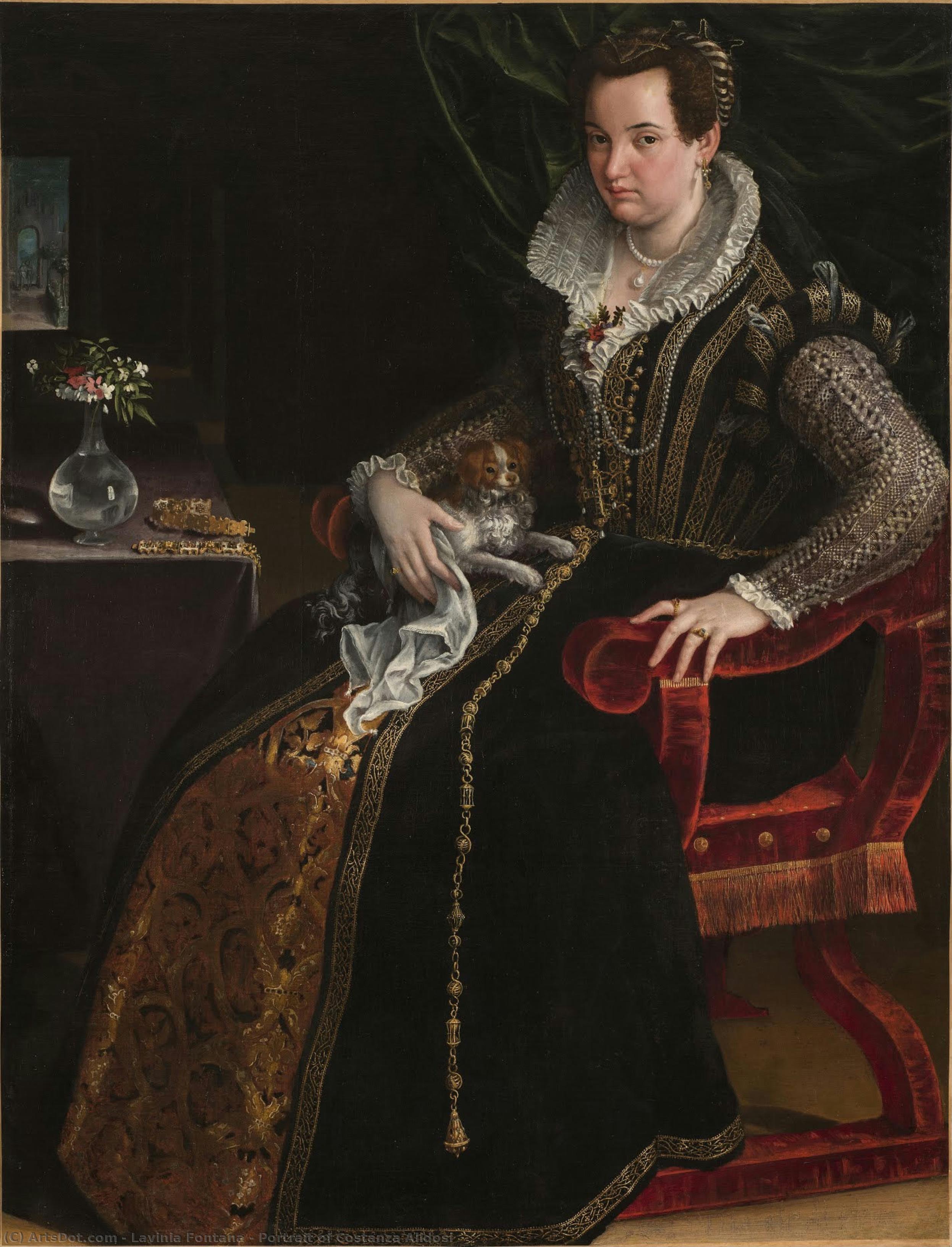
Portrait of Costanza Alidosi


 Read More
Hand Made Oil Reproduction
Hand-painted oil on canvas in your size and frame, made to order by our artists. ( Buy Print Buy Image)




P118B $10

P118H $10

P118W $10

P438Z $10

P508JH $12

P508YH $12

P805H $10

P805Z $10

P919BZ $10

P919G $10

P919XJ $10

P959ZH $10

P968JZ $12

W106C $8

W218G $10

W218JH $8

W218Y $10

W307PJ $10

W316G $10

W316PJ $8

W316Y $10

W398PJ $8

W4111J $10

W500HY $15

W500JH $15

W692G $12

W849H $8

W940BG $15

W953PJ $8




Pick from our preset sizes that match the artwork's original proportions.

You may enter your own dimensions to fit a specific frame or space. If your selected size does not match the original image's proportions, we will either crop the artwork or extend the painting with additional hand-painted elements. A digital mockup will be sent for your approval before production begins.
Please note that the on-screen preview does not reflect the actual cropping or extension. Only the mockup will accurately show the final composition.
While custom sizes are available, we recommend selecting a dimension from the predefined list to preserve the original proportions.
After order, ArtsDot.com team will email client for instructions and provide a mockup preview
Worldwide Delivery () in 3/4 weeks instead of standard 5 weeks. (16 August). No compromise on quality.

Free Worldwide Express Shipping

High-Quality Linen Canvas

Full Shipping Insurance

Customs Tax Refund Guarantee

True Color Matching Guarantee

60-Day Return Policy (Defects Only)

100% Money-Back Guarantee

Bulk Discount Offer
 Glass option is only available in size under 110 CM

Portrait of Costanza Alidosi
Reproduction Medium
Reproduction Size
-


Total Price
$ 263
Artwork Description
A Noblewoman Defined: The Portrait of Costanza Alidosi
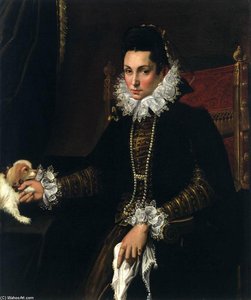
Lavinia Fontana's 1595 “Portrait of Costanza Alidosi” is more than a simple likeness; it’s a carefully constructed tableau of power, wealth, and subtle social commentary. Commissioned during a period when women artists faced significant obstacles, this painting stands as a testament to Fontana’s skill and her ability to navigate the constraints of a male-dominated world. The subject, Costanza Alidosi, a prominent Bolognese noblewoman married to the influential Senator Ridolfo Isolani, is presented not merely as a beautiful woman but as a figure embodying both aristocratic status and quiet authority.
Fontana’s masterful use of perspective immediately draws the viewer into the scene. The composition is anchored by Alidosi's commanding presence, seated within a richly furnished interior that subtly suggests her social standing. The courtyard visible through the arched doorway in the upper left corner establishes depth and spatial awareness, while the two open doorways invite the eye to explore the room’s details. This architectural framing isn’t merely decorative; it reinforces Alidosi's position as the focal point of the painting, a woman whose world extends beyond the confines of the room itself.
The Language of Detail: Technique and Materiality
Fontana’s technical prowess is immediately evident in her meticulous rendering of fabric and texture. The crimson velvet chair, draped with intricate fringe, practically seems to invite touch—a deliberate invitation by the artist to engage with the materiality of the artwork. Similarly, the lace collar surrounding Alidosi's neck is depicted with astonishing detail, showcasing Fontana’s skill at capturing the delicate shimmer and subtle folds of fabric. The gold embroidery on the skirt and bodice isn’t simply painted; it appears almost sculpted, reflecting the artist’s deep understanding of light and shadow.
The use of oil paint allows Fontana to achieve a remarkable level of realism and luminosity. Notice how she captures the subtle variations in color—the warm tones of the fabrics contrasted with the cooler hues of the walls—creating a sense of depth and atmosphere. The lighting, carefully considered and expertly applied, highlights Alidosi’s face and figure, drawing attention to her expression and posture.
Symbolism and Social Context
Beyond the purely visual elements, “Portrait of Costanza Alidosi” is laden with symbolic meaning. The dog resting on Alidosi's lap—a common motif in Renaissance portraits—likely symbolizes fidelity and loyalty, referencing her husband’s frequent absences from Bologna due to his political duties. The juniper blossoms tucked into her bodice are another subtle allusion to marital devotion, a traditional symbol of faithfulness. These carefully chosen details speak volumes about the social expectations placed upon women of Alidosi's station.
Furthermore, the painting can be interpreted as a statement of Alidosi’s autonomy and power within her marriage. By commissioning a portrait of herself, she asserted her presence and influence—a bold move for a woman in a society where female agency was often limited. The direct gaze with which Alidosi meets the viewer further reinforces this sense of self-assuredness.
A Legacy of Innovation
Lavinia Fontana’s “Portrait of Costanza Alidosi” is not just a beautiful painting; it's a significant work in art history. It represents a pivotal moment in the career of one of the first female professional artists, demonstrating her ability to compete with male counterparts and establish herself as a respected portraitist. The painting’s enduring appeal lies in its masterful composition, technical skill, and subtle yet powerful symbolism—a testament to Fontana's artistic vision and her remarkable achievement.
Related Artworks
Artist Biography
A Bolognese Trailblazer: The Life and Art of Lavinia Fontana
Lavinia Fontana, born in Bologna in 1552, emerged as a remarkable figure during the Renaissance—a period often celebrated for its male masters. Yet, Fontana carved her own path, becoming not only a successful artist but also a pioneer who challenged societal norms and redefined the role of women in the art world. Her story is one of talent nurtured within a family of artists, dedication to craft, and an unwavering ability to secure recognition in a field historically dominated by men. Her father, Prospero Fontana, a respected painter himself, provided her initial training, recognizing and fostering her innate artistic abilities. This familial foundation was crucial, allowing Lavinia access to the skills and connections necessary to begin her career at a time when formal art education for women was virtually nonexistent. Early works like “Monkey Child” (1575), though now lost, signaled the emergence of a unique talent, quickly followed by pieces demonstrating a growing mastery of technique and composition, such as "Christ with the Symbols of the Passion" (1576).Elegance, Innovation, and the Bolognese Style
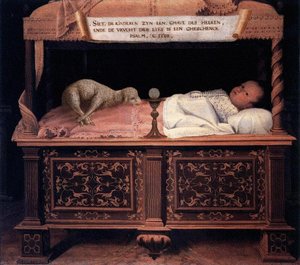
Fontana’s artistic style initially mirrored that of her father, steeped in the traditions of the School of Bologna. However, she soon began to absorb influences from other prominent artists, notably Denis Calvaert, whose school in Bologna was a hub of artistic innovation. This exposure led to an evolution in her work, incorporating elements of the Carracciesque style—characterized by its dramatic compositions and vibrant coloring—and a quasi-Venetian richness that added depth and luminosity to her paintings. She quickly became renowned for her portraits, particularly those of the upper-class women of Bologna. These were not merely likenesses; they were celebrations of wealth, status, and feminine grace. Fontana possessed an exceptional ability to capture both the physical appearance and the inner character of her sitters, forging unusually warm relationships with many of her female clients. Her portraits are notable for their meticulous attention to detail—the intricate embroidery on gowns, the shimmering pearls adorning necks, the subtle play of light across skin—all rendered with a remarkable degree of realism. Notable works like “Double Marriage Portrait” (also known as "Self-Portrait of Lavinia Fontana"), currently housed in the Zaragoza Museum, exemplify her skill and sophistication, offering a glimpse into the elegance of 16th-century society. Other significant pieces include “Venus and Cupid” (1592), a Baroque portrait brimming with symbolic beauty, and “Newborn Baby in a Crib” (1583), a poignant depiction of maternal tenderness and domestic life.Breaking Barriers: A Career Forged Against the Grain
Lavinia Fontana’s achievements extended far beyond her artistic skill; she was a true trailblazer, widely regarded as the first woman artist to operate independently within the established art world—outside the confines of a court or convent. This was an extraordinary feat in an era when women were largely excluded from professional life. Her success wasn't simply about talent; it was also about shrewd business acumen and the support of her husband, Paolo Zappi, who served as her agent and managed their growing family—they had eleven children together. The marriage agreement itself was unconventional, acknowledging Lavinia’s earning potential and negating the need for a traditional dowry. Her rising reputation eventually attracted the attention of powerful patrons, including Pope Gregory XIII and his family, leading to commissions for portraits of prominent individuals. This patronage propelled her career to new heights, culminating in her move to Rome in 1604 where she became a sought-after portraitist at the papal court. In 1611, she received further recognition with a bronze portrait medallion cast by Felice Antonio Casoni, and was elected into the Accademia di San Luca—an honor rarely bestowed upon women artists of the time.A Lasting Legacy: Challenging Conventions and Inspiring Future Generations
Lavinia Fontana’s legacy continues to resonate today, inspiring both artists and art lovers alike. Her work can be found in museums and collections around the world, serving as a testament to her enduring talent and historical significance. She not only demonstrated that women could achieve artistic excellence on par with their male counterparts but also paved the way for future generations of female artists to pursue their passions without societal constraints. While debate continues among art historians regarding whether she was truly among the first women to paint nudes—as evidenced in works like “Judith with the Head of Holofernes” (1600)—her willingness to explore a wider range of subjects, including mythological and religious themes, further solidified her position as a versatile and innovative artist. Fontana’s ability to balance a thriving artistic career with the demands of motherhood—raising eleven children while maintaining a rigorous painting schedule—is a testament to her resilience, dedication, and unwavering commitment to her craft. Her story serves as a powerful reminder that talent knows no gender and that perseverance can overcome even the most formidable obstacles. Lavinia Fontana’s impact extends beyond her paintings; she remains an icon of female empowerment in the art world.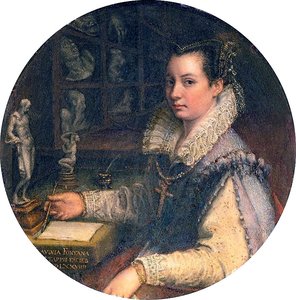
Lavinia Fontana
1552 - 1614 , Italy
Quick Facts
- Artistic Movement Or Style: Mannerism, Baroque
- Artists Who Influenced This Artist:
- Prospero Fontana
- Denis Calvaert
- Date Of Birth: August 24, 1552
- Date Of Death: 1614
- Full Name: Lavinia Fontana
- Nationality: Italian
- Notable Artworks:
- Double Marriage Portrait
- Venus and Cupid
- Newborn Baby in a Crib
- Judith with Holofernes
- Place Of Birth: Bologna, Italy
Related Articles

The Enduring Legacy of Oil on Canvas: Technique, History & Aesthetic Impact
Explore the rich history & techniques of oil painting – from Renaissance masters to Impressionism. Discover pigments, layering methods, and why this timeless medium endures. Expert insights for artists & art enthusiasts.

Oil on Canvas: A Historical & Technical Exploration of a Timeless Artistic Medium
Explore the rich history & enduring techniques of oil painting on canvas. Discover the science behind its longevity, conservation practices, and contemporary relevance. Expert insights for art enthusiasts.

The Enduring Power of Painting: A Historical & Contemporary Exploration of Form and Emotion
Explore the rich history & enduring techniques of oil painting with ArtsDot. Discover masterpieces, learn about art collecting, and find authentic handmade reproductions crafted by skilled artists.

The Enduring Legacy of Oil on Canvas: Technique, History & Contemporary Practice
Explore the rich history & enduring techniques of oil painting on canvas. Discover the science behind its longevity, conservation practices, and contemporary relevance. Expert insights for art enthusiasts.
Oil on Board Masters: 10 Paintings That Redefined Art | ArtsDot
Explore 10 legendary 'Oil on Board' masterpieces by Van Gogh, Monet & more! Discover art history, iconic styles like Impressionism, and find museum-quality reproductions to elevate your home decor. Explore the full collection online at ArtsDot.com.