 Preview
 Send
Send Share
Share
 Details

 Download
 Similars
 X-Ray
X-Ray Diaporama
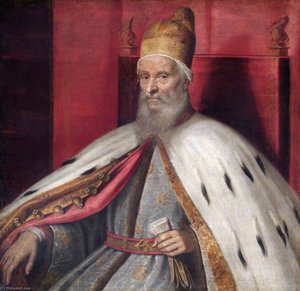
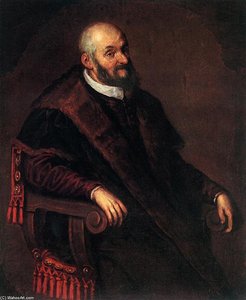
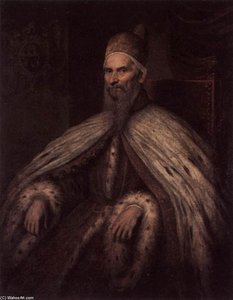
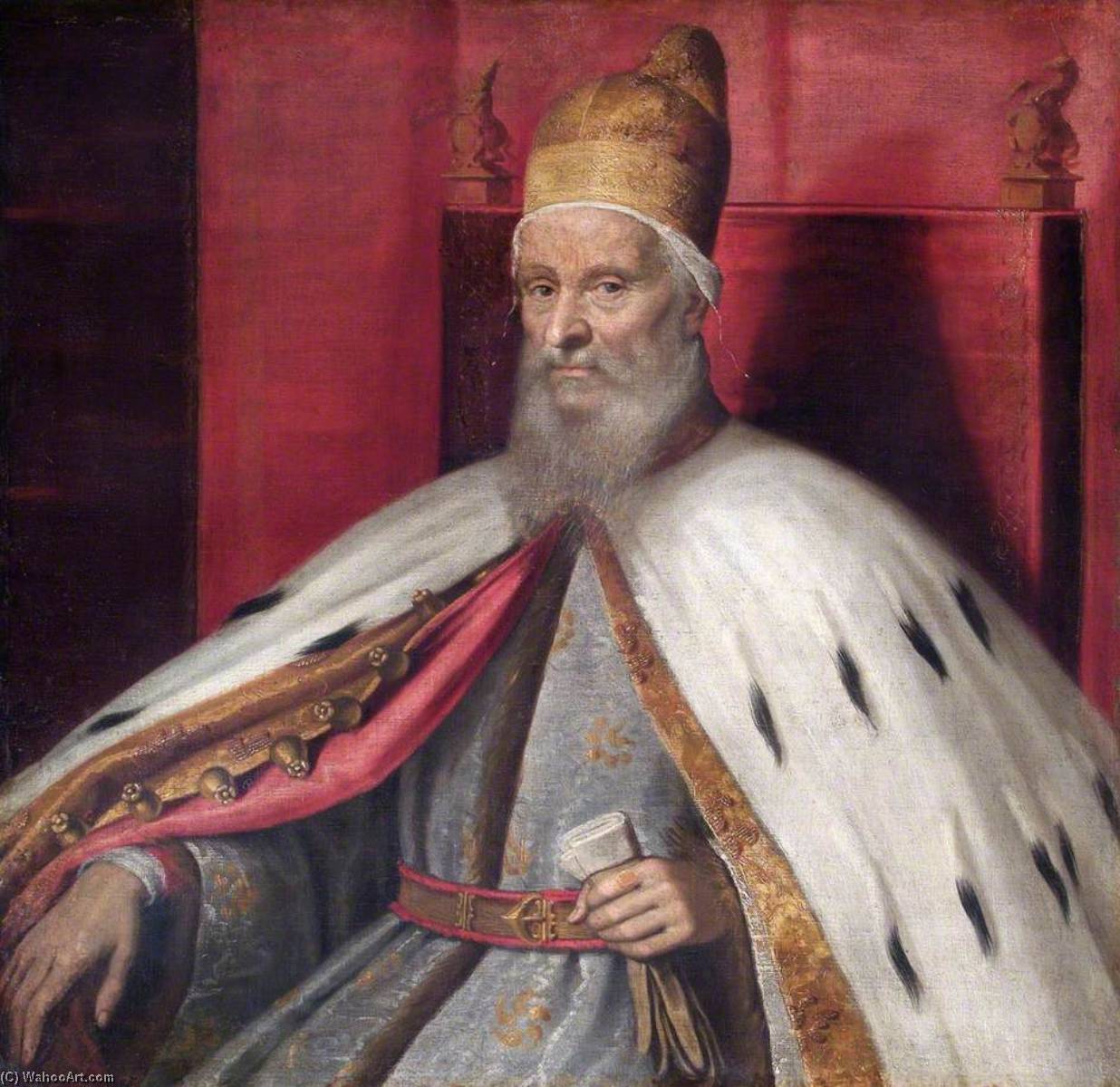
Doge Marcantonio Memmo (1536–1615)
 Acrylic On Canvas
- WallArt
- Mannerism
 1615
1615 101.0 x 103.0 cm
 English Heritage
 Read More
Hand Made Oil Reproduction
Hand-painted oil on canvas in your size and frame, made to order by our artists. ( Buy Print Buy Image)




P118B $10

P118H $10

P118W $10

P438Z $10

P508JH $12

P508YH $12

P805H $10

P805Z $10

P919BZ $10

P919G $10

P919XJ $10

P959ZH $10

P968JZ $12

W106C $8

W218G $10

W218JH $8

W218Y $10

W307PJ $10

W316G $10

W316PJ $8

W316Y $10

W398PJ $8

W4111J $10

W500HY $15

W500JH $15

W692G $12

W849H $8

W940BG $15

W953PJ $8




Pick from our preset sizes that match the artwork's original proportions.

You may enter your own dimensions to fit a specific frame or space. If your selected size does not match the original image's proportions, we will either crop the artwork or extend the painting with additional hand-painted elements. A digital mockup will be sent for your approval before production begins.
Please note that the on-screen preview does not reflect the actual cropping or extension. Only the mockup will accurately show the final composition.
While custom sizes are available, we recommend selecting a dimension from the predefined list to preserve the original proportions.
After order, ArtsDot.com team will email client for instructions and provide a mockup preview
Worldwide Delivery () in 3/4 weeks instead of standard 5 weeks. (17 August). No compromise on quality.

Free Worldwide Express Shipping

High-Quality Linen Canvas

Full Shipping Insurance

Customs Tax Refund Guarantee

True Color Matching Guarantee

60-Day Return Policy (Defects Only)

100% Money-Back Guarantee

Bulk Discount Offer
 Glass option is only available in size under 110 CM

Doge Marcantonio Memmo (1536–1615)
Reproduction Medium
Reproduction Size
-


Total Price
$ 263
Artwork Description
Doge Marcantonio Memmo (1536–1615) - A Venetian Visionary
Marcantonio Memmo’s “Doge Marcantonio Memmo” stands as a testament to the artistic dynamism of Venice during its golden age—a period marked by fervent patronage and an unparalleled embrace of innovation. Painted in 1612–1615, this monumental canvas embodies the spirit of Mannerism, reflecting the stylistic preferences of Leonardo da Vinci’s successor Andrea del Sarto and signaling a decisive break from the rigid formalism of High Renaissance ideals.
The painting depicts Doge Memmo seated upon a throne adorned with crimson drapery—a bold chromatic choice that immediately commands attention. Behind him stretches a richly textured landscape, rendered in meticulous detail using oil paint on canvas. Bassano’s masterful brushwork captures the atmospheric haze characteristic of Venetian vistas, conveying both grandeur and subtle melancholy.
- Style: Mannerism – Characterized by elongated figures, stylized poses, and dramatic contrasts of light and shadow, Memmo's work prioritizes expressive gesture over anatomical accuracy.
- Technique: Bassano employed a layering technique—applying thin glazes over thicker underpaintings—to achieve luminous surfaces and create an illusionistic depth that surpasses mere representation.
- Historical Context: Venice in Memmo’s era was at the zenith of its maritime power and artistic prestige, fostering a climate of experimentation and challenging established conventions. The Doge's role as protector of Venetian art ensured considerable funding for ambitious projects like this one.
Beyond its technical brilliance, “Doge Marcantonio Memmo” resonates with profound symbolic significance. The throne itself represents authority and stability—values paramount to the Venetian Republic. However, the subdued palette and contemplative gaze of Memmo convey a sense of introspection and perhaps even unease—a subtle acknowledgment of mortality amidst the splendor of power.
Bassano’s depiction of the landscape is equally laden with symbolism. The hazy atmosphere evokes memories of past glories while simultaneously hinting at an uncertain future. It serves as a poignant reminder that even the most magnificent achievements are ultimately ephemeral, mirroring the broader anxieties of the time regarding political upheaval and religious reform.
Ultimately, “Doge Marcantonio Memmo” transcends mere portraiture; it is a masterful distillation of Venetian artistic ideals—a celebration of beauty tempered by melancholy—and an enduring emblem of Venice’s cultural legacy. Its luminous colors and expressive brushwork continue to inspire admiration and intrigue, cementing Bassano's place as one of the foremost painters of his era.
Related Artworks

Artist Biography
Jacopo da Pontormo: A Revolutionary of Florentine Art
Jacopo Carucci, better known as Jacopo Pontormo, remains a figure of profound and often perplexing fascination in the history of art. Born in 1494 in the small Tuscan town of Pontorme near Empoli, he wasn’t destined for a conventional artistic upbringing. Orphaned at a young age and shuttled between various Florentine workshops – first with Leonardo da Vinci, then with Mariotto Albertinelli and Piero di Cosimo, before finally finding a home with Andrea del Sarto – his early training was characterized by the rigorous discipline of the High Renaissance. Yet, despite absorbing the principles of perspective, anatomy, and classical composition from these esteemed masters, Pontormo ultimately forged a path entirely his own, becoming a pivotal figure in the transition to Mannerism and profoundly influencing generations of artists to come.
His early works, such as the Visitation of the Virgin and St. Elizabeth (circa 1514-1516), demonstrate a clear debt to his predecessors. The figures are balanced, harmonious, and meticulously rendered within a carefully constructed architectural setting – hallmarks of Renaissance painting. However, even in these early pieces, subtle hints of Pontormo’s distinctive style begin to emerge: elongated forms, a heightened sense of emotion, and an unsettling ambiguity that foreshadows the radical departures he would later embrace.
The Seeds of Mannerism
Pontormo's artistic evolution was inextricably linked to his travels and encounters with Northern European art. Inspired by the engravings and woodcuts of artists like Albrecht Dürer and Lucas van Leyden, which were circulating widely in Italy at the time, he began to experiment with a looser, more expressive approach to composition and form. This influence is particularly evident in his later works, where figures seem to float within an indeterminate space, unbound by the constraints of gravity or perspective. The swirling, serpentine lines that characterize his style create a sense of dynamism and movement, contrasting sharply with the static stability of Renaissance art.
Crucially, Pontormo rejected the strict adherence to classical ideals that dominated much of Florentine painting during this period. He prioritized emotional intensity over anatomical accuracy, psychological depth over realistic representation. This shift marked a decisive break from the High Renaissance and firmly established him as one of the key figures in the development of Mannerism – an artistic movement characterized by its emphasis on elegance, artificiality, and subjective expression.
A Portraitist of Psychological Depth
While renowned for his religious paintings, Pontormo was also a highly accomplished portraitist. His portraits, particularly those commissioned by the Medici family, are notable for their psychological insight and subtle nuances of character. Unlike the idealized representations common in Renaissance portraiture, Pontormo’s subjects possess a rare dignity and vulnerability, reflecting a deeper understanding of human emotion. He skillfully employed symbolism – references to the sitter's social status, political power, or personal interests – to enrich the narrative quality of his portraits.
His depiction of members of the Medici court, for example, is particularly striking. These are not merely likenesses; they are carefully constructed statements about power, wealth, and lineage, imbued with a sense of both grandeur and melancholy. The *Entombment (Deposition from the Cross)* (1525-1528), commissioned for Santa Felicità in Florence, exemplifies this approach, blending religious iconography with psychological drama and a distinctly Mannerist aesthetic.
Late Life and Legacy
Pontormo’s later years were marked by increasing isolation and artistic turmoil. He withdrew from the vibrant Florentine art scene, becoming increasingly reclusive and troubled. Despite his personal struggles, he continued to paint until his death in 1557, producing a series of emotionally charged works that reflect his evolving style and profound sense of unease. The unfinished frescoes he undertook for San Lorenzo in Florence offer a poignant glimpse into the final stages of his artistic development.
Despite the controversies surrounding his work during his lifetime – many critics dismissed his style as chaotic and unsettling – Pontormo’s influence on subsequent generations of artists is undeniable. His pioneering use of elongated figures, ambiguous perspective, and expressive color paved the way for the Baroque period and profoundly shaped the course of Western art. He remains a vital figure in understanding the complex and transformative developments that occurred during the transition from Renaissance to Mannerism, a testament to his revolutionary spirit and enduring artistic vision.
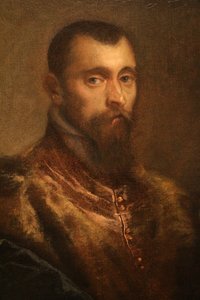
leandro bassano
1557 - 1622 , Italy
Quick Facts
- Artistic Movement Or Style: Mannerism
- Artists Or Movements Influenced By This Artist:
- Correggio
- Michelangelo
- Artists Who Influenced This Artist:
- Leonardo da Vinci
- Andrea del Sarto
- Date Of Birth: May 24, 1494
- Date Of Death: January 2, 1557
- Full Name: Jacopo Carucci Pontormo
- Nationality: Italian
- Notable Artworks:
- Visitation of the Virgin
- Entombment (Deposition)
- Place Of Birth: Pontorme, Italy
Related Articles
Jacopo Bassano: A Venetian Master of Color, Family & the Renaissance Landscape
Explore the life & art of Jacopo Bassano, a Venetian master renowned for his vibrant colorism and innovative religious scenes. Discover his family legacy & enduring influence on Renaissance painting with ArtsDot.

The Enduring Legacy of Oil on Canvas: Technique, History & Aesthetic Impact
Explore the rich history & techniques of oil painting – from Renaissance masters to Impressionism. Discover pigments, layering methods, and why this timeless medium endures. Expert insights for artists & art enthusiasts.

Oil on Canvas: A Historical & Technical Exploration of a Timeless Artistic Medium
Explore the rich history & enduring techniques of oil painting on canvas. Discover the science behind its longevity, conservation practices, and contemporary relevance. Expert insights for art enthusiasts.

The Enduring Power of Painting: A Historical & Contemporary Exploration of Form and Emotion
Explore the rich history & enduring techniques of oil painting with ArtsDot. Discover masterpieces, learn about art collecting, and find authentic handmade reproductions crafted by skilled artists.
The Golden Light of Innovation: Exploring the Venetian Renaissance Art Movement (1430–1580)
Explore the Golden Age of Venetian art (1430–1580). Discover Giorgione, Titian & Tintoretto's techniques, the 'colorito' revolution, and lasting influence. Expert insights for collectors & enthusiasts.