 Send
Send Share
Share
 Details

 Download
 Similars
 Diaporama
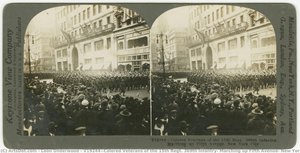
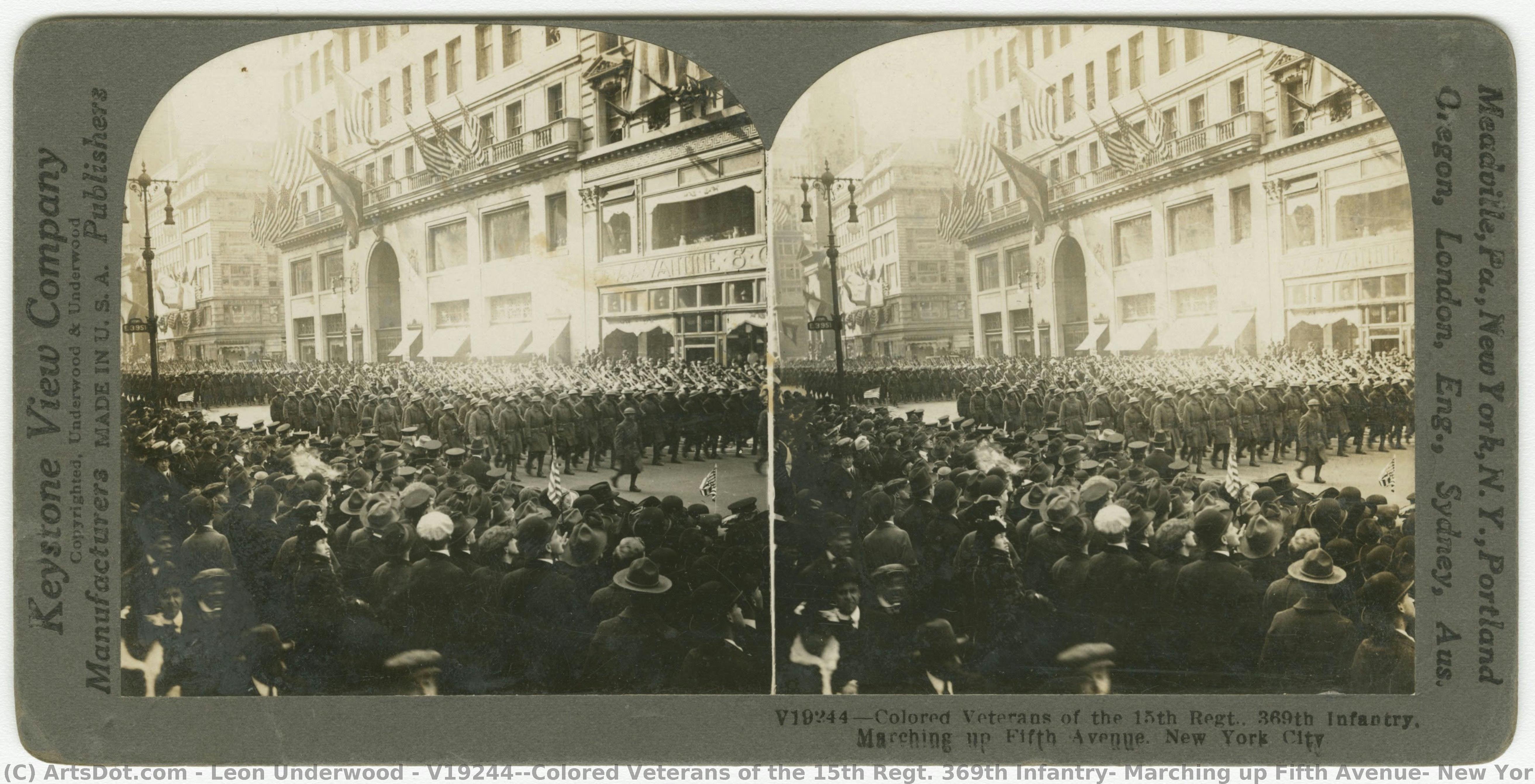
V19244--Colored Veterans of the 15th Regt. 369th Infantry, Marching up Fifth Avenue, New York City
 Black and White Photography
- Photo
 1919
1919- Modern
 8.0 x 17.0 cm
 National Museum of African American History and Culture
 Read More
Giclée / Art Print
Museum-quality giclée or canvas print with fast production and flexible finish options. ( Buy Hand Made Painting Buy Image)




































Pick from our preset sizes that match the artwork's original proportions.

You may enter your own dimensions to fit a specific frame or space. If your selected size does not match the original image's proportions, we will either crop the artwork or extend the image with a mirrored or solid-fill edge. A digital mockup will be sent for your approval before production begins.
Please note that the on-screen preview does not reflect the actual cropping or extension. Only the mockup will accurately show the final composition.
While custom sizes are available, we recommend selecting a dimension from the predefined list to preserve the original proportions.
Worldwide Delivery () in 2 weeks instead of standard 4/5 weeks. (29 August)

Free Worldwide Express Shipping

High-Quality Linen Canvas

Full Shipping Insurance

Customs Tax Refund Guarantee

True Color Matching Guarantee

60-Day Return Policy (Defects Only)

100% Money-Back Guarantee

Bulk Discount Offer
 Glass option is only available in size under 110 CM

V19244--Colored Veterans of the 15th Regt. 369th Infantry, Marching up Fifth Avenue, New York City
Giclée / Art Print
Reproduction Size
-


Total Price
$ 63
A Moment Frozen in Time: The Spirit of the Harlem Hellfighters
In the vast tapestry of early twentieth-century history, few images possess the raw, rhythmic power found in this evocative stereograph from 1919. Captured through the lens of the Keystone View Company, the scene depicts the legendary Colored Veterans of the 15th Regiment—famously known as the 369th Infantry, or the "Harlem Hellfighters"—marching with unwavering dignity up Fifth Avenue in New York City. This is not merely a photograph; it is a window into a profound moment of triumph and resilience. As the soldiers move in disciplined formation, their presence commands the street, turning a public thoroughfare into a stage for historical significance. The monochromatic tones of the era lend a ghostly, timeless quality to the composition, allowing the viewer to feel the weight of the boots hitting the pavement and the collective breath of a crowd witnessing a monumental homecoming.
The visual language of this piece is defined by its stark, high-contrast realism. Though presented in black and white, the image vibrates with an internal energy. The meticulous detail captured in the uniforms, the rhythmic alignment of the marching men, and the subtle textures of the urban backdrop create a sense of deep immersion. For the collector or art enthusiast, the beauty lies in its documentary precision—the way the light catches the edges of the figures, creating a sense of movement that feels almost cinematic. The composition draws the eye along the line of the infantry, guiding the observer through the crowd and into the heart of the procession, making it an ideal centerpiece for those who appreciate art that tells a visceral, human story.
Beyond its technical merits, the artwork serves as a powerful symbol of identity and perseverance. To display such a piece is to honor a legacy of courage. The 369th Infantry earned their reputation on the battlefields of France, and this parade represents their return to a society that was still grappling with profound inequality. There is an inherent tension in the image—a blend of military precision and the emotional release of a community celebrating its heroes. For interior designers, this work offers more than just decoration; it provides a conversational anchor. It brings a sense of gravity and historical depth to a room, working beautifully in sophisticated, classic settings or as a bold, educational statement in modern galleries.
Integrating a high-quality reproduction of this historical treasure into a curated space allows for a continuous dialogue between the past and the present. Whether framed in a minimalist style to highlight its photographic clarity or paired with more contemporary works to create a layered, eclectic aesthetic, this piece inspires reflection. It invites anyone who gazes upon it to contemplate the themes of duty, honor, and the enduring strength of the human spirit, making it an invaluable acquisition for those seeking art that resonates far beyond the frame.
Related Artworks

Artist Biography
Leon Underwood: Bridging Tradition and Innovation in British Sculpture
Leon Underwood (1890-1975) stands as a fascinating figure within the landscape of early twentieth-century British art, often overshadowed by his more celebrated contemporaries. While he may not command the immediate recognition afforded to artists like Henry Moore or Barbara Hepworth – figures who benefited from significant institutional support and whose stylistic explorations resonated deeply with the zeitgeist – Underwood’s contribution to sculpture and printmaking deserves a renewed appreciation for its quiet brilliance and profound engagement with artistic heritage.- Early Life & Training: Born George Claude Leon Underwood in 1890, he pursued his artistic education at Regent Street Polytechnic before honing his skills at the Royal College of Art (RCA) between 1910 and 1913. This formative period instilled in him a disciplined approach to technique and exposed him to influential teachers like Henry Tonks, shaping his aesthetic sensibilities.
- Travels & Influences: Underwood’s adventurous spirit propelled him eastward in 1914, embarking on a perilous journey through Lithuania and Belarus amidst the escalating tensions of World War I. This expedition instilled within him an enduring fascination with Eastern European culture and traditions – influences that would subtly permeate his artistic output.
Sculpture: A Synthesis of Form and Emotion
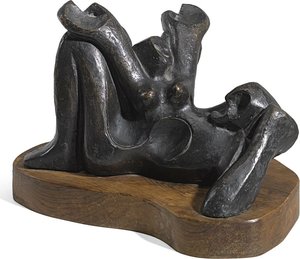
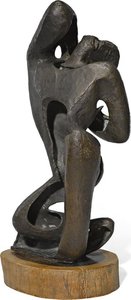
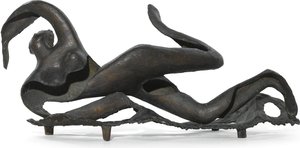
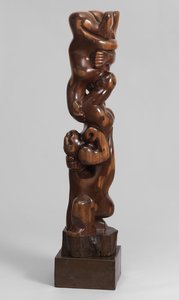
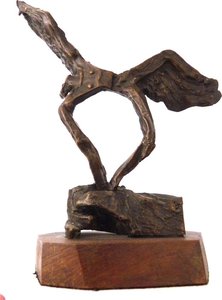
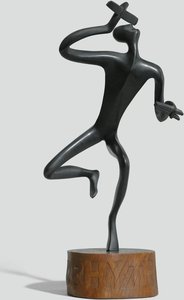
Underwood’s sculptural practice distinguished itself by a remarkable fusion of stylistic approaches. He skillfully blended the formal rigor of Academic sculpture with expressive gestures derived from African art – a deliberate choice reflecting his conviction that “there should be a relationship between content and form in art.” This commitment to conveying emotion through meticulously crafted shapes resulted in works characterized by dynamism and psychological depth. Notable sculptures include pieces exploring themes of human figure, often imbued with subtle nuances of movement and gesture. His students—Henry Tonks and Blair Hughes-Stanton—were profoundly impacted by Underwood’s teaching methods and artistic vision.- Notable Works: Underwood's sculptural output includes pieces exploring themes of human figure, often imbued with subtle nuances of movement and gesture.
- Teaching Legacy: Underwood’s influence extended beyond his own creations; he mentored a generation of artists who embraced his belief in the importance of intuition alongside technical mastery.
Printmaking: Exploring Rhythm & Texture
Beyond sculpture, Underwood excelled as a printmaker, particularly in wood engraving. His prints demonstrated an exceptional command of line and texture—techniques he honed during his travels to Mexico where he was captivated by the vibrant colours and bold patterns of Mexican art. Underwood’s prints are notable for their rhythmic compositions and meticulous attention to detail, reflecting his conviction that “inspiration and intuition have a value over science and logic.” His work stands as testament to the enduring power of traditional printmaking methods combined with artistic vision.- Technique & Style: Underwood’s prints showcased an exceptional command of line and texture—techniques he honed during his travels to Mexico where he was captivated by the vibrant colours and bold patterns of Mexican art.
- Recognition & Exhibitions: Underwood's work gained recognition through exhibitions at Abbott and Holder, Pallant House and The Redfern Gallery, showcasing a retrospective in 1996.
Historical Significance & Legacy
Despite his understated profile within the broader canon of British Modernism—a movement largely defined by monumental forms and abstract explorations—Leon Underwood’s artistic integrity and unwavering dedication to craft ensured that he would be remembered as a pivotal figure in bridging the gap between Academic tradition and expressive innovation. His enduring influence can be discerned in the work of subsequent sculptors like Henry Moore and Barbara Hepworth, demonstrating his role as an educator and mentor who championed both technical precision and emotional resonance—a legacy deserving of renewed scholarly attention.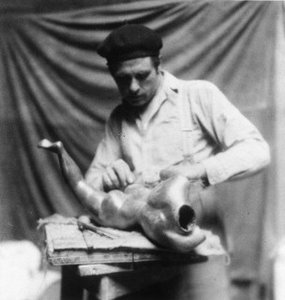
leon underwood
1890 - 1975
Quick Facts
- Artistic Movement Or Style: Modernist Sculpture
- Artists Or Movements Influenced By This Artist:
- Henry Moore
- Barbara Hepworth
- Artists Who Influenced This Artist:
- Gaudier-Brzeska
- Jacob Epstein
- Eric Gill
- Date Of Birth: December 25, 1890
- Date Of Death: October 9, 1975
- Full Name: George Claude Leon Underwood
- Nationality: British
- Notable Artworks:
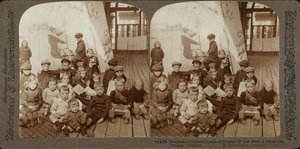
- Belgian children made orphans by the war
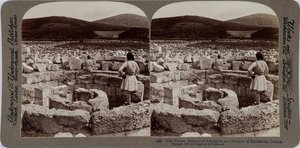
- Temple of Olympian Zeus and the Acropolis in the background
- Place Of Birth: London
Related Articles
Josep Cusachs i: Exploring Catalan Modernism Through Social Commentary & Artistic Innovation
Explore the captivating world of Josep Cusachs i, a key figure in Catalan Modernism. Discover his realist paintings, social commentary, and influence on 19th-century Spanish art. Hand-painted reproductions available at ArtsDot.
Émile Jean Horace Vernet: Romantic Realism & Depicting 19th-Century Life
Explore the life & art of Émile Jean Horace Vernet, a master of Romantic Realism. Discover his captivating battle scenes, portraits, and Orientalist works – a window into 19th-century France. Learn about his techniques & enduring legacy.