 Preview
 Send
Send Share
Share
 Details

 Download
 Similars
 X-Ray
X-Ray Diaporama
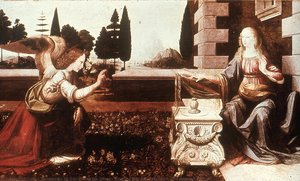
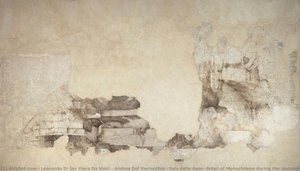
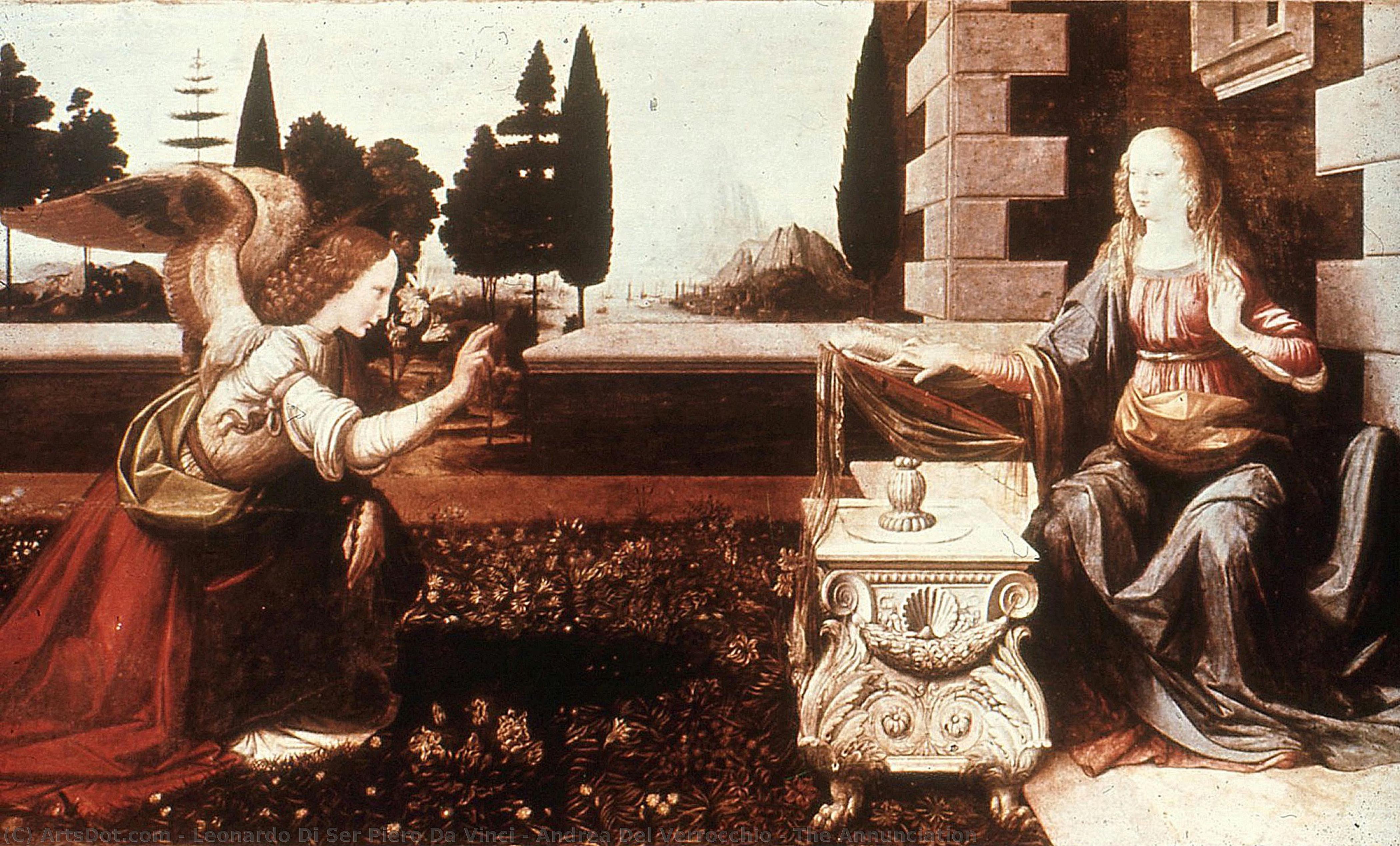
The Annunciation


 Read More
Hand Made Oil Reproduction
Hand-painted oil on canvas in your size and frame, made to order by our artists. ( Buy Print Buy Image)




P118B $10

P118H $10

P118W $10

P438Z $10

P508JH $12

P508YH $12

P805H $10

P805Z $10

P919BZ $10

P919G $10

P919XJ $10

P959ZH $10

P968JZ $12

W106C $8

W218G $10

W218JH $8

W218Y $10

W307PJ $10

W316G $10

W316PJ $8

W316Y $10

W398PJ $8

W4111J $10

W500HY $15

W500JH $15

W692G $12

W849H $8

W940BG $15

W953PJ $8




Pick from our preset sizes that match the artwork's original proportions.

You may enter your own dimensions to fit a specific frame or space. If your selected size does not match the original image's proportions, we will either crop the artwork or extend the painting with additional hand-painted elements. A digital mockup will be sent for your approval before production begins.
Please note that the on-screen preview does not reflect the actual cropping or extension. Only the mockup will accurately show the final composition.
While custom sizes are available, we recommend selecting a dimension from the predefined list to preserve the original proportions.
After order, ArtsDot.com team will email client for instructions and provide a mockup preview
Worldwide Delivery () in 3/4 weeks instead of standard 5 weeks. (16 August). No compromise on quality.

Free Worldwide Express Shipping

High-Quality Linen Canvas

Full Shipping Insurance

Customs Tax Refund Guarantee

True Color Matching Guarantee

60-Day Return Policy (Defects Only)

100% Money-Back Guarantee

Bulk Discount Offer
 Glass option is only available in size under 110 CM

The Annunciation
Reproduction Medium
Reproduction Size
-


Total Price
$ 263
Artwork Description
A Divine Encounter in the Cradle of the Renaissance
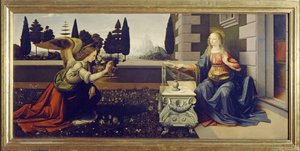
In the quiet, luminous atmosphere of 1475, a moment of profound spiritual significance was captured on panel through the collaborative genius of Leonardo di ser Piero da Vinci and Andrea del Verrocchio. The Annunciation serves as more than just a religious depiction; it is a window into the dawn of the High Renaissance, where the earthly and the divine intersect with breathtaking clarity. The scene unfolds with a delicate balance of grace and tension, presenting the Archangel Gabriel’s visitation to the Virgin Mary. As the viewer gazenter upon this masterpiece, they are drawn into a sacred dialogue, where every brushstroke seems to vibrate with the weight of an eternal promise.
The composition is a masterclass in early Renaissance spatial depth and narrative layering. On one side, an angel kneels in reverence, clutching a book that signifies the fulfillment of ancient prophecy, while across the frame, the Virgin sits in a moment of contemplative stillness. The presence of secondary figures and the subtle inclusion of birds scattered throughout the landscape add a layer of naturalistic vitality to the scene. These small, organic details—the flutter of a wing or the tilt of a head—ground the celestial event in a tangible, breathing world, making the miraculous feel intimately close to the human experience.
The Alchemy of Light and Technical Mastery
To behold this work is to witness the evolution of technique within Verrocchio’s workshop. The painting showcases an exquisite command of sfumato—that smoky, seamless transition between light and shadow that would become Leonardo’s signature. This soft rendering of edges allows the figures to emerge from the background not as flat icons, but as three-dimensional beings possessing weight and soul. The interplay of light across the drapery of the angels' robes and the gentle illumination of the Virgin’s countenance creates a sense of atmospheric perspective, pulling the eye through the landscape toward a distant, hazy horizon.
For the discerning collector or interior designer, this piece offers an unparalleled opportunity to introduce a sense of historical prestige and contemplative calm into a space. The subtle color palette, characterized by soft earth tones punctuated by celestial blues and radiant golds, provides a sophisticated focal point that complements both classical and contemporary settings. A high-quality reproduction of this work does not merely decorate a wall; it invites an atmosphere of intellectual depth and spiritual serenity, acting as a conversation piece that celebrates the enduring legacy of one of history's greatest artistic partnerships.
Related Artworks
Artist Biography
The Enigma of Leonardo: A Life Beyond the Canvas
Leonardo di ser Piero da Vinci, a name synonymous with Renaissance genius, was far more than just a painter. Born in 1452 near Vinci, Italy, he embodied the humanist ideal—a polymath whose insatiable curiosity propelled him into realms of art, science, engineering, anatomy, and invention. His illegitimate birth to Piero Fruosino di Antonio da Vinci, a notary, and Caterina di Meo Lippi, shaped a life somewhat outside societal norms, perhaps fostering an independent spirit that fueled his relentless pursuit of knowledge. Early years spent between Anchiano with his mother and later in his father’s household instilled a foundational grounding before he entered the workshop of Andrea del Verrocchio in Florence around 1466. This apprenticeship proved pivotal; it wasn't merely technical training, but an immersion into a vibrant artistic milieu where he encountered masters like Botticelli, Ghirlandaio, and Perugino. The story of Leonardo’s contribution to Verrocchio’s *Baptism of Christ*, where his angel is said to have eclipsed the master’s own work, speaks volumes about his burgeoning talent—a talent that would soon redefine artistic boundaries.Milan and the Flourishing of Innovation
In 1482, Leonardo entered the service of Ludovico Sforza, Duke of Milan, marking a significant shift in his career trajectory. This wasn’t simply a patronage; it was an invitation to become a court engineer, architect, sculptor, and painter—a testament to his multifaceted abilities. The next seventeen years witnessed a remarkable outpouring of creativity. He undertook ambitious projects like the colossal equestrian monument to Francesco Sforza, though tragically unfinished, its clay model later destroyed during political upheaval. Milan became a laboratory for Leonardo’s scientific explorations; he meticulously studied anatomy, hydraulics, and mechanics, filling notebooks with detailed observations and innovative designs. This period also saw the creation of *The Virgin of the Rocks*, showcasing his mastery of sfumato—a technique employing subtle gradations of light and shadow to create an ethereal, almost dreamlike quality. Perhaps most iconic from this era is *The Last Supper*, a monumental fresco in the refectory of Santa Maria delle Grazie. Its revolutionary composition, psychological depth, and innovative use of perspective continue to captivate audiences centuries later. However, Leonardo’s experimental approach to fresco technique led to its rapid deterioration, a poignant reminder of his relentless pursuit of perfection often at odds with practical considerations.A Restless Spirit: Florence, Rome, and the Final Years in France
The political turmoil in Milan forced Leonardo to leave in 1499, initiating a period of wandering that saw him return briefly to Florence, then venture to Rome, and ultimately find refuge under the patronage of Francis I in France. Back in Florence, he engaged with new commissions but also revisited earlier projects, often leaving them incomplete. His fascination with portraiture intensified, culminating in the creation of *Mona Lisa*, a work that has become arguably the most famous painting in the world. The enigmatic smile and subtle sfumato have fueled endless speculation about her identity and inner life. His later years in France were marked by scholarly pursuits and courtly duties. He continued to refine his scientific studies, designing architectural projects and advising Francis I on various engineering endeavors. Leonardo died at Clos Lucé in 1519, leaving behind a legacy that transcended the boundaries of art and science.The Enduring Legacy: A Synthesis of Art and Knowledge
Leonardo da Vinci’s impact extends far beyond his surviving paintings. His notebooks—filled with anatomical drawings, engineering designs, botanical studies, and philosophical musings—reveal a mind relentlessly seeking to understand the natural world. He dissected human bodies to study musculature and skeletal structure, anticipating modern anatomical illustration by centuries. His inventions—flying machines, tanks, diving suits—though often impractical for his time, demonstrate an extraordinary foresight and innovative spirit. He wasn’t merely an artist who incorporated scientific principles into his work; he was a scientist who used art as a tool for observation and understanding. His influence on subsequent generations of artists is immeasurable. The sfumato technique, the emphasis on anatomical accuracy, and the psychological depth of his portraits became hallmarks of High Renaissance painting. Leonardo’s legacy lies in his ability to synthesize art and knowledge—to see connections between seemingly disparate fields and to approach the world with a boundless curiosity. He remains an enduring symbol of human potential, a testament to the power of observation, experimentation, and imagination.- Masterpieces: *Mona Lisa*, *The Last Supper*, *Virgin of the Rocks*, *Vitruvian Man*
- Key Techniques: Sfumato, Chiaroscuro, Anatomical Accuracy
- Scientific Pursuits: Anatomy, Engineering, Hydraulics, Botany, Optics
- Influences: Andrea del Verrocchio, Florentine Renaissance Art
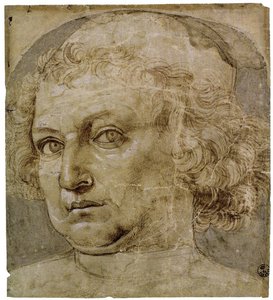
leonardo di ser piero da vinci & andrea del verrocchio
1452 - 1519 , Italy
Quick Facts
- Artistic Movement Or Style: High Renaissance
- Artists Or Movements Influenced By This Artist: ['High Renaissance artists']
- Artists Who Influenced This Artist: ['Andrea del Verrocchio']
- Date Of Birth: 1452
- Date Of Death: 1519
- Full Name: Leonardo da Vinci & Verrocchio
- Nationality: Italian
- Notable Artworks:
- Mona Lisa
- The Last Supper
- Vitruvian Man
- Head of St Andrew
- Madonna of the Carnation
- Baptism of Christ
- Place Of Birth: Vinci, Italy
Related Articles
Celestial Messengers: A Comprehensive Exploration of Angelic Representation in Art History
Explore the captivating history of angels in art! Discover symbolism, iconic Renaissance masterpieces & renowned artists. Expert insights for art lovers & collectors at ArtsDot.
Celestial Messengers: Angels in Painting – A Historical & Artistic Exploration
Explore the captivating history of angels in painting! Discover symbolism, iconic Renaissance & Byzantine masterpieces, and renowned artists. Expert insights for art lovers & collectors at ArtsDot.
Sacred Narratives Embodied: A Comprehensive Exploration of Religious Iconography in Art History
Explore the rich history of religious iconography in art! Discover symbolism, movements & masterpieces from Byzantine to Renaissance periods. Expert insights for collectors and enthusiasts at ArtsDot.
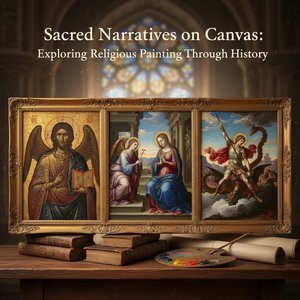
Sacred Narratives on Canvas: Exploring Religious Painting Through History
Explore the rich history of religious painting with ArtsDot.com! Discover iconic artworks, symbolism & techniques from antiquity to the Renaissance. Enhance your art appreciation today.

Fra Angelico's Masterpieces: 25 Renaissance Paintings for Your Home | ArtsDot
Explore 25 breathtaking masterpieces by Fra Angelico, a Renaissance master. Discover the stories behind his iconic frescoes, Annunciations & religious art. Find museum-quality reproductions and elevate your home decor with ArtsDot.com.