
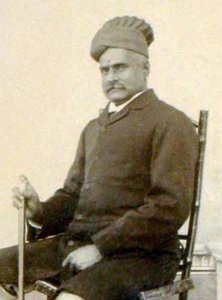
A Living Bridge Between East and West
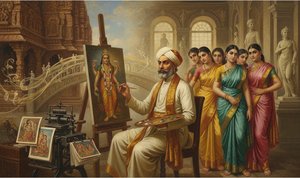
In the vibrant heart of Bangalore, where the rapid pulse of modern India intersects with the profound echoes of a majestic past, lies a sanctuary dedicated to one of the most transformative figures in the history of Indian art. The Raja Ravi Varma Heritage Foundation serves as far more than a mere repository for canvases; it is a living bridge connecting the classical traditions of the East with the burgeoning realism of the West. To step into the world curated by this foundation is to enter a realm where the divine and the earthly coalesce, mirroring the very brushstrokes of the legendary Raja himself. For the discerning collector or the lover of fine aesthetics, the foundation offers an intimate encounter with a visual language that redefined Indian identity during the late nineteenth century, offering a window into a period of immense cultural metamorphosis.
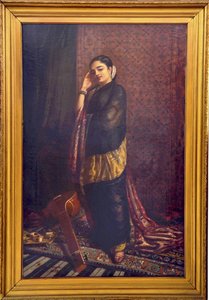
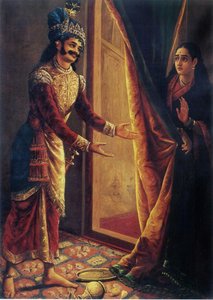
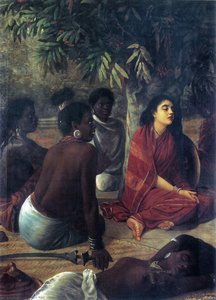
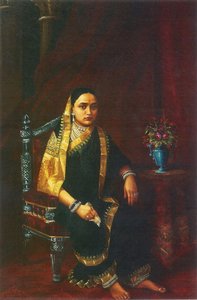
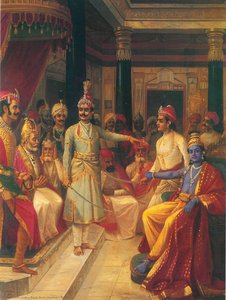
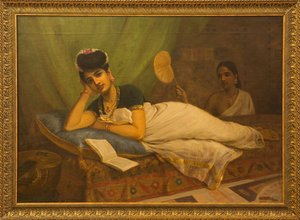
The collection highlights are nothing short of breathtaking, characterized by a profound mastery of light, shadow, and human emotion. The works housed within this heritage framework celebrate a seamless fusion of European academic realism with deeply rooted Indian mythological themes. One cannot help but be captivated by the way the textures of heavy silk, the shimmer of intricate gold ornaments, and the soft, luminous glow of skin are rendered with such startling precision that they seem to breathe upon the canvas. These paintings do not merely depict gods and goddesses in a distant, ethereal sense; rather, they humanize them, bringing the epic, sweeping tales of the Mahabharata and Ramayana into a tangible, relatable reality. For interior designers seeking to infuse a space with timeless elegance and cultural depth, the imagery found here provides an unparalleled source of inspiration, evoking a sense of regal nostalgia and sophisticated grace.
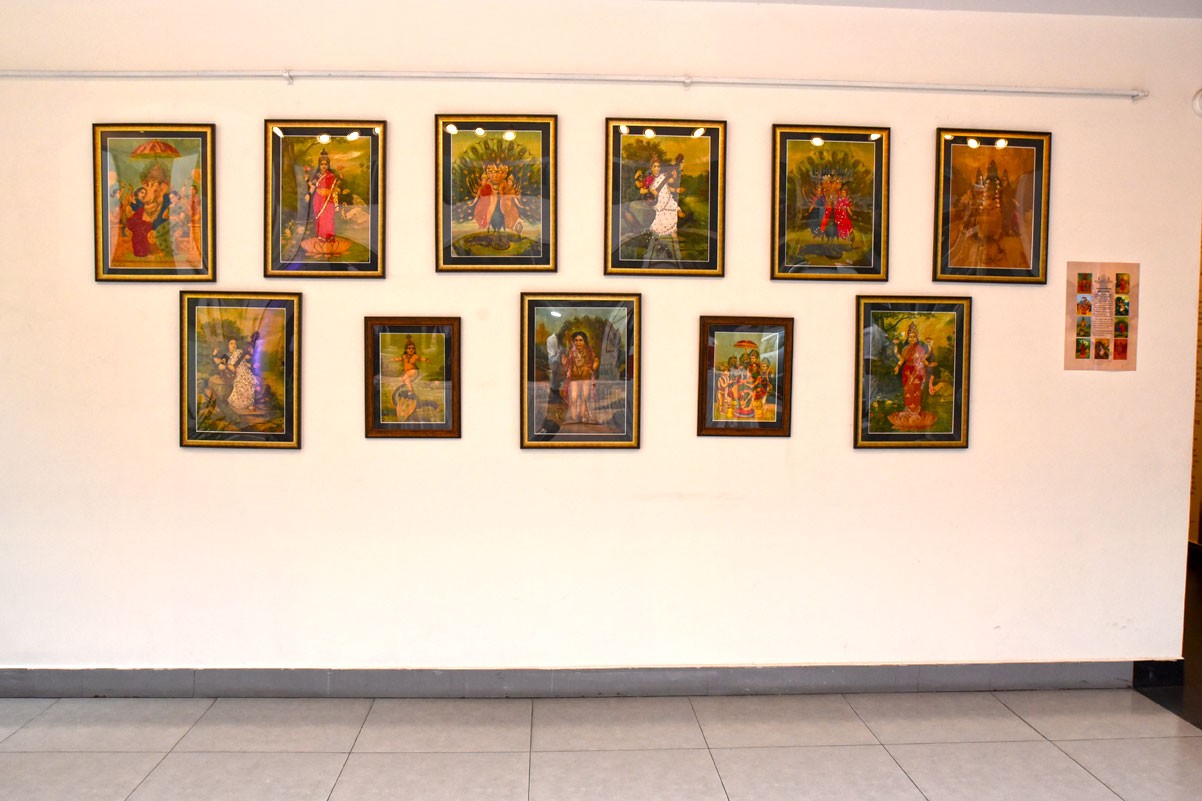
What makes this foundation truly unique is its unwavering commitment to both preservation and the democratization of art. While many institutions focus solely on the static display of artifacts, the Raja Ravi Varma Heritage Foundation breathes life into the legacy through scholarly pursuits and the promotion of the artist's multifaceted impact on Indian print culture. The foundation acts as a guardian of a visual revolution, ensuring that the techniques and stories that once flowed through lithographic presses are understood in their full historical context. It is a place where history is not merely studied but felt, making it an essential destination for those who seek to understand the very soul of Indian modernism.
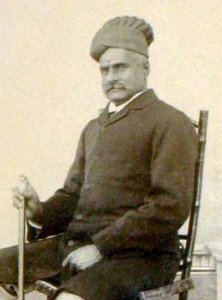
As visitors navigate the curated narratives presented by the foundation, they encounter a seamless blend of historical significance and aesthetic splendor. The exhibitions often delve into the nuances of the artist's life, exploring how his royal lineage and exposure to global art movements shaped his unique perspective. This dedication to storytelling ensures that every visitor leaves with a profound appreciation for the delicate balance between tradition and innovation. Whether one is an academic researcher, a passionate art enthusiast, or a connoisseur of fine decor, the foundation offers a transformative journey through a golden age of Indian creativity, where every frame tells a story of a nation finding its modern image.