 Send
Send Share
Share
 Details

 Download
 Similars
 Diaporama
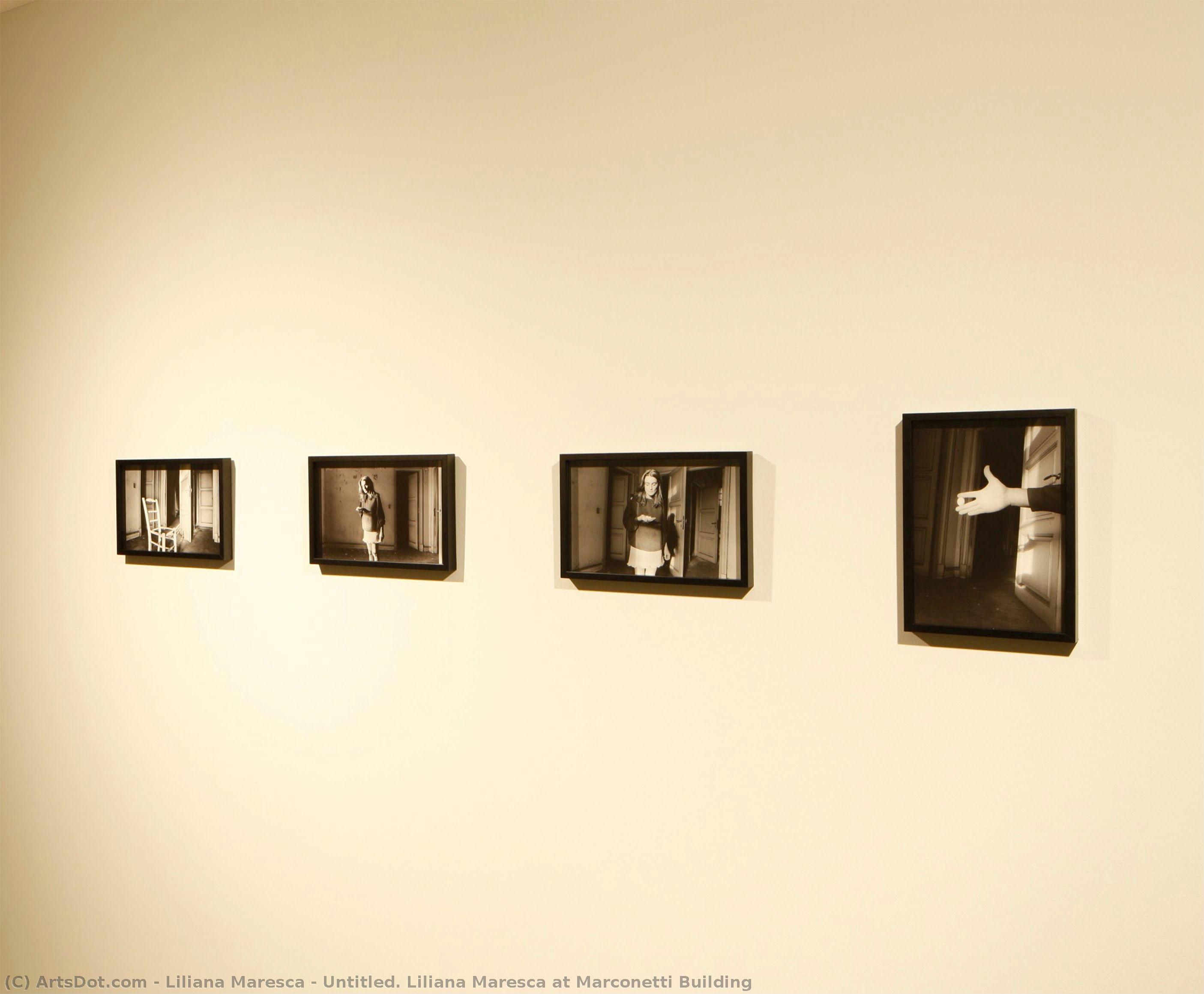
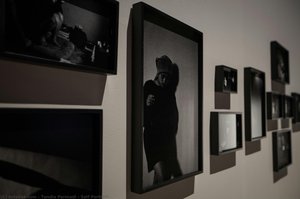
Untitled. Liliana Maresca at Marconetti Building
 Black and White Photography
- Photo
- Contemporary Art
 2016
2016- Contemporary
 22.0 x 33.0 cm
 15th Istanbul Biennial
 Read More
Giclée / Art Print
Museum-quality giclée or canvas print with fast production and flexible finish options. ( Buy Hand Made Painting Buy Image)




































Pick from our preset sizes that match the artwork's original proportions.

You may enter your own dimensions to fit a specific frame or space. If your selected size does not match the original image's proportions, we will either crop the artwork or extend the image with a mirrored or solid-fill edge. A digital mockup will be sent for your approval before production begins.
Please note that the on-screen preview does not reflect the actual cropping or extension. Only the mockup will accurately show the final composition.
While custom sizes are available, we recommend selecting a dimension from the predefined list to preserve the original proportions.
Worldwide Delivery () in 2 weeks instead of standard 4/5 weeks. (21 August)

Free Worldwide Express Shipping

High-Quality Linen Canvas

Full Shipping Insurance

Customs Tax Refund Guarantee

True Color Matching Guarantee

60-Day Return Policy (Defects Only)

100% Money-Back Guarantee

Bulk Discount Offer
 Glass option is only available in size under 110 CM

Untitled. Liliana Maresca at Marconetti Building
Giclée / Art Print
Reproduction Size
-


Total Price
$ 63
Collectible Description
Related Artworks

Artist Biography
Liliana Maresca: A Voice of the Post-Dictatorship Generation
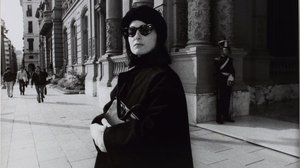
Liliana Maresca (1951 – 1994) remains a profoundly enigmatic and vital figure in Argentine art, particularly for her poignant exploration of the turbulent years following the end of the military dictatorship. Born in Avellaneda, Buenos Aires, she emerged from the vibrant bohemian scene of early democracy with an uncompromising artistic vision that blended sculpture, painting, performance, and installation into powerfully evocative works. Maresca’s career, tragically cut short by AIDS at the age of 43, nevertheless left behind a legacy of challenging conventions, confronting social issues, and offering a uniquely intimate perspective on Argentina's transition.
Maresca’s early artistic training encompassed diverse disciplines – ceramics, drawing, and sculpture – reflecting her desire to engage with various materials and techniques. She studied at the Escuela Nacional de Cerámica in Mexico, absorbing influences from masters like Renato Benedetti, Miguel Angel Bengochea, and Emilio Renart. This foundation informed her later practice, characterized by a willingness to utilize unconventional media—discarded objects, street refuse, even her own body—to create works that defied traditional artistic boundaries. Her early career was marked by a rebellious spirit, exemplified by exhibitions like “Lavarte” in a laundromat, a deliberate disruption of the art world’s established spaces and norms.
The Echoes of Trauma and Transformation
Maresca's work is inextricably linked to the aftermath of Argentina’s brutal military dictatorship (1976-1983). The period following its collapse was one of profound social and political upheaval, marked by economic instability, widespread poverty, and a lingering sense of trauma. Maresca responded to this context with an urgent need to address the nation's wounds, not through overt political statements, but through deeply personal and symbolic explorations. Her installations frequently referenced the discarded remnants of everyday life—shopping carts, umbrellas, abandoned furniture—transforming these symbols of marginalization into potent metaphors for social injustice and the fragility of human existence.
The 1985 installation “Una bufanda para la ciudad de Buenos Aires” (A scarf for the city of Buenos Aires) is a particularly striking example. Constructed from thousands of rags collected from the streets, the enormous scarf became a visual representation of collective suffering and resilience. Similarly, "Recolecta" (Collects), presented in 1990, used discarded shopping carts to critique the plight of the homeless population, transforming these symbols of consumerism into emblems of social vulnerability. These works weren’t didactic; instead, they invited viewers to confront uncomfortable truths through a visceral and emotionally resonant experience.
Performance, Photography, and the Body
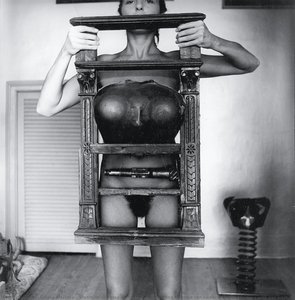
Beyond her sculptural installations, Maresca was also a prolific performer and photographer. Her 1984 photograph “Maresca se entrega a todo destino” (Maresca goes for anything), featuring herself nude in a white mask, is a complex and layered work that has been interpreted as a commentary on identity, race, gender, and the pervasive influence of media imagery. The mask obscures her face, creating an ambiguous figure that simultaneously embodies vulnerability and defiance. This image, along with other photographic performances, demonstrated Maresca’s willingness to push boundaries and challenge conventional notions of beauty and representation.
Her performance art often blurred the lines between artist and subject, utilizing her own body as a medium for exploring themes of mortality, sexuality, and social critique. These performances were frequently staged in public spaces, further amplifying their impact and inviting direct engagement with the audience.
A Retrospective Legacy
Liliana Maresca’s retrospective at the Centro Cultural Recoleta in 1994, titled “Frenesí” (Frenzied), tragically became her final public exhibition. Her untimely death from AIDS just days after its opening underscored the precariousness of her life and work. Despite this premature end, Maresca's artistic legacy continues to resonate within Argentine art history. Her innovative use of materials, her unflinching engagement with social issues, and her deeply personal approach to artistic expression have cemented her position as a key figure in the post-dictatorship generation—an artist who dared to confront the darkness while simultaneously seeking beauty and meaning in the fragments of a shattered nation.
Her work is now recognized for its powerful emotional honesty and its enduring relevance to contemporary social and political concerns. ArtsDot continues to offer high-quality reproductions of her evocative works, ensuring that her unique artistic vision remains accessible to a wider audience.
Liliana Maresca
1951 - 1994 , Argentina
Quick Facts
- Artistic Movement Or Style: Post-dictatorship art
- Artists Or Movements Influenced By This Artist:
- Neo-Dadaism
- Minimalism
- Artists Who Influenced This Artist:
- Renato Benedetti
- Emilio Renart
- Date Of Birth: May 8, 1951
- Date Of Death: November 13, 1994
- Full Name: Liliana Maresca
- Nationality: Argentine
- Notable Artworks:
- Untitled (Liliana Maresca with her work)
- Recolecta
- Liliana Maresca at Marconetti Building
- Frenesí
- Place Of Birth: Avellaneda, Argentina
Related Articles

Monochrome Visions: Exploring the Aesthetic & Historical Significance of Black & White Photography
Explore the rich history & artistic power of black and white photography. From early techniques to iconic masters like Ansel Adams, discover why monochrome continues to captivate art lovers today. Expert insights for collectors.

White on Canvas: 10 Masterpieces & Timeless Elegance for Your Home Decor
Explore 10 iconic white paintings by Monet, Whistler & Rothko! Discover the stories behind these serene masterpieces and their impact on art history. Find museum-quality reproductions for your home decor at .
Beyond the Lens: Photography's Enduring Influence on Modern & Contemporary Art
Explore photography's pivotal role in shaping modern & contemporary art. Discover key movements, influential artists like Stieglitz, and expert collecting advice from ArtsDot.

Dark Masterpieces: 10 Iconic Paintings Dominated by Black Tones |
Explore 10 iconic paintings dominated by black tones, from Rembrandt’s chiaroscuro to Goya's dark expressions. Discover the stories behind these masterpieces & find museum-quality art reproductions for your home at .

Pictorialism: A Search for Artistic Photography's Soul – Aesthetics, Techniques & Legacy
Explore the captivating world of Pictorialism – a pivotal movement that transformed photography into fine art. Discover key artists like Stieglitz & Käsebier, techniques, and collecting tips from experts.