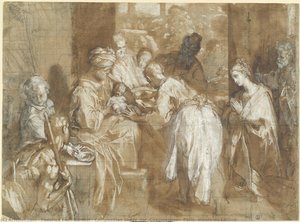
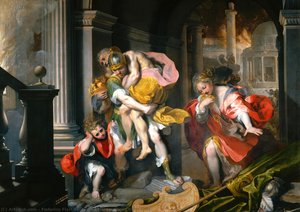
Federico Barocci's "Circumcision" (1590) is a captivating pastel study showcasing masterful detail and emotive spirituality, bridging Renaissance & Baroque art. Explore its rich history & artistic significance.
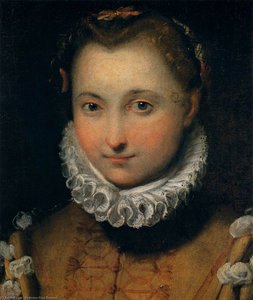
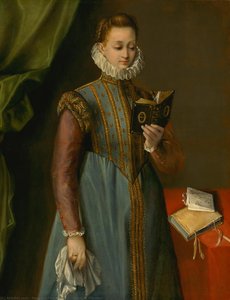
Admire 'Portrait of a Young Woman' by Federico Barocci (1535-1612), a captivating Renaissance masterpiece showcasing elegance and grace, influenced by Rubens & Zuccari.
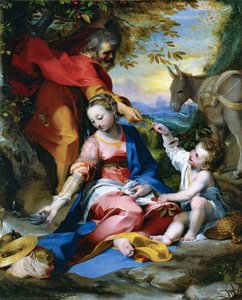
A tender scene of the Holy Family resting amidst animals by Federico Fiori Barocci captures the emotive transition from Renaissance to Baroque style, inviting you to bring this masterpiece into your collection.
This detailed study by Federico Fiori Barocci exemplifies Barocci’s innovative approach to art, blending classical tradition with Baroque dynamism. Created around 1609, it captures the essence of Christ’s presence through masterful composition and expressive brushstrokes.
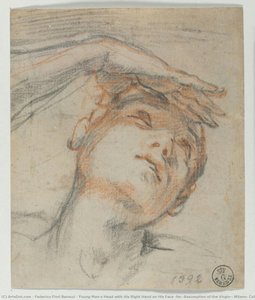
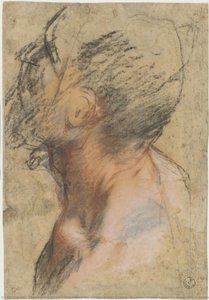
Witness the haunting 'Young Man’s Head' by Federico Barocci – a poignant study of introspection and melancholy from 1612, capturing the essence of Renaissance artistry.
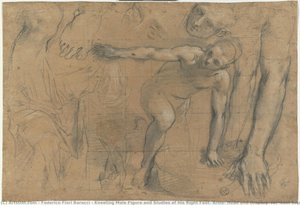
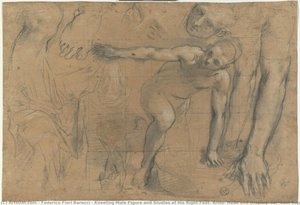
Witness the captivating 'Kneeling Male Figure' by Federico Barocci! This Renaissance masterpiece, part of the "Last Supper" altarpiece, showcases a dynamic pose and masterful drapery. Explore its rich details and artistic influence.
This painting depicts a kneeling male figure alongside detailed studies of his foot, arms, head, and drapery—a preparatory piece for Michelangelo’s “Last Supper.” Created by Federico Barocci in Urbino around 1593-94, it exemplifies Barocci's masterful use of pastel and reflects the influence of Mannerist aesthetics.
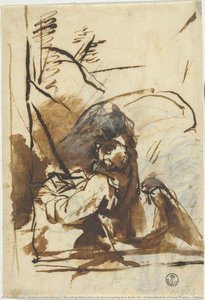
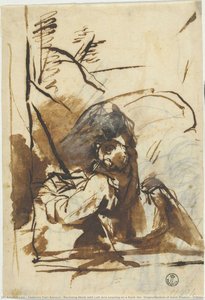
Admire 'Reclining Monk' by Federico Barocci! This captivating Renaissance masterpiece depicts a serene monk amidst nature, showcasing intricate detail and spiritual depth from 1595. Explore its history & artistry.
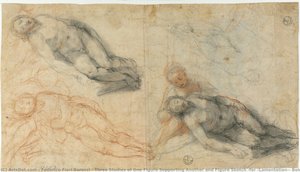
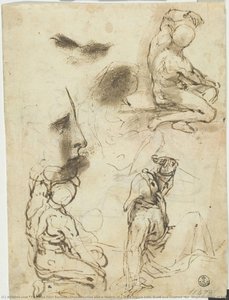
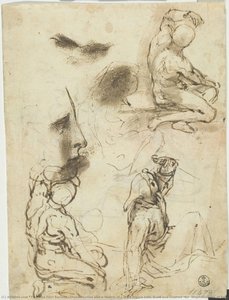
Discover Federico Barocci's 'Three Studies of One Figure...' – a captivating charcoal drawing showcasing human form and masterful technique. Explore the Baroque masterpiece from Palazzo d’Accursio, Bologna.
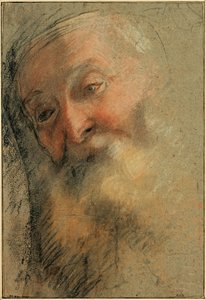
Federico Barocci’s ‘Head of an Old Bearded Man,’ a poignant 16th-century portrait capturing the transition from Renaissance to Baroque styles, features a serene yet contemplative subject. Explore this masterful work and bring its timeless beauty into your collection.
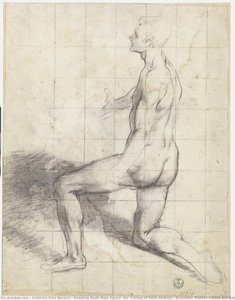
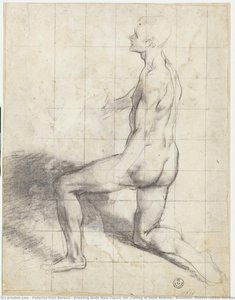
Witness the brilliance of Federico Barocci's 'Calling of Saint Andrew'! This captivating nude study showcases dynamic composition and masterful light, foreshadowing Baroque art. Explore a Renaissance masterpiece.
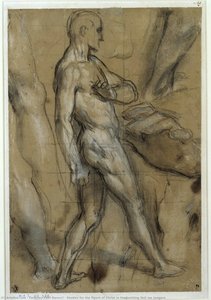
Witness the brilliance of Federico Barocci's 'Kneeling Nude Male Figure'! This Renaissance masterpiece captures grace & strength, showcasing his innovative style and masterful technique. Explore a timeless work of art.
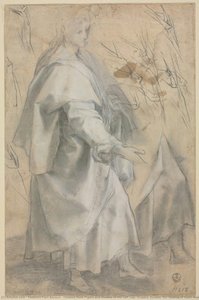
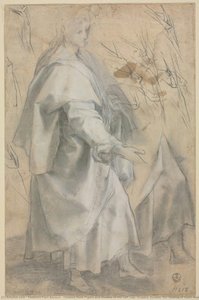
Federico Barocci's 'Cloaked Male Figure' (1583) is a captivating study of drapery and form, part of his preparatory work for "Calling of Saint Andrew." Explore the masterful detail & Baroque influence in this exquisite drawing.
Federico Barocci's 'Cloaked Male Figure' captures the pre-Baroque era with striking drapery studies and a mysterious male form. Explore this intimate drawing from 1583, a window into his artistic process.
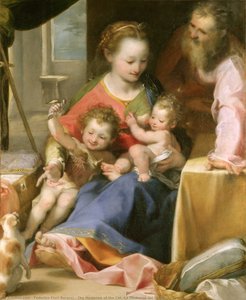
Admire Federico Barocci’s ‘Madonna of the Cat,’ a Baroque masterpiece blending religious symbolism & everyday life. Explore its rich details, chiaroscuro style, & captivating composition – perfect for art lovers.
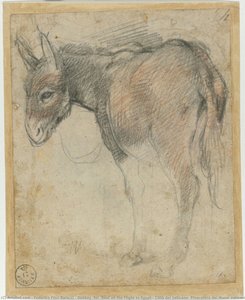
Baroque pencil sketch of a donkey by Federico Barocci (1573). Detailed study in hatching & cross-hatching, Renaissance realism. Explore this unique artwork!
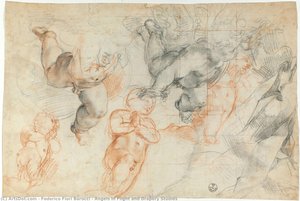
Federico Barocci's 'Three Studies' showcases dynamic figures & explores faith through intricate pencil drawings (1595). A Renaissance masterpiece reflecting human form and spiritual contemplation.
Federico Barocci’s ‘Man’s Head,’ a meticulously rendered graphite study from 1583, captures Renaissance precision with Baroque foreshadowing. Explore this preparatory drawing for Rubens’ ‘Calling of Saint Andrew’ and own a piece of art history.