 Preview
 Send
Send Share
Share
 Details

 Download
 Similars
 X-Ray
X-Ray Diaporama
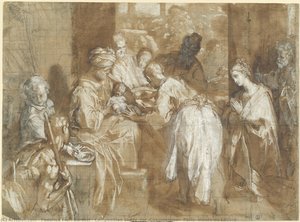
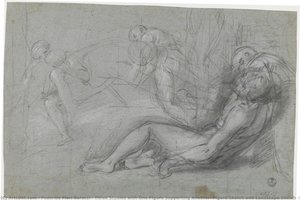
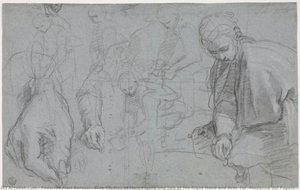
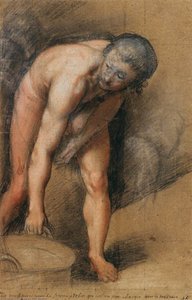
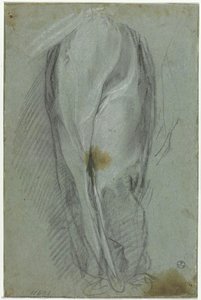
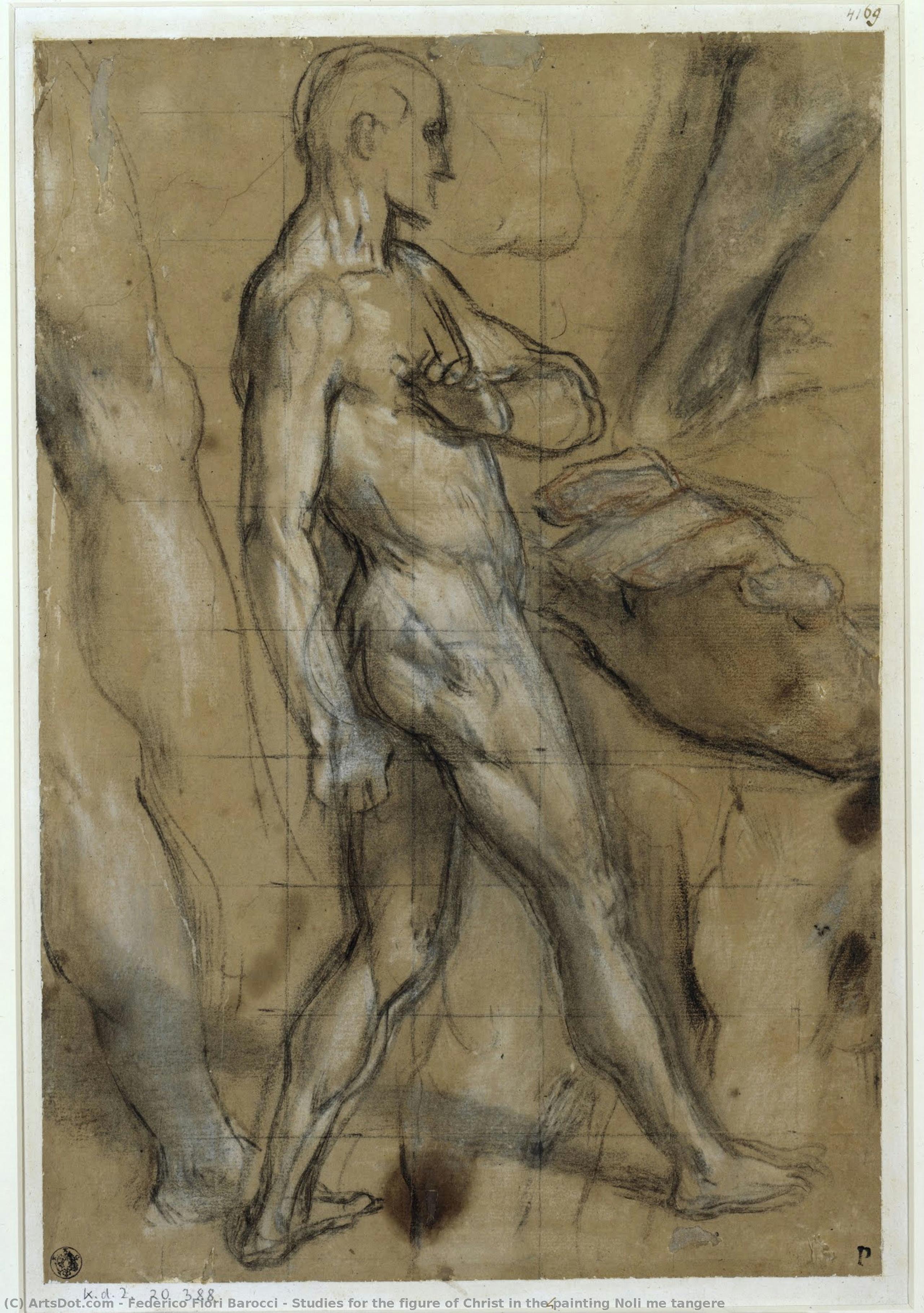
Studies for the figure of Christ in the painting Noli me tangere
 Acrylic On Canvas
- WallArt
- Baroque
 27.0 x 39.0 cm
 Kupferstichkabinett
 Read More
Hand Made Oil Reproduction
Hand-painted oil on canvas in your size and frame, made to order by our artists. ( Buy Print Buy Image)




P118B $10

P118H $10

P118W $10

P438Z $10

P508JH $12

P508YH $12

P805H $10

P805Z $10

P919BZ $10

P919G $10

P919XJ $10

P959ZH $10

P968JZ $12

W106C $8

W218G $10

W218JH $8

W218Y $10

W307PJ $10

W316G $10

W316PJ $8

W316Y $10

W398PJ $8

W4111J $10

W500HY $15

W500JH $15

W692G $12

W849H $8

W940BG $15

W953PJ $8




Pick from our preset sizes that match the artwork's original proportions.

You may enter your own dimensions to fit a specific frame or space. If your selected size does not match the original image's proportions, we will either crop the artwork or extend the painting with additional hand-painted elements. A digital mockup will be sent for your approval before production begins.
Please note that the on-screen preview does not reflect the actual cropping or extension. Only the mockup will accurately show the final composition.
While custom sizes are available, we recommend selecting a dimension from the predefined list to preserve the original proportions.
After order, ArtsDot.com team will email client for instructions and provide a mockup preview
Worldwide Delivery () in 3/4 weeks instead of standard 5 weeks. (16 August). No compromise on quality.

Free Worldwide Express Shipping

High-Quality Linen Canvas

Full Shipping Insurance

Customs Tax Refund Guarantee

True Color Matching Guarantee

60-Day Return Policy (Defects Only)

100% Money-Back Guarantee

Bulk Discount Offer
 Glass option is only available in size under 110 CM

Studies for the figure of Christ in the painting Noli me tangere
Reproduction Medium
Reproduction Size
-


Total Price
$ 263
Artwork Description
Federico Barocci: Bridging Renaissance & Baroque – A Master of Emotive Spirituality
Federico Fiori Barocci (1535–1612) stands as an unparalleled figure in the transition between Mannerism and Baroque art, embodying a profound synthesis of stylistic innovation and spiritual depth. Born in Urbino, Italy, he received his formative artistic training under his father Ambrogio Barocci, a sculptor of considerable renown, followed by apprenticeship with Battista Franco in Urbino – experiences that instilled within him a meticulous approach to observation and representation. His early career culminated in the prestigious studio of Taddeo and Federico Zuccari in Rome, exposing him to the influential currents shaping artistic sensibilities during his time. This exposure profoundly impacted Barocci’s oeuvre, establishing him as one of the foremost painters of his era.- Early Career & Influences: Barocci's initial commissions included “St. Margaret,” executed for the confraternity of the Holy Sacrament – a piece that foreshadowed the dramatic emotionalism characteristic of Baroque painting. His patronage by Pope Pius IV further cemented his position as Rome’s artistic vanguard, overseeing the opulent decoration of the Vatican Belvedere Palace alongside Zuccari and Domenichino.
- The Venetian Connection: Notably, Barocci spent time studying the works of Titian in Venice, absorbing the Venetian school's mastery of color and luminosity – techniques he would subsequently adapt to his own compositions.
A Synthesis of Mannerist Precision & Baroque Emotion
Barocci’s artistic style exemplifies a remarkable blending of Mannerist refinement with Baroque dynamism. Unlike the stylized figures and attenuated perspectives prevalent in Mannerism, Barocci's paintings pulsate with vibrant color palettes and expressive gestures. He skillfully employed chiaroscuro – dramatic contrasts between light and shadow – to heighten emotional impact and create an illusionistic depth that captivated audiences. This masterful technique was particularly evident in his monumental altarpieces commissioned for churches throughout Italy, where he achieved breathtaking visual grandeur.- Technique: Barocci’s meticulous drawing practice—characterized by obsessive attention to detail—served as the bedrock of his artistic process. He meticulously crafted manichini (wooden anatomical models) to ensure accurate musculature and posture, reflecting a commitment to scientific observation that was revolutionary for its time.
- Notable Works: His magnum opus, “The Visitation,” exemplifies this fusion of precision and emotion, showcasing the Virgin Mary and Elizabeth in an exquisitely rendered tableau imbued with palpable tenderness and spiritual contemplation. Similarly, “Presentation of the Virgin” demonstrates Barocci’s ability to convey profound emotional resonance through masterful composition and luminous color.
Symbolism & Spiritual Resonance
Barocci's paintings transcend mere visual representation; they communicate complex theological ideas and evoke powerful emotions rooted in Christian faith. Recurring motifs—such as the Virgin Mary, radiant with divine grace—symbolize purity, compassion, and maternal devotion. The dramatic lighting effects employed by Barocci underscore the spiritual significance of his subjects, illuminating their inner lives and conveying a sense of transcendence. His art speaks to the human condition, grappling with themes of faith, doubt, redemption, and divine love – enduring concerns that continue to resonate with viewers today.- Religious Themes: Barocci’s altarpieces consistently explore narratives from the Gospels, portraying biblical figures with unparalleled psychological realism and conveying a palpable sense of spiritual fervor.
- Emotional Impact: The artist's ability to elicit profound emotional responses—ranging from awe and reverence to sorrow and compassion—solidifies his legacy as one of the most emotionally compelling painters of the Baroque period.
Legacy & Influence
Federico Barocci’s artistic innovations profoundly influenced subsequent generations of artists, establishing him as a pivotal figure in shaping the Baroque aesthetic. His meticulous drawing practice served as an inspiration for Rubens and Caravaggio, demonstrating the enduring power of observation and anatomical accuracy. More broadly, Barocci's commitment to conveying spiritual emotion—coupled with his masterful technique—continues to inspire artists and captivate audiences worldwide. He remains a testament to the transformative potential of art – its capacity to illuminate the human spirit and elevate our understanding of faith and beauty.Related Artworks
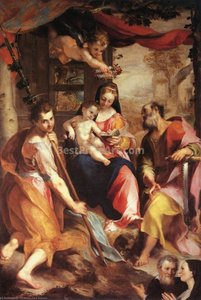
Artist Biography
Early Life and Training
- Born: Urbino, Italy (1535)
- Died: 1612
- Federico Fiori Barocci, an Italian Renaissance painter and printmaker, was born in 1535 in Urbino, Italy.
- His original name was Federico Fiori, and he was nicknamed "il Baroccio," which means a two-wheel cart drawn by oxen in northwestern Italian dialects.
- Barocci received his earliest apprenticeship with his father, Ambrogio Barocci, a sculptor of some local eminence.
- He was then apprenticed with the painter Battista Franco in Urbino. This training laid the foundation for his future success.
Artistic Career and Influences
- Barocci's work was highly esteemed and influential, foreshadowing the Baroque style of Peter Paul Rubens.
- He worked in the pre-eminent studio of Taddeo and Federico Zuccari in Rome, where he was exposed to various artistic influences.
- His first notable work was a "St. Margaret" executed for the confraternity of the Holy Sacrament.
- He was invited by Pope Pius IV to assist in the decoration of the Vatican Belvedere Palace at Rome, where he painted the Virgin Mary and infant, with several saints and a ceiling in fresco, representing the Annunciation.
- Barocci's style was characterized by a mix of Mannerism and Baroque elements.
Notable Works and Legacy
- Five Studies of Male Figure and two of His Right Hand and Arm (Uffizi Gallery, Florence, Italy) - A testament to Barocci’s skill in capturing the human form.
- Composition Study (for “Circumcision”, Paris, Musée du Louvre) – Demonstrates his ability to balance composition and emotion.
- Man’s Head (for “Calling of Saint Andrew”, Bruxelles, Musées Royaux des Beaux-Arts de Belgique) - Showcases Barocci's attention to detail and expression.
- The Nativity (1597 oil painting at the Prado).
- Madonna del Popolo (Uffizi Gallery, Florence, Italy).
- The Madonna of the Cat (La Madonna del Gatto)
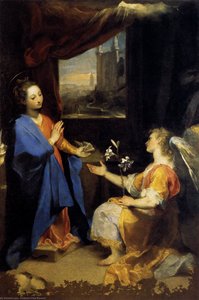
- Annunciation (1582)
Artistic Impact and Followers
- Barocci's influence can be seen in the work of various artists, including Peter Paul Rubens, who was inspired by Barocci’s dramatic and emotive brushwork.
- His legacy continues to be celebrated through his numerous works, now housed in museums such as the Uffizi Gallery (Florence, Italy) and the Musée du Louvre (Paris, France).
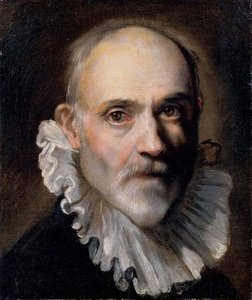
Federico Fiori Barocci
1535 - 1612 , Italy
Quick Facts
- Artistic Movement Or Style: Renaissance, Baroque
- Artists Or Movements Influenced By This Artist: ['Peter Paul Rubens']
- Artists Who Influenced This Artist: ['Battista Franco']
- Date Of Birth: 1535
- Date Of Death: 1612
- Full Name: Federico Fiori Barocci
- Nationality: Italian
- Notable Artworks:
- The Nativity
- Madonna del Popolo
- Annunciation
- Stigmatization of Saint Francis
- Rest on the Flight to Egypt
- Place Of Birth: Urbino, Italy
Related Articles

The Dramatic Flourish: Exploring the Baroque Movement's Enduring Legacy in Art History
Explore the dramatic world of Baroque art! Discover iconic artists like Caravaggio & Rubens, defining techniques, and its lasting impact on art history. Expert insights for collectors & enthusiasts at ArtsDot.
Federico Barocci: A Master of Emotive Spirituality & the Transition from Mannerism
Explore the captivating world of Federico Barocci, a pivotal figure bridging Mannerism & Baroque art. Discover his emotive spirituality, innovative techniques, and lasting influence on Italian Renaissance painting.

The Visceral Stage: Exploring Dramatic Narratives & Emotional Intensity in Baroque Art
Explore the dramatic world of Baroque art! Discover iconic masters like Caravaggio & Rembrandt, their techniques, and the movement's lasting impact. Expert insights for collectors & enthusiasts at ArtsDot.

Baroque Masterpieces: 10 Paintings That Defined an Era |
Journey through the drama & grandeur of Baroque art! Explore 10 masterpieces by Caravaggio, Rembrandt, Rubens & more. Discover stunning oil paintings, rich colors & timeless stories. Find museum-quality reproductions at .

Baroque Drama: Bringing Opulence & Emotion into Contemporary Interiors
Explore the opulent world of Baroque interior design! Discover key elements, modern applications & how to bring dramatic elegance into your home with 's authentic reproductions.