 Preview
 Send
Send Share
Share
 Details

 Download
 Similars
 X-Ray
X-Ray Diaporama
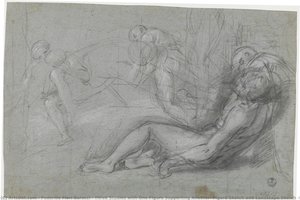
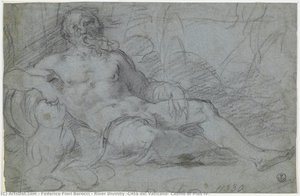
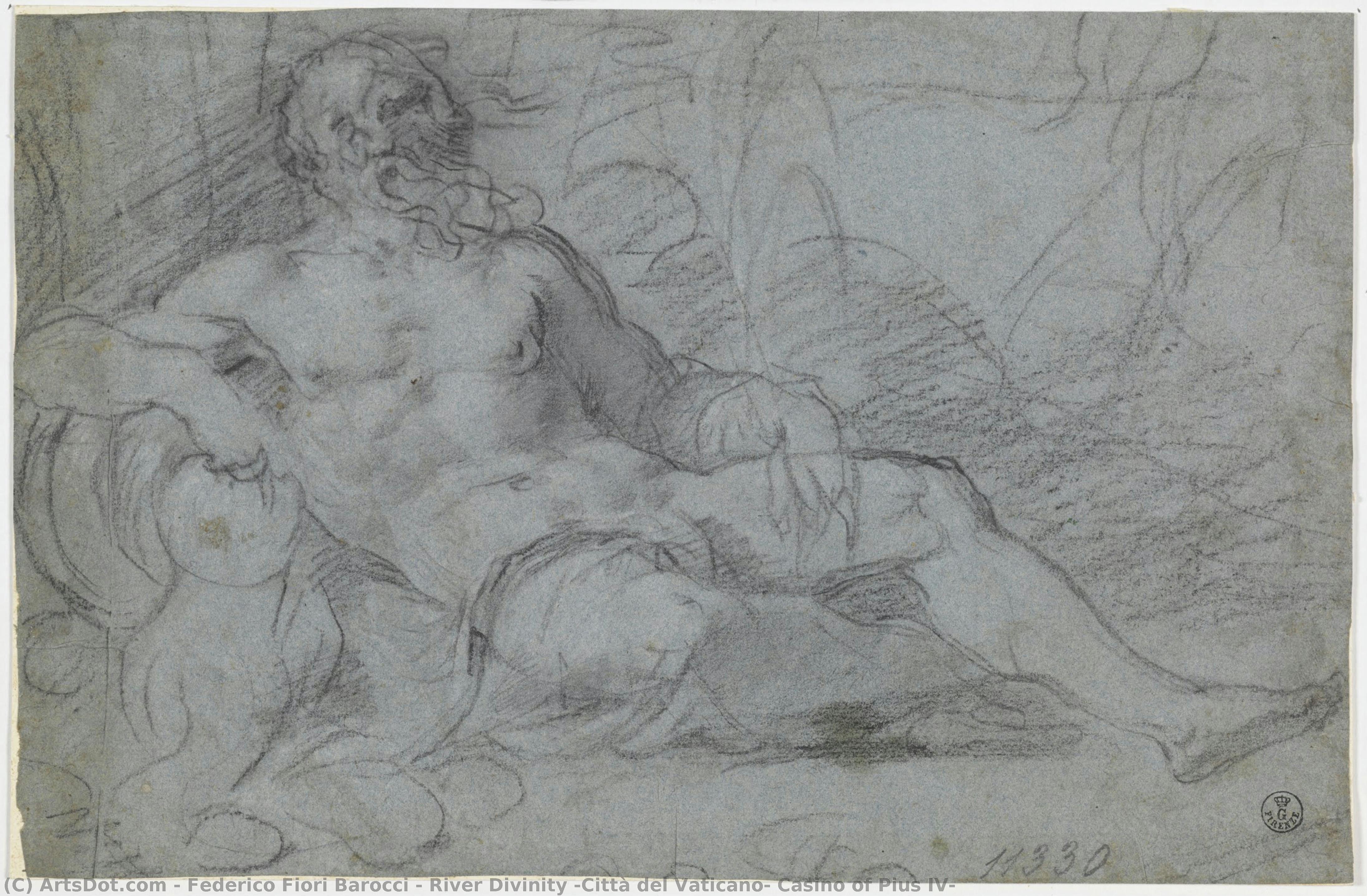
River Divinity (Città del Vaticano, Casino of Pius IV)
 Graphite
- WallArt
- Renaissance
 1563
1563- Renaissance
 17.0 x 27.0 cm
 Galleria degli Uffizi
 Read More
Hand Made Oil Reproduction
Hand-painted oil on canvas in your size and frame, made to order by our artists. ( Buy Print Buy Image)




P118B $10

P118H $10

P118W $10

P438Z $10

P508JH $12

P508YH $12

P805H $10

P805Z $10

P919BZ $10

P919G $10

P919XJ $10

P959ZH $10

P968JZ $12

W106C $8

W218G $10

W218JH $8

W218Y $10

W307PJ $10

W316G $10

W316PJ $8

W316Y $10

W398PJ $8

W4111J $10

W500HY $15

W500JH $15

W692G $12

W849H $8

W940BG $15

W953PJ $8




Pick from our preset sizes that match the artwork's original proportions.

You may enter your own dimensions to fit a specific frame or space. If your selected size does not match the original image's proportions, we will either crop the artwork or extend the painting with additional hand-painted elements. A digital mockup will be sent for your approval before production begins.
Please note that the on-screen preview does not reflect the actual cropping or extension. Only the mockup will accurately show the final composition.
While custom sizes are available, we recommend selecting a dimension from the predefined list to preserve the original proportions.
After order, ArtsDot.com team will email client for instructions and provide a mockup preview
Worldwide Delivery () in 3/4 weeks instead of standard 5 weeks. (30 August). No compromise on quality.

Free Worldwide Express Shipping

High-Quality Linen Canvas

Full Shipping Insurance

Customs Tax Refund Guarantee

True Color Matching Guarantee

60-Day Return Policy (Defects Only)

100% Money-Back Guarantee

Bulk Discount Offer
 Glass option is only available in size under 110 CM

River Divinity (Città del Vaticano, Casino of Pius IV)
Reproduction Medium
Reproduction Size
-


Total Price
$ 263
A Study in Somber Grace: Unveiling River Divinity
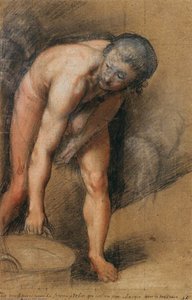
To gaze upon Federico Fiori Barocci's "River Divinity" is to step into a moment suspended between classical repose and profound vulnerability. This exquisite drawing, executed with the delicate precision of graphite on paper, immediately draws the viewer into its monochromatic embrace. It is not merely an image; it is a meditation rendered in shades of gray, black, and white—a visual whisper from the heart of the Renaissance spirit, yet imbued with a palpable emotional weight that transcends time. The composition centers around a reclining male figure, whose diagonal sprawl across the surface creates an immediate sense of dynamic flow, inviting the eye to wander through his languid form.
Mastery in Line and Tone: Technical Brilliance
The technical virtuosity displayed here is nothing short of breathtaking. Barocci employs a sophisticated vocabulary of line work that speaks volumes about his mastery. Observe how the artist utilizes hatching and cross-hatching not just to shade, but to build texture—the implied softness of skin against the suggestion of fur on the accompanying dogs, or the delicate structure of feathers from the bird perched nearby. The handling of light is masterful; it appears diffused, allowing soft gradations of tone to model the musculature beneath the surface. This careful interplay between bold contours and subtle blending gives the drawing an almost three-dimensional presence, making the viewer feel as if they could reach out and trace the artist's graphite strokes.
Symbolism and the Human Condition
The subject matter itself invites deep contemplation. Flanked by two dogs—symbols that can speak of unwavering loyalty or latent danger—and accompanied by a solitary bird, the scene is rich with allegorical resonance. The man’s open mouth and pensive posture suggest an internal dialogue, perhaps one tinged with distress or profound realization. In the context of Renaissance thought, such groupings often explored themes of mythology, human frailty, and the relationship between humanity and nature. It prompts us to question what it means to be observed, vulnerable, yet eternally connected to the wilder elements surrounding us.
Historical Echoes and Enduring Appeal
Created in 1563, this work stands as a testament to Barocci's pivotal role in art history. While rooted in the classical traditions of Urbino, it foreshadows the dramatic emotionalism that would define the Baroque era. For the modern collector or designer, owning a reproduction of "River Divinity" is acquiring more than just decoration; it is curating a piece of intellectual atmosphere. It brings an air of cultivated melancholy and scholarly depth to any space, suggesting a taste for art that rewards close looking and deep feeling.
Related Artworks
Artist Biography
Early Life and Training
- Born: Urbino, Italy (1535)
- Died: 1612
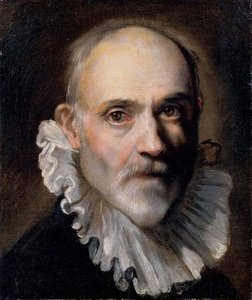
- Federico Fiori Barocci, an Italian Renaissance painter and printmaker, was born in 1535 in Urbino, Italy.
- His original name was Federico Fiori, and he was nicknamed "il Baroccio," which means a two-wheel cart drawn by oxen in northwestern Italian dialects.
- Barocci received his earliest apprenticeship with his father, Ambrogio Barocci, a sculptor of some local eminence.
- He was then apprenticed with the painter Battista Franco in Urbino. This training laid the foundation for his future success.
Artistic Career and Influences
- Barocci's work was highly esteemed and influential, foreshadowing the Baroque style of Peter Paul Rubens.
- He worked in the pre-eminent studio of Taddeo and Federico Zuccari in Rome, where he was exposed to various artistic influences.
- His first notable work was a "St. Margaret" executed for the confraternity of the Holy Sacrament.
- He was invited by Pope Pius IV to assist in the decoration of the Vatican Belvedere Palace at Rome, where he painted the Virgin Mary and infant, with several saints and a ceiling in fresco, representing the Annunciation.
- Barocci's style was characterized by a mix of Mannerism and Baroque elements.
Notable Works and Legacy
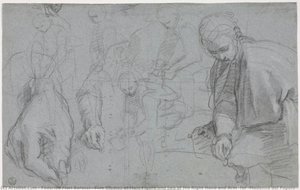
- Five Studies of Male Figure and two of His Right Hand and Arm (Uffizi Gallery, Florence, Italy) - A testament to Barocci’s skill in capturing the human form.
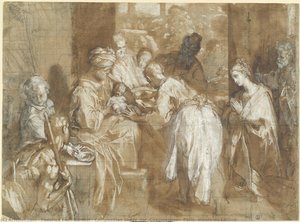
- Composition Study (for “Circumcision”, Paris, Musée du Louvre) – Demonstrates his ability to balance composition and emotion.
- Man’s Head (for “Calling of Saint Andrew”, Bruxelles, Musées Royaux des Beaux-Arts de Belgique) - Showcases Barocci's attention to detail and expression.
- The Nativity (1597 oil painting at the Prado).
- Madonna del Popolo (Uffizi Gallery, Florence, Italy).
- The Madonna of the Cat (La Madonna del Gatto)
- Annunciation (1582)
Artistic Impact and Followers
- Barocci's influence can be seen in the work of various artists, including Peter Paul Rubens, who was inspired by Barocci’s dramatic and emotive brushwork.
- His legacy continues to be celebrated through his numerous works, now housed in museums such as the Uffizi Gallery (Florence, Italy) and the Musée du Louvre (Paris, France).
Federico Fiori Barocci
1535 - 1612 , Italy
Quick Facts
- Artistic Movement Or Style: Renaissance, Baroque
- Artists Or Movements Influenced By This Artist: ['Peter Paul Rubens']
- Artists Who Influenced This Artist: ['Battista Franco']
- Date Of Birth: 1535
- Date Of Death: 1612
- Full Name: Federico Fiori Barocci
- Nationality: Italian
- Notable Artworks:
- The Nativity
- Madonna del Popolo
- Annunciation
- Stigmatization of Saint Francis
- Rest on the Flight to Egypt
- Place Of Birth: Urbino, Italy
Related Articles
Flowing Narratives: Rivers in Painting – A Historical Exploration
Explore the rich history of rivers in painting! Discover masterpieces from ancient times to Impressionism & beyond. Learn about symbolism, artists like Monet & Daubigny, and find your perfect serene artwork at ArtsDot.

Hudson River School: 10 Masterpieces That Capture America's Wild Beauty | ArtsDot
Journey through America's breathtaking landscapes with our guide to the Top 10 Hudson River School masterpieces. Explore Thomas Cole, Frederic Church & more! Find museum-quality art reproductions and elevate your home decor at ArtsDot.com.
Flowing Narratives: River Scenes in Painting Through History
Explore the rich history of river scenes in painting! From Renaissance masters to Impressionist visions, discover renowned artists & movements. Find your perfect serene escape with ArtsDot.

The Sublime Landscape: Exploring the Hudson River School Movement
Explore the captivating world of the Hudson River School! Discover the history, artists, and defining characteristics of this iconic American art movement. Learn about Romanticism's influence & find inspiration for your collection.
Embodied Divinity: Exploring Grace & Spiritual Representation in Western Art History
Explore the captivating history of divine grace in Western art! Discover masterpieces by Holbein, Raphael & Fra Angelico. Expert analysis for collectors and enthusiasts at ArtsDot.