Showing 11 artworks with Pompeo Batoni and with artwork date before 1765 and with artwork date after 1755

-
Pompeo Batoni
-
-1765
-
1755+
Not available for this selection
- Espresso
- Walnut
- Putty
- Phthalo Green
- Sap Green
- Gray
- Brown
- Rosy Brown
- Pompeo Batoni
- 18Th Century Art
- Fine Art Reproduction
- Elegant Composition
- Italian Painter
- Classical Influence
- Portrait Painting
- Cherubic Cupid
- Allegorical Portrait
- Decorative Painting
- Grand Tour Rome
- Diana Goddess Art
- Roman Antiquity
- Mythology Fine Art
- European Art History
- Wedding Scene
- Batoni Portrait Art
- Baroque Influence Piece
- Soft Diffused Light
- Neoclassical Style
- Rococo Style
- Red Clothing
- Luxury Decor
- Italian Baroque
- Decorative Art
- Neoclassical Precursor
- Marriage Cupid Psyche
- Vibrant Red Robe
- Neoclassicism
- Roman Goddess
- Diana And Cupid
- Romantic Painting
- Charles Crowle
- Mythological Scene
- Neoclassical Painting
- Baroque Style
- Baroque Art
- Love Symbolism
- Oil On Canvas Reproduction
- Porcelain Finish
- Classical Art
- Roman Portraiture
- Classical Mythology Print
- Renaissance Influence
- Young Man Portraiture
- Classical Landscape
- Roman Subject Wall Art
- Roman Interior
- Renaissance Revival
- Divine Union
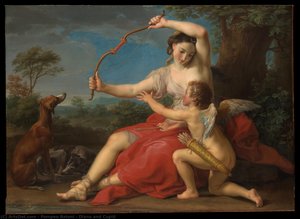
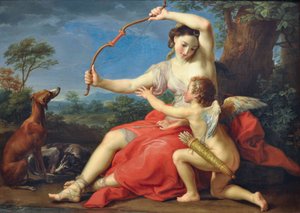
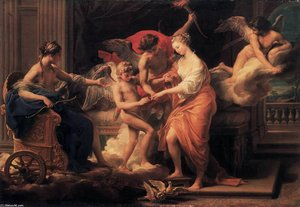
Experience Neoclassical elegance with Pompeo Batoni's Diana and Cupid, a serene 18th-century depiction of goddess and son; discover this timeless masterpiece today.
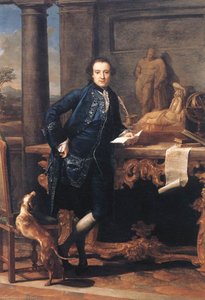
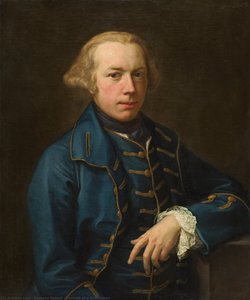
Batoni’s work is housed in museums like the Pinacoteca di Brera in Milan. Roberts commissioned this portrait during his travels to Rome.
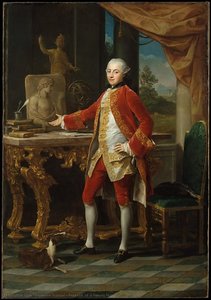
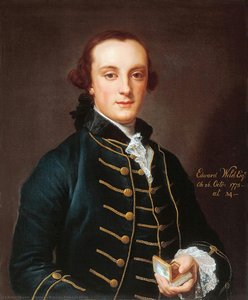
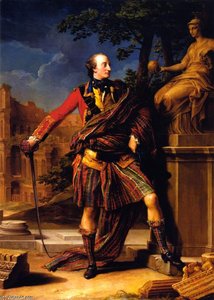
Admire Pompeo Batoni's masterful portrait of a young man adorned with symbols of erudition – Minerva, an armillary sphere, and Homer’s Odyssey – reflecting the grandeur of the Grand Tour era.
A serene Neoclassical masterpiece featuring the goddess Diana and Cupid by Pompeo Batoni, capturing 18th-century elegance through vibrant colors and classical myth, ready to bring timeless beauty to your collection.
Pompeo Girolamo Batoni (1708 – 1787) was an Italian painter renowned for his portraits and mythological paintings. Trained in Lucca, he honed his skills under influential masters before establishing himself in Rome during the Grand Tour era. Batoni’s distinctive style drew inspiration from Nicolas Poussin, Claude Lorrain, and Raphael, reflecting the artistic sensibilities of his time.