 Preview
 Send
Send Share
Share
 Details

 Download
 Similars
 X-Ray
X-Ray Diaporama
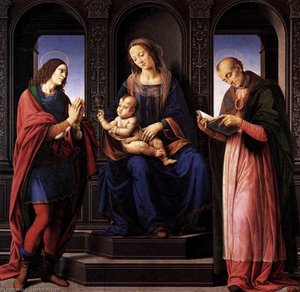
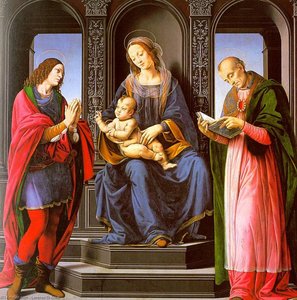
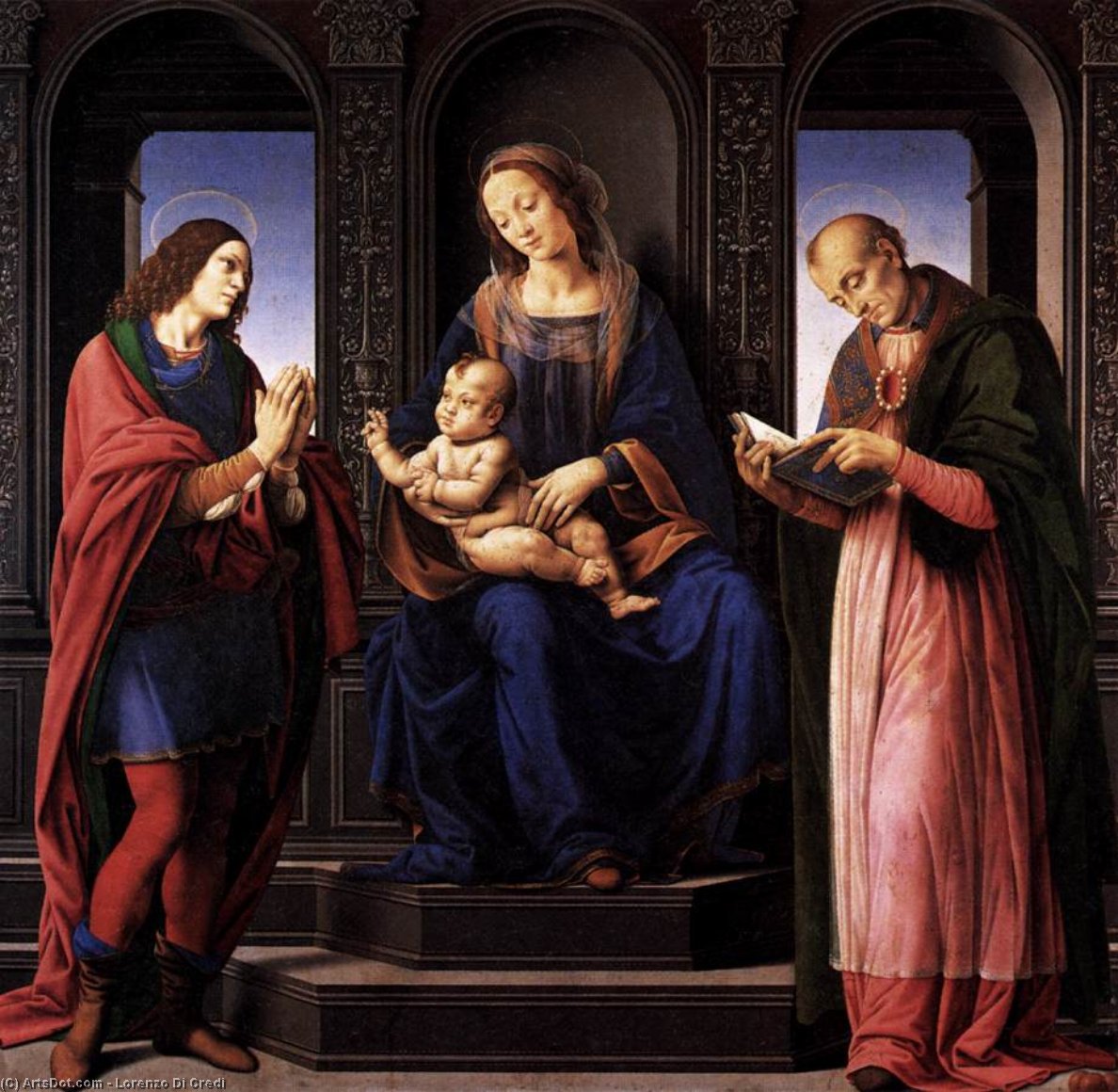
The Virgin and Child with St Julian and St Nicholas of Myra
 Oil On Canvas
- WallArt
- Renaissance Naturalism
 1490
1490- Renaissance
 163.0 x 164.0 cm
 The Louvre
 Read More
Hand Made Oil Reproduction
Hand-painted oil on canvas in your size and frame, made to order by our artists. ( Buy Print Buy Image)




P118B $10

P118H $10

P118W $10

P438Z $10

P508JH $12

P508YH $12

P805H $10

P805Z $10

P919BZ $10

P919G $10

P919XJ $10

P959ZH $10

P968JZ $12

W106C $8

W218G $10

W218JH $8

W218Y $10

W307PJ $10

W316G $10

W316PJ $8

W316Y $10

W398PJ $8

W4111J $10

W500HY $15

W500JH $15

W692G $12

W849H $8

W940BG $15

W953PJ $8




Pick from our preset sizes that match the artwork's original proportions.

You may enter your own dimensions to fit a specific frame or space. If your selected size does not match the original image's proportions, we will either crop the artwork or extend the painting with additional hand-painted elements. A digital mockup will be sent for your approval before production begins.
Please note that the on-screen preview does not reflect the actual cropping or extension. Only the mockup will accurately show the final composition.
While custom sizes are available, we recommend selecting a dimension from the predefined list to preserve the original proportions.
After order, ArtsDot.com team will email client for instructions and provide a mockup preview
Worldwide Delivery () in 3/4 weeks instead of standard 5 weeks. (16 August). No compromise on quality.

Free Worldwide Express Shipping

High-Quality Linen Canvas

Full Shipping Insurance

Customs Tax Refund Guarantee

True Color Matching Guarantee

60-Day Return Policy (Defects Only)

100% Money-Back Guarantee

Bulk Discount Offer
 Glass option is only available in size under 110 CM

The Virgin and Child with St Julian and St Nicholas of Myra
Reproduction Medium
Reproduction Size
-


Total Price
$ 263
Artwork Description
A Moment of Devotion: Cima da Conegliano's "The Virgin and Child with St Julian and St Nicholas of Myra"
This exquisite hand-painted reproduction captures the serene beauty and profound spirituality of Giovanni Battista Cima da Conegliano’s “The Virgin and Child with St Julian and St Nicholas of Myra,” a masterpiece created in 1490. Measuring 163 x 164 cm, this painting offers a deeply intimate portrayal of the Madonna and Child within a carefully constructed devotional scene. Cima, a pivotal figure bridging the late Quattrocento and early High Renaissance, was renowned for his ability to infuse religious subjects with an almost meditative quality – a characteristic vividly realized in this work.
Style and Technique: Venetian Tranquility
- Venetian School Influence: Cima’s style is firmly rooted in the Venetian school, characterized by its emphasis on luminous color, subtle modeling, and a restrained emotional intensity. Unlike the more dramatic compositions favored by some of his contemporaries, Cima sought to evoke a sense of quiet contemplation.
- Oil Painting Mastery: Executed with masterful skill in oil paint, the artwork demonstrates Cima’s meticulous attention to detail. The smooth gradations of color and the delicate rendering of fabrics – particularly Mary's robes – are hallmarks of his technique.
- Atmospheric Perspective: Noticeable is the use of atmospheric perspective, subtly blurring the background architecture to draw focus to the central figures and enhance the sense of depth within the composition.
Symbolism and Narrative
The painting’s narrative unfolds with a quiet dignity. The Virgin Mary, presented in the traditional pose of piety, cradles the infant Jesus, radiating an aura of maternal love and divine grace. The presence of St Julian and St Nicholas of Myra – both prominent saints associated with healing and protection – underscores the scene's protective and benevolent character. St Julian, depicted praying, embodies humility and devotion, while St Nicholas, standing beside him, represents guidance and spiritual authority. The architectural backdrop, likely a church or cathedral, reinforces the sacred nature of the event, suggesting a space dedicated to prayer and reverence.
Historical Context and Artistic Significance
Created in 1490, this painting reflects the artistic climate of Venice during the late 15th century. The city was a thriving center of art and commerce, attracting artists from across Italy and beyond. Cima’s work exemplifies the shift towards greater naturalism within Venetian painting, while retaining a distinctly spiritual focus. This piece is a testament to Cima's ability to create works that are both aesthetically pleasing and deeply meaningful, offering viewers a glimpse into the heart of Renaissance religious devotion.
Emotional Impact and Reproduction Value
“The Virgin and Child with St Julian and St Nicholas of Myra” possesses an enduring emotional resonance. The painting’s serene atmosphere and the palpable sense of faith invite contemplation and evoke a feeling of peace. This hand-painted reproduction faithfully captures the original's beauty and spiritual depth, making it an ideal addition to any home or office space. Its timeless subject matter and exquisite craftsmanship ensure that this artwork will continue to inspire and uplift for generations to come.
Related Artworks
Artist Biography
Giovanni Battista Cima da Conegliano: A Venetian Master of Tranquil Beauty
Giovanni Battista Cima, often simply known as Cima da Conegliano, was a pivotal figure in the late 15th and early 16th centuries Italian Renaissance. Born around 1459 in the small town of Conegliano, nestled within the Republic of Venice – a region renowned for its artistic dynamism – Cima’s life and career were inextricably linked to this vibrant cultural hub. While his origins might seem humble, his work quickly established him as one of Venice's most distinctive and influential painters, bridging the gap between the more formal styles of the early Renaissance and the burgeoning naturalism that would characterize the High Renaissance. His legacy lies not in grand, dramatic narratives, but rather in a profound sense of serenity, an almost meditative quality found within his meticulously rendered scenes of religious subjects and intimate domestic moments.Early Influences and Training
The precise details of Cima’s early artistic training remain shrouded in some mystery. Unlike many of his contemporaries who benefited from established workshops or direct tutelage under renowned masters, there's scant evidence to pinpoint a specific teacher. However, art historians generally agree that he was profoundly influenced by the work of Giovanni Bellini, Venice’s most celebrated painter of the preceding generation. Bellini’s emphasis on atmospheric perspective, his subtle use of color, and his ability to imbue even religious subjects with a sense of quiet contemplation clearly resonated deeply with Cima. Furthermore, there's compelling evidence suggesting a connection to Antonello da Messina, a pioneering artist who brought the innovations of Florentine Renaissance painting – particularly its emphasis on linear perspective and naturalistic detail – to Venice. Cima’s landscapes, often featuring distant mountains bathed in atmospheric haze, bear striking similarities to Antonello’s work, demonstrating a conscious effort to incorporate these techniques into his own style. The influence of Bartolomeo Montagna, another Venetian painter known for his realistic depictions of the countryside, is also evident in Cima's early works, particularly *Madonna of the Arbour*.Style and Technique: A World of Quiet Contemplation
Cima’s artistic style is immediately recognizable by its remarkable tranquility. Unlike many of his contemporaries who favored dramatic compositions and emotionally charged scenes, Cima consistently depicted religious subjects – primarily Madonnas with the Child, scenes from the life of Saint Jerome, and occasional mythological narratives – in a remarkably calm and understated manner. His figures are rendered with an almost sculptural quality, possessing a dignified stillness that invites quiet contemplation. He eschewed elaborate ornamentation and theatrical gestures, instead focusing on capturing subtle expressions of emotion and conveying a sense of inner peace. A key characteristic of Cima’s work is his masterful use of color. He favored a palette of muted earth tones – browns, ochres, and greens – creating a harmonious and understated visual effect. His application of paint was meticulous and precise, resulting in surfaces that possess an almost velvety smoothness. Crucially, Cima's landscapes are not mere decorative backgrounds; they play a vital role in establishing the mood and atmosphere of his paintings. He skillfully employed atmospheric perspective to create a sense of depth and distance, drawing the viewer into the scene and immersing them in its tranquil beauty. His compositions often feature distant mountains, rolling hills, and shimmering lakes, all rendered with remarkable detail and sensitivity.Notable Works and Production
Cima’s output was surprisingly modest compared to many of his Venetian contemporaries. He primarily produced small-scale paintings intended for private devotion – altarpieces, devotional panels, and individual portraits – rather than large-scale frescoes or monumental commissions. Among his most celebrated works are the *Madonna of the Arbour* (1489), now in the Museum of Vicenza; the *Adoration of the Shepherds* (1487) at Santa Chiara in Florence; and the *Baptism of Christ* for the Chiostro dello Scalzo in Venice. He repeatedly revisited popular subjects, such as the *Madonna and Child*, producing numerous variations on a single composition, each subtly different from the last. These repeated treatments demonstrate not only his technical skill but also his deep understanding of the subject matter and his ability to capture its essence with remarkable consistency.Legacy and Historical Significance
Cima da Conegliano’s contribution to Venetian painting is often underestimated, yet it's undeniably significant. He stands as a crucial link between the early Renaissance traditions of Bellini and the burgeoning naturalism of Titian. His emphasis on atmospheric perspective, his subtle use of color, and his ability to convey a sense of quiet contemplation paved the way for future generations of Venetian painters. While he never achieved the widespread fame or influence of his more celebrated contemporaries, Cima’s work continues to be admired for its beauty, serenity, and profound emotional depth. He represents a unique and enduring voice within the rich tapestry of Venetian art history – a testament to the power of understated elegance and the enduring appeal of quiet contemplation.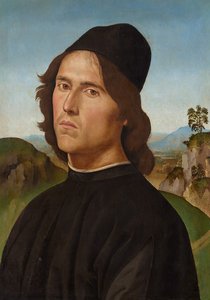
lorenzo di credi
1459 - 1537 , Italy
Quick Facts
- Artistic Movement Or Style: Venetian School
- Artists Or Movements Influenced By This Artist: ['Titian']
- Artists Who Influenced This Artist:
- Bartolomeo Montagna
- Giovanni Bellini
- Date Of Birth: c. 1459/60
- Date Of Death: c. 1517/18
- Full Name: Giovanni Battista Cima
- Nationality: Italian
- Notable Artworks:
- Madonna of the Arbour
- Saint Jerome in a Landscape
- Madonna and Child
- Place Of Birth: Conegliano, Italy
Related Articles

Fra Angelico's Masterpieces: 25 Renaissance Paintings for Your Home | ArtsDot
Explore 25 breathtaking masterpieces by Fra Angelico, a Renaissance master. Discover the stories behind his iconic frescoes, Annunciations & religious art. Find museum-quality reproductions and elevate your home decor with ArtsDot.com.
Lorenzo Lotto: Unveiling the Enigma of a Venetian Master's Portraits
Explore the captivating world of Lorenzo Lotto, a Venetian Renaissance master renowned for his psychologically insightful portraits & enigmatic symbolism. Discover his life, style, and rediscovered legacy with ArtsDot.

Giotto's Masterpieces: 25 Renaissance Artworks for Your Home | ArtsDot
Explore 25 breathtaking artworks by Giotto di Bondone, a Renaissance master. Discover the stories behind iconic frescoes & paintings like the Scrovegni Chapel cycle. Find museum-quality Giotto reproductions and elevate your home decor with ArtsDot.com.
El Greco's Masterpieces: Explore 25 Iconic Paintings & Spiritual Visions | ArtsDot
Journey through El Greco's 25 most iconic paintings! Explore the spiritual depth & dramatic beauty of this Spanish Renaissance master. Discover art history, techniques & find museum-quality reproductions for your home at ArtsDot.com.
Jacob Henricus Maris: A Master of Dutch Atmospheric Realism & the Intimate Landscape
Explore the captivating world of Jacob Henricus Maris, a leading figure of the Dutch Hague School. Discover his atmospheric landscapes, signature brushstrokes & lasting influence on 19th-century art. Learn more at ArtsDot.