 Preview
 Send
Send Share
Share
 Details

 Download
 Similars
 X-Ray
X-Ray Diaporama
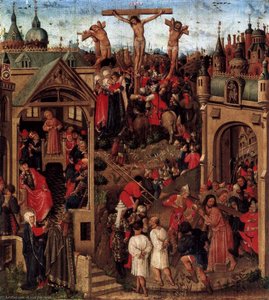
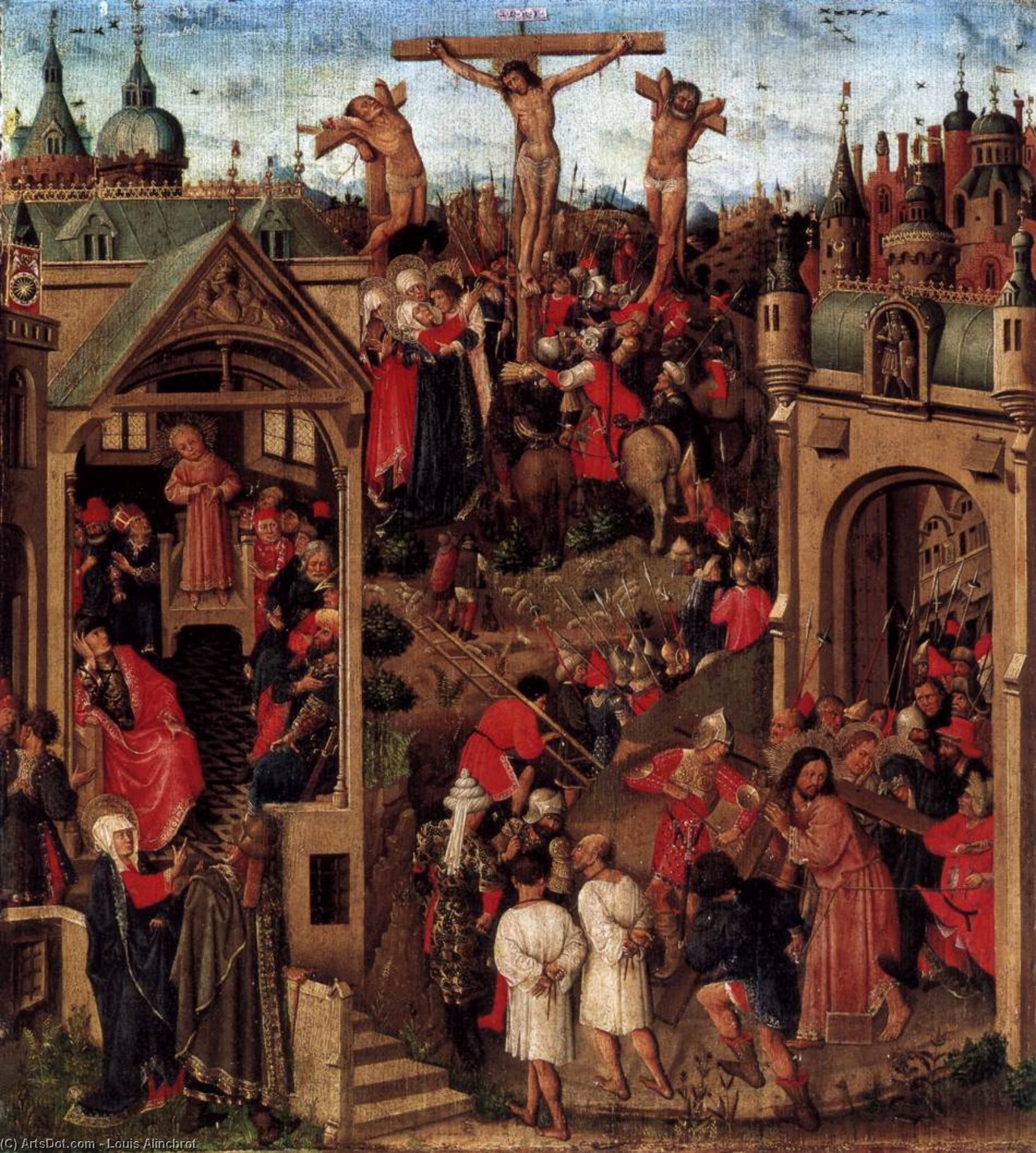
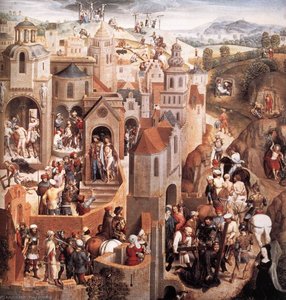
Scenes from the Life of Christ
 Oil On Canvas
- WallArt
- Early Renaissance
 1440
1440- Renaissance
 78.0 x 67.0 cm
 Museo del Prado
 Read More
Hand Made Oil Reproduction
Hand-painted oil on canvas in your size and frame, made to order by our artists. ( Buy Print Buy Image)




P118B $10

P118H $10

P118W $10

P438Z $10

P508JH $12

P508YH $12

P805H $10

P805Z $10

P919BZ $10

P919G $10

P919XJ $10

P959ZH $10

P968JZ $12

W106C $8

W218G $10

W218JH $8

W218Y $10

W307PJ $10

W316G $10

W316PJ $8

W316Y $10

W398PJ $8

W4111J $10

W500HY $15

W500JH $15

W692G $12

W849H $8

W940BG $15

W953PJ $8




Pick from our preset sizes that match the artwork's original proportions.

You may enter your own dimensions to fit a specific frame or space. If your selected size does not match the original image's proportions, we will either crop the artwork or extend the painting with additional hand-painted elements. A digital mockup will be sent for your approval before production begins.
Please note that the on-screen preview does not reflect the actual cropping or extension. Only the mockup will accurately show the final composition.
While custom sizes are available, we recommend selecting a dimension from the predefined list to preserve the original proportions.
After order, ArtsDot.com team will email client for instructions and provide a mockup preview
Worldwide Delivery () in 3/4 weeks instead of standard 5 weeks. (1 September). No compromise on quality.

Free Worldwide Express Shipping

High-Quality Linen Canvas

Full Shipping Insurance

Customs Tax Refund Guarantee

True Color Matching Guarantee

60-Day Return Policy (Defects Only)

100% Money-Back Guarantee

Bulk Discount Offer
 Glass option is only available in size under 110 CM

Scenes from the Life of Christ
Reproduction Medium
Reproduction Size
-


Total Price
$ 263
Related Artworks


Artist Biography
Louis Alincbrot: Bridging Faith and Artistic Vision in Bruges
Louis Alincbrot (c. 1405 – Bruges, Belgium, 1460) stands as a monumental figure within the burgeoning artistic landscape of fifteenth-century Flanders—a period defined by fervent religious devotion and an unprecedented flourishing of visual culture. Born into modest circumstances in Bruges, a city rapidly establishing itself as a commercial and cultural powerhouse, Alincbrot’s career coincided with the High Renaissance's nascent stirrings across Europe, marking him as a pivotal conduit between classical ideals and the burgeoning expressive power of the humanist movement. His artistic legacy resides primarily in his monumental biblical scenes—particularly those depicting episodes from Genesis and Exodus—which transcend mere illustration to embody profound theological contemplation and masterful technical execution.- Early Life & Training: Precise biographical details remain elusive, yet evidence suggests Alincbrot received training under Jan van Eyck and Rogier van der Weyden, the undisputed masters of Early Netherlandish painting. These formative influences instilled in him a meticulous attention to detail, an unwavering commitment to realism—particularly in rendering textures and drapery—and a profound understanding of perspective, techniques that would become hallmarks of his distinctive style.
- The Bruges Workshop: Alincbrot established a prolific workshop in Bruges, attracting numerous assistants and fostering a collaborative environment where innovative ideas could germinate. This collective effort resulted in a remarkable output of paintings spanning diverse subjects—religious iconography alongside portraits and decorative panels—demonstrating Alincbrot’s versatility as an artist and his ability to adapt to evolving artistic tastes.
- Notable Works: Among Alincbrot's most celebrated achievements are the monumental altarpiece commissioned for St John Baptist Church in Bruges, featuring a breathtaking depiction of the Annunciation—a masterpiece lauded for its luminous colors and exquisitely rendered drapery. Similarly impressive is his contribution to the Ghent Altarpiece, alongside Van Eyck and Dieric Boom, where Alincbrot’s panel portrays Moses leading the Israelites out of Egypt, showcasing unparalleled compositional complexity and dramatic dynamism.
- Influence & Legacy: Alincbrot's artistic innovations profoundly impacted subsequent generations of Flemish painters. His meticulous observation of nature—evident in his depictions of landscapes and foliage—influenced artists like Hugo van der Goes and Pieter Bruegel the Elder, shaping the stylistic trajectory of Northern Renaissance art. Furthermore, his masterful use of color and light established precedents for expressive painting that would resonate throughout European artistic history.
Religious Iconography & Biblical Narrative
Alincbrot’s artistic endeavors were fundamentally driven by a deep engagement with Christian theology. He approached biblical narratives not merely as historical recounts but as vehicles for conveying spiritual truths—a conviction reflected in the solemn grandeur and symbolic richness of his paintings. Unlike many contemporary artists who prioritized decorative splendor, Alincbrot prioritized conveying emotion and theological insight through precise visual representation. The Ghent Altarpiece exemplifies this commitment, presenting a complex interplay of figures and gestures designed to evoke contemplation on God’s providence and humanity's relationship with divine grace. His meticulous attention to detail—particularly in portraying facial expressions and drapery folds—served to heighten the emotional impact of his compositions.Technical Mastery & Artistic Innovation
Louis Alincbrot possessed an unparalleled command of artistic technique, mastering the principles of oil painting—a relatively new medium at the time—with exceptional skill. His canvases achieved remarkable luminosity thanks to innovative glazing techniques that allowed for subtle gradations of color and a captivating illusion of depth. Furthermore, Alincbrot’s pioneering use of perspective—particularly in depicting architectural interiors—established precedents for realistic representation that would become integral to Renaissance painting. The Bruges Altarpiece stands as testament to his technical prowess, demonstrating an astonishing level of realism and compositional sophistication.The Saint Louis Art Museum & Beyond
Today, reproductions of Alincbrot’s masterpieces can be admired at the Saint Louis Art Museum, offering visitors a tangible connection to the artistic fervor of fifteenth-century Flanders. His influence extends far beyond the confines of Bruges—inspiring artists across Europe and shaping the aesthetic sensibilities of subsequent eras. Exploring his work provides invaluable insight into the intellectual and spiritual currents that propelled the Renaissance—a period marked by an unwavering belief in human reason and an enduring fascination with classical ideals, beautifully realized through the transformative power of artistic vision.Further Exploration
For a deeper understanding of Louis Alincbrot’s life and art, consider delving into scholarly articles such as “Anne-Louis Girodet: Bridging Neoclassicism & Romanticism with Emotional Truth” and “Jacques-Louis David: Neoclassical Ideals & Revolutionary Witness,” available at ArtsDot. Explore the legacy of Morris Louis and explore his pioneering Color Field Painting techniques. Discover more about Flemish Art History at Saint Louis Art Museum.
louis alincbrot
1405 - 1460 , Belgium
Quick Facts
- Artistic Movement Or Style: Medieval Painting
- Date Of Birth: 1405
- Date Of Death: 1460
- Full Name: Louis Alincbrot
- Nationality: Belgian
- Notable Artworks: ['Saint Louis Art Museum Chapel Paintings']
- Place Of Birth: Bruges, Belgium
Related Articles

Oil on Canvas: A Historical & Technical Exploration of a Timeless Artistic Medium
Explore the rich history & enduring techniques of oil painting on canvas. Discover the science behind its longevity, conservation practices, and contemporary relevance. Expert insights for art enthusiasts.

The Enduring Legacy of Oil on Canvas: Technique, History & Aesthetic Impact
Explore the rich history & techniques of oil painting – from Renaissance masters to Impressionism. Discover pigments, layering methods, and why this timeless medium endures. Expert insights for artists & art enthusiasts.

The Enduring Power of Painting: A Historical & Contemporary Exploration of Form and Emotion
Explore the rich history & enduring techniques of oil painting with ArtsDot. Discover masterpieces, learn about art collecting, and find authentic handmade reproductions crafted by skilled artists.

The Enduring Legacy of Oil on Canvas: Technique, History & Contemporary Practice
Explore the rich history & enduring techniques of oil painting on canvas. Discover the science behind its longevity, conservation practices, and contemporary relevance. Expert insights for art enthusiasts.
The Enduring Legacy of Oil Paint: Technique, History & Emotional Resonance in Western Art
Explore the rich history & techniques of oil painting! Discover Renaissance masters, scientific principles behind color, and emotional resonance in art. Learn about glazing, layering, and atmospheric perspective – a guide for enthusiasts & collectors.