 Send
Send Share
Share
 Details

 Download
 Similars
 Diaporama
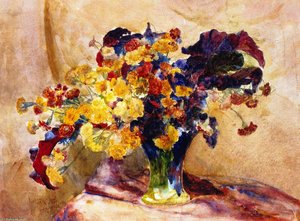
Vase


 Read More
Hand Made Oil Reproduction
Hand-painted oil on canvas in your size and frame, made to order by our artists. ( Buy Print Buy Image)




































Pick from our preset sizes that match the artwork's original proportions.

You may enter your own dimensions to fit a specific frame or space. If your selected size does not match the original image's proportions, we will either crop the artwork or extend the painting with additional hand-painted elements. A digital mockup will be sent for your approval before production begins.
Please note that the on-screen preview does not reflect the actual cropping or extension. Only the mockup will accurately show the final composition.
While custom sizes are available, we recommend selecting a dimension from the predefined list to preserve the original proportions.
After order, ArtsDot.com team will email client for instructions and provide a mockup preview
Worldwide Delivery () in 3/4 weeks instead of standard 5 weeks. (16 August). No compromise on quality.

Free Worldwide Express Shipping

High-Quality Linen Canvas

Full Shipping Insurance

Customs Tax Refund Guarantee

True Color Matching Guarantee

60-Day Return Policy (Defects Only)

100% Money-Back Guarantee

Bulk Discount Offer
 Glass option is only available in size under 110 CM

Vase
Reproduction Medium
Reproduction Size
-


Total Price
$ 263
Artwork Description
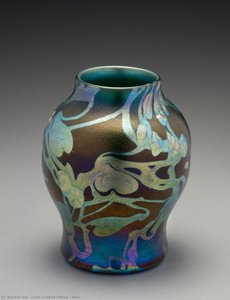
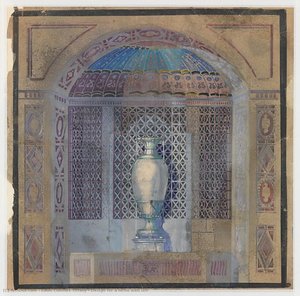
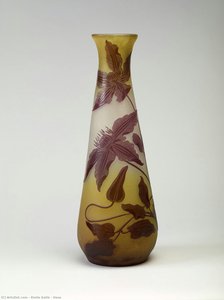
Tiffany’s Vase: A Symphony of Color and Organic Form
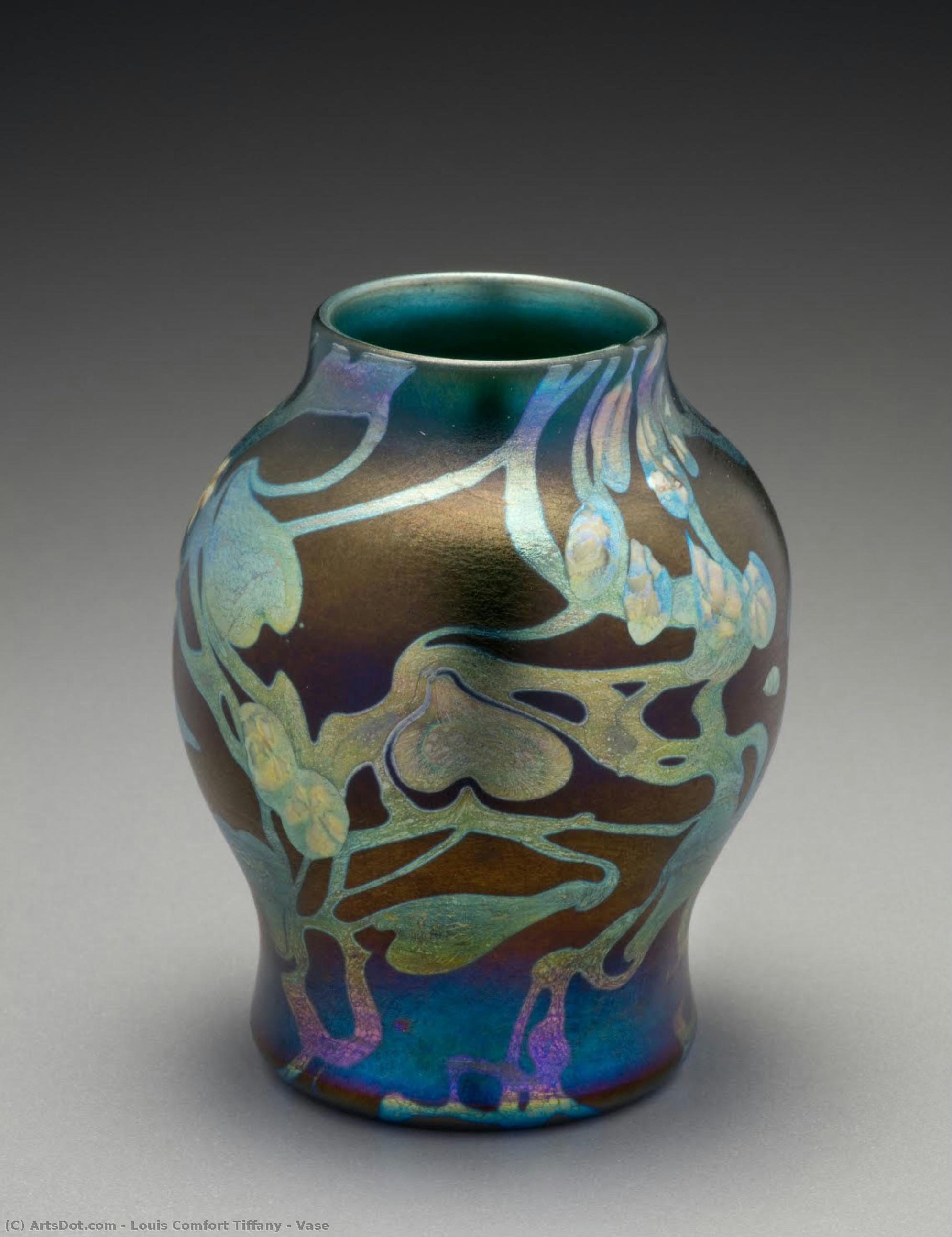
The Tiffany Glass & Decorating Company's vase embodies the zenith of Art Nouveau aesthetics—a movement that championed flowing lines, floral motifs, and iridescent hues as expressions of natural beauty. Created between 1893 and 1902 during Louis Comfort Tiffany’s reign at Stourbridge Glass Furnaces, this piece represents more than just a decorative object; it's a testament to innovation in glassmaking and a profound reflection of the era’s artistic sensibilities. The vase stands as an emblem of elegance and sophistication, destined for discerning collectors and interior designers alike.The Art Nouveau Spirit
Tiffany’s vision was firmly rooted in the principles of Art Nouveau—a reaction against industrialization and a fervent embrace of organic forms inspired by botanical illustrations and geological formations. Artists like Alphonse Mucha and Gustav Klimt sought to capture the essence of nature, prioritizing graceful curves and delicate ornamentation over geometric precision. Tiffany skillfully translated these ideals into glass, rejecting traditional techniques in favor of methods that allowed for unprecedented control over color and texture. The resulting vases are characterized by their bulbous shapes—a deliberate departure from Victorian sensibilities—and adorned with intricate patterns reminiscent of stylized foliage or blossoming flowers. These designs weren’t merely decorative; they were intended to evoke a sense of tranquility and wonder, mirroring the grandeur of the natural world.Favrile Glass: A Revolutionary Technique
Tiffany pioneered the Favrile glass process, developed in collaboration with Arthur J. Nash—a groundbreaking innovation that fundamentally altered the landscape of decorative arts. Unlike conventional glassmaking, which relied on reheating molten silica sand to create uniform bubbles, Favrile involved layering molten glass onto a mold and applying heat intermittently to achieve complex textures and iridescent effects. This meticulous method demanded exceptional skill and precision, resulting in vases that shimmer with captivating color shifts—a mesmerizing dance between light and pigment. The incorporation of gold leaf—applied by hand—further elevated the vase’s artistic merit, adding a luxurious sheen and emphasizing its sculptural qualities. Tiffany's artisans meticulously crafted each piece, ensuring flawless execution and capturing the ethereal beauty of their designs.Symbolism and Emotional Resonance
The swirling patterns and iridescent colors within the vase resonate with profound symbolic significance. They represent not only the splendor of botanical life but also a deeper yearning for harmony and balance—themes central to Art Nouveau’s philosophical undercurrents. Tiffany's vases invite contemplation, transporting viewers into realms of imagination and evoking feelings of serenity and enchantment. The delicate floral motifs celebrate femininity and renewal, mirroring the cyclical rhythms of nature. More than just visual delights, these vases are imbued with emotional depth—a reminder that art can transcend mere ornamentation to communicate universal truths about beauty and spirituality.A Legacy Enduring Beauty
Today, Tiffany’s vase remains a captivating exemplar of Art Nouveau craftsmanship and artistic vision. Its exquisite form, masterful technique, and evocative symbolism continue to inspire admiration among connoisseurs and designers alike. Reproductions of this iconic masterpiece capture the essence of its original splendor—a testament to Louis Comfort Tiffany's enduring legacy as one of America’s foremost decorative artists.Related Artworks
Artist Biography
A Life Illuminated: The Art of Louis Comfort Tiffany
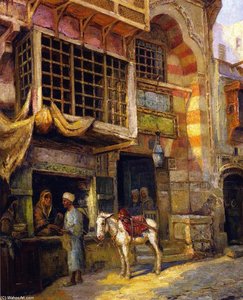
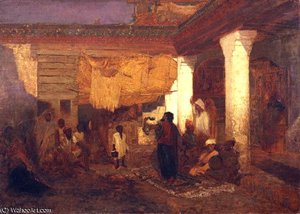
Born into a world of established luxury as the son of Charles Lewis Tiffany, founder of the renowned Tiffany & Co., Louis Comfort Tiffany (1848-1933) defied expectations by forging his own path not in commerce, but in the realm of art. While destined for privilege, young Louis harbored a deep passion for painting, initially studying under George Inness and Samuel Colman, absorbing the tenets of Romanticism and an appreciation for exotic landscapes – influences vividly apparent in early works like “Snake Charmer at Tangier, Africa.” This foundational training instilled within him not just technical skill, but a sensitivity to color, light, and atmosphere that would later define his revolutionary contributions to decorative arts. His artistic education continued with studies at the National Academy of Design and under Leon-Adolphe-Auguste Belly, further refining his skills before a pivotal shift in focus began to take shape around 1875.The Genesis of Innovation: From Painting to Glass
Tiffany’s trajectory took an unexpected turn as he became increasingly captivated by the possibilities of glassmaking. This wasn't merely a change in medium, but a complete reimagining of what glass *could* be. Dissatisfied with the prevailing standards of contemporary glass production, which he found lacking in artistic merit and originality, Tiffany embarked on a quest to elevate it to the level of fine art. A brief yet significant collaboration with Candace Wheeler, Samuel Colman, and Lockwood de Forest within “Louis Comfort Tiffany and Associated American Artists” (1879-1884) provided an early platform for experimentation and shared artistic vision. However, it was the establishment of his own glass factory in Corona, New York, that truly unleashed his creative potential. This wasn’t simply a manufacturing facility; it was a laboratory where he relentlessly pursued new techniques and effects. A landmark commission – the interior design work for Mark Twain's iconic house in Hartford, Connecticut (1881) – served as an early showcase of his burgeoning decorative arts skills, hinting at the opulent aesthetic that would soon become synonymous with his name.Revolutionizing Glass: Techniques and Aesthetic
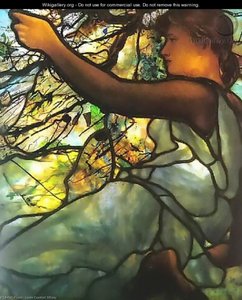
Tiffany’s legacy rests upon a series of groundbreaking innovations that fundamentally altered the landscape of glass art. Perhaps most significant was the development of the “copper foil” technique, a method of wrapping each piece of glass in copper foil before soldering them together. This ingenious approach allowed for intricate designs and unprecedented detail, surpassing the limitations of traditional lead came methods. But Tiffany didn’t stop there. He pioneered Favrile glass – a term derived from the Old English word *fabrile* meaning “hand-wrought” – characterized by its iridescent surface and vibrant, hand-blown quality. This wasn't mass production; each piece was unique, imbued with the artist’s touch. His exploration of opalescent glass further expanded his artistic palette, creating ethereal effects and a distinctive aesthetic that captured the imagination of the public. These innovations weren’t merely technical achievements; they were integral to his embrace of the Art Nouveau movement, characterized by flowing lines, organic motifs, and an unwavering emphasis on decorative beauty.A Lasting Legacy: Impact and Influence
Louis Comfort Tiffany stands as a towering figure in American art history, widely considered the most significant contributor to both the Art Nouveau and Aesthetic movements within the United States. His work transcended the boundaries of craft, elevating decorative arts to the status of fine art – a radical concept at the time. The impact of his innovations extended far beyond stained glass; they influenced interior design, jewelry making, ceramics, and countless other artistic disciplines. Today, Tiffany’s creations are celebrated in museums worldwide, including the New Orleans Museum of Art and the Bergstrom-Mahler Museum of Glass, serving as testaments to his enduring genius. His designs continue to inspire artists and designers, with reproductions and prints readily available, allowing a new generation to experience the beauty and innovation of his work. Tiffany didn’t just create objects; he crafted experiences, transforming spaces into immersive environments of color, light, and artistry. He left an indelible mark on the aesthetic landscape of the late 19th and early 20th centuries, a legacy that continues to illuminate our world today.Beyond Glass: A Multifaceted Artist
While celebrated for his glasswork, it’s crucial to remember Louis Comfort Tiffany was a remarkably versatile artist. He wasn't solely focused on stained-glass windows and lamps; he also excelled in mosaics, blown glass, ceramics, jewelry, enamels, and metalwork. His approach was holistic, believing that all elements of an interior should harmonize to create a unified aesthetic experience. This philosophy is evident in his numerous commissions for private residences and public spaces, where he meticulously designed every detail – from the furniture and textiles to the lighting and decorative accents. He even ventured into landscape design, applying his artistic sensibilities to outdoor environments. His commitment to total design—a concept ahead of its time—solidified his position as a true visionary, shaping not just individual objects but entire ways of living and experiencing beauty.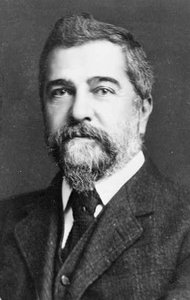
Louis Comfort Tiffany
1848 - 1933 , United States of America
Quick Facts
- Artistic Movement Or Style: Art Nouveau
- Artists Or Movements Influenced By This Artist:
- Art Nouveau
- Aesthetic Movement
- Artists Who Influenced This Artist:
- George Inness
- Samuel Colman
- Leon Belly
- Date Of Birth: February 18, 1848
- Date Of Death: January 17, 1933
- Full Name: Louis Comfort Tiffany
- Nationality: American
- Notable Artworks:
- Snake Charmer at Tangier
- Portiere
- Place Of Birth: New York, USA
Related Articles

Slate Blue Masterpieces: 10 Iconic Paintings & Timeless Home Decor Ideas
Immerse yourself in the captivating world of slate blue! Explore 10 iconic paintings by Monet, Van Gogh & Renoir. Discover their stories, techniques & find museum-quality art reproductions for your home at .

Serene Blue Backgrounds: Discover Soulful Art to Transform Your Space with Timeless Elegance
Transform your home with soulful blue art. From serene Monet impressions to modern textured sculptures, discover curated masterpieces designed to inspire calm. Explore expert art consultations and bespoke hand-painted reproductions to create your personal sanctuary.
The Allure of Azure: Exploring the Symbolic & Aesthetic Depths of Blue in Art History
Explore the rich history of blue in art! Discover its symbolism, from ancient pigments to modern masterpieces by Kandinsky & Seurat. Uncover the psychological impact and cultural meanings behind this captivating hue.
The Flowing Line & Flourishing Form: Exploring Art Nouveau's Aesthetic Legacy
Explore the captivating world of Art Nouveau! Discover its origins, key artists like Horta & Mucha, regional styles, innovative techniques, and lasting influence on architecture & design. A comprehensive guide for art enthusiasts.
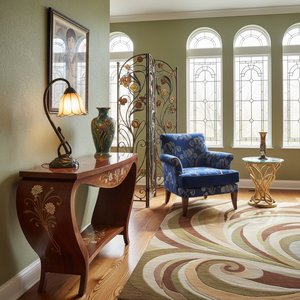
Art Nouveau's Golden Age: 10 Masterpieces for Your Home |
Journey into Art Nouveau's golden age! Explore 10 masterpieces by Klimt, Mucha & more. Discover captivating stories behind iconic paintings, floral motifs & flowing lines. Find museum-quality art reproductions for your home at .