 Preview
 Send
Send Share
Share
 Details

 Download
 Similars
 X-Ray
X-Ray Diaporama
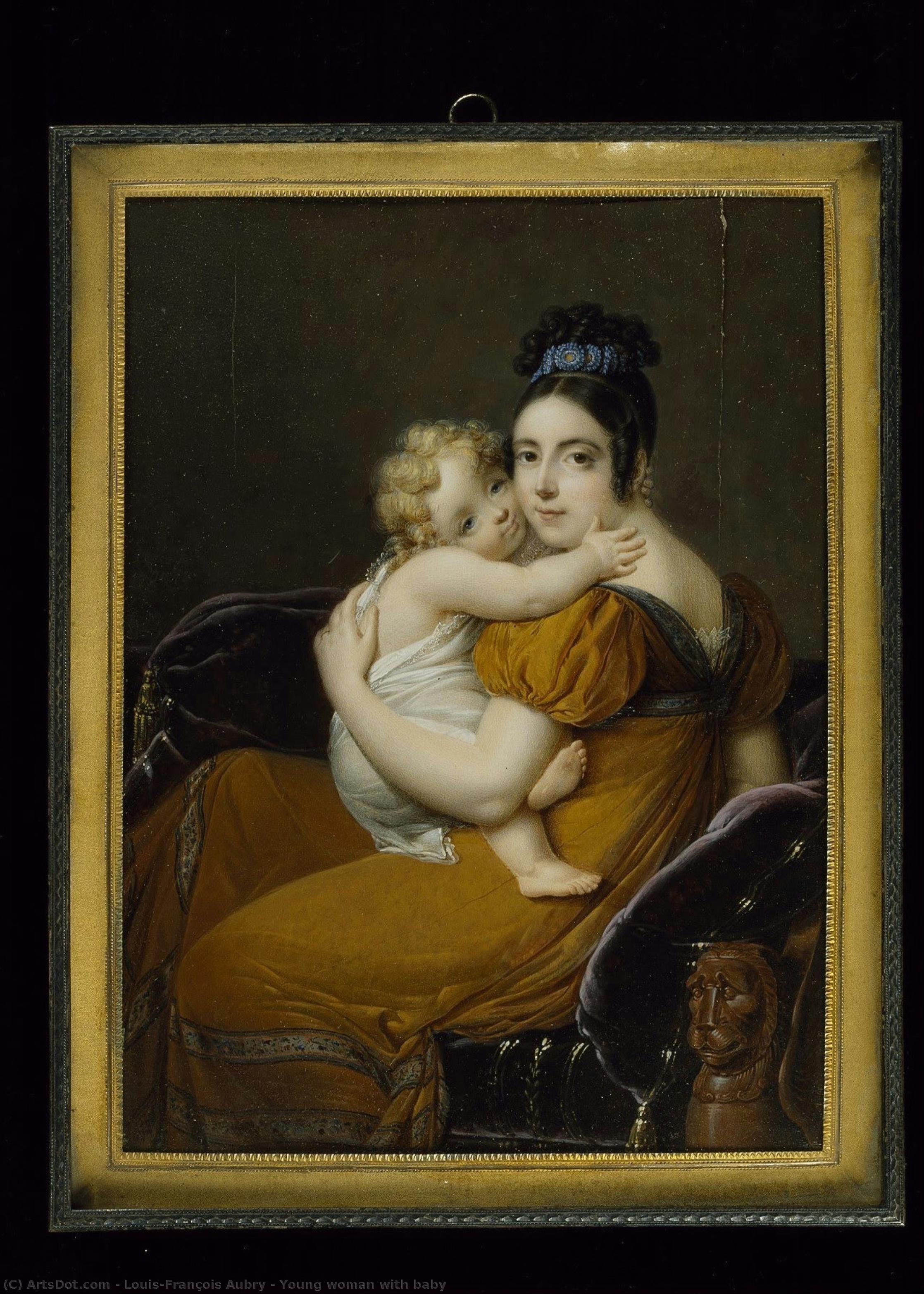
Young woman with baby
 Neoclassicism
 19th Century
 16.0 x 22.0 cm
 Palazzo Madama
 Read More
Hand Made Oil Reproduction
Hand-painted oil on canvas in your size and frame, made to order by our artists. ( Buy Print Buy Image)




P118B $10

P118H $10

P118W $10

P438Z $10

P508JH $12

P508YH $12

P805H $10

P805Z $10

P919BZ $10

P919G $10

P919XJ $10

P959ZH $10

P968JZ $12

W106C $8

W218G $10

W218JH $8

W218Y $10

W307PJ $10

W316G $10

W316PJ $8

W316Y $10

W398PJ $8

W4111J $10

W500HY $15

W500JH $15

W692G $12

W849H $8

W940BG $15

W953PJ $8




Pick from our preset sizes that match the artwork's original proportions.

You may enter your own dimensions to fit a specific frame or space. If your selected size does not match the original image's proportions, we will either crop the artwork or extend the painting with additional hand-painted elements. A digital mockup will be sent for your approval before production begins.
Please note that the on-screen preview does not reflect the actual cropping or extension. Only the mockup will accurately show the final composition.
While custom sizes are available, we recommend selecting a dimension from the predefined list to preserve the original proportions.
After order, ArtsDot.com team will email client for instructions and provide a mockup preview
Worldwide Delivery () in 3/4 weeks instead of standard 5 weeks. (27 August). No compromise on quality.

Free Worldwide Express Shipping

High-Quality Linen Canvas

Full Shipping Insurance

Customs Tax Refund Guarantee

True Color Matching Guarantee

60-Day Return Policy (Defects Only)

100% Money-Back Guarantee

Bulk Discount Offer
 Glass option is only available in size under 110 CM

Young woman with baby
Reproduction Medium
Reproduction Size
-


Total Price
$ 263
Related Artworks
Artist Biography
John Glover: The Painter of English Light
Born in Houghton-on-the-Hill, Leicestershire, in 1767, John Glover’s life and career unfolded across two distinct periods – a formative early years steeped in the traditions of British watercolour, followed by a remarkable transformation into one of the foremost landscape painters of his time. Initially trained as an art instructor, Glover’s talent quickly shone through, leading him to establish himself as a respected artist within London's vibrant art scene. However, it was his move to Van Diemen’s Land (present-day Tasmania) in 1830 that cemented his legacy, transforming him into “the father of Australian landscape painting,” a title he richly deserved.
Glover’s early artistic development reveals a deep appreciation for the classical tradition. He was heavily influenced by Claude Lorrain and other artists who championed the ‘picturesque,’ a style emphasizing natural beauty and atmospheric effects. This influence is evident in his meticulously rendered landscapes, characterized by carefully composed scenes of rolling hills, woodlands, and waterways – often imbued with a sense of romanticism and tranquility. His early works demonstrate a mastery of watercolour techniques, utilizing delicate washes and subtle gradations to capture the nuances of light and shadow. He was known for his ability to evoke a specific mood or atmosphere through color and composition, creating paintings that were both visually appealing and emotionally resonant.
The Transition to Colonial Australia
Glover’s decision to migrate to Van Diemen's Land in 1830 marked a pivotal moment in his artistic journey. He arrived during the early colonial period, a time of significant social and cultural change. Initially struggling to find work, he quickly adapted to the new environment, establishing himself as a respected artist amongst the burgeoning settler community. Unlike many of his contemporaries who focused on grand historical or mythological subjects, Glover embraced the unique landscape of Tasmania, producing a prolific body of work that captured its rugged beauty and dramatic light.
This shift wasn’t merely a change of scenery; it represented a fundamental evolution in Glover's artistic approach. He began to incorporate elements of the local Aboriginal culture into his paintings, depicting native flora and fauna alongside European settlers. His depictions of Tasmanian life – including scenes of pastoral farming, Indigenous gatherings, and interactions between Europeans and Aborigines – offered valuable insights into the complexities of colonial society. Notably, Glover’s work served as a visual record of a rapidly changing landscape and culture.
Technique and Style: “The English Claude”
Glover's distinctive style is often described as "English Claude," a testament to his profound admiration for the works of Claude Lorrain. Like Lorrain, Glover sought to capture the sublime beauty of nature through carefully composed landscapes bathed in atmospheric light. However, Glover’s approach was characterized by a greater emphasis on realism and detail, reflecting the changing artistic sensibilities of the early 19th century.
He employed loose, expressive brushstrokes – particularly in his later works – that created a sense of movement and immediacy. His use of color was equally notable, employing subtle gradations and vibrant hues to evoke the warmth of sunlight and the coolness of shadow. Glover’s compositions often featured dramatic diagonals, drawing the viewer's eye through the scene and creating a dynamic sense of space. He skillfully utilized atmospheric perspective – blurring distant elements to create a sense of depth – further enhancing the realism of his landscapes.
Legacy and Significance
John Glover’s contribution to Australian art is undeniable. He established a tradition of landscape painting that would inspire generations of artists, shaping the visual identity of the nation. His paintings offer a valuable record of Tasmania's early colonial history, capturing both its natural beauty and its social complexities. Furthermore, Glover’s artistic journey – from a classically trained watercolourist to a pioneering colonial painter – exemplifies the dynamic evolution of art in response to changing cultural contexts.
Today, Glover’s works are celebrated for their technical skill, atmospheric effects, and insightful portrayal of Australian life. He remains a pivotal figure in the history of Australian art, recognized as “the father of Australian landscape painting” – a title earned through his dedication, innovation, and profound appreciation for the beauty of the land.
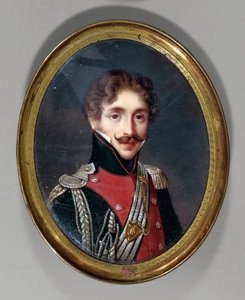
louis-françois aubry
1767 - 1851 , France
Quick Facts
- Artistic Movement Or Style: Claudean landscape
- Artists Or Movements Influenced By This Artist: ['Impressionists']
- Artists Who Influenced This Artist: ['Claude Lorrain']
- Date Of Birth: 18 February 1767
- Date Of Death: 9 December 1849
- Full Name: John Glover
- Nationality: British
- Notable Artworks:
- Mount Wellington...
- Natives on Ouse...
- A view of house...
- Place Of Birth: Houghton-on-the-Hill, Leicestershire
Related Articles

Crimson Threads of Narrative: Exploring Symbolism & Representation in Artworks Featuring the Red Dress
Explore the rich symbolism of the red dress in art history! From ancient power displays to iconic portraits like Cézanne’s 'Madame Cezanne', discover the cultural and artistic significance behind this captivating color. Expert analysis & insights.
Charles Le Brun: Master of French Baroque Classicism & His Enduring Legacy
Explore the life & art of Charles Le Brun, master of French Baroque Classicism. Discover his royal commissions, influence on Versailles, and enduring legacy through detailed analysis & stunning artworks.
Émile Munier: Capturing 19th-Century French Life with Tender Realism
Discover Émile Munier's tender depictions of 19th-century French life. Explore his Realist style, charming paintings of children & pets, and lasting artistic legacy. Expert insights at ArtsDot.
Simon Vouet: A Baroque Master's Journey from Italian Influence to French Classicism
Explore the life & art of Simon Vouet, a pivotal French Baroque painter who introduced Italian styles to France. Discover his masterpieces and lasting influence on 17th-century art.
Léon Augustin L'Hermitte: Capturing the Soul of French Rural Life
Discover the captivating realist paintings of Léon Augustin L'Hermitte, masterfully depicting French rural life. Explore his technique, influences & legacy – a cornerstone of 19th-century art.