Early Life and Artistic Foundations: A Picardy Beginning
 Wikipedia: Léon Lhermitte
Léon Augustin Lhermitte (French pronunciation: [leɔ̃ oɡystɛ̃ lɛʁmit]; 31 July 1844 – 28 July 1925) was a French naturalist painter and etcher whose primary subject matter was rural scenes depicting peasants at work. == Life and work == Lhermitte w...
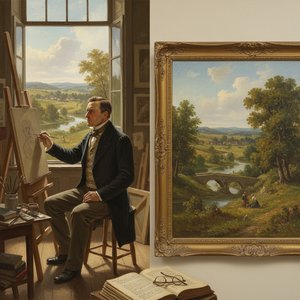
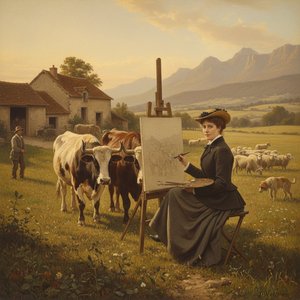
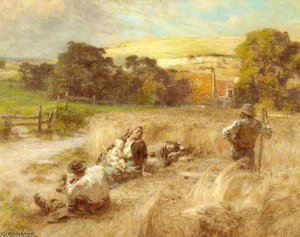
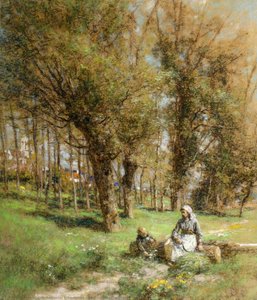
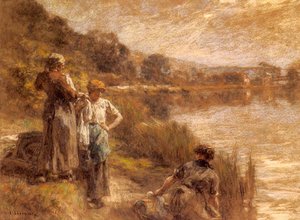
Léon Augustin Lhermitte’s artistic journey began not amidst the bustling studios of Paris, but in the tranquil countryside of Mont-Saint-Père, a small village nestled within the Picardy region of France. Born in 1844 to a modest yet cultivated family – his father was a schoolteacher who keenly recognized and nurtured his son’s innate talent for drawing – Lhermitte's early life was deeply intertwined with the rhythms of rural existence. This formative period would irrevocably shape his artistic vision, imbuing his work with an authenticity and sensitivity that resonated profoundly with audiences throughout the late 19th century. While many artists sought inspiration in classical mythology or historical grandeur, Lhermitte found his muse in the everyday lives of those around him: the farmers, laborers, and families who toiled the land. His father’s encouragement led him to Paris in 1863, where he enrolled in the Special School of Drawing and Mathematics – known as the “Petite École” – laying a crucial technical foundation under the guidance of Horace Lecoq de Boisbaudran before continuing his studies at the prestigious École des Beaux-Arts. However, it was the memory of Picardy, its landscapes and people, that remained the enduring core of his artistic identity.
The Painter of Harvesters: Realism and Rural Scenes
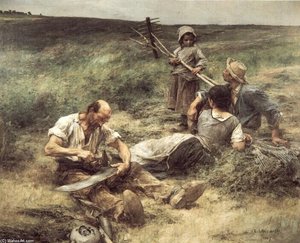 La Fenaison
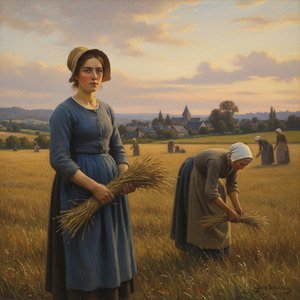
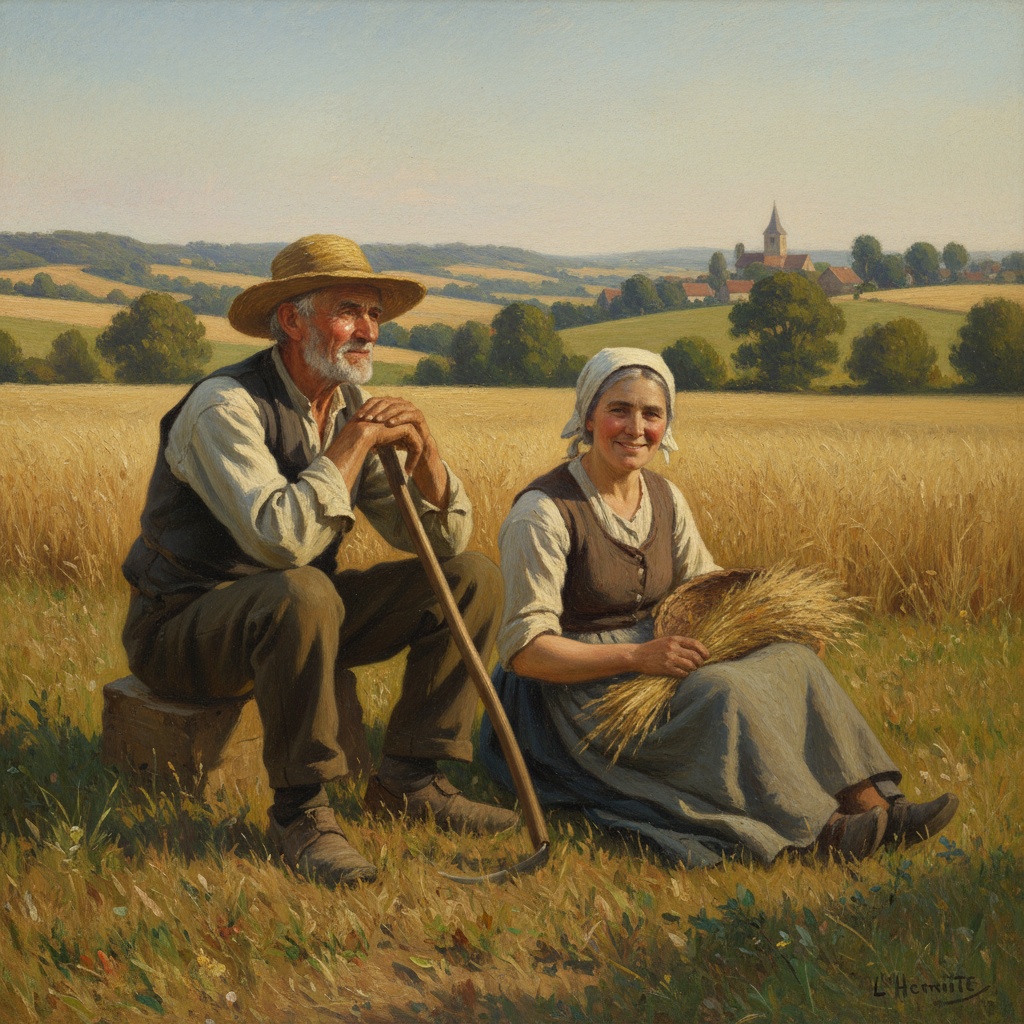
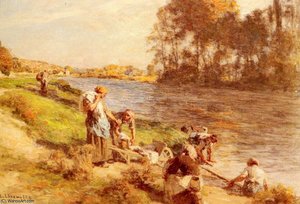
Lhermitte quickly became known as “the painter of harvesters,” a moniker earned through his unwavering dedication to depicting rural scenes with remarkable realism. This wasn’t merely an aesthetic choice; it was a deliberate engagement with the artistic currents of the time, particularly the rise of Naturalism following the social upheavals of 1848. Artists like Gustave Courbet were challenging academic conventions by portraying the mundane and often harsh realities of life, and Lhermitte joined this movement, albeit with a distinctively poetic sensibility. His paintings weren’t simply records of peasant labor; they were imbued with a quiet dignity and respect for the individuals he portrayed. La Fenaison, for example, captures the communal effort of haymaking, not as an idyllic pastoral scene, but as demanding physical work undertaken with stoicism and resilience. He eschewed romanticized depictions, instead focusing on the tangible details – the sweat-stained brows, calloused hands, and weathered faces that spoke volumes about a life lived close to the earth. This commitment to truthfulness resonated deeply with a public increasingly fascinated by the lives of those beyond the confines of urban society.
Lhermitte's Technique: Mastering Pastel, Etching, and Oil
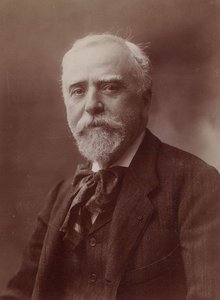 léon augustin l'hermitte
Explore Léon Augustin L'Hermitte's realist paintings of rural French life & peasant scenes. Discover his masterful pastels, etchings & influence on 19th-century art.
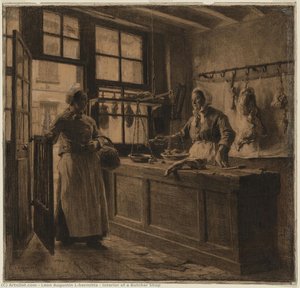
While celebrated for his oil paintings, Lhermitte was a remarkably versatile artist, proficient in pastel, etching, and charcoal. His mastery extended beyond a single medium, allowing him to explore different facets of his subjects and reach wider audiences. He wasn’t confined to the canvas; he earned a living through illustrations and printmaking, disseminating images of rural life through various channels. His skill with pastels allowed for a delicate rendering of light and atmosphere, capturing the subtle nuances of the French countryside. Etching, on the other hand, provided a means of conveying texture and detail with striking precision. However, it was in oil painting that Lhermitte truly excelled, developing a technique characterized by careful layering and a keen observation of color and form. He embraced what became known as “clear painting,” influenced by Impressionism but tempered by his own realist sensibilities – prioritizing clarity and objective representation over fleeting effects. This technical prowess allowed him to create works that were both visually compelling and emotionally resonant.
Beyond the Fields: Exploring Themes of Labor, Faith, and Family
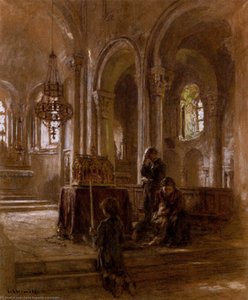 Pelerinage Pour L'Enfant Malade. Eglise De Plein-Pied, Bourges
Discover 'Pelerinage Pour L'Enfant Malade' by Léon Hermitte! A stunning Realist oil painting of a Bourges church ceremony. Explore this masterpiece & its rich details.
Though often associated with scenes of agricultural labor, Lhermitte’s work delves deeper than mere depictions of toil. His paintings frequently explore themes of faith, family, and the cyclical nature of life. Pelerinage Pour L'Enfant Malade. Église De Plein-Pied, Bourges, for instance, offers a poignant glimpse into the spiritual lives of rural communities, depicting a church ceremony undertaken in hope and devotion. The painting is not simply a record of religious practice; it’s an exploration of collective grief, shared faith, and the enduring power of community support. Similarly, The Baby’s Hour, painted in 1893, captures a tender moment within a family setting, revealing the quiet intimacy and emotional bonds that underpinned rural life. These works demonstrate Lhermitte's ability to move beyond surface observations, offering nuanced portrayals of human experience and the complexities of everyday existence. He wasn’t merely documenting a way of life; he was exploring universal themes of love, loss, and hope.
Van Gogh’s Admiration & Lhermitte’s Lasting Influence
Lhermitte's impact extended beyond his immediate contemporaries, garnering the admiration of artists like Vincent van Gogh. In numerous letters to his brother Theo, Van Gogh expressed profound respect for Lhermitte’s work, praising his ability to capture the essence of rural life with honesty and sensitivity. He famously described Lhermitte as “the Millet of black and white,” acknowledging his mastery of etching and printmaking while recognizing a shared commitment to portraying the lives of ordinary people. Van Gogh's enthusiasm speaks volumes about Lhermitte’s artistic merit, particularly given Van Gogh’s own struggles to find his voice and connect with audiences. Lhermitte’s influence can be seen in the broader development of realist art, inspiring generations of artists to look beyond idealized representations and embrace the complexities of everyday life. His dedication to capturing the dignity and resilience of rural communities continues to resonate today, reminding us of the enduring power of human connection and the beauty found within simplicity.
Collecting Lhermitte Today: A Legacy of French Pastoral Art
Today, Léon Augustin Lhermitte’s paintings are highly sought after by collectors and museums alike. His works offer a unique window into 19th-century France, providing invaluable insights into the lives and experiences of those who toiled the land. From his masterful oil paintings to his delicate pastels and striking etchings, Lhermitte's oeuvre represents a significant contribution to the history of realist art. ArtsDot.com offers a curated selection of reproductions allowing you to bring the beauty and authenticity of Lhermitte’s work into your own home. Whether you are drawn to his depictions of haymaking, family life, or religious devotion, Lhermitte's paintings offer a timeless glimpse into a world that continues to captivate and inspire. Investing in a Lhermitte reproduction is not merely acquiring an artwork; it’s embracing a legacy of French pastoral art and celebrating the enduring power of human connection.