 Preview
 Send
Send Share
Share
 Details

 Download
 Similars
 X-Ray
X-Ray Diaporama
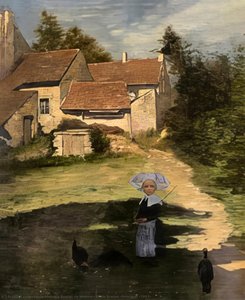
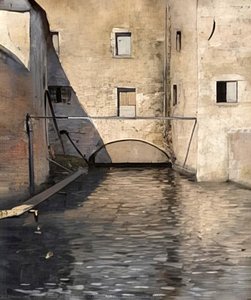
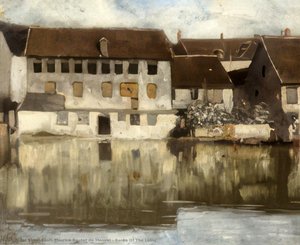
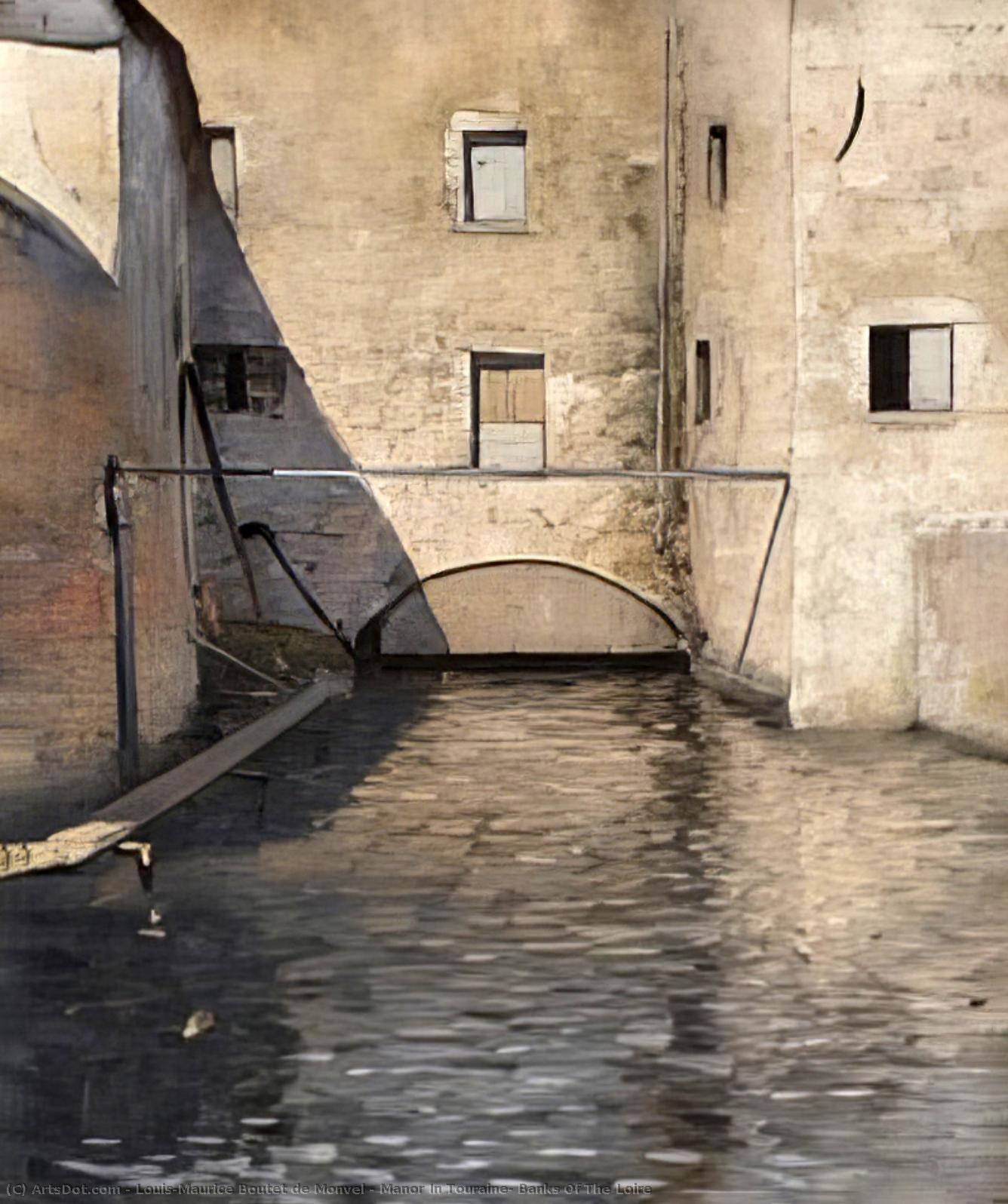
Manor In Touraine; Banks Of The Loire

 Read More
Giclée / Art Print
Museum-quality giclée or canvas print with fast production and flexible finish options. ( Buy Hand Made Painting Buy Image)




































Pick from our preset sizes that match the artwork's original proportions.

You may enter your own dimensions to fit a specific frame or space. If your selected size does not match the original image's proportions, we will either crop the artwork or extend the image with a mirrored or solid-fill edge. A digital mockup will be sent for your approval before production begins.
Please note that the on-screen preview does not reflect the actual cropping or extension. Only the mockup will accurately show the final composition.
While custom sizes are available, we recommend selecting a dimension from the predefined list to preserve the original proportions.
Worldwide Delivery () in 2 weeks instead of standard 4/5 weeks. (6 September)

Free Worldwide Express Shipping

High-Quality Linen Canvas

Full Shipping Insurance

Customs Tax Refund Guarantee

True Color Matching Guarantee

60-Day Return Policy (Defects Only)

100% Money-Back Guarantee

Bulk Discount Offer
 Glass option is only available in size under 110 CM

Manor In Touraine; Banks Of The Loire
Giclée / Art Print
Reproduction Size
-


Total Price
$ 63
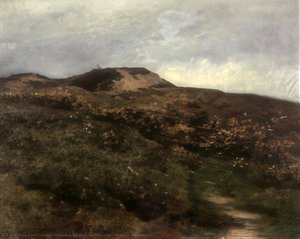
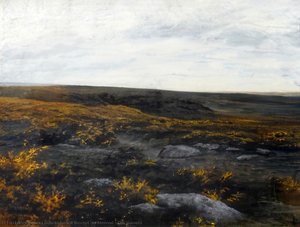
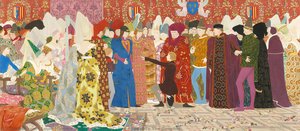
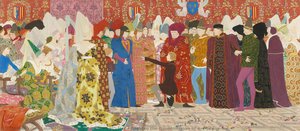
A Glimpse of Loire Valley Grandeur: "Manor In Touraine; Banks Of The Loire"
Louis-Maurice Boutet de Monvel's "Manor In Touraine; Banks Of The Loire" offers a captivating window into the heart of rural France. This evocative artwork, likely executed in watercolor as much of his work was, transports viewers to the picturesque Loire Valley, renowned for its historic châteaux and idyllic landscapes. The scene depicts a stately manor house nestled along the tranquil banks of the Loire River, presenting a harmonious blend of architecture and natural beauty.
Subject & Composition: Architectural Harmony
The painting's focal point is undoubtedly the stone bridge gracefully arching over the calm waters – likely part of the river or a connecting canal. This architectural element serves as a visual anchor, drawing the eye deeper into the composition. The manor itself, flanked by other aged stone structures, exudes an air of timeless elegance and history. A central pathway leads towards the bridge, creating a sense of depth and inviting exploration within the scene. The absence of human figures contributes to a feeling of quiet solitude and allows the viewer to fully appreciate the grandeur of the setting.
Style & Technique: Realism with Impressionistic Touches
Boutet de Monvel masterfully blends realism with subtle impressionistic elements in this piece. While the architectural details are rendered with precision, the soft, diffused lighting and atmospheric perspective evoke a dreamlike quality. The artist likely employed layering techniques with oil paints to achieve depth and texture on the stone surfaces, contrasting beautifully with the smooth reflectivity of the water. The color palette is dominated by earthy tones—ochres, browns, tans, and grays—which further enhance the sense of history and age. Lines are primarily defined by architectural elements – straight lines for walls and windows, curved lines for the bridge arch, and horizontal lines created by the water's surface.
Historical Context & Artistic Influences
Created during the late 19th century, this artwork reflects a period of renewed interest in French heritage and landscape painting. Boutet de Monvel’s work was significantly influenced by both Renaissance masters like Fra Angelico and Paolo Uccello, as evidenced in his magnum opus, the illustrated children's history of Joan of Arc. Furthermore, critics noted an influence from popular Japanese prints of the time, which is subtly reflected in the composition and atmospheric perspective. Boutet de Monvel’s career was marked by a shift towards commercial illustration to support his family, but he remained dedicated to producing works of nobility and grandeur.
Symbolism & Emotional Impact: Enduring Beauty
"Manor In Touraine; Banks Of The Loire" transcends mere representation; it embodies the enduring nature of history, architecture, and the timeless beauty of the French countryside. The scene evokes a sense of tranquility, serenity, and perhaps even nostalgia for a bygone era. It speaks to the harmonious relationship between humanity and nature, showcasing the elegance of man-made structures seamlessly integrated within a breathtaking natural setting. This artwork offers a moment of respite, inviting viewers to contemplate the enduring power of beauty and the rich cultural heritage of Touraine.
Learn More About Louis-Maurice Boutet de Monvel
- Artist Biography: Louis-Maurice Boutet de Monvel (1850-1913), a renowned French painter & illustrator, famed for his exquisite watercolors and iconic children's book art, notably *Joan of Arc*. His unique style blended Renaissance influences with Japanese aesthetic.
- Explore the Artist’s Work: View more artworks by Louis-Maurice Boutet de Monvel
Discover Similar Artworks
- Loire Valley Landscapes: Explore other depictions of the Loire Valley's beauty.
- French Countryside Scenes: Discover Louis-Gabriel Moreau (l'aîné), a serene 18th-century French landscape painter known for idyllic Parisian countryside scenes & tranquil green hues.
Related Artworks
Artist Biography
The Watercolor Poet of Childhood
Louis-Maurice Boutet de Monvel stands as a luminous figure in the history of nineteenth-century visual storytelling, a painter whose delicate touch breathed life into the imaginations of generations. Born in Orleans, France, in 1850, his artistic journey was shaped by a privileged upbringing that balanced intellectual rigor with aesthetic exploration. The son of a law professor, he was encouraged to pursue the fine arts, eventually finding his way to the prestigious École Supérieure des Beaux-Arts in Paris. Under the guidance of masters such as Alexandre Cabanel and Jean Léonard Stammel, Boutet de Monvel developed a technical prowess characterized by meticulous observation and a profound command over the ethereal medium of watercolor. His life was one of deep familial connection, marked by his marriage to Jeanne Labaigue and the shared artistic legacy of his sons, Roger and Bernard.
The essence of Boutet de Monvel’s work lies in its unique ability to bridge disparate worlds, blending the structured grandeur of the Renaissance with the subtle, evocative sensibilities of Japanese aesthetics. This stylistic synthesis allowed him to create scenes that felt both timeless and intimately modern. While his training was rooted in classical French traditions, his eye was captivated by the graphic clarity and decorative elegance found in Japanese prints. This influence is particularly evident in his mastery of line and his use of negative space, which lent a poetic stillness to his compositions. His work does not merely depict a scene; it captures a mood, an atmosphere of quietude and wonder that transcends the boundaries of mere illustration.
A Legacy of Narrative and Light
Though he was a skilled painter of landscapes and portraits, Boutet de Monvel found his most enduring fame through the realm of commercial illustration. Driven by the necessity to support his family, he turned his talents toward the burgeoning world of children’s literature, beginning with his notable contributions to the magazine Saint Nicholas in 1881. It was here that he began to refine a visual language specifically designed to communicate complex narratives to young audiences. His illustrations were never patronizing; instead, they treated the child reader with respect, offering rich, textured worlds filled with historical weight and emotional depth.
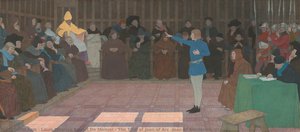
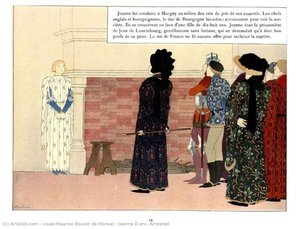
His most iconic achievement remains his evocative portrayal of Joan of Arc. In works such as Jeanne D'arc. Arrested (1896), he utilized a theatrical and graphic style to capture moments of intense social tension and spiritual resolve. Through the use of rich costumes, intricate decorative patterns, and a stylized approach to light and shadow, he transformed historical biography into a visual epic. This ability to infuse historical subjects with a sense of drama and dignity became his hallmark, making him a pivotal figure in the evolution of the illustrated book.
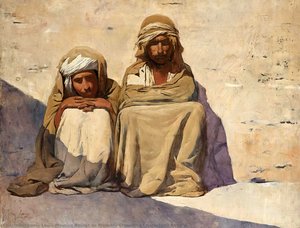
Beyond the legendary tales of France, Boutet de Monvel’s repertoire extended to serene explorations of culture and landscape. His works often captured the quiet beauty of the French countryside, such as the tranquil Manor In Touraine; Banks Of The Loire, or the ethnographic grace found in pieces like Crouching Characters, Kabylie (1876). Whether depicting the soft light hitting a riverbank or the dignified presence of figures in traditional robes, his art remained anchored in a profound respect for the subject. His legacy is that of a master storyteller who used the fluidity of watercolor to weave a tapestry of history, childhood innocence, and global beauty, ensuring his place as one of the most cherished illustrators of the nineteenth century.
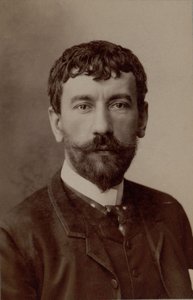
louis-maurice boutet de monvel
1850 - 1913 , France
Quick Facts
- Artistic Movement Or Style: Renaissance influence, Japanese aesthetic
- Artists Or Movements Influenced By This Artist:
- Kate Greenaway
- Randolph Caldecott
- Artists Who Influenced This Artist:
- Fra Angelico
- Paolo Ucello
- Date Of Birth: 1850 Orleans France
- Date Of Death: 1913
- Full Name: Louis-Maurice Boutet de Monvel
- Nationality: French
- Notable Artworks:
- Joan of Arc
- Landscape Of Touraine
- Breton Moorland
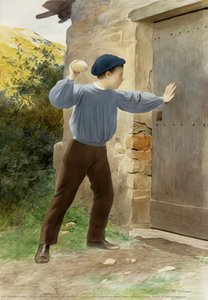
- Landry Hits Benoite's Dryer Door With A Stone; Theft Of Partridges
- Place Of Birth: Orleans France
Related Articles

Goya's Masterpieces: Explore 25 Iconic Paintings & Art Prints | ArtsDot
Delve into the world of Francisco Goya with ArtsDot. Explore 25 iconic paintings – from 'The Third of May' to his haunting Black Paintings. Discover the stories, techniques & emotions behind these Spanish masterpieces. Find museum-quality art reproductions for your home at ArtsDot.com!

About Us
Discover our story! We bring world-class art into your life through expert curation, personalized creations, and free previews. Trusted by individuals and businesses since 2000.
Maurice Quentin de La Tour: Light, Shadow & the Rococo Portrait
Explore the captivating world of Maurice Quentin de La Tour, a master of Rococo portraiture. Discover his innovative pastel techniques, intimate depictions of French aristocracy, and lasting artistic legacy. Learn more at ArtsDot.
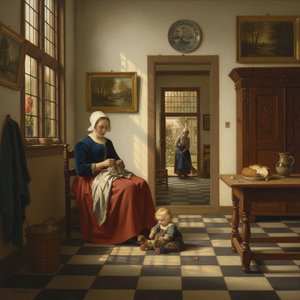
Pieter de Hooch: Illuminating Dutch Domestic Life & Golden Age Charm
Explore the captivating world of Pieter de Hooch, a master of Dutch Golden Age painting. Discover his innovative use of light, intimate domestic scenes, and lasting influence on art history. Learn more at ArtsDot.
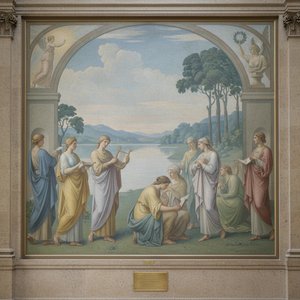
Pierre Puvis de Chavannes: Symbolism, Mural Painting, and the Pursuit of Ideal Beauty
Explore the life & work of Pierre Puvis de Chavannes, a pivotal Symbolist painter renowned for his monumental murals. Discover his aesthetic principles, key artworks like 'Hope,' and lasting influence on modern art. A deep dive into 19th-century French painting.