 Preview
 Send
Send Share
Share
 Details

 Download
 Similars
 X-Ray
X-Ray Diaporama
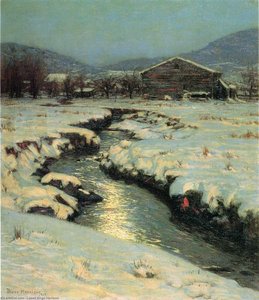
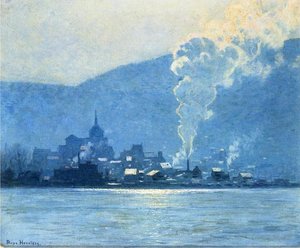
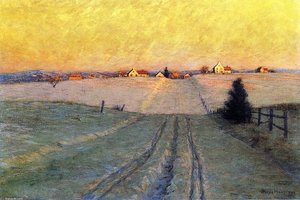
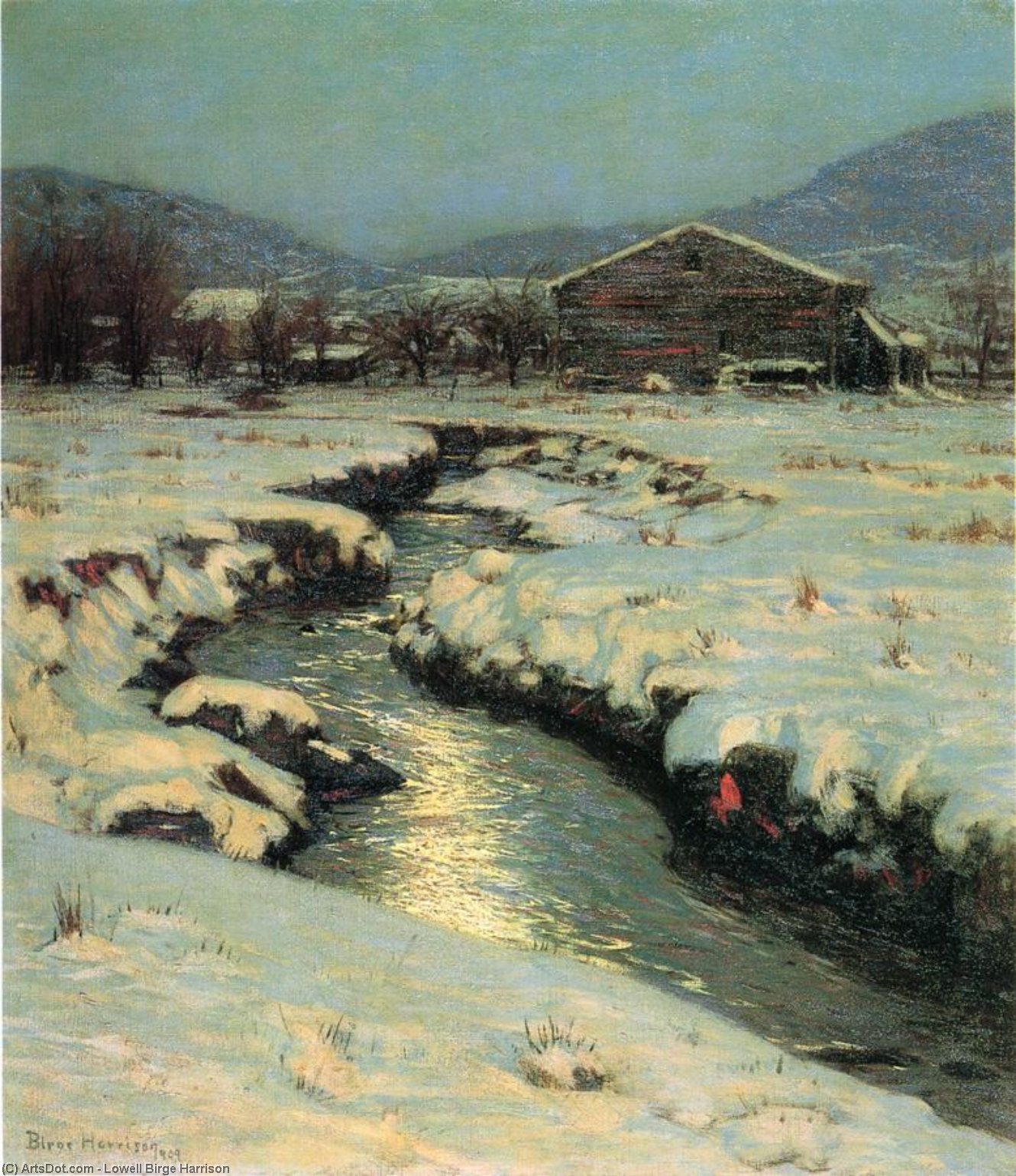
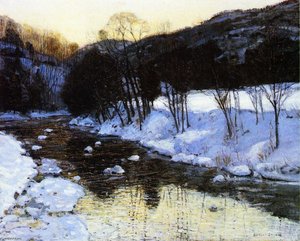
Woodstock Meadows in Winter


 Read More
Hand Made Oil Reproduction
Hand-painted oil on canvas in your size and frame, made to order by our artists. ( Buy Print Buy Image)




































Pick from our preset sizes that match the artwork's original proportions.

You may enter your own dimensions to fit a specific frame or space. If your selected size does not match the original image's proportions, we will either crop the artwork or extend the painting with additional hand-painted elements. A digital mockup will be sent for your approval before production begins.
Please note that the on-screen preview does not reflect the actual cropping or extension. Only the mockup will accurately show the final composition.
While custom sizes are available, we recommend selecting a dimension from the predefined list to preserve the original proportions.
After order, ArtsDot.com team will email client for instructions and provide a mockup preview
Worldwide Delivery () in 3/4 weeks instead of standard 5 weeks. (17 August). No compromise on quality.

Free Worldwide Express Shipping

High-Quality Linen Canvas

Full Shipping Insurance

Customs Tax Refund Guarantee

True Color Matching Guarantee

60-Day Return Policy (Defects Only)

100% Money-Back Guarantee

Bulk Discount Offer
 Glass option is only available in size under 110 CM

Woodstock Meadows in Winter
Reproduction Medium
Reproduction Size
-


Total Price
$ 263
Related Artworks
Artist Biography
The Architect of Atmosphere: The Life and Legacy of Lowell Birge Harrison
Lowell Birge Harrison (1854–1929) was far more than a mere painter of landscapes; he was a poet of the ephemeral, a master who understood that the true essence of nature lies not in its physical boundaries, but in the invisible veil of air that binds them together. Born in Philadelphia into an artistic lineage—the younger brother of Thomas Alexander Harrison—Lowell’s journey was one of profound aesthetic evolution. His early training at the Pennsylvania Academy of Fine Arts placed him under the transformative influence of John Singer Sargent, a mentorship that instilled in him a rigorous devotion to observation and a technical finesse that would later serve as the foundation for his atmospheric explorations.
The trajectory of Harrison’s career shifted irrevocably when he traveled to Paris in 1874. Immersed in the prestigious École des Beaux-Arts, he sought the guidance of Charles-Édouard Duran and Jean Le Bretton Cabanel, absorbing the academic rigor of the French tradition while simultaneously feeling the pull of more emotive movements. It was during this period that Harrison began to move away from the stark clarity of realism toward the subtle, evocative nuances of Tonalism. His debut at the Salon of 1881 with the painting “Novembre” served as a triumphant international introduction; the work was so profoundly moving that it became one of the first American artworks ever purchased by the French government, signaling the arrival of a new American voice on the world stage.
A Symphony of Muted Tones and Winter Light
Harrison’s mature style is defined by what he called "the big vision"—a philosophy centered on the power to render the whole of a scene as a single, unified motive rather than a collection of disparate parts. He possessed a rare ability to suppress the inessential, focusing instead on the vibration and refraction of light within the landscape. His palette was often subdued, favoring the quiet harmonies of the Barbizon school over the intense, sometimes jarring colors of the Impressionists. This restraint allowed him to capture the spiritual essence of his subjects, particularly through his celebrated winter scenes.
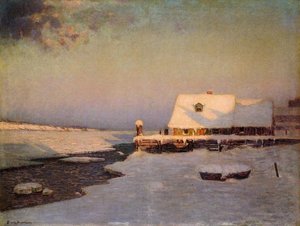
In works such as “The Red Mill” and “Winter Twilight,” Harrison invites the viewer into a world of serene contemplation. He utilized the soft, diffused light of snowy coastal scenes and twilight hours to create a sense of profound stillness. His technique relied heavily on capturing the "atmosphere which surrounds the objects rather than the objects themselves," a method that turned landscapes into psychological spaces. Whether depicting the rhythmic industry of a mill or the ghostly beauty of a frost-covered meadow, his brushwork sought to evoke the very breath of the earth.
The Master Teacher and Historical Significance
Beyond the canvas, Harrison’s impact on American art was cemented through his role as an educator and theorist. As the first director of the landscape school at the Art Students League's summer colony in Woodstock, New York, he shaped the hands and minds of a new generation of painters. His 1909 publication on landscape painting became a definitive text, spreading his principles of tonal harmony and atmospheric perception across the United States. He taught his students to look past the surface of nature to find its underlying spiritual resonance.
While the later rise of more aggressive modern movements led some critics to dismiss his work as sentimental "moonlight and mist," history has been much kinder to Harrison. Today, he is recognized as a cornerstone of the Tonalist movement, an artist who successfully merged Beaux-Arts academic training with American Transcendentalist sensibilities. His legacy remains etched in the quiet, evocative landscapes that continue to move observers, reminding us of a time when art sought to capture the very soul of the atmosphere.
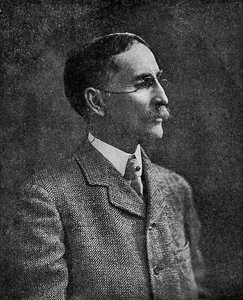
Lowell Birge Harrison
1854 - 1929 , United States of America
Quick Facts
- Artistic Movement Or Style: Tonalism
- Artists Or Movements Influenced By This Artist: ['Scandinavian Painting']
- Artists Who Influenced This Artist:
- Thomas Eakins
- Charles Durand
- Date Of Birth: Philadelphia, United States of America (1854)
- Full Name: Lowell Birge Harrison
- Nationality: American
- Notable Artworks:
- The Red Mill
- Winter Twilight
- Novembre
- Place Of Birth: Philadelphia