 Preview
 Send
Send Share
Share
 Details

 Download
 Similars
 X-Ray
X-Ray Diaporama
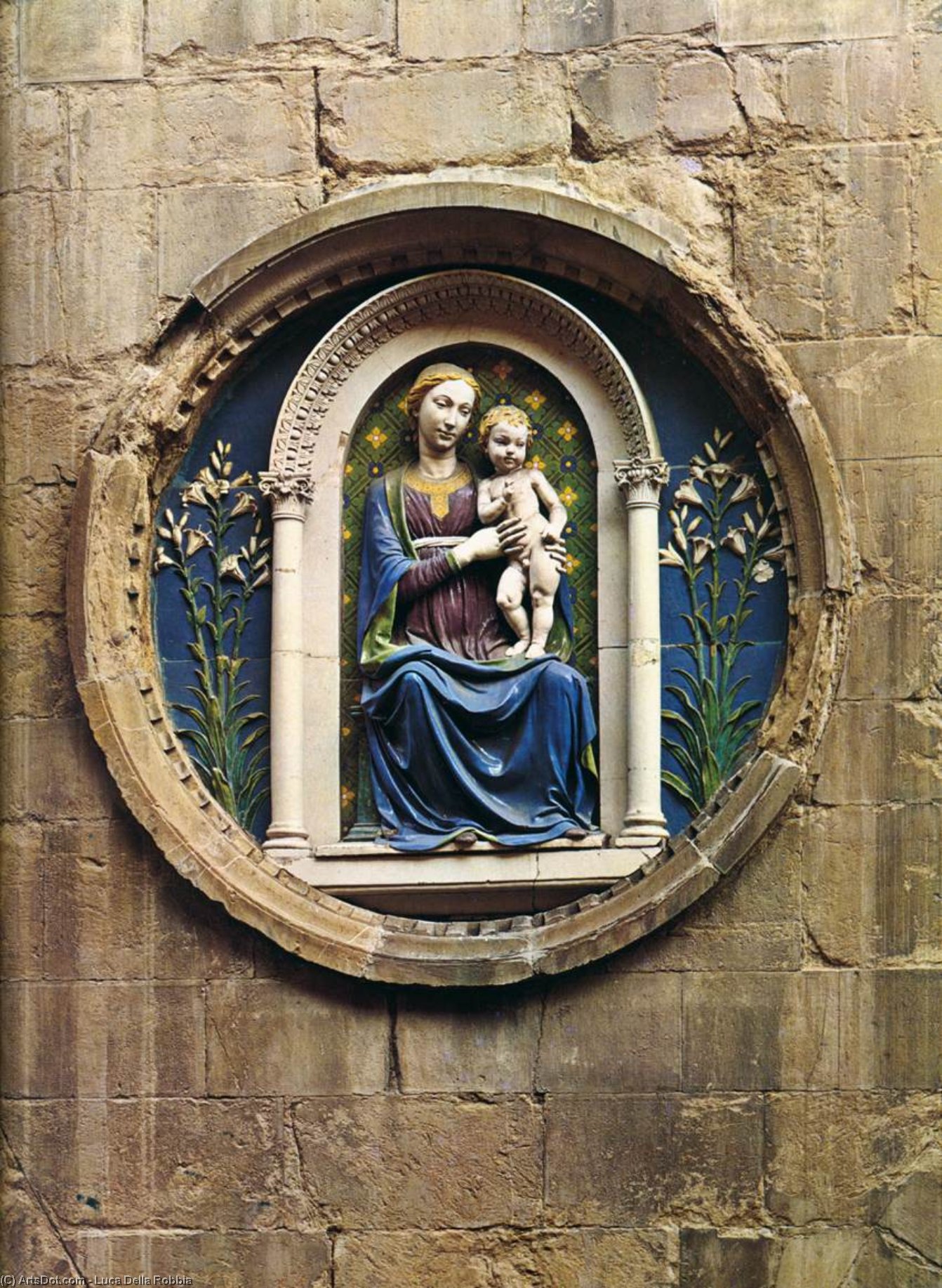
Madonna and Child (11)
 Acrylic On Canvas
- WallArt
- Renaissance Humanism
 1455
1455 180.0 x 180.0 cm
 Orsanmichele
 Read More
Hand Made Oil Reproduction
Hand-painted oil on canvas in your size and frame, made to order by our artists. ( Buy Print Buy Image)




P118B $10

P118H $10

P118W $10

P438Z $10

P508JH $12

P508YH $12

P805H $10

P805Z $10

P919BZ $10

P919G $10

P919XJ $10

P959ZH $10

P968JZ $12

W106C $8

W218G $10

W218JH $8

W218Y $10

W307PJ $10

W316G $10

W316PJ $8

W316Y $10

W398PJ $8

W4111J $10

W500HY $15

W500JH $15

W692G $12

W849H $8

W940BG $15

W953PJ $8




Pick from our preset sizes that match the artwork's original proportions.

You may enter your own dimensions to fit a specific frame or space. If your selected size does not match the original image's proportions, we will either crop the artwork or extend the painting with additional hand-painted elements. A digital mockup will be sent for your approval before production begins.
Please note that the on-screen preview does not reflect the actual cropping or extension. Only the mockup will accurately show the final composition.
While custom sizes are available, we recommend selecting a dimension from the predefined list to preserve the original proportions.
After order, ArtsDot.com team will email client for instructions and provide a mockup preview
Worldwide Delivery () in 3/4 weeks instead of standard 5 weeks. (17 August). No compromise on quality.

Free Worldwide Express Shipping

High-Quality Linen Canvas

Full Shipping Insurance

Customs Tax Refund Guarantee

True Color Matching Guarantee

60-Day Return Policy (Defects Only)

100% Money-Back Guarantee

Bulk Discount Offer
 Glass option is only available in size under 110 CM

Madonna and Child (11)
Reproduction Medium
Reproduction Size
-


Total Price
$ 263
Artwork Description
Luca della Robbia: A Florentine Master of Terracotta Sculpture
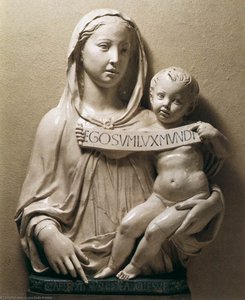
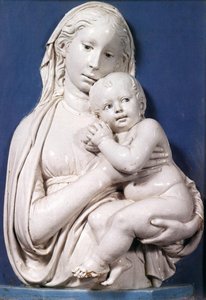
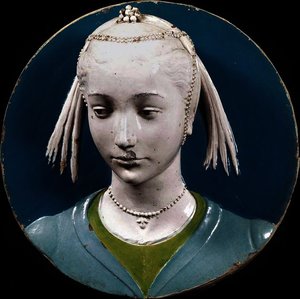
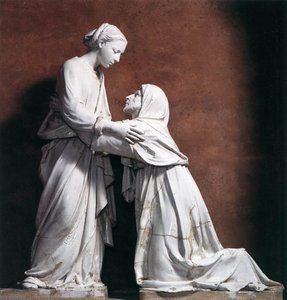
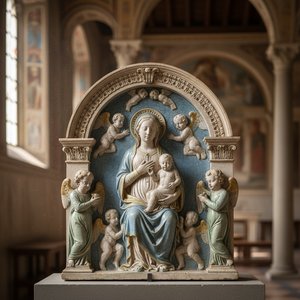
Luca della Robbia (1399 – 1482) stands as a monumental figure in the history of Renaissance art, primarily recognized for his groundbreaking innovation in terracotta sculpture—a technique he perfected and disseminated throughout Florence and beyond. Born into a family steeped in craftsmanship, Luca’s early life remains shrouded in relative obscurity, though scholarly consensus suggests he honed his skills under Leonardo di ser Giovanni, absorbing the humanist ideals prevalent during the period. His formative years coincided with the burgeoning artistic fervor surrounding Donatello and Ghiberti, collaborations that profoundly shaped his aesthetic sensibilities and cemented his position within the Florentine artistic milieu. Early Influences and Artistic Training Luca’s apprenticeship instilled in him a deep understanding of classical sculpture and humanist principles—elements which would subsequently permeate his own oeuvr He absorbed the lessons imparted by masters like Donatello and Ghiberti, artists who championed naturalism and anatomical accuracy, mirroring the humanist movement's emphasis on human dignity and observation. This exposure to sculptural excellence undoubtedly fueled Luca’s ambition to elevate terracotta – previously considered a humble material – into an art form worthy of grandeur and beauty. The Invention of Tin-Glazed Terracotta: A Revolutionary Technique Luca della Robbia didn’t merely sculpt in terracotta; he fundamentally transformed its potential through the pioneering application of tin glaze—a process that involved fusing a thin layer of glass onto the sculpted surface. This innovation represented a decisive break from traditional ceramic methods, allowing for unprecedented vibrancy and luminosity. Unlike matte earthenware, Luca's sculptures achieved astonishing color fidelity thanks to this glazing technique, capturing the nuances of pigment with remarkable precision. The resulting surfaces shimmered with an ethereal glow, mirroring the spiritual aspirations of the Renaissance era. A Celebration of Faith and Human Form: Madonna and Child (1455) The masterpiece “Madonna and Child” exemplifies Luca della Robbia’s artistic vision perfectly. Executed in 1455, this sculpture depicts Mary cradling Jesus Christ, a scene imbued with profound religious symbolism. The Virgin Mother is portrayed with serene dignity, her gaze directed upwards towards heaven—a gesture signifying piety and devotion. Simultaneously, the anatomical accuracy of Jesus's infant form underscores the humanist preoccupation with representing human anatomy realistically. Luca’s meticulous attention to detail reflects the Renaissance ideal of beauty as harmony between divine grace and earthly flesh. The vibrant blues and reds of the glaze contribute to an emotional impact that transcends mere visual spectacle; they evoke feelings of tenderness, compassion, and spiritual contemplation. Legacy and Influence Luca della Robbia's contribution to Florentine art extended far beyond his individual creations. He established a prolific workshop where he trained numerous apprentices, ensuring the continuation of his innovative technique and fostering a vibrant artistic community. His influence resonated throughout Europe, inspiring artists across generations to explore the expressive possibilities of terracotta sculpture. Today, “Madonna and Child” stands as an enduring testament to Luca della Robbia’s genius—a timeless masterpiece that continues to captivate audiences with its beauty, craftsmanship, and spiritual depth. Its reproduction offers a window into the artistic spirit of Florence during the Renaissance, transporting viewers back to a period defined by intellectual curiosity and aesthetic refinement.Related Artworks

Artist Biography
The Master of Glazed Earth: The Life and Legacy of Luca della Robbia
In the heart of the Florentine Renaissance, a period defined by the rebirth of classical ideals and the pursuit of anatomical perfection, Luca della Robbia emerged as a visionary who transformed the very medium of sculpture. While his contemporaries often sought glory in the heavy permanence of marble or the shimmering prestige of bronze, Luca found a profound, luminous beauty in the humble earth. His life, spanning from 1399 to 1482, was dedicated to the perfection of tin-glazed terracotta, a technique that would not only define his personal legacy but also provide a vibrant, colorful voice to the religious and civic landscapes of Italy.
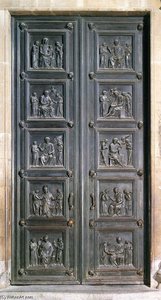
Born into a lineage of skilled craftsmen in Florence, Luca’s early years were steeped in the rigorous traditions of the Florentine workshop. Though much of his formative period remains veiled by the mists of history, his artistic DNA was undeniably shaped by the giants of his era. He moved within the same intellectual and creative circles as Donatello and Ghiberti, absorbing the burgeoning humanist spirit that sought to marry Christian devotion with the grace of classical antiquity. His early associations, particularly his work on the monumental projects of the Florence Baptistry, allowed him to witness firsthand the evolution of naturalism—a movement toward capturing the subtle nuances of human emotion and the delicate textures of life.
Innovation in Color and Clay
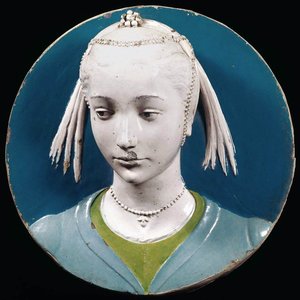
The true genius of Luca della Robbia lay in his ability to innovate within a medium that was previously considered secondary to stone. By developing a specialized tin-glaze, he achieved a brilliant, weather-resistant finish that allowed for a striking palette of whites and blues. This technique, often referred to as della Robbia ware, brought an unprecedented luminosity to sculptural reliefs. Unlike the monochromatic austerity of marble, Luca’s works possessed a celestial glow, making them ideal for the altars and cloisters of churches where light played a crucial role in spiritual contemplation.
His technical mastery allowed him to bridge the gap between fine art and decorative excellence. The process required an intimate knowledge of chemistry and kiln temperatures to ensure that the glaze adhered perfectly to the clay without cracking or losing its brilliance. This innovation had a profound impact on the accessibility of art; while marble was reserved for the most elite commissions, Luca’s glazed terracotta could be produced with a certain level of repeatable excellence, allowing his aesthetic to permeate both grand cathedrals and smaller, more intimate devotional spaces.
A Devotional Vision: Themes and Achievements
The subject matter of Luca’s oeuvre was deeply rooted in the religious fervor of the Quattrocento. His sculptures served as visual sermons, designed to evoke tenderness, piety, and awe. Through his hands, the most sacred figures of the Christian tradition were rendered with a humanizing warmth that resonated deeply with the faithful.
Notable highlights of his career include:
- The Nativity: A masterpiece completed around 1460, which showcases his ability to blend the monumental scale of Renaissance composition with an intimate, tender portrayal of the Holy Family.
- Madonna and Child: His various iterations of this theme demonstrate a mastery of the "sweet" style, where the divine is made approachable through soft facial features and graceful, flowing drapery.
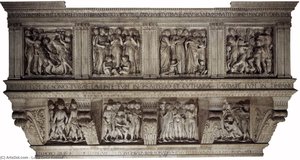
- Relief Paneling: His ability to utilize the flat surface of terracotta to create depth and narrative movement, often framed by intricate garlands of fruit and foliage that became a hallmark of his studio's style.
Beyond his individual technical triumphs, Luca della Robbia’s historical significance lies in the establishment of a lasting artistic dynasty. His workshop became a beacon of Florentine craftsmanship, influencing generations of sculptors and decorators across Europe. By elevating terracotta from a utilitarian medium to a high art form, he expanded the vocabulary of the Renaissance, ensuring that the brilliance of his glazed earth would continue to shine long after the era of the masters had passed.
Luca della Robbia
1399 - 1482 , Italy
Quick Facts
- Artistic Movement Or Style: Renaissance Sculpture
- Artists Or Movements Influenced By This Artist:
- Andrea della Robbia
- Giovanni della Robbia
- Artists Who Influenced This Artist:
- Donatello
- Ghiberti
- Date Of Birth: Florence, Italy (1399)
- Date Of Death: 1482
- Full Name: Luca della Robbia
- Nationality: Italian
- Notable Artworks:
- Nativity
- Madonna and Child
- Place Of Birth: Florence
Related Articles
Luca della Robbia: Renaissance Sculpture & the Innovation of Terracotta Glazing
Discover the innovative terracotta glazing techniques of Luca della Robbia, a Renaissance master sculptor. Explore his iconic works, legacy, and collecting tips with ArtsDot.

Bronze Sculptures That Defined Art History | ArtsDot
Journey through art history with our Top 10 bronze sculptures! Explore masterpieces by Rodin, Michelangelo & more. Discover stories behind iconic statues and find museum-quality reproductions for your home decor at ArtsDot.com.

The Enduring Form: Exploring Themes & Techniques in Sculpture Across Historical Periods
Explore the rich history of sculpture from ancient masterpieces to contemporary innovations. Discover key techniques, influential artists & investment potential for discerning art collectors.

Bronze Age to Modern Masters: 10 Sculptures That Redefined Art | ArtsDot
Journey through art history with 10 legendary bronze sculptures – from Michelangelo's David to Rodin’s Thinker. Explore the stories, techniques & timeless beauty of these masterpieces. Find museum-quality reproductions & elevate your home decor on ArtsDot.com.
The Enduring Form: Sculpture Across History, Technique & Emotional Resonance
Explore the rich history of sculpture with ArtsDot. Discover key techniques, influential artists & investment potential for discerning collectors. Expert insights into valuing and collecting timeless masterpieces.