 Preview
 Send
Send Share
Share
 Details

 Download
 Similars
 X-Ray
X-Ray Diaporama
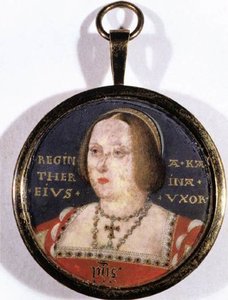
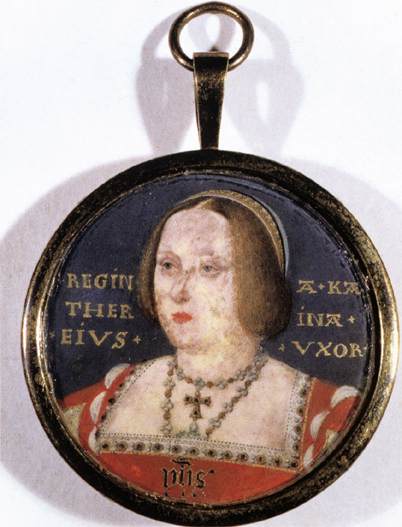
Portrait of Catherine of Aragon


 Read More
Giclée / Art Print
Museum-quality giclée or canvas print with fast production and flexible finish options. ( Buy Hand Made Painting Buy Image)




P118B $10

P118H $10

P118W $10

P438Z $10

P508JH $12

P508YH $12

P805H $10

P805Z $10

P919BZ $10

P919G $10

P919XJ $10

P959ZH $10

P968JZ $12

W106C $8

W218G $10

W218JH $8

W218Y $10

W307PJ $10

W316G $10

W316PJ $8

W316Y $10

W398PJ $8

W4111J $10

W500HY $15

W500JH $15

W692G $12

W849H $8

W940BG $15

W953PJ $8




Pick from our preset sizes that match the artwork's original proportions.

You may enter your own dimensions to fit a specific frame or space. If your selected size does not match the original image's proportions, we will either crop the artwork or extend the image with a mirrored or solid-fill edge. A digital mockup will be sent for your approval before production begins.
Please note that the on-screen preview does not reflect the actual cropping or extension. Only the mockup will accurately show the final composition.
While custom sizes are available, we recommend selecting a dimension from the predefined list to preserve the original proportions.
Worldwide Delivery () in 2 weeks instead of standard 4/5 weeks. (2 September)

Free Worldwide Express Shipping

High-Quality Linen Canvas

Full Shipping Insurance

Customs Tax Refund Guarantee

True Color Matching Guarantee

60-Day Return Policy (Defects Only)

100% Money-Back Guarantee

Bulk Discount Offer
 Glass option is only available in size under 110 CM

Portrait of Catherine of Aragon
Giclée / Art Print
Reproduction Size
-


Total Price
$ 63
Portrait of Catherine of Aragon by HORENBOUT, Lucas
Lucas Horenbout’s “Portrait of Catherine of Aragon” stands as a testament to the artistic fervor of Tudor England and a cornerstone of the burgeoning English portrait miniature tradition. Executed around 1525-1527, this diminutive masterpiece transcends mere likeness; it embodies the anxieties and aspirations surrounding royal marriage during a period of profound religious upheaval.
- Subject Matter: The painting depicts Catherine of Aragon, Henry VIII’s first wife, in profile. Her gaze is direct yet subtly melancholic, conveying a quiet dignity amidst the turbulent political landscape of her time.
- Style & Technique: Horenbout adheres to the conventions of Flemish Renaissance portraiture—characterized by meticulous detail and masterful use of chiaroscuro (light and shadow). The artist skillfully renders textures – the delicate lace at Catherine’s neckline, the smooth sheen of her skin – creating a palpable sense of realism.
- Historical Context: Commissioned during Henry VIII's divorce proceedings from Catherine, the portrait reflects the intense scrutiny surrounding royal marriages and the desire to solidify the legitimacy of the Tudor dynasty. The refusal of Pope Clement VII to annul Henry’s marriage fueled religious tensions and propelled England toward separation from Rome.
- Symbolism: The inclusion of a crucifix around Catherine's neck speaks volumes about her unwavering faith—a faith that clashed with Henry VIII’s ambition to establish himself as supreme head of the Church. This emblem underscores the spiritual battle waged during the Reformation, highlighting Catherine’s steadfast devotion amidst shifting religious allegiances.
- Emotional Impact: Despite its small scale, “Portrait of Catherine of Aragon” possesses a remarkable emotional resonance. The artist captures not merely physical appearance but also an intangible quality—a hint of sorrowful resignation—that invites contemplation on themes of duty, sacrifice, and the enduring power of faith. It’s a portrait that lingers in the mind long after viewing, prompting reflection on the complexities of human experience within the grand narrative of history.
The inscription “Queen Catharine, his wife” serves as a poignant reminder of Henry VIII's unwavering commitment to Catherine—a devotion that ultimately proved futile in securing papal sanction for their divorce. This detail underscores the personal drama interwoven with the broader historical significance of the artwork.
Considered one of Horenbout’s finest achievements, “Portrait of Catherine of Aragon” exemplifies the artistic brilliance of its era and continues to captivate audiences today. Its understated elegance and profound psychological depth solidify its place as an enduring symbol of Tudor England's intellectual and spiritual heritage.
Related Artworks

Artist Biography
The Ghent Legacy and the Mastery of Detail
In the vibrant, industrious workshops of Ghent, where the light of Flanders danced upon fine vellum, Lucas Horenbout began his journey into the heart of artistic excellence. Born into a lineage of masters, he was shaped by the profound influence of his father, Gerard Horenbout, a titan of the manuscript illumination tradition. This early immersion in the Ghent-Bruges school instilled in him an unwavering commitment to meticulous craftsmanship and a realism that captured the very essence of his subjects. The Flemish tradition, characterized by subtle shading and an almost supernatural attention to detail, provided the foundation upon which Lucas would build a legacy that transcended borders.
A Royal Appointment in the Tudor Court
The mid-1520s marked a transformative era as Horenbout crossed the channel to England, bringing with him the sophisticated aesthetic of his homeland. His arrival coincided perfectly with the ambitious cultural revival led by Cardinal Wolsey, who sought to breathe new and magnificent life into English manuscript illumination. The recognition of his talent was swift and profound; appointed as King’s Painter, Horenbout became a central figure in the court of Henry VIII. This period of royal patronage allowed him to translate the grander traditions of Flemish panel painting into the intimate, delicate medium of the portrait miniature, effectively bridging two distinct artistic worlds through his unique ability to capture both majesty and intimacy.
The Architect of the English Miniature
Beyond his role as a courtier, Horenbout was the true architect of a new English tradition. He pioneered the art of the portrait miniature, a medium that demanded both technical precision and an ability to convey deep psychological resonance within a tiny, precious frame. His works, such as the commanding 1526 portrait of Henry VIII and the poignant depiction of Catherine of Aragon, are more than mere likenesses; they are windows into the power and anxiety of the Tudor age. Through his brush, the miniature became a vessel for political identity and personal intimacy, defined by several key technical hallmarks:
- The use of subtle, lifelike shading to create depth on a minuscule scale.
- A mastery of color that brought a vibrant, fleshy realism to royal subjects.
- An ability to capture the regal presence and underlying vulnerability of his patrons.
An Enduring Artistic Impression
Though much of Horenbout’s life remains shrouded in the mists of history, his impact on the trajectory of English art is undeniable. He did not merely transplant Flemish techniques to English soil; he planted the seeds for a distinct national style that would flourish for generations. By blending the decorative splendor of the Ghent-Bruges school with the burgeoning needs of the Tudor monarchy, Lucas Horenbout ensured that his name would forever be etched into the annals of art history as the master who shaped the very face of English portraiture.
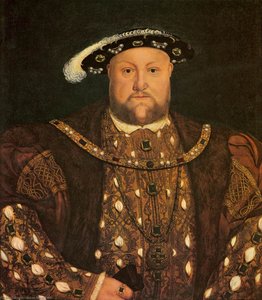
Lucas Horenbout
1492 - 1544 , Belgium
Quick Facts
- Artistic Movement Or Style: Renaissance
- Artists Or Movements Influenced By This Artist: ['English Portrait Miniature Tradition']
- Artists Who Influenced This Artist:
- Jan van Eyck
- Rogier van der Weyden
- Date Of Birth: 1492
- Date Of Death: 1544
- Full Name: Lucas Horenbout
- Nationality: Flemish
- Notable Artworks:
- Portrait of Catherine of Aragon
- Henry VIII
- Place Of Birth: Ghent, Belgium
Related Articles

Henri Matisse's Masterpieces: Explore 25 Iconic Paintings & Art Decor Ideas
Journey through Henri Matisse's 25 most iconic paintings! Explore Fauvism, vibrant colors & the stories behind masterpieces like 'The Dance'. Find museum-quality art reproductions and curated decor ideas to elevate your space. Discover all masterpieces on ArtsDot.com.
Fauvism's Boldest Visions: 10 Masterpieces That Revolutionized Modern Art | ArtsDot
Explore 10 Fauvist masterpieces by Matisse, Derain & Vlaminck that ignited Modern Art! Discover bold colors, expressionist landscapes & the history of this revolutionary movement. Find museum-quality prints at ArtsDot.com.
Robert Henri & the Spirit of American Realism: A Legacy of Urban Life and Artistic Independence
Explore the life & legacy of Robert Henri, a pivotal figure in American Realism. Discover his captivating portraits, influence on the Ashcan School, and enduring impact on art history. Learn more at ArtsDot.
Lucas van Leyden: Innovation & Intimacy in Early Netherlandish Printmaking
Explore the groundbreaking prints of Lucas van Leyden, a Dutch master bridging Gothic detail & Renaissance innovation. Discover his rare works, investment potential, and legacy for discerning collectors.
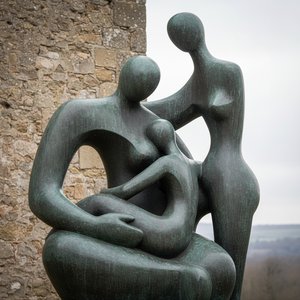
Henry Moore: Sculpting Modernity – Form, Emotion & the Human Condition
Explore the revolutionary sculptures of Henry Moore – abstract forms, reclining figures & powerful expressions of the human condition. Discover his legacy & artistic process with ArtsDot.