 Preview
 Send
Send Share
Share
 Details

 Download
 Similars
 X-Ray
X-Ray Diaporama
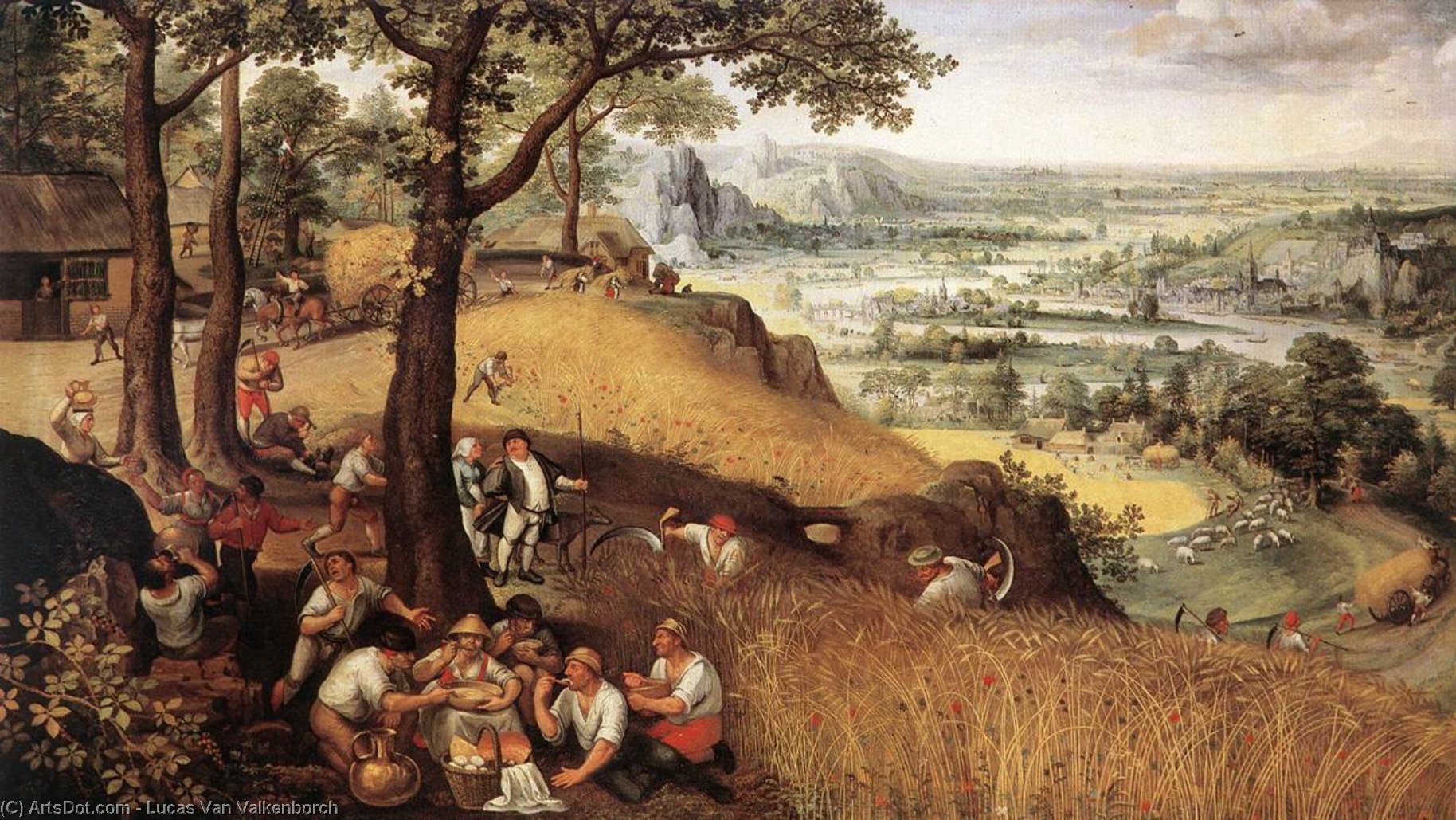
Landscape in Summer
 Oil On Canvas
- WallArt
- Flemish Renaissance
 1585
1585- Early Modern
 116.0 x 198.0 cm
 Kunsthistorisches Museum
 Read More
Hand Made Oil Reproduction
Hand-painted oil on canvas in your size and frame, made to order by our artists. ( Buy Print Buy Image)




P118B $10

P118H $10

P118W $10

P438Z $10

P508JH $12

P508YH $12

P805H $10

P805Z $10

P919BZ $10

P919G $10

P919XJ $10

P959ZH $10

P968JZ $12

W106C $8

W218G $10

W218JH $8

W218Y $10

W307PJ $10

W316G $10

W316PJ $8

W316Y $10

W398PJ $8

W4111J $10

W500HY $15

W500JH $15

W692G $12

W849H $8

W940BG $15

W953PJ $8




Pick from our preset sizes that match the artwork's original proportions.

You may enter your own dimensions to fit a specific frame or space. If your selected size does not match the original image's proportions, we will either crop the artwork or extend the painting with additional hand-painted elements. A digital mockup will be sent for your approval before production begins.
Please note that the on-screen preview does not reflect the actual cropping or extension. Only the mockup will accurately show the final composition.
While custom sizes are available, we recommend selecting a dimension from the predefined list to preserve the original proportions.
After order, ArtsDot.com team will email client for instructions and provide a mockup preview
Worldwide Delivery () in 3/4 weeks instead of standard 5 weeks. (17 August). No compromise on quality.

Free Worldwide Express Shipping

High-Quality Linen Canvas

Full Shipping Insurance

Customs Tax Refund Guarantee

True Color Matching Guarantee

60-Day Return Policy (Defects Only)

100% Money-Back Guarantee

Bulk Discount Offer
 Glass option is only available in size under 110 CM

Landscape in Summer
Reproduction Medium
Reproduction Size
-


Total Price
$ 263
Artwork Description
A Summer Symphony in Flemish Oil
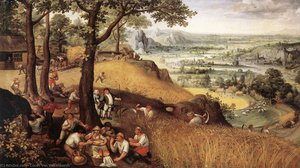
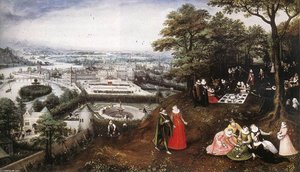
In the heart of the late sixteenth century, as the Dutch Golden Age began to cast its long, luminous shadow over Europe, Lucas van Valkenborch captured a moment of profound serenity and vitality in his masterpiece, Landscape in Summer. This breathtaking oil on canvas is far more than a mere depiction of the countryside; it is a window into a lost era of pastoral harmony. The viewer is immediately transported to a lush, sun-drenched world where the air feels heavy with the warmth of July and the rhythmic pulse of rural life. Through his meticulous brushwork, Van Valkenborch orchestrates a complex symphony of greens, deep blues, and earthy ochres, creating a palette that breathes with the organic energy of a thriving ecosystem.
The composition unfolds with a masterful sense of depth, guiding the eye on a journey from the intimate details of the foreground to the hazy, infinite horizons. In the immediate view, the artist invites us into the daily toil and quiet respite of the peasantry. Figures are scattered across the landscape, some bent in focused labor amidst the crops, while others find solace in the dappently shaded groves. These small, anecdotal scenes serve as a poignant reminder of the interconnectedness between humanity and the land. A winding river acts as the painting's silver artery, meandering through the middle ground to connect modest settlements and functional architecture, suggesting a community that exists in perfect equilibrium with its natural surroundings.
Technique and the Mastery of Light
What distinguishes this work for the discerning collector is Van Valkenborch’s extraordinary command over texture and atmospheric perspective. Utilizing the rich, layering capabilities of oil paint, the artist achieves a tactile quality that makes the foliage seem almost palpable. One can sense the roughness of the bark on ancient trees and the soft, shimmering surface of the water as it reflects the summer sky. The technique is characterized by a delicate balance; while the larger landscape elements provide a grand, sweeping scale, the fine details—the subtle movement of a figure's garment or the distant silhouette of a hill—are rendered with a precision that rewards prolonged contemplation.
The lighting in Landscape in Summer is nothing short of transformative. It is not merely a source of visibility but a narrative tool used to evoke mood and season. The way light filters through the canopy, creating dappled patterns on the earth, evokes the fleeting, precious nature of a summer afternoon. For an interior designer, this painting offers a profound sense of tranquility and organic warmth, making it an ideal centerpiece for spaces that seek to bridge the gap between the sophisticated indoors and the untamed beauty of the natural world.
A Legacy of Flemish Vision
Historically, this piece stands as a testament to the Flemish tradition of landscape painting, where the environment is treated with as much psychological weight as a portrait. Van Valkenborch, a master of both rural visions and bustling cityscapes, imbues this summer scene with a subtle sense of nostalgia. There is an inherent symbolism in the flourishing crops and the peaceful coexistence of man and nature—a celebration of abundance and the cyclical stability of life. To possess a reproduction of such a work is to invite a piece of history into one's home, offering not just decoration, but a continuous dialogue with the enduring beauty of the Golden Age.
Related Artworks
Artist Biography
Lucas van Valkenborch: A Flemish Master of Rural Visions
Lucas van Valkenborch, a name perhaps less familiar than some of his contemporaries, nevertheless stands as a significant figure in 16th-century Flemish art. Born in Leuven around 1535 and tragically dying in Frankfurt am Main in 1597, he carved out a distinctive niche for himself through meticulously rendered landscapes and genre scenes that offered intimate glimpses into the rhythms of rural life and the bustling streets of Antwerp and beyond. His work, often imbued with a subtle narrative quality, reveals a keen observation of nature combined with a masterful understanding of composition and detail – characteristics that have secured his place as a valued contributor to the rich tapestry of Dutch Masters.
Van Valkenborch’s early life remains somewhat shrouded in mystery. He was part of a large artistic family originating from Leuven, a city renowned for its artistic heritage during this period. His lineage included prominent painters like his father, Marten van Valckenborch, and uncle, Lucas van Valckenborch the elder – all known for their contributions to landscape painting. Following the religious upheaval of the Reformation, the Van Valkenborches, along with many other Calvinist families, sought refuge in Frankfurt am Main, a relatively tolerant haven within the Holy Roman Empire. This migration profoundly shaped the artist’s trajectory, exposing him to new influences and ultimately contributing to his unique artistic style.
The Development of a Distinctive Style
Van Valkenborch's artistic development is inextricably linked to the landscape traditions he inherited from his family and the broader context of Flemish painting. Like his predecessors, he embraced the ‘world landscape’ – panoramic vistas presented from elevated viewpoints, capturing vast stretches of countryside. However, unlike many of his contemporaries who relied heavily on established conventions, Van Valkenborch infused his landscapes with a remarkable sense of immediacy and realism. He frequently depicted actual locations—Liège, Burschied, Antwerp, and Vienna—grounding his compositions in tangible reality.
A key element of his style was the incorporation of narrative elements into his scenes. He wasn’t simply rendering picturesque landscapes; he often wove in details from daily life – farmers tending their fields, travelers on dusty roads, or villagers engaged in various activities. These subtle narratives added layers of meaning and invited viewers to contemplate the human experience within the natural world. This approach aligns closely with the work of Pieter Bruegel the Elder, a contemporary who shared a similar interest in depicting scenes from rural life, though Van Valkenborch’s execution possessed a distinct sensitivity and detail.
Portraiture and Courtly Commissions
While primarily celebrated for his landscapes, Van Valkenborch also made significant contributions to portrait painting. He served as the court painter to Archduke Matthias of Austria, a position that afforded him considerable prestige and allowed him to create numerous portraits of the powerful ruler. These portraits are notable for their refined elegance and meticulous attention to detail, reflecting the artist’s skill in capturing likenesses and conveying personality.
The Archduke's patronage also led Van Valkenborch to undertake large-scale allegorical works, such as the “Feast of the Gods,” a monumental composition depicting mythological figures engaged in revelry. These paintings demonstrate his ability to synthesize diverse artistic influences—including the innovative work of the School of Prague—into a cohesive and visually compelling whole. The influence of Bartholomeus Spranger is particularly evident in the dynamic poses and theatrical settings of these allegorical scenes.
Legacy and Influence
Lucas van Valkenborch’s artistic legacy extends beyond his individual works. His meticulous attention to detail, combined with a deep understanding of landscape composition and narrative storytelling, influenced subsequent generations of Flemish painters. His work stands as a testament to the enduring appeal of depicting the beauty and complexity of the natural world – and the human experience within it.
Despite his relatively modest recognition during his lifetime, Van Valkenborch’s paintings continue to be appreciated for their quiet elegance, evocative atmosphere, and subtle insights into the rhythms of rural life. Museums like the Museum Smidt van Gelder in Antwerp and the Museo Thyssen in Madrid house important examples of his oeuvre, offering viewers a chance to connect with the artistry of this often-overlooked Flemish master.
Further Exploration
For those seeking deeper insights into Lucas van Valkenborch’s life and work, several resources offer valuable information. The Museum Smidt van Gelder in Antwerp provides an excellent overview of Flemish painting from the 17th and 18th centuries, including works by Jan van Goyen and other masters. Similarly, the Museum Mayer van den Bergh in Antwerp houses a remarkable collection of Northern Renaissance art, including Brueghel’s “Mad Meg” and the stunning Mayer van den Bergh Breviary. Furthermore, online resources such as Wikipedia offer comprehensive biographical information and detailed analyses of his artistic style.
lucas van valkenborch
1535 - 1597 , Belgium
Quick Facts
- Artistic Movement Or Style: Landscape & Genre
- Artists Or Movements Influenced By This Artist: ['Gillis van Valckenborch']
- Artists Who Influenced This Artist: ['Pieter Bruegel the Elder']
- Date Of Birth: 1535, Leuven, Belgium
- Date Of Death: 1597
- Full Name: Lucas van Valkenborch
- Nationality: Flemish
- Notable Artworks:
- Spring Landscape
- Defeat Sanherib
- Place Of Birth: Leuven, Belgium
Related Articles

Dutch Masters: 10 Golden Age Paintings That Still Inspire |
Journey into the Dutch Golden Age! Explore 10 iconic paintings by Rembrandt, Vermeer & Hals. Discover the stories behind these Baroque masterpieces and find museum-quality art reproductions to elevate your home decor on .
Golden Light & Dutch Skies: Bringing the Magic of Dutch Golden Age Landscapes into Your Home
Transform your home with the breathtaking light of Dutch Golden Age landscapes. Discover how hand-painted oil reproductions of masterworks like Ruisdael and Vermeer bring timeless elegance, atmosphere, and soulful texture to modern interiors. Elevate your space with museum-quality art.
Nicolaes Berchem: Dutch Golden Age Pastoralism & the Evolution of Landscape Painting
Explore the captivating world of Nicolaes Berchem, a leading Dutch Golden Age painter. Discover his idyllic landscapes, masterful technique & lasting influence on art history. Learn more at ArtsDot.
Charles Leickert: Capturing the Dutch Golden Age Light – A Comprehensive Study of Technique, Context, and Legacy
Explore the captivating winter landscapes of Charles Leickert, a master of Dutch Golden Age light & atmosphere. Discover his techniques, symbolism, and lasting legacy – a comprehensive study for art enthusiasts and collectors.

Golden Age Reflections: Dutch Baroque Painting & Cultural Innovation
Explore the Dutch Golden Age of painting! Discover key artists like Vermeer & ter Borch, their innovative techniques, and the rich cultural context behind these Baroque masterpieces. Learn about collecting & appreciating this iconic art period.