 Preview
 Send
Send Share
Share
 Details

 Download
 Similars
 X-Ray
X-Ray Diaporama
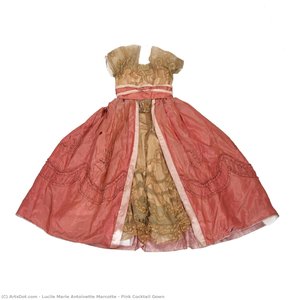
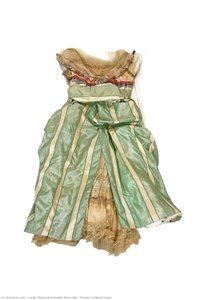
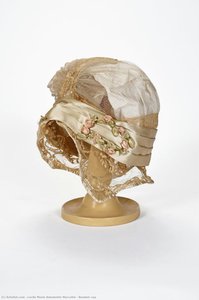
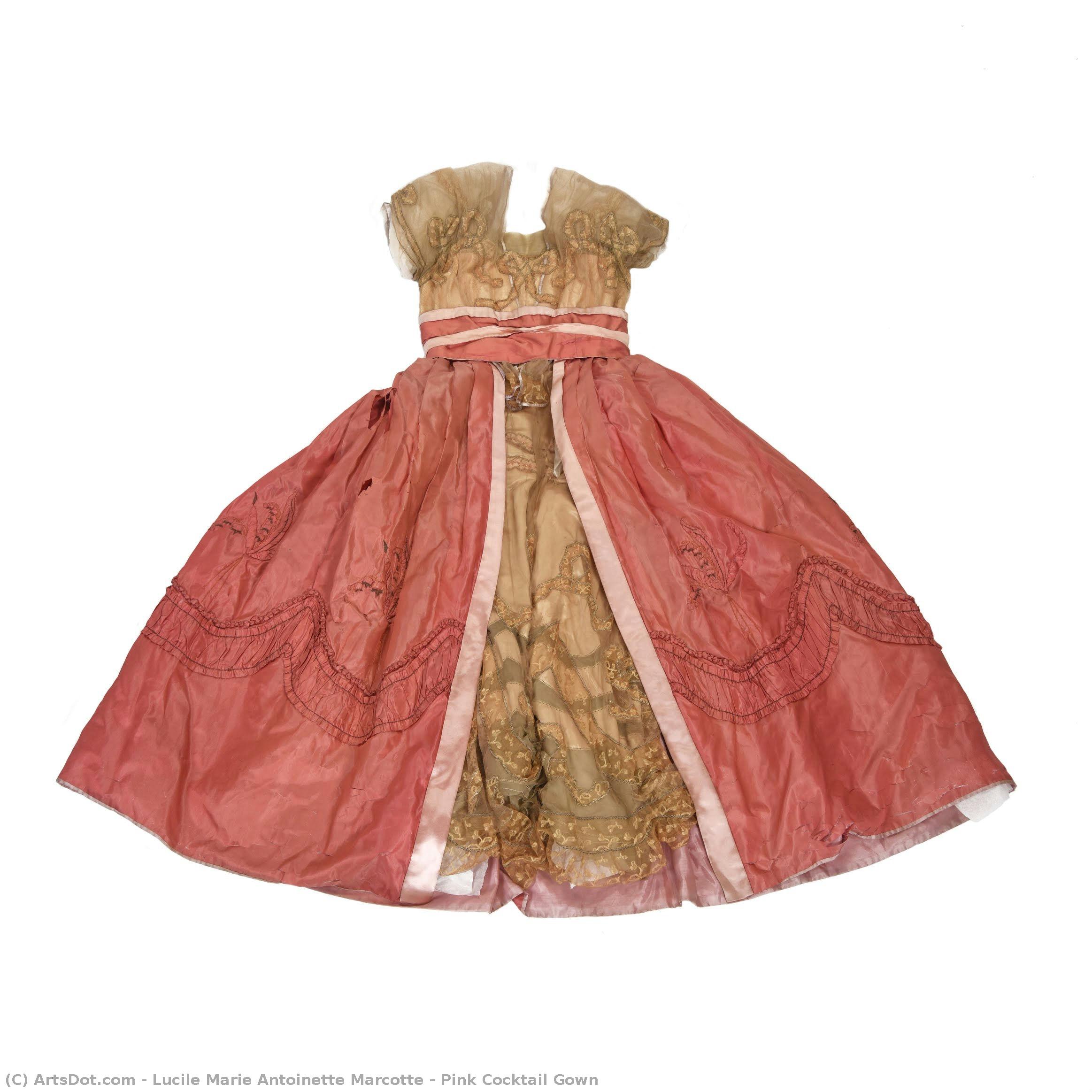
Pink Cocktail Gown


 Read More
Hand Made Oil Reproduction
Hand-painted oil on canvas in your size and frame, made to order by our artists. ( Buy Print Buy Image)




P118B $10

P118H $10

P118W $10

P438Z $10

P508JH $12

P508YH $12

P805H $10

P805Z $10

P919BZ $10

P919G $10

P919XJ $10

P959ZH $10

P968JZ $12

W106C $8

W218G $10

W218JH $8

W218Y $10

W307PJ $10

W316G $10

W316PJ $8

W316Y $10

W398PJ $8

W4111J $10

W500HY $15

W500JH $15

W692G $12

W849H $8

W940BG $15

W953PJ $8




Pick from our preset sizes that match the artwork's original proportions.

You may enter your own dimensions to fit a specific frame or space. If your selected size does not match the original image's proportions, we will either crop the artwork or extend the painting with additional hand-painted elements. A digital mockup will be sent for your approval before production begins.
Please note that the on-screen preview does not reflect the actual cropping or extension. Only the mockup will accurately show the final composition.
While custom sizes are available, we recommend selecting a dimension from the predefined list to preserve the original proportions.
After order, ArtsDot.com team will email client for instructions and provide a mockup preview
Worldwide Delivery () in 3/4 weeks instead of standard 5 weeks. (16 August). No compromise on quality.

Free Worldwide Express Shipping

High-Quality Linen Canvas

Full Shipping Insurance

Customs Tax Refund Guarantee

True Color Matching Guarantee

60-Day Return Policy (Defects Only)

100% Money-Back Guarantee

Bulk Discount Offer
 Glass option is only available in size under 110 CM

Pink Cocktail Gown
Reproduction Medium
Reproduction Size
-


Total Price
$ 263
Artwork Description
The Ephemeral Grace of Pink Cocktail Gown
To gaze upon this depiction of the Pink Cocktail Gown is to step directly into the glittering, sophisticated atmosphere of the Edwardian era's social zenith. It captures not merely an article of clothing, but a moment—a breath held between one grand promenade and the next. The gown itself, embodying the exquisite femininity that Lady Duff-Gordon’s Lucile, Ltd., was so masterful at articulating, speaks volumes about the delicate artistry woven into high society fashion of 1916. It is a vision steeped in romance, where every fold and thread seems to whisper tales of galas and whispered secrets.
Technique and Textural Poetry
The technical brilliance evident in this piece lies in its masterful handling of delicate textiles. Observe the interplay between the pink and beige tones; it is a study in subtle contrasts. The lace decoration, accented by the motif of the bow, provides focal points of structured sweetness against the softer, flowing nature of the fabric. What truly arrests the eye, however, is the openwork detailing. Here, silver thread catches the light, allowing glimpses of the under-dress through the split of the over-skirt. This layering effect—the visible peeking beneath—is a hallmark of exquisite craftsmanship, suggesting depth and an almost ethereal quality to the material itself. The deep V at the back adds a dramatic counterpoint to the overall softness, lending a necessary touch of modern allure to the historical silhouette.
Historical Echoes and Symbolism
Dating from 1916, this gown exists at a fascinating crossroads in fashion history. While it echoes the celebrated "Happiness" dress, its specific detailing grounds it firmly within the period's obsession with intricate surface decoration. The bow motif is inherently symbolic—representing tying together disparate elements, or perhaps the gentle binding of youthful joy. For the modern admirer, owning a reproduction of this piece is not just acquiring art; it is curating an atmosphere of nostalgic elegance. It speaks to a time when fashion was an overt declaration of status and refined taste.
An Object for the Modern Sanctuary
For those designing a space that demands a touch of bygone glamour, this artwork serves as more than mere decoration; it acts as a narrative centerpiece. Whether placed above a dressing table or within a grand salon, its soft palette and intricate detailing harmonize with both antique furnishings and contemporary minimalist design, provided the surrounding elements respect its inherent delicacy. It invites contemplation on beauty's fleeting nature while celebrating the enduring artistry of couture. To reproduce this gown is to capture that perfect balance: the weight of history rendered in the lightness of a dream.
Related Artworks
Artist Biography
A Life Immersed in Light and Social Observation
Marie Antoinette Marcotte, born in Troyes, France on May 31st, 1867, was an artist whose life unfolded as a delicate interplay between the aristocratic heritage of her maternal lineage and a profound empathy for the lives of those less fortunate. Her early years were marked by relocation to Brussels, Belgium with her parents—a move that would indelibly shape both her artistic perspective and her chosen subject matter. The Toudouze family boasted a rich history of artists throughout the 19th century, providing a nurturing environment where creativity was not merely encouraged but deeply ingrained. Her father’s position as Vice-Consul initially in Ostend, later Antwerp, exposed young Marie Antoinette to diverse cultural influences and a burgeoning awareness of the world beyond the confines of her privileged upbringing.Formative Years and Artistic Training
The trajectory of Marcotte's artistic development was carefully guided by exposure to prominent figures within the Belgian art scene. Early instruction from Émile Claus, a leading Impressionist painter, proved pivotal in establishing her foundational skills and fostering an appreciation for capturing fleeting moments of light and atmosphere. Following her father’s death in 1884, her mother's marriage introduced new familial dynamics, yet Marcotte remained steadfastly committed to her artistic pursuits. At the age of nineteen, she was granted the opportunity to study in Paris under Jules Joseph Lefebvre, a renowned academic painter known for his elegant portraits and historical scenes. This period broadened her technical expertise and refined her understanding of composition and form. Further studies at the Académie Royale des Beaux-Arts in Brussels, under the tutelage of Jean-François Portaels and Joseph Stallaert, solidified her artistic foundation. She also benefited from mentorship within the studio of Pieter Van Havermaet, a portrait painter whose influence is subtly discernible in her later works.Themes and Techniques: Gardens, Portraits, and Social Realism
Marcotte’s oeuvre is characterized by a compelling blend of genres—gardens and flower paintings, portraits, and genre scenes that offer poignant glimpses into the daily lives of ordinary people. Her depictions of gardens are not merely aesthetic exercises; they serve as symbolic representations of tranquility, growth, and the beauty found in nature's resilience. These idyllic settings often contrast sharply with the more sobering realities depicted in her social realist works. Marcotte possessed a keen eye for capturing the nuances of human emotion, particularly within the context of disadvantage and hardship. Her paintings frequently portray scenes of poverty, domestic labor, and the struggles faced by marginalized communities. This commitment to representing the lives of the less fortunate sets her apart from many of her contemporaries who focused primarily on more conventional subjects. Technically, Marcotte’s style reflects a synthesis of Impressionistic techniques—a vibrant palette, loose brushwork, and an emphasis on capturing light—with a grounding in academic realism. Her portraits are characterized by their sensitivity and psychological depth, while her genre scenes demonstrate a remarkable ability to convey narrative through subtle gestures and expressions.Exhibition Success and Recognition
Marcotte actively engaged with the art world throughout her career, exhibiting regularly at prestigious venues such as the Salon des Artistes Français in Paris beginning in 1901. Her work garnered recognition from critics and fellow artists alike, culminating in an honorable mention at the Salon in 1905 and the esteemed Sarah Bernhardt award in 1923. These accolades attest to her growing reputation and the increasing appreciation for her unique artistic vision. While she achieved a degree of success during her lifetime, Marcotte’s work remained relatively obscure for many years following her death in Paris in 1929. Today, however, there is a renewed interest in her paintings, which are increasingly sought after by collectors and scholars alike. Her works can be found in both private collections and public museums across Belgium, including those in Brussels, Courtrai, Antwerp, and Ghent.Historical Significance and Enduring Legacy
Marie Antoinette Marcotte occupies a unique position within the landscape of late 19th and early 20th-century art. Her willingness to address social issues through her paintings—a departure from the more decorative tendencies prevalent at the time—demonstrates a commitment to using art as a vehicle for empathy and awareness. Her work provides valuable insights into the living conditions of disadvantaged communities in Belgium during this period, offering a counterpoint to idealized representations of society. Furthermore, her synthesis of Impressionistic techniques with academic realism creates a distinctive visual style that is both captivating and emotionally resonant. Marcotte’s legacy lies not only in the beauty and technical skill of her paintings but also in her unwavering dedication to portraying the human condition with sensitivity and compassion. Her art serves as a powerful reminder of the importance of social observation and the enduring power of empathy in shaping our understanding of the world.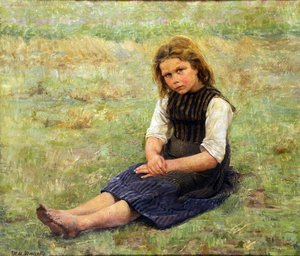
lucile marie antoinette marcotte
1867 - 1929 , France
Quick Facts
- Artistic Movement Or Style: Social realism, Impressionism
- Artists Who Influenced This Artist:
- Emile Claus
- Jules Lefebvre
- Jean-François Portaels
- Joseph Stallaert
- Date Of Birth: May 31, 1867
- Date Of Death: 1929
- Full Name: Marie Antoinette Marcotte
- Nationality: French
- Notable Artworks:
- Jacket
- Pink Cocktail Gown
- Walking Dress
- With the Poor at Home
- Place Of Birth: Troyes, France
Related Articles
Blush & Brilliance: 10 Iconic Paintings Dominated by Light Pink Tones |
Explore 10 iconic paintings bathed in captivating light pink tones! From Monet's Impressionism to Renoir’s romance, discover the stories behind these blush-hued masterpieces. Find museum-quality art reproductions & decor inspiration at .
Draped Narratives: Fashion as Symbol & Subject in Historical Art
Explore the fascinating history of fashion as a symbol of power & status in art! Discover masterpieces from Gainsborough to Tissot and learn how clothing shaped societal narratives. Find museum-quality reproductions at ArtsDot.
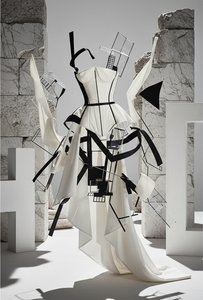
Gianfranco Ferré: Deconstructing Haute Couture – A Legacy of Architectural Form
Explore the revolutionary world of Gianfranco Ferré, 'the architect of fashion.' Discover his architectural approach to haute couture, iconic Dior designs, and lasting influence on luxury style. A deep dive for collectors & enthusiasts.
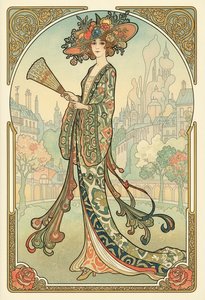
Georges Barbier: A Synthesis of Art Nouveau Elegance & Early 20th-Century Fashion Illustration
Explore the exquisite world of Georges Barbier, a leading Art Nouveau illustrator celebrated for his opulent fashion designs & masterful pochoir technique. Discover his legacy and find collectible art at ArtsDot.
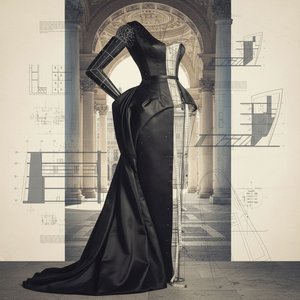
Cristóbal Balenciaga: Deconstructing Haute Couture's Architectural Legacy
Explore the revolutionary world of Cristóbal Balenciaga, the 'couturier's couturier'. Discover his architectural designs, lasting influence on haute couture, and guide to collecting rare pieces. A connoisseur’s resource.