 Preview
 Send
Send Share
Share
 Details

 Download
 Similars
 X-Ray
X-Ray Diaporama
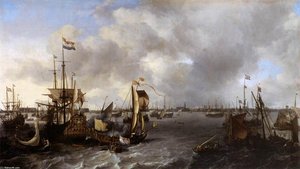
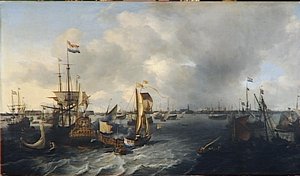
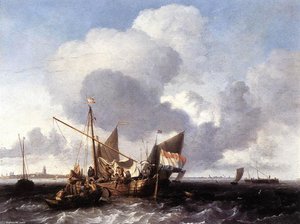
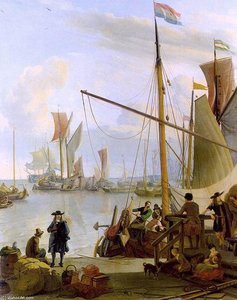
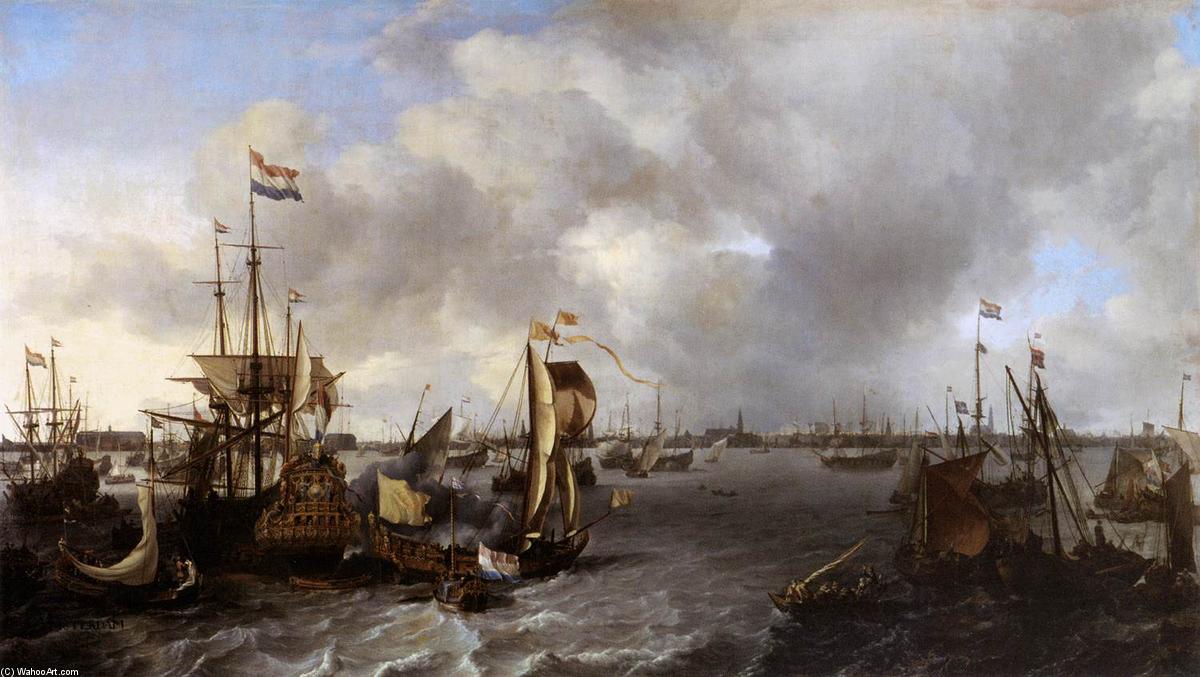
View of Amsterdam with Ships on the Ij
 Acrylic On Canvas
- WallArt
- Baroque
 1666
1666 128.0 x 221.0 cm
 The Louvre
 Read More
Hand Made Oil Reproduction
Hand-painted oil on canvas in your size and frame, made to order by our artists. ( Buy Print Buy Image)




P118B $10

P118H $10

P118W $10

P438Z $10

P508JH $12

P508YH $12

P805H $10

P805Z $10

P919BZ $10

P919G $10

P919XJ $10

P959ZH $10

P968JZ $12

W106C $8

W218G $10

W218JH $8

W218Y $10

W307PJ $10

W316G $10

W316PJ $8

W316Y $10

W398PJ $8

W4111J $10

W500HY $15

W500JH $15

W692G $12

W849H $8

W940BG $15

W953PJ $8




Pick from our preset sizes that match the artwork's original proportions.

You may enter your own dimensions to fit a specific frame or space. If your selected size does not match the original image's proportions, we will either crop the artwork or extend the painting with additional hand-painted elements. A digital mockup will be sent for your approval before production begins.
Please note that the on-screen preview does not reflect the actual cropping or extension. Only the mockup will accurately show the final composition.
While custom sizes are available, we recommend selecting a dimension from the predefined list to preserve the original proportions.
After order, ArtsDot.com team will email client for instructions and provide a mockup preview
Worldwide Delivery () in 3/4 weeks instead of standard 5 weeks. (16 August). No compromise on quality.

Free Worldwide Express Shipping

High-Quality Linen Canvas

Full Shipping Insurance

Customs Tax Refund Guarantee

True Color Matching Guarantee

60-Day Return Policy (Defects Only)

100% Money-Back Guarantee

Bulk Discount Offer
 Glass option is only available in size under 110 CM

View of Amsterdam with Ships on the Ij
Reproduction Medium
Reproduction Size
-


Total Price
$ 263
Artwork Description
A Window into 17th Century Amsterdam: Ludolf Backhuysen’s “View of Amsterdam with Ships on the Ij”
Ludolf Backhuysen's "View of Amsterdam with Ships on the Ij," painted in 1666, isn’t merely a depiction of a harbor scene; it’s a vibrant snapshot of a city at its zenith – a testament to the wealth, power, and artistic flourishing of the Dutch Golden Age. More than just a painting, it's an immersive experience, transporting the viewer directly into the bustling heart of Amsterdam during a period of unprecedented maritime dominance. The work immediately captivates with its dramatic lighting, a hallmark of Backhuysen’s signature style, and the sheer scale of the harbor activity, rendered with meticulous detail that speaks to both technical mastery and a profound appreciation for the natural world.
The painting's composition is a carefully orchestrated dance between chaos and control. A multitude of ships – ranging from modest fishing vessels to imposing merchant galleons – dominate the foreground and middle ground, their sails billowing in the wind, creating an impression of restless energy. Yet, Backhuysen doesn’t succumb to mere visual overload. The artist skillfully employs atmospheric perspective, softening distant elements and subtly guiding the eye through the scene. The cityscape receding into the background, a hazy blend of buildings and rooftops, provides a grounding element, anchoring the dynamic maritime activity within the context of a thriving urban center.
Baroque Drama: Technique and Artistic Influence
Backhuysen’s technique is deeply rooted in the Baroque tradition, but with a distinctly Dutch sensibility. He masterfully utilizes oil paints to achieve an astonishing level of realism – from the intricate rigging of the ships to the texture of the water and the weathered faces of the sailors. Notice the way he captures the play of light on the waves, creating shimmering highlights and deep shadows that imbue the scene with a palpable sense of drama. The artist’s use of impasto—thickly applied paint—adds physicality and depth to the canvas, particularly in depicting the ships' sails and hulls. It is said that Backhuysen would often venture out on his own boat to study these scenes firsthand, ensuring an unparalleled level of accuracy.
Backhuysen’s work owes a debt to earlier maritime painters like Willem van de Velde the Elder and Younger, but he forged his own unique style. His compositions are characterized by their dynamic energy, often depicting turbulent seas and dramatic weather conditions – a reflection of the inherent risks associated with seafaring during that era. The influence of Rembrandt’s masterful use of light is also evident in Backhuysen's work, particularly in the way he employs chiaroscuro—the contrast between light and dark—to create mood and drama.
Symbolism and the Spirit of Amsterdam
Beyond its technical brilliance, “View of Amsterdam with Ships on the Ij” is rich in symbolic meaning. The bustling harbor represents not just a commercial hub but also the heart of Amsterdam’s burgeoning wealth and power. The ships themselves symbolize the city's dominance in international trade, connecting it to distant lands and fueling its economic prosperity. The stormy sky hints at the unpredictable nature of life – both literally and metaphorically – while the detailed depiction of the ships speaks to the importance of maritime skills and craftsmanship. It’s a painting that encapsulates the spirit of an age defined by exploration, innovation, and ambition.
The painting's current location in the Louvre Museum is itself significant, reflecting its enduring artistic value and historical importance. It stands as a powerful reminder of Amsterdam’s golden era – a time when the city was at the forefront of global trade and culture, leaving an indelible mark on art history.
Related Artworks
Artist Biography
early life and training
ludolf backhuysen i, a german-born dutch painter, was born on december 28, 1630, in emden, east frisia. he moved to amsterdam around 1650, where he initially worked as a merchant's clerk and calligrapher. however, his true passion lay in art, and he soon devoted himself to painting, studying under the esteemed masters allart van everdingen and hendrik dubbels.rise to prominence
backhuysen's artistic talent quickly gained recognition, particularly in his maritime subjects. after willem van de velde the elder and younger left for england in 1672, backhuysen became the leading dutch painter of maritime art. his compositions, characterized by intense realism, often featured rough seas. to capture the effects of storms, he would frequently venture into the open sea in a small boat.notable works and legacy
some of backhuysen's notable works include:- ships in a storm (1670s-1690s)
- seascape and fishing boats (1708)
- battle of vigo bay (1702)
- dutchman embarking onto a yacht (1670-1679)
- johan de liefde, vice-admiral
later life and death
in 1699, backhuysen opened a gallery on the top floor of the famous amsterdam townhall. after a visit to england, he passed away in amsterdam on november 17, 1708. view more works by ludolf backhuysen i on ArtsDot.com: [https://ArtsDot.com/@/ludolf%20backhuysen%20i](https://ArtsDot.com/@/ludolf%20backhuysen%20i) explore the dutch golden age art movement on ArtsDot.com: /en/art/show/art-d3cph3-en/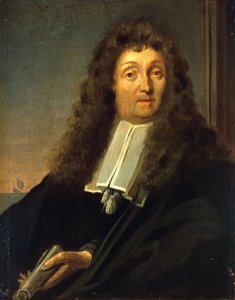
ludolf backhuysen i
1630 - 1708 , Germany
Quick Facts
- Artistic Movement Or Style: Dutch Baroque
- Artists Or Movements Influenced By This Artist: ['Maritime Art']
- Artists Who Influenced This Artist:
- Allart van Everdingen
- Hendrik Dubbels
- Date Of Birth: December 28, 1630
- Date Of Death: November 17, 1708
- Full Name: Ludolf Backhuysen I
- Nationality: Dutch
- Notable Artworks:
- Ships in a Storm
- Seascape and Fishing Boats
- Battle of Vigo Bay
- Place Of Birth: Emden, Germany
Related Articles

Dutch Masters: 10 Golden Age Paintings That Still Inspire |
Journey into the Dutch Golden Age! Explore 10 iconic paintings by Rembrandt, Vermeer & Hals. Discover the stories behind these Baroque masterpieces and find museum-quality art reproductions to elevate your home decor on .
Ludolf Backhuysen I: Master of Dutch Marine Painting & Atmospheric Realism
Explore the captivating world of Ludolf Backhuysen I, a master of Dutch marine painting. Discover his signature realism, atmospheric seascapes & lasting influence on art history. Learn about collecting and appreciating this Golden Age artist.

Golden Age Reflections: Dutch Baroque Painting & Cultural Innovation
Explore the Dutch Golden Age of painting! Discover key artists like Vermeer & ter Borch, their innovative techniques, and the rich cultural context behind these Baroque masterpieces. Learn about collecting & appreciating this iconic art period.

Illuminating Innovation: Exploring the Dutch Golden Age of Painting
Explore the Dutch Golden Age of painting with ArtsDot. Discover Rembrandt, Vermeer & other Masters. Learn about key characteristics, iconic artworks, and lasting influence. Expert insights for collectors & enthusiasts.
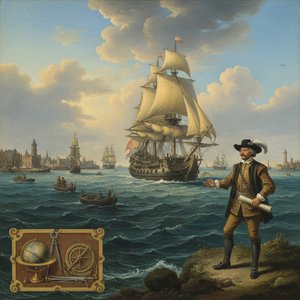
Abraham Hulk Senior: Pioneering Maritime Topography of the Dutch Golden Age
Explore the captivating seascapes of Abraham Hulk Senior, a leading Anglo-Dutch marine painter of the 19th century. Discover his signature style, family legacy & collectable artworks at ArtsDot.