 Preview
 Send
Send Share
Share
 Details

 Download
 Similars
 X-Ray
X-Ray Diaporama
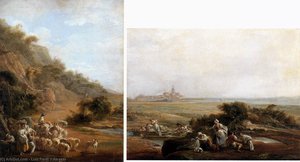
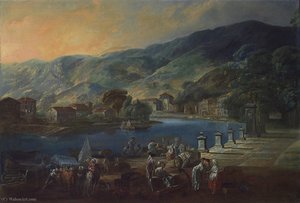
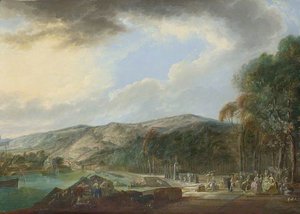
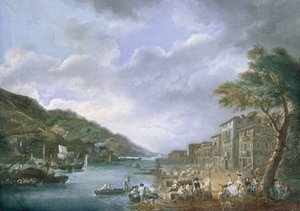
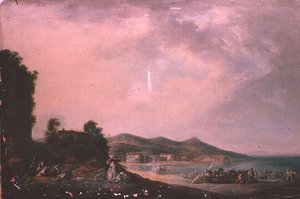
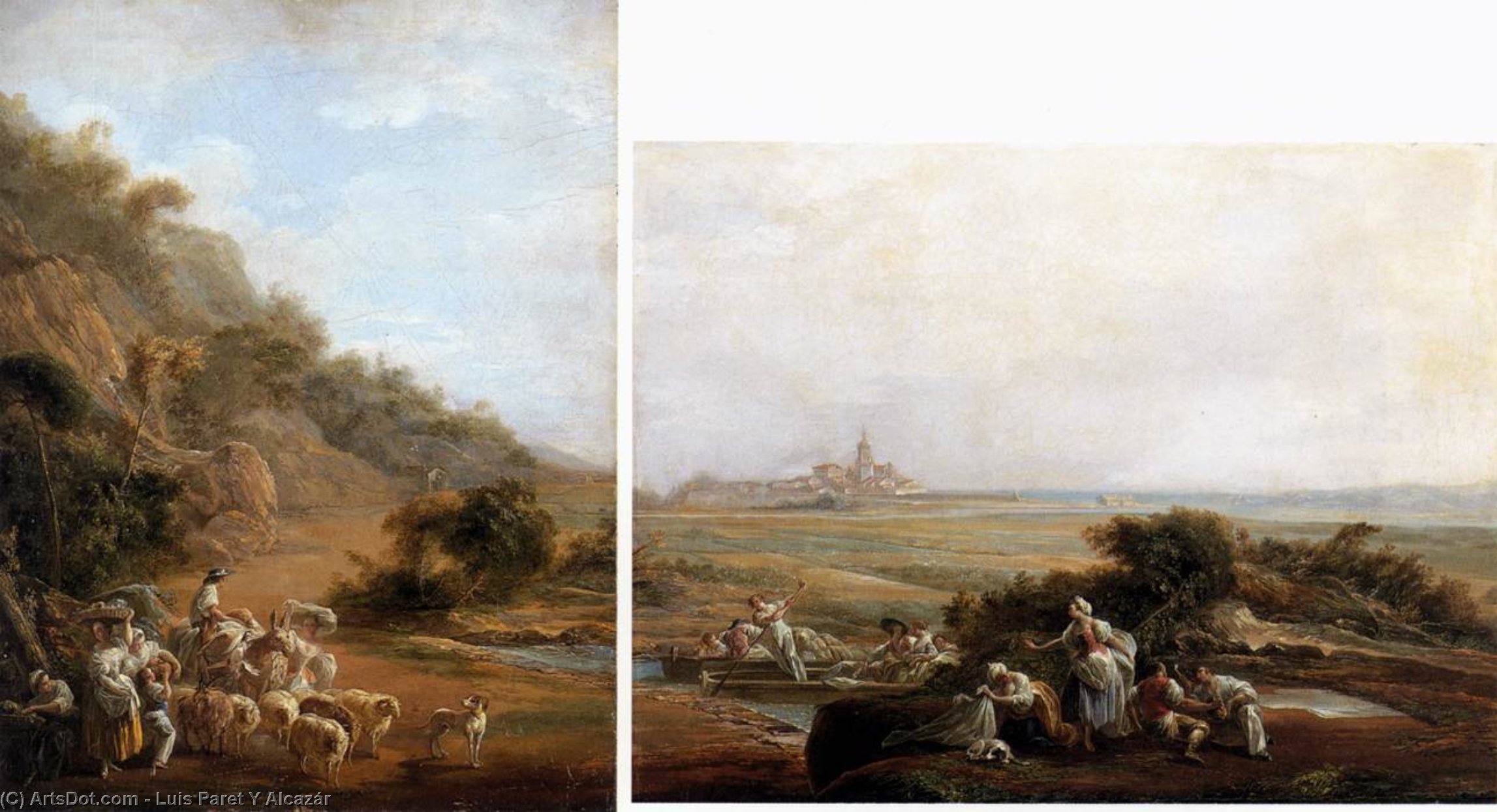
Village Scene and View of Fuenterrabia
 Oil On Canvas
- WallArt
- Rococo
 1786
1786- Early Modern
 48.0 x 37.0 cm
 Museo de Bellas Artes
 Read More
Hand Made Oil Reproduction
Hand-painted oil on canvas in your size and frame, made to order by our artists. ( Buy Print Buy Image)




P118B $10

P118H $10

P118W $10

P438Z $10

P508JH $12

P508YH $12

P805H $10

P805Z $10

P919BZ $10

P919G $10

P919XJ $10

P959ZH $10

P968JZ $12

W106C $8

W218G $10

W218JH $8

W218Y $10

W307PJ $10

W316G $10

W316PJ $8

W316Y $10

W398PJ $8

W4111J $10

W500HY $15

W500JH $15

W692G $12

W849H $8

W940BG $15

W953PJ $8




Pick from our preset sizes that match the artwork's original proportions.

You may enter your own dimensions to fit a specific frame or space. If your selected size does not match the original image's proportions, we will either crop the artwork or extend the painting with additional hand-painted elements. A digital mockup will be sent for your approval before production begins.
Please note that the on-screen preview does not reflect the actual cropping or extension. Only the mockup will accurately show the final composition.
While custom sizes are available, we recommend selecting a dimension from the predefined list to preserve the original proportions.
After order, ArtsDot.com team will email client for instructions and provide a mockup preview
Worldwide Delivery () in 3/4 weeks instead of standard 5 weeks. (3 September). No compromise on quality.

Free Worldwide Express Shipping

High-Quality Linen Canvas

Full Shipping Insurance

Customs Tax Refund Guarantee

True Color Matching Guarantee

60-Day Return Policy (Defects Only)

100% Money-Back Guarantee

Bulk Discount Offer
 Glass option is only available in size under 110 CM

Village Scene and View of Fuenterrabia
Reproduction Medium
Reproduction Size
-


Total Price
$ 263
A Window into the Eighteenth Century: The Dual Worlds of Luis Paret y Alcázar
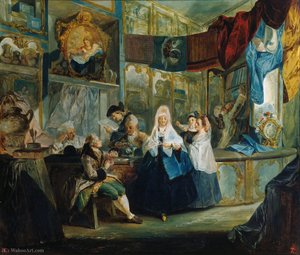
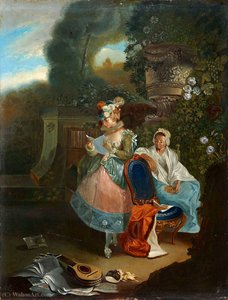
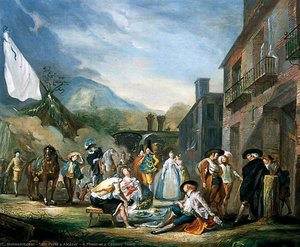
In the delicate dance of light and shadow captured within Village Scene and View of Fuenterrabia, we are invited to step through a portal into the year 1786. This exquisite diptych by the Spanish master Luis Paret y Alcázar serves as more than just a visual record; it is a poetic meditation on the duality of existence during the late Rococo period. Through his masterful use of oil on canvas, Paret presents two contrasting yet harmonious perspectives of Spanish life. On one side, we encounter the intimate, rhythmic pulse of rural existence, where the earth and its inhabitants are bound by the shared labors of the day. On the other, the eye is drawn toward the expansive, salt-kissed horizon of a coastal town, where architecture meets the infinite sea. It is a work that captures the very essence of the Spanish Enlightenment—a period defined by an intense curiosity about the world and a profound appreciation for the beauty found in both the mundane and the magnificent.
The artistry of Paret is most evident in his ability to weave Rococo elegance into scenes of startling realism. His technique is characterized by a refined, delicate brushstroke that lends a soft, almost ethereal quality to the landscape. In the "Village Scene," the artist employs a palette of muted, earthy tones to ground the viewer in the reality of the countryside. One can almost hear the lowing of cattle and the quiet murmur of villagers gathered in the marketplace. The composition is meticulously balanced, using natural elements like trees and shrubs to frame the human drama unfolding within. This attention to detail does not merely document a location; it breathes life into the figures, imbuing them with a sense of dignity and purpose that elevates genre painting to the realm of high art.
Transitioning from the terrestrial to the maritime, the "View of Fuenterrabia" offers a breathtaking shift in scale and atmosphere. Here, Paret utilizes a masterful sense of perspective to draw the viewer toward the distant church spire and the undulating coastline. The sky, draped in soft, overcast clouds, casts a gentle, diffused light that softens the edges of the coastal architecture, creating an atmosphere of profound serenity. This side of the diptych speaks to the human desire for exploration and the awe inspired by the vastness of the natural world. The subtle interplay between the solid structures of the town and the fluid, receding horizon creates a sense of depth that is both intellectually stimulating and visually soothing.
For the discerning collector or interior designer, this diptych represents a rare opportunity to possess a piece of historical narrative. The work’s ability to evoke calm and contemplation makes it an ideal centerpiece for spaces designed for reflection, such as a private library, a sophisticated study, or an elegant salon. Whether one is drawn to the nostalgic charm of the rural landscape or the sweeping romanticism of the coastal view, Paret’s work offers a timeless aesthetic that complements both classical and contemporary decor. To hang a high-quality reproduction of this masterpiece is to invite the spirit of the 18th-century Spanish Enlightenment into the modern home, fostering an environment of grace, history, and enduring beauty.
Related Artworks

Artist Biography
A Rococo Visionary: The Luminous World of Luis Paret y Alcázar
In the vibrant, sun-drenched tapestry of 18th-century Spain, few artists captured the delicate interplay of light and social elegance as masterfully as Luis Paret y Alcázar. A true visionary of the late Baroque and Rococo periods, Paret possessed a rare ability to transform the mundane into the magnificent. His life, spanning from his birth in Madrid in 1746 to his passing in 1799, was a journey through the heart of Spanish cultural evolution. Through his brush, the rigid structures of tradition met the airy, whimsical spirit of the Rococo, creating a body of work that remains a shimmering window into an era of profound transformation.
Paret’s artistic foundation was laid within the prestigious halls of the Academia Real de San Fernando. Under the tutelage of Antonio González Velázquez, he absorbed the rigorous techniques of the Spanish tradition, yet his spirit yearned for something more cosmopolitan. This thirst for innovation led him to the studio of the French painter Charles de la Traverse. This pivotal association introduced Paret to French artistic sensibilities, infusing his work with a certain je ne sais quoi—a lightness and grace that would become his hallmark. His early academic triumphs, including winning first prize in a prestigious painting contest in 1766, signaled the arrival of a prodigious talent capable of bridging the gap between Spanish gravity and European elegance.
The Art of the Vedute and the Spirit of Place
One of Paret’s most enduring legacies lies in his mastery of the vedute—detailed, panoramic landscapes that serve as topographical chronicles of the Spanish empire. He was a painter of ports and horizons, capturing the bustling maritime life of locations such as Cádiz and Puerto Rico with an almost scientific precision tempered by artistic soul. These works were more than mere maps; they were atmospheric evocations of a world in motion. In his depictions of harbors, one can sense the salt spray and the rhythmic pulse of trade, rendered through a meticulous attention to detail that celebrates both the grandeur of the landscape and the intricate machinery of human commerce.
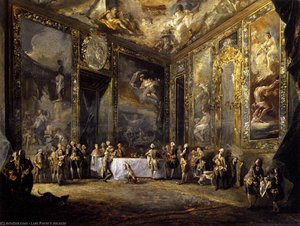
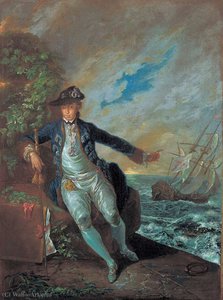
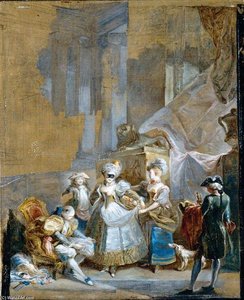
Beyond the sweeping vistas, Paret found profound beauty in the intimate "bambochadas"—genre scenes that offered nuanced portrayals of everyday life. These compositions often featured the upper echelons of society engaged in refined leisure, such as the captivating Elegant Company Preparing for a Masked Ball. In these moments, Paret utilized a palette of soft colors and luminous light to evoke the textures of silk, lace, and powdered skin. His ability to render the opulent spirit of the court, seen in works like Charles III Dining Before the Court, allowed him to document the social dynamics of Enlightenment Spain with unparalleled grace.
Legacy and Artistic Significance
The significance of Luis Paret y Alcázar extends far beyond the borders of Spain. His influence traveled across oceans, notably shaping the trajectory of Puerto Rican art through his pupil, José Campeche. Even when faced with the political upheavals that led to periods of exile, Paret’s commitment to his craft remained unshakable. His technical versatility—ranging from the delicate precision of pen and ink studies to the vibrant, luminous quality of oil on copper—demonstrates an artist who was constantly pushing the boundaries of his medium.
Today, the works of Paret, many of which are preserved in the hallowed halls of the Museo del Prado, serve as essential touchstones for understanding the transition from the dramatic shadows of the Baroque to the light-filled optimism of the Rococo. He remains a celebrated figure whose oeuvre captures the very essence of an age: a period defined by a search for beauty, a fascination with the new, and an enduring reverence for the elegance of the human experience.

luis paret y alcázar
1746 - 1799
Quick Facts
- Artistic Movement Or Style: Rococo
- Artists Or Movements Influenced By This Artist: ['Charles de la Traverse']
- Artists Who Influenced This Artist: ['Antonio González Velázquez']
- Date Of Death: 1799
- Full Name: Luis Paret y Alcázar
- Nationality: Spanish
- Notable Artworks:
- Village Scene and View of Fuenterrabia
- Esperando los Reyes
- Place Of Birth: Madrid, Spain
Related Articles

Rococo's Radiant Legacy: 10 Masterpieces for Your Home |
Indulge in the elegance of Rococo! Explore 10 masterpieces by Fragonard, Boucher & Watteau. Discover the stories behind these iconic paintings and bring timeless art to your home with museum-quality reproductions from .

The Rococo Aesthetic: Opulence, Rebellion & the Pursuit of Pleasure in 18th-Century Art
Explore the opulent world of Rococo art! Discover its origins, key artists like Watteau & Boucher, and lasting influence on design. Expert insights for collectors & enthusiasts.

The Allure of Elegance in Art: A Historical & Aesthetic Exploration of Refinement & Grace
Explore the exquisite world of Rococo art! Discover its history, masters (Watteau, Boucher & more), and defining elegance. Expert insights for collectors seeking museum-quality reproductions & custom portraits.
Evoking the Horizon: A Historical & Artistic Exploration of Coastal Scenes in Painting
Explore the rich history of coastal scenes in painting! Discover Impressionist masterpieces, American realism & contemporary visions. Learn about renowned artists and find your perfect seascape at ArtsDot.
The Rococo Style: Aristocratic Leisure & the Pursuit of Delight in 18th-Century Art
Explore the opulent world of Rococo art! Discover Watteau, Boucher & Nattier's masterpieces. Expert insights for collectors seeking museum-quality reproductions and custom portraits at ArtsDot.