 Preview
 Send
Send Share
Share
 Details

 Download
 Similars
 X-Ray
X-Ray Diaporama
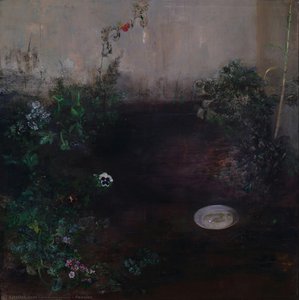
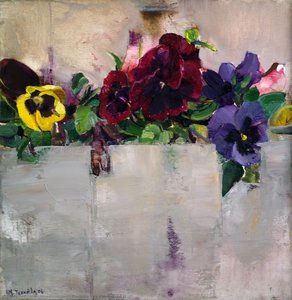
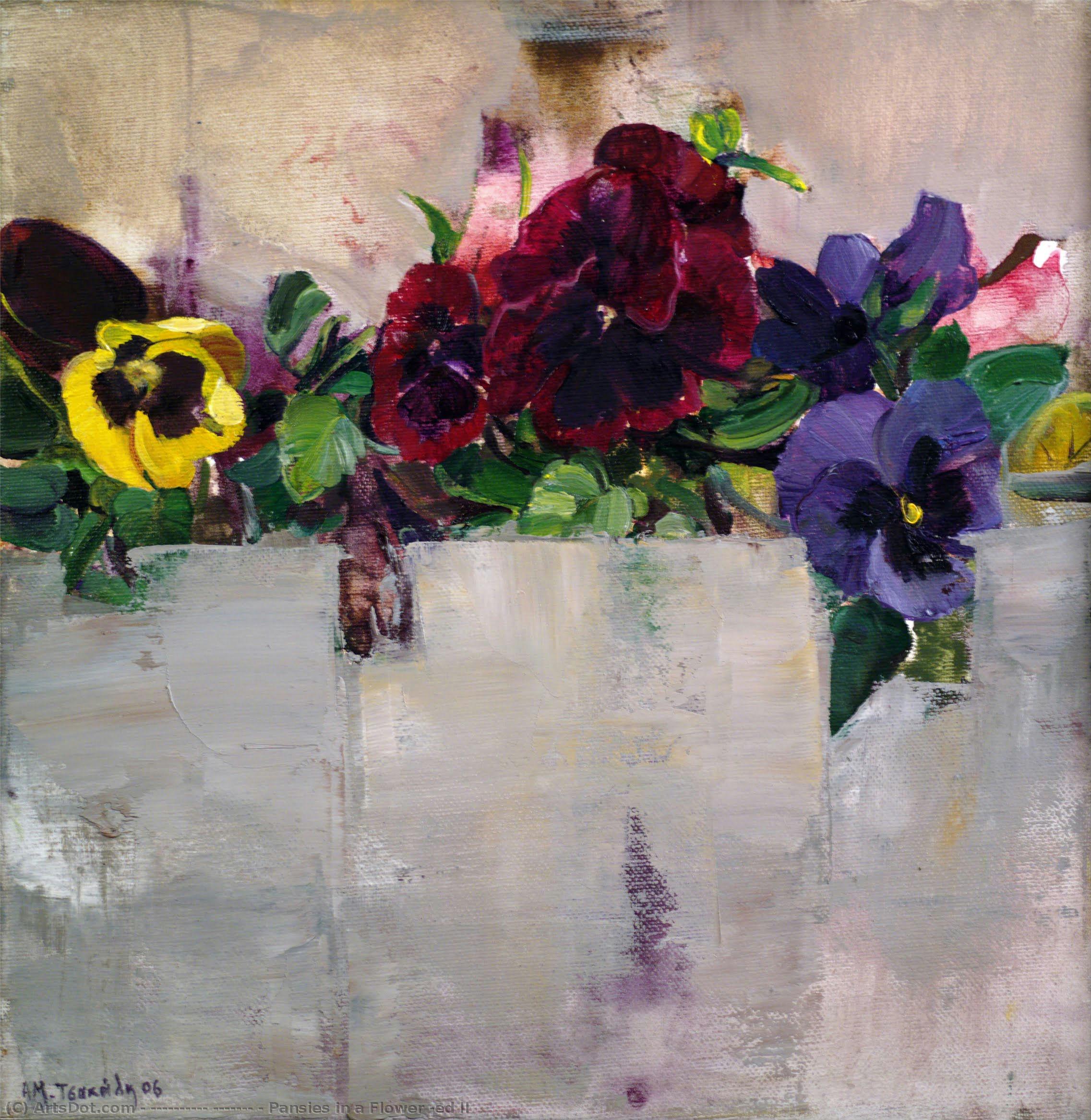
Pansies in a Flower Βed II
 Acrylic
- WallArt
- Romantic Landscape Painting
 2006
2006 30.0 x 30.0 cm
 The Sotiris Felios Collection
 Read More
Hand Made Oil Reproduction
Hand-painted oil on canvas in your size and frame, made to order by our artists. ( Buy Print Buy Image)




P118B $10

P118H $10

P118W $10

P438Z $10

P508JH $12

P508YH $12

P805H $10

P805Z $10

P919BZ $10

P919G $10

P919XJ $10

P959ZH $10

P968JZ $12

W106C $8

W218G $10

W218JH $8

W218Y $10

W307PJ $10

W316G $10

W316PJ $8

W316Y $10

W398PJ $8

W4111J $10

W500HY $15

W500JH $15

W692G $12

W849H $8

W940BG $15

W953PJ $8




Pick from our preset sizes that match the artwork's original proportions.

You may enter your own dimensions to fit a specific frame or space. If your selected size does not match the original image's proportions, we will either crop the artwork or extend the painting with additional hand-painted elements. A digital mockup will be sent for your approval before production begins.
Please note that the on-screen preview does not reflect the actual cropping or extension. Only the mockup will accurately show the final composition.
While custom sizes are available, we recommend selecting a dimension from the predefined list to preserve the original proportions.
After order, ArtsDot.com team will email client for instructions and provide a mockup preview
Worldwide Delivery () in 3/4 weeks instead of standard 5 weeks. (23 August). No compromise on quality.

Free Worldwide Express Shipping

High-Quality Linen Canvas

Full Shipping Insurance

Customs Tax Refund Guarantee

True Color Matching Guarantee

60-Day Return Policy (Defects Only)

100% Money-Back Guarantee

Bulk Discount Offer
 Glass option is only available in size under 110 CM

Pansies in a Flower Βed II
Reproduction Medium
Reproduction Size
-


Total Price
$ 263
Artwork Description
A Delicate Symphony of Color and Light: Exploring Maxim Vorobyov’s “Pansies in a Flower Bed II”
This stunning still life painting by Maxim Nikiforovich Vorobyov, created in 2006, transcends mere botanical representation; it embodies the Romantic spirit of its era—a fascination with beauty, emotion, and the sublime rendered with remarkable precision. Measuring 30 x 30 cm, “Pansies in a Flower Bed II” isn’t just a visual delight; it's an invitation to contemplate the fleeting nature of existence and the enduring power of artistic observation.Subject Matter and Composition
The painting focuses on a vase brimming with pansies alongside other blossoms—primarily purple and yellow varieties—creating a harmonious arrangement that speaks volumes about Vorobyov’s meticulous attention to detail. The artist skillfully employs compositional techniques typical of Romantic landscape painters, prioritizing balance and serenity. The vase itself serves as a central anchor, directing the viewer's gaze across the floral tapestry. Notice how Vorobyov utilizes light and shadow to sculpt the petals and stems, enhancing their textural richness and conveying a palpable sense of atmosphere.Style and Technique: Romantic Precision
Vorobyov’s style aligns perfectly with the tenets of Romanticism—a movement that championed individualism, emotion, and imaginative vision alongside scientific observation. Unlike earlier academic styles prioritizing idealized forms, Vorobyov embraced realism, striving to capture the nuances of natural beauty as perceived by the human eye. He achieved this through painstaking brushwork, layering thin glazes of pigment to build up luminous surfaces and creating subtle gradations of color that mimic the effects of sunlight filtering through foliage. The artist’s mastery is evident in his ability to convey both visual accuracy and emotional resonance simultaneously.Historical Context: Russia's Romantic Awakening
“Pansies in a Flower Bed II” emerged during Russia’s Romantic awakening—a period marked by intellectual ferment, social reform, and an increasing appreciation for the expressive potential of art. Influenced by thinkers like Goethe and Wordsworth, Vorobyov sought to depict not just what he saw but also how he felt about it. The painting reflects a broader cultural preoccupation with capturing fleeting moments of beauty and conveying profound emotional truths—themes central to Romantic artistic discourse. Its creation coincided with a burgeoning interest in plein air painting and a desire to move away from studio conventions toward more spontaneous and truthful representations of the natural world.Symbolism: Beauty Amidst Impermanence
The choice of pansies – known for their delicate petals and association with remembrance—adds another layer of symbolic significance to the artwork. They serve as a poignant reminder of mortality, yet simultaneously celebrate the vibrancy and beauty of life’s transient moments. The inclusion of yellow flowers symbolizes optimism and joy, contrasting beautifully with the purple hues that evoke feelings of melancholy and contemplation. Vorobyov's deliberate selection of floral motifs underscores the Romantic preoccupation with exploring complex emotions and confronting existential questions.Emotional Impact: A Moment Frozen in Time
Ultimately, “Pansies in a Flower Bed II” succeeds in transporting viewers to a tranquil garden scene—a space imbued with both visual splendor and emotional depth. The painting’s luminous palette and masterful brushwork evoke feelings of serenity and contemplation, inviting us to savor the beauty of the natural world while acknowledging its inevitable passage. It's a testament to Vorobyov’s artistic vision and his ability to capture the essence of Romantic sensibility—a timeless masterpiece that continues to inspire admiration for its exquisite craftsmanship and profound emotional impact.Related Artworks
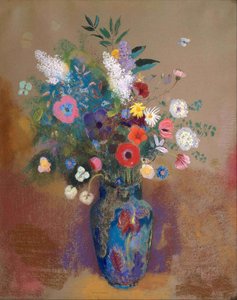
Artist Biography
Maxim Vorobyov: A Romantic Observer of Russia and the East
Born in Pskov in 1787, Maxim Nikiforovich Vorobyov’s life was a tapestry woven from military service, artistic apprenticeship, diplomatic missions, and profound personal loss. He wasn't merely a painter; he was an explorer of both landscapes and human experience, capturing the essence of his time with a keen eye for detail and a sensitivity that resonated deeply within his work. His journey, spanning from the historic heartland of Russia to the exotic shores of Palestine and Italy, shaped him into one of the most compelling figures in 19th-century Russian landscape painting.
Vorobyov’s early life was surprisingly humble. The son of a retired soldier who later served as a custodian at the Imperial Academy of Arts, he received his initial artistic training at the tender age of ten. This unconventional start—a young boy apprenticed to the rigorous world of art—laid the foundation for his meticulous approach and deep understanding of composition. He began his formal studies in landscape painting with Fyodor Alekseyev, a master of urban scenes, and further honed his skills under Jean-François Thomas de Thomon, an architect whose influence is evident in Vorobyov’s architectural renderings and his ability to integrate buildings seamlessly into the broader landscape.
His early career was marked by service to the Russian military. In 1809, he joined Alekseyev on an expedition to document the historic regions of Central Russia, a formative experience that instilled in him a deep appreciation for the country’s diverse geography and architectural heritage. This journey culminated in his participation in the campaigns of 1813-1814 alongside the Russian army in Germany and France – experiences that undoubtedly shaped his understanding of war and its impact on the land. These years weren't just about military observation; Vorobyov’s role as an assistant allowed him to develop his artistic skills, sketching battlefields and fortifications with a remarkable level of detail.
Palestine and the Diplomatic Mission
Perhaps the most significant chapter in Vorobyov’s career unfolded during his 1820 mission to Palestine on behalf of Grand Duke Nikolai Pavlovich. This wasn't a simple artistic excursion; it was a carefully orchestrated diplomatic undertaking designed to document the Christian sites of the region for potential reconstruction projects near Moscow. Operating under strict secrecy, often facing interference from Ottoman authorities wary of Russian influence, Vorobyov undertook a remarkable feat of observation and documentation. He meticulously sketched ancient ruins—the remnants of Jerusalem’s Second Temple, the Dead Sea—and contemporary scenes of bustling cities like Jaffa and Smyrna. His watercolors weren't merely representations; they were attempts to capture the spirit and atmosphere of these places, reflecting both their historical significance and their vibrant present.
The resulting collection of over ninety watercolor sheets became a valuable resource for architects and planners. The project demanded discretion, requiring Vorobyov to work in secret, navigating complex political landscapes and cultural sensitivities. This clandestine nature only adds to the intrigue surrounding his work, highlighting the importance he placed on preserving these historical sites.
A Painter of Loss and Reflection
The sudden death of his beloved wife, Cleo, in 1840 plunged Vorobyov into a period of profound grief and alcoholism. This personal tragedy dramatically impacted his artistic output, leading to a decline in the quality and quantity of his work. He retreated into himself, seeking solace through travel—specifically, a journey to Italy between 1844 and 1846. During this time, he produced a series of sketches, driven by an attempt to overcome his sorrow and rediscover inspiration. These later works, though often characterized by a melancholic mood, reveal a continued mastery of technique and a deep sensitivity to light and atmosphere.
Despite the diminished output, Vorobyov’s legacy endures through his evocative depictions of Russian landscapes, historical sites, and the exotic beauty of Palestine. His work stands as a testament to his artistic skill, his adventurous spirit, and his ability to capture the essence of a bygone era. His paintings offer a unique window into 19th-century Russia—a nation grappling with its identity, exploring its past, and venturing into the wider world.
Key Works and Artistic Style
Vorobyov’s artistic style is characterized by meticulous detail, a strong sense of perspective, and a Romantic sensibility. He was particularly adept at capturing the effects of light and shadow, creating atmospheric landscapes that evoke a profound emotional response. His paintings often feature grand vistas, meticulously rendered buildings, and figures engaged in everyday activities—all presented with a remarkable level of realism and sensitivity. Notable works include “View of the Kremlin,” a detailed cityscape showcasing the architectural grandeur of Moscow, and "Inner View Of The Temple In Jerusalem," a dramatic depiction of a religious interior that demonstrates his mastery of perspective and composition.
His dedication to accuracy is evident in his meticulous renderings of architecture, while his landscapes possess an undeniable emotional depth. Vorobyov’s work reflects the artistic trends of his time—a blend of classical realism and Romantic idealism—making him a significant figure in the development of Russian landscape painting.
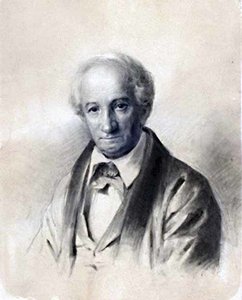
максим никифорович воробьёв
1787 - 1855 , Russia
Quick Facts
- Artistic Movement Or Style: Romantic Landscape
- Artists Who Influenced This Artist:
- Fedor Alexeyev
- Jean-François Thomas de Thomon
- Date Of Birth: August 17, 1787
- Date Of Death: September 11, 1855
- Full Name: Maxim Nikiforovich Vorobyov
- Nationality: Russian
- Notable Artworks:
- View of the Kremlin
- Inner View Of The Temple In Jerusalem
- Place Of Birth: Pskov, Russia
Related Articles

Cézanne's Masterpieces: 25 Iconic Artworks to Transform Your Space
Journey through 25 iconic artworks by Paul Cézanne – a master of Impressionism and Post-Impressionism. Explore his landscapes, still lifes, and the stories behind these timeless masterpieces. Discover museum-quality reproductions & curated decor at ArtsDot.com.
Blossoms of Time: A Historical & Aesthetic Exploration of Floral Painting Across Cultures
Explore the rich history of floral painting! Discover symbolism, techniques & masterpieces from Van Huysum to O'Keeffe. Expert insights for art lovers & collectors at ArtsDot.
Blossoming Symbolism: A Historical Journey Through Flowers in Western Painting
Explore the rich history of flower symbolism in Western painting! Discover how artists from the Renaissance to Modernism used blossoms to convey meaning, emotion & beauty. Learn about iconic artworks and movements.
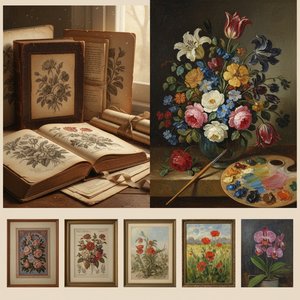
Blossoms of Time: A Historical Journey Through Flower Painting
Explore the captivating history of flower painting! Discover Dutch masters, symbolic meanings, & botanical art. Expert insights & high-quality reproductions at ArtsDot.

Impressionism's Masterpieces: 10 Paintings That Defined a Movement | ArtsDot
Journey through Impressionism's heart with 10 iconic paintings by Monet, Renoir & Degas. Explore light, color & the stories behind these masterpieces. Find museum-quality art reproductions and elevate your home decor on ArtsDot.com.