 Preview
 Send
Send Share
Share
 Details

 Download
 Similars
 X-Ray
X-Ray Diaporama
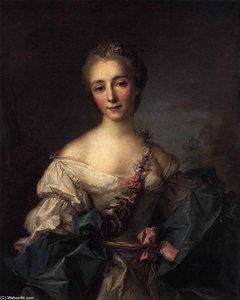
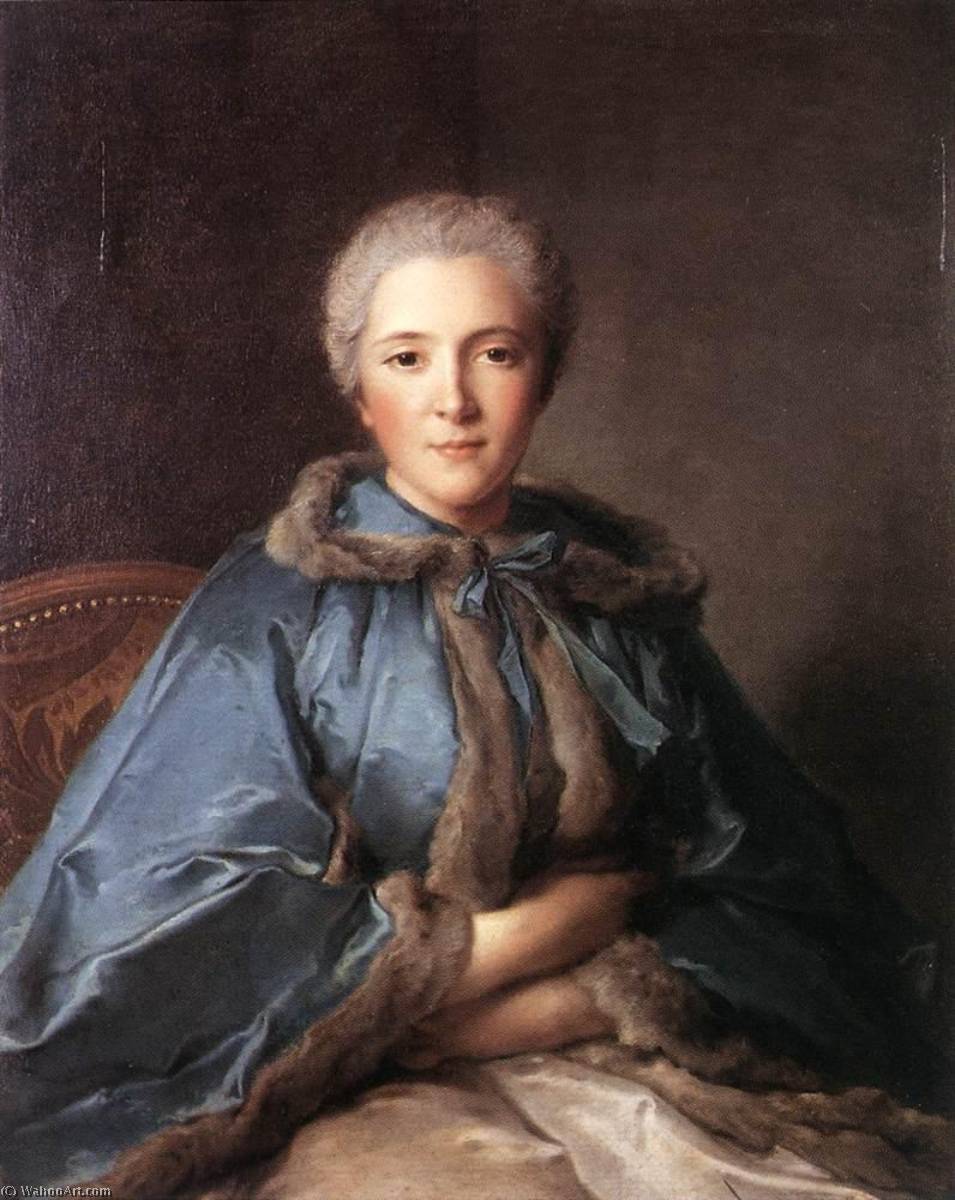
Comtesse de Tillières
 Oil On Canvas
- WallArt
- Rococo Aesthetic
 1750
1750- Early Modern
 80.0 x 63.0 cm
 Wallace Collection
 Read More
Hand Made Oil Reproduction
Hand-painted oil on canvas in your size and frame, made to order by our artists. ( Buy Print Buy Image)




P118B $10

P118H $10

P118W $10

P438Z $10

P508JH $12

P508YH $12

P805H $10

P805Z $10

P919BZ $10

P919G $10

P919XJ $10

P959ZH $10

P968JZ $12

W106C $8

W218G $10

W218JH $8

W218Y $10

W307PJ $10

W316G $10

W316PJ $8

W316Y $10

W398PJ $8

W4111J $10

W500HY $15

W500JH $15

W692G $12

W849H $8

W940BG $15

W953PJ $8




Pick from our preset sizes that match the artwork's original proportions.

You may enter your own dimensions to fit a specific frame or space. If your selected size does not match the original image's proportions, we will either crop the artwork or extend the painting with additional hand-painted elements. A digital mockup will be sent for your approval before production begins.
Please note that the on-screen preview does not reflect the actual cropping or extension. Only the mockup will accurately show the final composition.
While custom sizes are available, we recommend selecting a dimension from the predefined list to preserve the original proportions.
After order, ArtsDot.com team will email client for instructions and provide a mockup preview
Worldwide Delivery () in 3/4 weeks instead of standard 5 weeks. (24 August). No compromise on quality.

Free Worldwide Express Shipping

High-Quality Linen Canvas

Full Shipping Insurance

Customs Tax Refund Guarantee

True Color Matching Guarantee

60-Day Return Policy (Defects Only)

100% Money-Back Guarantee

Bulk Discount Offer
 Glass option is only available in size under 110 CM

Comtesse de Tillières
Reproduction Medium
Reproduction Size
-


Total Price
$ 263
Artwork Description
A Vision of Rococo Elegance
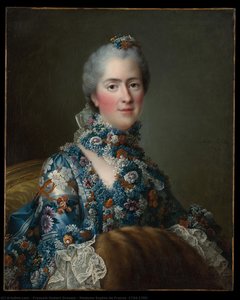
In the soft, luminous glow of 1750, Jean-Marc Nattier captured more than just a face; he immortalized an era of unparalleled refinement. The Comtesse de Tillières stands as a breathtaking testament to the Rococo movement, a period where the French court of Louis XV embraced an aesthetic of pastel grace, opulent ornamentation, and sensual beauty. The subject, Michelle-Julie-Françoise Bouchard d’Esparbès de Lussard d’Aubeterre de Jonzac, is presented not merely as a noblewoman, but as an embodiment of the era's idealized femininity. As she sits poised within a richly decorated interior, the painting invites the viewer into a world of quiet luxury and aristocratic splendor, making it an irresistible centerpiece for any collection dedicated to classical elegance.
The technical mastery displayed in this portrait is nothing short of extraordinary. Nattier, a virtuoso of the oil medium, utilized subtle glazing techniques to layer translucent washes of color, creating a skin tone that seems to radiate from within. Through the delicate application of chiaroscuro, he sculpted the contours of the Comtesse’s face and the heavy folds of her blue drapery, using the interplay of light and shadow to grant the figure a three-dimensional presence. The artist's brushwork is remarkably fluid, particularly in the rendering of the luxurious fur stole draped around her neck—a detail that adds both tactile texture and a sense of warmth to the composition. This meticulous attention to detail ensures that every time one views this piece, new nuances of light and fabric emerge.
Symbolism and Timeless Appeal
Beyond its surface beauty, the portrait is steeped in the symbolic language of the 18th century. Nattier was renowned for his ability to weave mythological allusions into contemporary portraiture, often portraying his subjects with the ethereal qualities of goddesses like Venus. In this work, the soft lighting and the delicate, almost dreamlike atmosphere evoke a sense of divine grace, elevating the Comtesse from a mortal figure to an icon of virtue and poise. The choice of a pale pink backdrop and the presence of sumptuous fabrics serve to reinforce her high social standing, while the overall serenity of her expression offers a window into the disciplined composure expected of the French aristocracy.
For the discerning collector or interior designer, The Comtesse de Tillières offers a profound emotional resonance. It is a piece that commands attention through its quiet dignity rather than through loud or jarring colors. Its palette of soft blues, creams, and gentle pinks makes it an incredibly versatile addition to sophisticated interiors, capable of anchoring a room with a sense of historical depth and cultured taste. Whether placed in a sunlit gallery or a formal study, this reproduction serves as a continuous dialogue between the grandeur of the past and the refined aesthetics of the present, bringing a touch of French mastery into the modern home.
Related Artworks

Artist Biography
A Brushstroke of Elegance: The Life and Art of Jean-Marc Nattier
Born into a family steeped in artistic tradition, Jean-Marc Nattier emerged as one of the most celebrated portraitists of 18th-century France. His father, Marc Nattier, was an established portrait painter, while his mother, Marie Courtois, excelled as a miniaturist – a lineage that provided young Jean-Marc with a solid foundation in the fundamentals of artistic expression. Born in Paris on March 17, 1685, Nattier’s early training involved not only direct instruction from his father but also diligent copying of masterpieces at the Luxembourg Gallery. This practice honed his skills in capturing likenesses and understanding compositional principles, laying the groundwork for a career that would define the Rococo aesthetic. Interestingly, despite being offered the prestigious opportunity to study at the French Academy in Rome, Nattier chose to remain in Paris, believing he could best cultivate his unique style independently. This decision proved pivotal, allowing him to forge a path distinct from the more conventional academic traditions of the time.The Painter of Aristocratic Dreams
Nattier’s name became synonymous with the elegance and refinement of King Louis XV's court. He quickly rose to prominence as the preferred portraitist for the ladies of Versailles, capturing their beauty and status with a distinctive flair. However, Nattier didn’t simply paint portraits; he crafted illusions, transforming his sitters into goddesses and mythological figures. This innovative approach – reviving the allegorical portrait – was a hallmark of his style. A lady might be depicted as Diana, goddess of the hunt, or Hebe, cupbearer to the gods, adorned in flowing classical drapery and set within evocative landscapes. These weren’t mere exercises in costume; they were carefully constructed representations that imbued the subject with an air of sophistication, grace, and timeless beauty. His masterful use of light played a crucial role in these compositions, creating depth and dimensionality, drawing the viewer into the scene, and enhancing the ethereal quality of his subjects. Nattier’s attention to detail was meticulous, from the delicate rendering of fabrics to the subtle expressions on his sitters' faces. Notable works like Madame Le Fèvre de Caumartin as Hebe, now housed in the National Gallery of Art, exemplify this approach – a stunning fusion of realism and fantasy that captivated contemporary audiences and continues to enchant viewers today. Other celebrated pieces include Marie Adelaide of France as Diana and The Artist Surrounded by His Family.Influences and Artistic Development
Nattier’s artistic journey was shaped by a confluence of influences. His father provided the initial spark, instilling in him a love for portraiture. Further guidance came from his uncle, Jean Jouvenet, a respected history painter who broadened his understanding of composition and narrative. However, it was the opportunity to study the works of Peter Paul Rubens at the Luxembourg Palace that proved particularly transformative. The Baroque master’s dynamic compositions, rich colors, and sensual depictions of the human form left an indelible mark on Nattier's style. He absorbed Rubens’ energy and exuberance, adapting them to his own refined aesthetic. This blend of influences culminated in a unique artistic voice that positioned Nattier as a key figure in the burgeoning Rococo movement – a style characterized by its elegance, grace, playful themes, and emphasis on ornamentation. His innovative techniques, particularly his ability to seamlessly integrate realism with mythological allegory, set him apart from his contemporaries and inspired generations of artists who followed.Legacy and Historical Significance
Jean-Marc Nattier’s impact extends far beyond the exquisite portraits he created. As the official portrait painter to Louis XV, he played a vital role in shaping the image of the French aristocracy during a period of immense cultural and political change. His paintings offer invaluable insights into the fashion, customs, and social dynamics of 18th-century France. He didn’t just record appearances; he captured an era – its aspirations, its values, and its aesthetic sensibilities. The revival of allegorical portraits under Nattier's hand was a significant artistic achievement, demonstrating his ability to breathe new life into established genres. His works are now treasured possessions of prestigious museums worldwide, including the Louvre, The Wallace Collection, and the Alte Pinakothek, testament to his enduring legacy. He died in Paris on November 7, 1766, leaving behind a body of work that continues to inspire awe and admiration. Nattier’s paintings remain powerful reminders of an age defined by elegance, refinement, and the pursuit of beauty – a brushstroke of elegance frozen in time.Exploring Nattier's World Further
- Notable Works: The Artist Surrounded by His Family (1730), Marie Lečinska (Dijon Museum), Magdalen (Louvre), Comtesse de Tillières and Mademoiselle de Clermont en Sultane (The Wallace Collection), Madame Le Fèvre de Caumartin as Hebe (National Gallery of Art), The Lovers (Alte Pinakothek Museum, Munich).
- Key Characteristics: Rococo style, allegorical portraits, mythological attire, masterful use of light and shadow, attention to detail.
- Further Research: Explore resources like Wikipedia (https://en.wikipedia.org/wiki/Jean-Marc_Nattier) and Britannica (https://www.britannica.com/biography/Jean-Marc-Nattier) for more in-depth information.
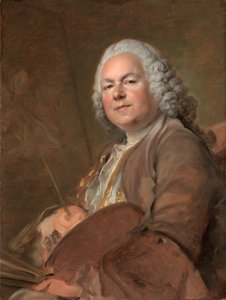
Marc Nattier
1685 - 1766 , France
Quick Facts
- Artistic Movement Or Style: Rococo
- Artists Or Movements Influenced By This Artist: Later Rococo artists
- Artists Who Influenced This Artist:
- Marc Nattier
- Jean Jouvenet
- Peter Paul Rubens
- Date Of Birth: March 17, 1685
- Date Of Death: November 7, 1766
- Full Name: Jean-Marc Nattier
- Nationality: French
- Notable Artworks:
- The Artist Surrounded by Family
- Marie Lečinska
- Magdalen
- Comtesse de Tillières...
- Madame Le Fèvre as Hebe
- The Lovers
- Place Of Birth: Paris, France
Related Articles

The Rococo Aesthetic: Opulence, Rebellion & the Pursuit of Pleasure in 18th-Century Art
Explore the opulent world of Rococo art! Discover its origins, key artists like Watteau & Boucher, and lasting influence on design. Expert insights for collectors & enthusiasts.

Rococo's Radiant Legacy: 10 Masterpieces for Your Home |
Indulge in the elegance of Rococo! Explore 10 masterpieces by Fragonard, Boucher & Watteau. Discover the stories behind these iconic paintings and bring timeless art to your home with museum-quality reproductions from .

The Enduring Legacy of Oil on Canvas: Technique, History & Aesthetic Impact
Explore the rich history & techniques of oil painting – from Renaissance masters to Impressionism. Discover pigments, layering methods, and why this timeless medium endures. Expert insights for artists & art enthusiasts.

Oil on Canvas: A Historical & Technical Exploration of a Timeless Artistic Medium
Explore the rich history & enduring techniques of oil painting on canvas. Discover the science behind its longevity, conservation practices, and contemporary relevance. Expert insights for art enthusiasts.

The Enduring Legacy of Oil on Canvas: Technique, History & Contemporary Practice
Explore the rich history & enduring techniques of oil painting on canvas. Discover the science behind its longevity, conservation practices, and contemporary relevance. Expert insights for art enthusiasts.