 Preview
 Send
Send Share
Share
 Details

 Download
 Similars
 X-Ray
X-Ray Diaporama
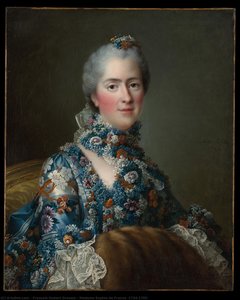
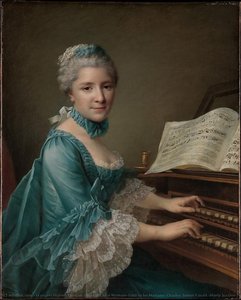
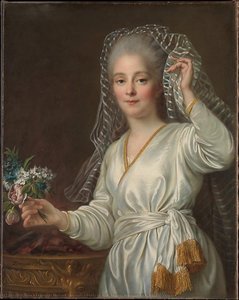
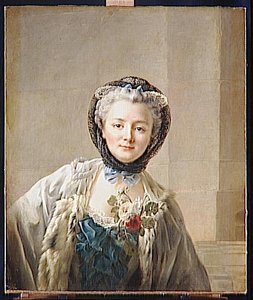
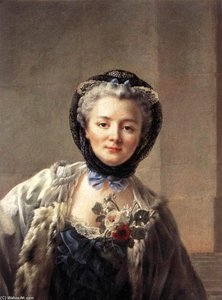
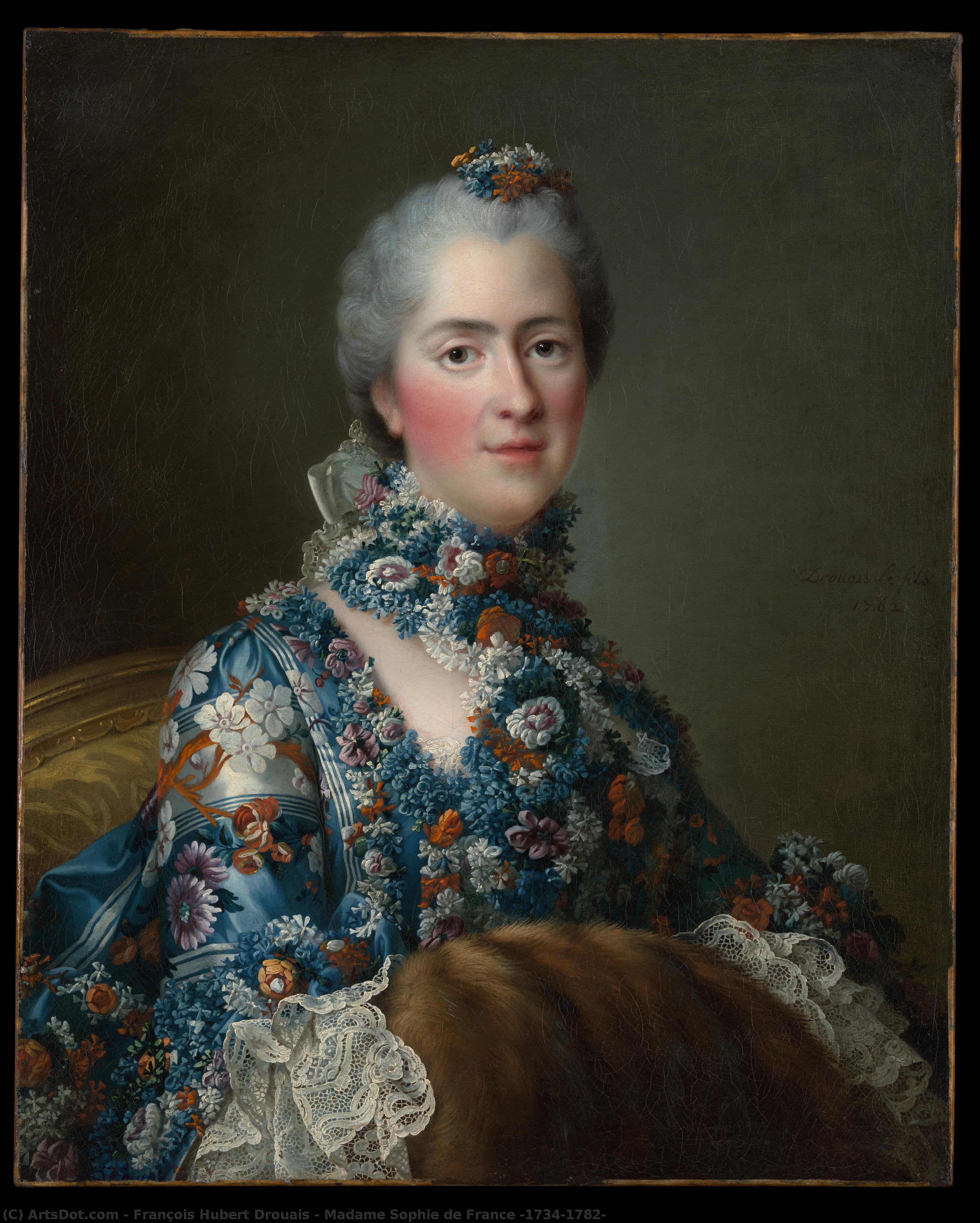
Madame Sophie de France (1734–1782)
 Oil On Canvas
- WallArt
- Rococo
 1762
1762 65.0 x 53.0 cm
 Metropolitan Museum of Art
 Read More
Hand Made Oil Reproduction
Hand-painted oil on canvas in your size and frame, made to order by our artists. ( Buy Print Buy Image)




P118B $10

P118H $10

P118W $10

P438Z $10

P508JH $12

P508YH $12

P805H $10

P805Z $10

P919BZ $10

P919G $10

P919XJ $10

P959ZH $10

P968JZ $12

W106C $8

W218G $10

W218JH $8

W218Y $10

W307PJ $10

W316G $10

W316PJ $8

W316Y $10

W398PJ $8

W4111J $10

W500HY $15

W500JH $15

W692G $12

W849H $8

W940BG $15

W953PJ $8




Pick from our preset sizes that match the artwork's original proportions.

You may enter your own dimensions to fit a specific frame or space. If your selected size does not match the original image's proportions, we will either crop the artwork or extend the painting with additional hand-painted elements. A digital mockup will be sent for your approval before production begins.
Please note that the on-screen preview does not reflect the actual cropping or extension. Only the mockup will accurately show the final composition.
While custom sizes are available, we recommend selecting a dimension from the predefined list to preserve the original proportions.
After order, ArtsDot.com team will email client for instructions and provide a mockup preview
Worldwide Delivery () in 3/4 weeks instead of standard 5 weeks. (16 August). No compromise on quality.

Free Worldwide Express Shipping

High-Quality Linen Canvas

Full Shipping Insurance

Customs Tax Refund Guarantee

True Color Matching Guarantee

60-Day Return Policy (Defects Only)

100% Money-Back Guarantee

Bulk Discount Offer
 Glass option is only available in size under 110 CM

Madame Sophie de France (1734–1782)
Reproduction Medium
Reproduction Size
-


Total Price
$ 263
Artwork Description
A Portrait of Royal Grace: Madame Sophie de France
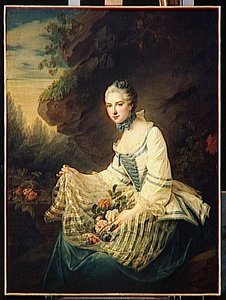
François-Hubert Drouais’s “Madame Sophie de France” (1762) is more than simply a portrait; it's a meticulously crafted window into the opulent world of 18th-century French aristocracy. Painted during a period of significant social and political change, this work captures not just the likeness of a young woman but also embodies the grandeur, formality, and subtle anxieties of the era. The painting’s enduring appeal lies in its exquisite detail, masterful use of light and shadow, and the palpable sense of dignified composure it conveys.
The Rococo Setting: Versailles and its Daughters
Drouais’s work is firmly rooted in the Rococo style, a movement characterized by its elaborate ornamentation, pastel palettes, and emphasis on beauty and pleasure. This portrait was created within the context of the “Mesdames de France,” the eight daughters of King Louis XV – Sophie, Victoire, Louise, Élisabeth, Marie Thérèse, Isabelle, Augustine, and Felicité. These young women were patrons of the arts, establishing a vibrant artistic circle centered at Versailles. Drouais, along with Jean-Marc Nattier and Adélaïde Labille-Guiard, became their favored portraitists, documenting their lives and reflecting the values of the French court.
The painting itself was commissioned as part of a series, highlighting Sophie’s status as one of the most prominent of these royal daughters. Her position within the family—the sixth of eight—is subtly reflected in the composition, placing her amongst her sisters and contributing to the overall sense of familial importance.
A Symphony of Texture and Detail
Drouais’s technical skill is immediately apparent in the painting's remarkable detail. The artist masterfully renders the textures of Sophie’s elaborate gown – the shimmering silk, the heavy velvet of her shawl, and the intricate floral brocade that seems to bloom across her bodice. The use of layering and glazing creates a sense of depth and luminosity, bringing the fabrics to life with an almost tactile quality. The delicate lace adorning her sleeves and cuffs, the meticulously painted flowers, and even the subtle sheen on her jewelry all contribute to this overwhelming richness.
Furthermore, Drouais employs dramatic lighting – a strong light source illuminating Sophie’s face and upper torso while leaving the background in shadow. This technique not only emphasizes her features but also creates a sense of theatricality, drawing the viewer's attention directly to the subject. The shallow perspective further enhances this effect, focusing our gaze on the figure and minimizing any attempt at creating a vast spatial illusion.
Symbolism and Emotional Resonance
Beyond its technical brilliance, “Madame Sophie de France” is rich in symbolism. The lavish clothing and jewelry – furs, silks, jewels—are outward signs of wealth and status, reflecting the privileges enjoyed by members of the French aristocracy. The abundance of artificial flowers, particularly those woven into the bodice, represent beauty, fertility, and a connection to nature, albeit an idealized one. Sophie’s composed expression conveys dignity, grace, and perhaps a touch of vanity – qualities admired in aristocratic women of the time.
Despite the formality of the portrait, there's also a subtle sense of vulnerability in Sophie’s gaze. The painting captures a fleeting moment of quiet contemplation, inviting us to imagine her thoughts and feelings beyond the carefully constructed façade of royal composure. It is a poignant reminder that even within the gilded cage of Versailles, human emotions persisted.
Related Artworks

Artist Biography
Thomas Gainsborough: A Painter of Light and Life
Thomas Gainsborough, born in Sudbury, Suffolk, on May 14th, 1727, was a pivotal figure in the development of British art during the late 18th century. His life’s work—a captivating blend of portraiture and landscape—established him as one of the most influential painters of his era, alongside Sir Joshua Reynolds. More than simply depicting subjects, Gainsborough sought to capture the essence of English life, imbued with a sense of naturalism and an appreciation for the fleeting beauty of the world around him. His career unfolded against a backdrop of social change and artistic rivalry, ultimately shaping the course of British painting.Early Years and Training
Gainsborough’s early years were marked by a practical apprenticeship rather than formal academic training. At thirteen, he was sent to London to learn engraving under Hubert Gravelot, a French artist who had trained with the renowned Jean-Antoine Watteau. This experience proved invaluable, exposing Gainsborough to the techniques of drawing and etching – skills that would later inform his distinctive brushwork. Following his apprenticeship, he briefly worked as a silversmith before dedicating himself fully to painting. His early portraits were largely commissioned by local gentry in Suffolk, establishing a reputation for capturing likenesses with a subtle realism. The influence of Gravelot’s work is evident in Gainsborough's initial style – a delicate, almost ethereal quality that foreshadowed his later development.The Rise to Prominence: Bath and London
Seeking greater opportunities and recognition, Gainsborough moved to Bath in 1759. This period marked a significant shift in his artistic focus. He began painting portraits of prominent figures – writers, actors, and members of the fashionable elite – capturing their personalities with remarkable insight. His style evolved during this time, becoming looser and more expressive, reflecting the Rococo influences prevalent in Bath’s vibrant social scene. The use of light and color became increasingly important, creating a sense of atmosphere and immediacy. Around 1768, he was elected a founding member of the Royal Academy, an event that solidified his position as a leading artist. Shortly after, he relocated to London, settling in Schomberg House on Pall Mall, where he established a studio and continued to attract wealthy patrons.A Master of Light and Landscape
Despite his success as a portrait painter, Gainsborough maintained a deep passion for landscape painting. He believed that true observation of nature was essential to understanding the human condition. His landscapes are characterized by a remarkable sensitivity to light and atmosphere – capturing the subtle shifts in color and tone with extraordinary skill. Unlike Reynolds, who often incorporated classical motifs into his landscapes, Gainsborough drew inspiration from Dutch and Flemish masters, particularly their ability to depict atmospheric effects. His most celebrated landscape works, such as *The Morning Walk* (1789), are imbued with a sense of tranquility and beauty, offering glimpses into the idyllic countryside of England. These paintings weren’t merely representations; they were meditations on nature's power and grace.Legacy and Historical Significance
Thomas Gainsborough died in London on August 2nd, 1788, leaving behind a remarkable body of work that continues to captivate audiences today. His influence on subsequent generations of British artists is undeniable. He helped to establish the tradition of landscape painting as a serious artistic pursuit and demonstrated the importance of capturing the nuances of everyday life. His portraits are admired for their psychological depth and his landscapes for their atmospheric beauty. Notably, Gainsborough’s work has recently come under scrutiny due to its connection to the slave trade; several of his commissioned portraits depict individuals who benefited from wealth derived from enslaved people. This revelation adds a complex layer to our understanding of his artistic legacy, prompting critical reflection on the ethical considerations within art history and challenging us to examine the historical context surrounding these works. Despite this complexity, Gainsborough remains a towering figure in British art—a painter who captured the spirit of his time with unparalleled skill and sensitivity.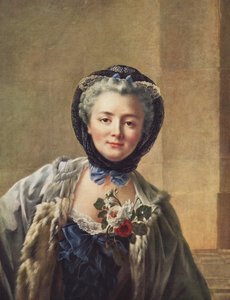
françois hubert drouais
1727 - 1775 , France
Quick Facts
- Artistic Movement Or Style: Picturesque, Landscape
- Artists Or Movements Influenced By This Artist: ['Dutch Landscape School']
- Artists Who Influenced This Artist:
- Hubert Gravelot
- Jean-Antoine Watteau
- Date Of Birth: May 14, 1727
- Date Of Death: August 2, 1788
- Full Name: Thomas Gainsborough
- Nationality: British
- Notable Artworks:
- Mr and Mrs Andrews
- The Blue Boy
- Morning Walk
- Place Of Birth: Sudbury, Suffolk, England
Related Articles

Rococo's Radiant Legacy: 10 Masterpieces for Your Home |
Indulge in the elegance of Rococo! Explore 10 masterpieces by Fragonard, Boucher & Watteau. Discover the stories behind these iconic paintings and bring timeless art to your home with museum-quality reproductions from .

The Rococo Aesthetic: Opulence, Rebellion & the Pursuit of Pleasure in 18th-Century Art
Explore the opulent world of Rococo art! Discover its origins, key artists like Watteau & Boucher, and lasting influence on design. Expert insights for collectors & enthusiasts.
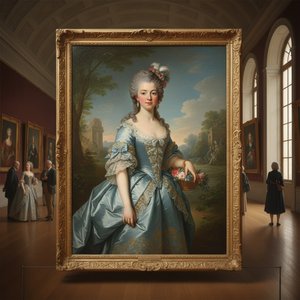
Jean-Marc Nattier: Rococo Portraiture & Aristocratic Patronage
Explore the exquisite Rococo portraits of Jean-Marc Nattier, favored by French aristocracy. Discover his artistic techniques, patronage network, and lasting legacy – a guide for discerning collectors.
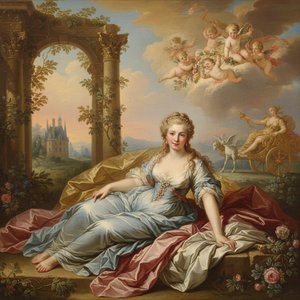
François Boucher: Rococo Master of Myth, Sensuality, and the French Court
Explore the captivating world of François Boucher, master of Rococo painting! Discover his iconic works, aristocratic patronage, and lasting influence on French art history. Learn more at ArtsDot.
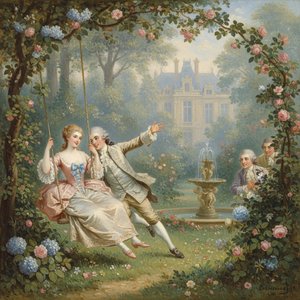
The Rococo Reverie of Fragonard: Love, Leisure & Pleasure in 18th-Century France
Explore the captivating world of Jean-Honoré Fragonard! Discover his Rococo masterpieces, intimate portraits & the allure of 18th-century French art. Learn about 'The Progress of Love' and more at ArtsDot.