 Preview
 Send
Send Share
Share
 Details

 Download
 Similars
 X-Ray
X-Ray Diaporama
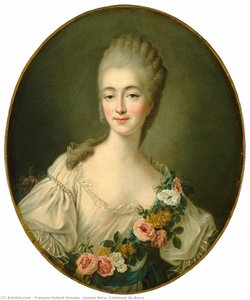
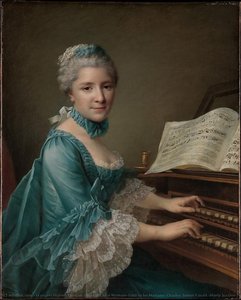
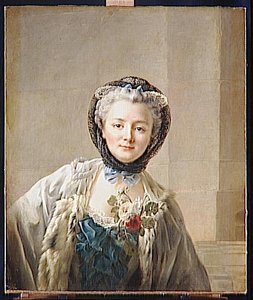
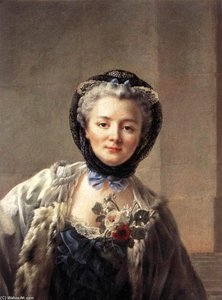
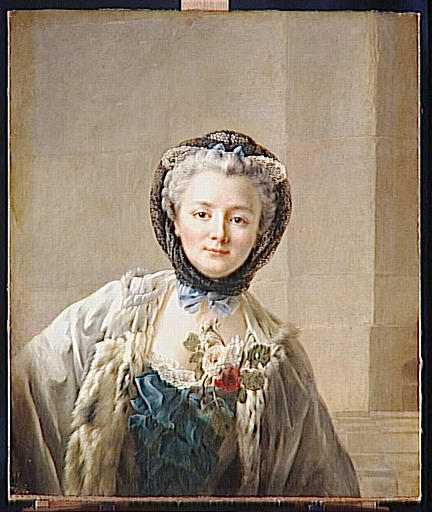
MADAME DROUAIS


 Read More
Hand Made Oil Reproduction
Hand-painted oil on canvas in your size and frame, made to order by our artists. ( Buy Print Buy Image)




P118B $10

P118H $10

P118W $10

P438Z $10

P508JH $12

P508YH $12

P805H $10

P805Z $10

P919BZ $10

P919G $10

P919XJ $10

P959ZH $10

P968JZ $12

W106C $8

W218G $10

W218JH $8

W218Y $10

W307PJ $10

W316G $10

W316PJ $8

W316Y $10

W398PJ $8

W4111J $10

W500HY $15

W500JH $15

W692G $12

W849H $8

W940BG $15

W953PJ $8




Pick from our preset sizes that match the artwork's original proportions.

You may enter your own dimensions to fit a specific frame or space. If your selected size does not match the original image's proportions, we will either crop the artwork or extend the painting with additional hand-painted elements. A digital mockup will be sent for your approval before production begins.
Please note that the on-screen preview does not reflect the actual cropping or extension. Only the mockup will accurately show the final composition.
While custom sizes are available, we recommend selecting a dimension from the predefined list to preserve the original proportions.
After order, ArtsDot.com team will email client for instructions and provide a mockup preview
Worldwide Delivery () in 3/4 weeks instead of standard 5 weeks. (17 August). No compromise on quality.

Free Worldwide Express Shipping

High-Quality Linen Canvas

Full Shipping Insurance

Customs Tax Refund Guarantee

True Color Matching Guarantee

60-Day Return Policy (Defects Only)

100% Money-Back Guarantee

Bulk Discount Offer
 Glass option is only available in size under 110 CM

MADAME DROUAIS
Reproduction Medium
Reproduction Size
-


Total Price
$ 263
Artwork Description
A Portrait of Refined Grace: Madame Drouais by François Hubert Drouais
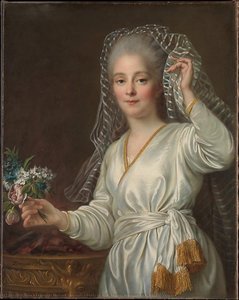
François Hubert Drouais’s “Madame Drouais” is more than just a portrait; it's a meticulously crafted window into the opulent world of 18th-century French aristocracy. Painted around 1758, this captivating work captures the essence of Madame Drouais – likely Anne-Françoise Doré, wife of the artist himself – as a figure of quiet dignity and understated elegance. The painting immediately draws the eye with its soft palette of muted beiges, grays, blues, and delicate pinks, colors characteristic of the Rococo period’s emphasis on subtlety and refinement. Drouais masterfully employs layering techniques, building up thin glazes of oil paint to achieve a remarkable sense of depth and luminosity, creating a surface that seems both smooth and subtly textured.
The composition itself is a testament to the era's artistic conventions, yet imbued with a distinctly personal touch. Madame Drouais occupies a slightly off-center position within the frame, her gaze directed directly at the viewer – an intimate gesture of connection rarely found in formal portraits of the time. Her attire—a gown adorned with delicate floral embellishments, a luxurious fur stole draped across her shoulders, and an elaborate headdress—is not merely decorative; it speaks volumes about her status and wealth. The careful rendering of fabrics, from the flowing silk to the plush velvet, demonstrates Drouais’s exceptional skill in capturing texture and detail.
The Rococo Setting: Light, Line, and Symbolism
Drouais's masterful use of light is particularly noteworthy. It’s diffused and even, bathing the subject in a soft glow that minimizes harsh contrasts and enhances her features. This gentle illumination contributes significantly to the painting’s overall atmosphere of serenity and grace. The lines within the portrait are predominantly soft and blended, creating a sense of fluidity and movement. There's no sharp angularity; instead, curves and rounded forms define Madame Drouais’s face and clothing, reflecting the flowing styles prevalent during the Rococo period.
Beyond the technical brilliance, “Madame Drouais” is rich in symbolic meaning. The elaborate headdress, a hallmark of aristocratic fashion, signifies wealth and social standing. Her direct gaze conveys confidence and poise – an indication of her position within society. The inclusion of objects like the small table and decorative items subtly hint at her refined tastes and domestic life. Research into the subject reveals that Madame Drouais was married to François Hubert Drouais, a prominent artist in his own right, and she played a significant role in his career, often posing for him.
Historical Context: A Portrait of an Era
To fully appreciate “Madame Drouais,” it’s essential to understand the historical context in which it was created. The Rococo period (roughly 1730-1780) marked a shift away from the formality of the Baroque era, embracing themes of pleasure, intimacy, and elegance. Portraits during this time were not simply representations of likeness; they were carefully constructed statements about social status, wealth, and cultural values. François Hubert Drouais was a leading figure in this artistic movement, known for his exquisite portraits of royalty, nobility, and members of the Parisian elite.
Further research into the artist’s life reveals that he began his career under the tutelage of his father, Hubert Drouais, an academic painter. He later trained with other prominent artists such as Gravelot and Boucher, absorbing their techniques and influences. His work reflects a blend of these diverse artistic traditions, resulting in a distinctive style characterized by its delicate brushwork, soft colors, and emphasis on grace and beauty. The portrait’s creation coincided with the height of Madame de Pompadour's influence at court, highlighting the importance of aristocratic patronage in shaping artistic trends.
A Timeless Masterpiece: Reproduction and Inspiration
“Madame Drouais” remains a timeless masterpiece, captivating viewers with its elegance, grace, and subtle details. Reproductions offer an accessible way to experience the beauty and artistry of this remarkable painting. When selecting a reproduction, consider the quality of materials used – a high-quality print on archival canvas will ensure that the colors remain vibrant for years to come. This portrait serves as a powerful reminder of the enduring appeal of Rococo art—a celebration of beauty, refinement, and the complexities of aristocratic life.
Related Artworks
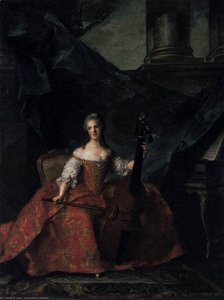
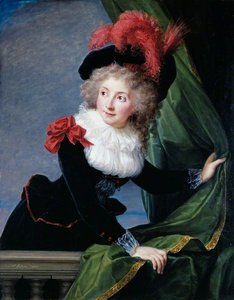
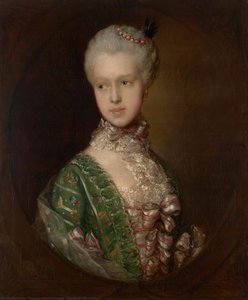
Artist Biography
Thomas Gainsborough: A Painter of Light and Life
Thomas Gainsborough, born in Sudbury, Suffolk, on May 14th, 1727, was a pivotal figure in the development of British art during the late 18th century. His life’s work—a captivating blend of portraiture and landscape—established him as one of the most influential painters of his era, alongside Sir Joshua Reynolds. More than simply depicting subjects, Gainsborough sought to capture the essence of English life, imbued with a sense of naturalism and an appreciation for the fleeting beauty of the world around him. His career unfolded against a backdrop of social change and artistic rivalry, ultimately shaping the course of British painting.Early Years and Training
Gainsborough’s early years were marked by a practical apprenticeship rather than formal academic training. At thirteen, he was sent to London to learn engraving under Hubert Gravelot, a French artist who had trained with the renowned Jean-Antoine Watteau. This experience proved invaluable, exposing Gainsborough to the techniques of drawing and etching – skills that would later inform his distinctive brushwork. Following his apprenticeship, he briefly worked as a silversmith before dedicating himself fully to painting. His early portraits were largely commissioned by local gentry in Suffolk, establishing a reputation for capturing likenesses with a subtle realism. The influence of Gravelot’s work is evident in Gainsborough's initial style – a delicate, almost ethereal quality that foreshadowed his later development.The Rise to Prominence: Bath and London
Seeking greater opportunities and recognition, Gainsborough moved to Bath in 1759. This period marked a significant shift in his artistic focus. He began painting portraits of prominent figures – writers, actors, and members of the fashionable elite – capturing their personalities with remarkable insight. His style evolved during this time, becoming looser and more expressive, reflecting the Rococo influences prevalent in Bath’s vibrant social scene. The use of light and color became increasingly important, creating a sense of atmosphere and immediacy. Around 1768, he was elected a founding member of the Royal Academy, an event that solidified his position as a leading artist. Shortly after, he relocated to London, settling in Schomberg House on Pall Mall, where he established a studio and continued to attract wealthy patrons.A Master of Light and Landscape
Despite his success as a portrait painter, Gainsborough maintained a deep passion for landscape painting. He believed that true observation of nature was essential to understanding the human condition. His landscapes are characterized by a remarkable sensitivity to light and atmosphere – capturing the subtle shifts in color and tone with extraordinary skill. Unlike Reynolds, who often incorporated classical motifs into his landscapes, Gainsborough drew inspiration from Dutch and Flemish masters, particularly their ability to depict atmospheric effects. His most celebrated landscape works, such as *The Morning Walk* (1789), are imbued with a sense of tranquility and beauty, offering glimpses into the idyllic countryside of England. These paintings weren’t merely representations; they were meditations on nature's power and grace.Legacy and Historical Significance
Thomas Gainsborough died in London on August 2nd, 1788, leaving behind a remarkable body of work that continues to captivate audiences today. His influence on subsequent generations of British artists is undeniable. He helped to establish the tradition of landscape painting as a serious artistic pursuit and demonstrated the importance of capturing the nuances of everyday life. His portraits are admired for their psychological depth and his landscapes for their atmospheric beauty. Notably, Gainsborough’s work has recently come under scrutiny due to its connection to the slave trade; several of his commissioned portraits depict individuals who benefited from wealth derived from enslaved people. This revelation adds a complex layer to our understanding of his artistic legacy, prompting critical reflection on the ethical considerations within art history and challenging us to examine the historical context surrounding these works. Despite this complexity, Gainsborough remains a towering figure in British art—a painter who captured the spirit of his time with unparalleled skill and sensitivity.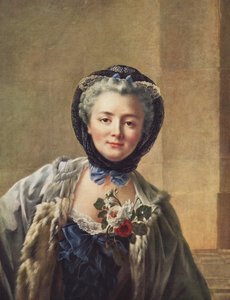
françois hubert drouais
1727 - 1775 , France
Quick Facts
- Artistic Movement Or Style: Picturesque, Landscape
- Artists Or Movements Influenced By This Artist: ['Dutch Landscape School']
- Artists Who Influenced This Artist:
- Hubert Gravelot
- Jean-Antoine Watteau
- Date Of Birth: May 14, 1727
- Date Of Death: August 2, 1788
- Full Name: Thomas Gainsborough
- Nationality: British
- Notable Artworks:
- Mr and Mrs Andrews
- The Blue Boy
- Morning Walk
- Place Of Birth: Sudbury, Suffolk, England
Related Articles
The Allure of Elegance in Art: A Historical & Aesthetic Exploration of Refinement & Grace
Explore the exquisite world of Rococo art! Discover its history, masters (Watteau, Boucher & more), and defining elegance. Expert insights for collectors seeking museum-quality reproductions & custom portraits.
Charles-André van Loo: A Study in Rococo Portraiture & the French Court's Artistic Dynamics
Explore the elegant world of Charles-André van Loo, a master of Rococo portraiture at the French court. Discover his life, techniques, and enduring influence on 18th-century art. Hand-painted reproductions available.

Rococo's Radiant Legacy: 10 Masterpieces for Your Home |
Indulge in the elegance of Rococo! Explore 10 masterpieces by Fragonard, Boucher & Watteau. Discover the stories behind these iconic paintings and bring timeless art to your home with museum-quality reproductions from .

The Rococo Aesthetic: Opulence, Rebellion & the Pursuit of Pleasure in 18th-Century Art
Explore the opulent world of Rococo art! Discover its origins, key artists like Watteau & Boucher, and lasting influence on design. Expert insights for collectors & enthusiasts.
Reflecting Nobility & Nuance: 18th-Century Portraiture as a Window into Societal Values
Explore the world of 18th-century portraiture with ArtsDot. Discover symbolism, artistic innovation & societal values reflected in masterpieces by Reynolds, Hogarth & more. Expert insights for collectors.