 Preview
 Send
Send Share
Share
 Details

 Download
 Similars
 X-Ray
X-Ray Diaporama
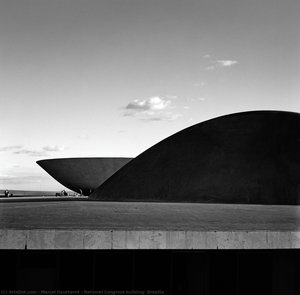
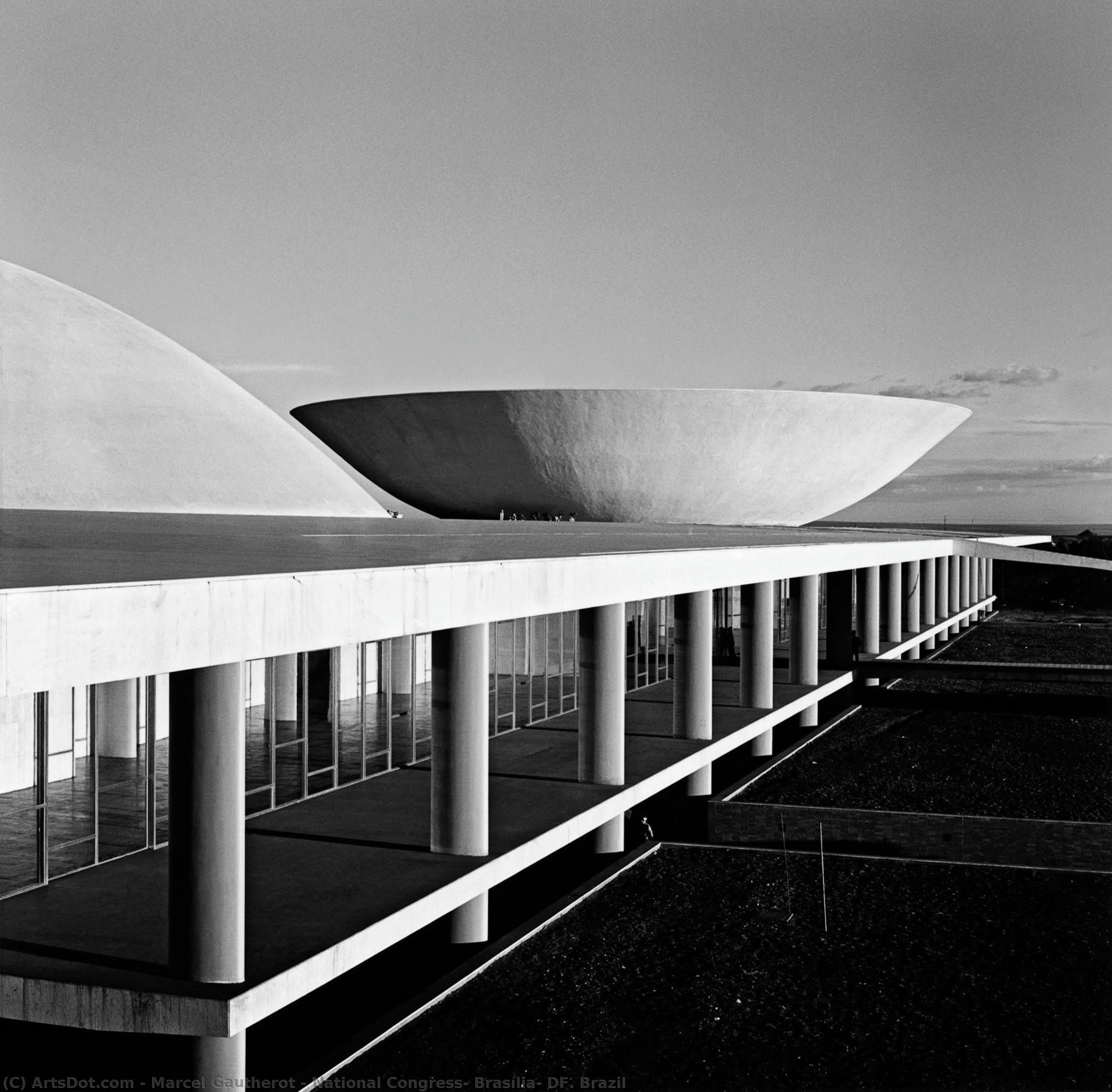
National Congress, Brasília, DF. Brazil
 Acrylic On Canvas
- WallArt
- Modernist Architecture
 46.0 x 46.0 cm
 Instituto Moreira Salles
 Read More
Giclée / Art Print
Museum-quality giclée or canvas print with fast production and flexible finish options. ( Buy Hand Made Painting Buy Image)




P118B $10

P118H $10

P118W $10

P438Z $10

P508JH $12

P508YH $12

P805H $10

P805Z $10

P919BZ $10

P919G $10

P919XJ $10

P959ZH $10

P968JZ $12

W106C $8

W218G $10

W218JH $8

W218Y $10

W307PJ $10

W316G $10

W316PJ $8

W316Y $10

W398PJ $8

W4111J $10

W500HY $15

W500JH $15

W692G $12

W849H $8

W940BG $15

W953PJ $8




Pick from our preset sizes that match the artwork's original proportions.

You may enter your own dimensions to fit a specific frame or space. If your selected size does not match the original image's proportions, we will either crop the artwork or extend the image with a mirrored or solid-fill edge. A digital mockup will be sent for your approval before production begins.
Please note that the on-screen preview does not reflect the actual cropping or extension. Only the mockup will accurately show the final composition.
While custom sizes are available, we recommend selecting a dimension from the predefined list to preserve the original proportions.
Worldwide Delivery () in 2 weeks instead of standard 4/5 weeks. (21 August)

Free Worldwide Express Shipping

High-Quality Linen Canvas

Full Shipping Insurance

Customs Tax Refund Guarantee

True Color Matching Guarantee

60-Day Return Policy (Defects Only)

100% Money-Back Guarantee

Bulk Discount Offer
 Glass option is only available in size under 110 CM

National Congress, Brasília, DF. Brazil
Giclée / Art Print
Reproduction Size
-


Total Price
$ 63
Collectible Description
National Congress, Brasília, DF. Brazil – A Monumental Reflection of Modernist Vision
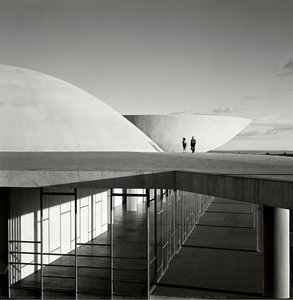
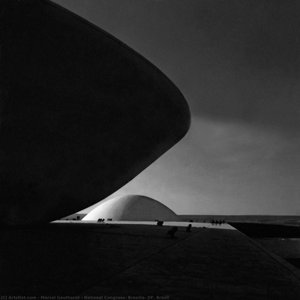
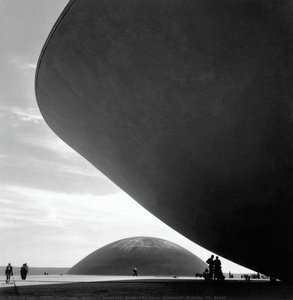
The photograph captures a commanding presence—the National Congress building in Brasília, DF., Brazil—a testament to Oscar Niemeyer’s audacious architectural ambition and Marcel Gautherot's meticulous documentation of this pivotal moment in Brazilian history. Acquired by the Instituto Moreira Salles in 1999, Gautherot’s extensive oeuvre represents a cornerstone of 20th-century Brazilian photography, reflecting his dual fascination with geometric precision and humanist observation. Born in Paris in 1910 and establishing himself in Rio de Janeiro later in life, Gautherot approached subjects ranging from folklore to urban landscapes with an unwavering commitment to quality and artistic coherence—a dedication that culminated in the organization of a monumental archive before his passing in 1996.Composition and Perspective: Embracing Scale and Dynamism
The photograph’s composition immediately establishes its grandeur through horizontal lines mirroring the building's façade and roofline, anchoring the image within Brasília’s urban fabric. However, it is a dramatic diagonal line formed by the dome that injects movement into this otherwise static structure—a deliberate choice reflecting Niemeyer’s modernist ethos and Gautherot’s artistic sensibility. Employing a low angle perspective, the photographer elevates the viewer's gaze, emphasizing the building’s imposing height and reinforcing its symbolic significance as a symbol of Brazilian democracy and progress. The slight off-center placement contributes to visual balance while allowing for expansive views of the sky—a subtle element that underscores the vastness of Brazil itself.Monochromatic Elegance: Texture and Light Shaping Form
Executed entirely in black and white, Gautherot’s photograph prioritizes tonal range over color saturation, skillfully conveying form, texture, and depth. From brilliant whites highlighting architectural details to deep blacks defining shadows, the image achieves remarkable contrast—a technique honed by Gautherot's background as an interior designer. The smooth concrete surfaces of the building are rendered with understated elegance, while the sky’s gradient suggests diffused natural light, fostering a calm and contemplative atmosphere. Careful attention to lighting ensures that no harsh shadows obscure the building’s sculptural qualities, furthering its formal aesthetic.Architectural Symbolism: Niemeyer's Bold Statement
The National Congress embodies Niemeyer’s revolutionary vision for Brasília—a city conceived as an experiment in urban planning and architectural innovation. Its geometric forms—particularly the soaring dome—represent aspiration and unity, mirroring Gautherot’s humanist gaze and his desire to capture the essence of Brazilian identity. The photograph serves not merely as a visual record but also as an invitation to contemplate the broader implications of Niemeyer's design principles: rationality, harmony, and a profound respect for nature.Concluding Reflection: A Legacy Preserved
Marcel Gautherot’s photograph stands as a powerful reminder of Brasília’s formative years—a period marked by optimism and determination to forge a new path forward. Through his masterful technique and unwavering artistic vision, Gautherot immortalizes this architectural landmark, offering viewers an enduring appreciation for Niemeyer's legacy and the transformative power of photography as a medium for documenting history and conveying emotion. Its reproduction allows us to experience the grandeur of Brasília’s design and appreciate Gautherot’s contribution to Brazilian art heritage.Related Artworks

Artist Biography
A Witness to Modernity: The Life and Legacy of Marcel Gautherot
Marcel Gautherot, born in Chantilly, France, in 1910, was more than a photographer; he was a chronicler of transformation, a visual poet who dedicated over half a century to documenting the evolving soul of Brazil. Though initially drawn to architecture, it was through the lens that Gautherot found his true calling, becoming one of the most important photographers to capture the nation’s landscapes, its people, and—most significantly—the ambitious construction of Brasília. His journey began in Paris, where a budding interest in the principles of Bauhaus design led him towards an apprenticeship he ultimately abandoned, finding himself instead captivated by the power of visual storytelling while archiving images at the Musée de l'Homme in 1936. This early experience proved pivotal, shaping his eye for composition and his commitment to capturing the essence of human existence within built environments.From Parisian Roots to Brazilian Horizons
Inspired by Jorge Amado’s vibrant narratives and a desire to explore beyond European borders, Gautherot embarked on extensive travels in the late 1930s. A brief period of military service in Senegal preceded a reconnaissance trip into the Amazon rainforest, experiences that broadened his perspective and ultimately led him to settle in Rio de Janeiro around 1940. It was here, immersed in Brazilian culture, that Gautherot truly flourished. He quickly integrated himself into the country’s artistic circles, forging close relationships with leading Modernist figures like Melo Burle Marx and Oscar Niemeyer. While initially undertaking photographic work for museums and architectural magazines, it was his documentation of everyday life—the resilience of indigenous communities, the energy of coastal cities—that began to define his unique style. His photographs weren’t merely representations; they were imbued with a deep sense of empathy and respect for the subjects he portrayed.Brasília: A City in the Making
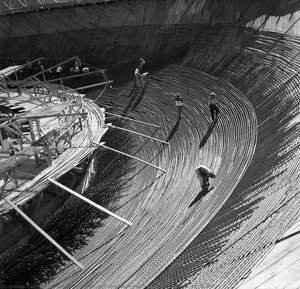
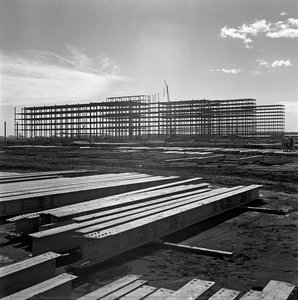
The defining chapter of Gautherot's career unfolded between 1958 and 1960, as he meticulously documented the construction of Brasília, President Juscelino Kubitschek’s audacious vision for a new capital city. Over two years, he captured over several thousand images—a comprehensive visual record of this monumental undertaking. His photographs reveal not just the geometric purity of Niemeyer's designs and Costa’s urban planning, but also the human cost and collective effort behind the project. He focused on the government wing, immortalizing iconic structures like the Brasília Cathedral, the Palacio do Planalto, and the Alvorada Palace as they rose from the landscape. Gautherot’s choice of black-and-white film, coupled with his masterful use of light and shadow, lent a dramatic intensity to his work, highlighting the contrast between architectural ambition and the manual labor required to realize it. His signature 6x6 square format—earning him the moniker “master of the magic square”—further emphasized the precision and clarity of his vision.A Lasting Impact: Documentarian Realism and Modernist Vision
Marcel Gautherot’s photographs transcend mere documentation; they are powerful statements about progress, identity, and the human spirit. His work is characterized by a unique blend of documentarian realism and aesthetic beauty, capturing both the grandeur of architectural innovation and the everyday lives of those who built it. The Instituto Moreira Salles acquired his complete collection in 1999—a testament to its cultural significance—comprising around 25,000 images that span a vast array of themes. Gautherot’s legacy extends beyond Brazil, influencing generations of photographers with his commitment to social commentary and his ability to find beauty in the most unexpected places. He died in 1996, leaving behind a body of work that continues to inspire awe and provoke reflection on the complexities of modernity and the enduring power of visual storytelling.- Key Influences: Bauhaus principles, Jorge Amado’s literature, Brazilian Modernist architects Oscar Niemeyer and Lucio Costa.
- Major Themes: Architecture, landscapes, people, social commentary, urban development, the construction of Brasília.
- Distinguishing Style: Black-and-white photography, dramatic use of light and shadow, 6x6 square format, documentarian realism combined with aesthetic beauty.
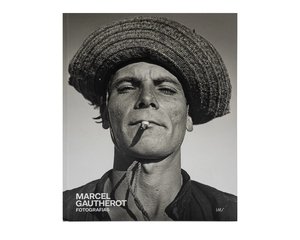
marcel gautherot
1910 - 1996 , France
Quick Facts
- Artistic Movement Or Style: Modernist photography
- Date Of Birth: 1910
- Date Of Death: 1996
- Full Name: Marcel Gautherot
- Nationality: French
- Notable Artworks:
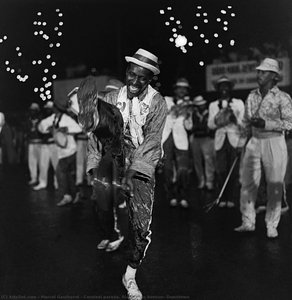
- Capoeira game
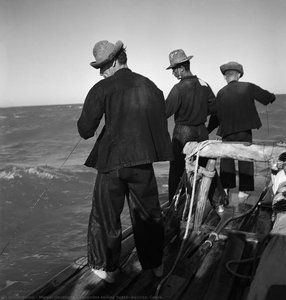
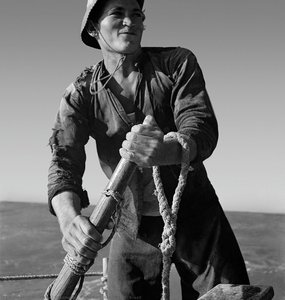
- Fishermen at Ilha Mexiana
- Portrait of a boy
- Place Of Birth: Chantilly, France
Related Articles

Monochrome Visions: Exploring the Aesthetic & Historical Significance of Black & White Photography
Explore the rich history & artistic power of black and white photography. From early techniques to iconic masters like Ansel Adams, discover why monochrome continues to captivate art lovers today. Expert insights for collectors.
Beyond the Lens: Photography's Enduring Influence on Modern & Contemporary Art
Explore photography's pivotal role in shaping modern & contemporary art. Discover key movements, influential artists like Stieglitz, and expert collecting advice from ArtsDot.
Benedito Calixto: A Brazilian Modernist's Landscape of Memory & National Identity
Explore the captivating world of Benedito Calixto, a pivotal Brazilian Modernist painter. Discover his iconic landscapes, the story behind the famous Bandeirante portrait, and his lasting impact on Brazilian national identity. Learn more at ArtsDot.

Pictorialism: A Search for Artistic Photography's Soul – Aesthetics, Techniques & Legacy
Explore the captivating world of Pictorialism – a pivotal movement that transformed photography into fine art. Discover key artists like Stieglitz & Käsebier, techniques, and collecting tips from experts.
Witnessing History Through Lens & Light: Documentary Photography's Enduring Legacy
Explore the powerful history of documentary photography – from its origins to contemporary masters like Gordon Parks & W. Eugene Smith. Discover how this art form shapes our understanding of society and witness pivotal moments in time.