 Preview
 Send
Send Share
Share
 Details

 Download
 Similars
 X-Ray
X-Ray Diaporama
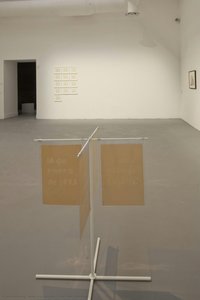
Untitled, 14, 15.04.1974


 Read More
Giclée / Art Print
Museum-quality giclée or canvas print with fast production and flexible finish options. ( Buy Hand Made Painting Buy Image)




P118B $10

P118H $10

P118W $10

P438Z $10

P508JH $12

P508YH $12

P805H $10

P805Z $10

P919BZ $10

P919G $10

P919XJ $10

P959ZH $10

P968JZ $12

W106C $8

W218G $10

W218JH $8

W218Y $10

W307PJ $10

W316G $10

W316PJ $8

W316Y $10

W398PJ $8

W4111J $10

W500HY $15

W500JH $15

W692G $12

W849H $8

W940BG $15

W953PJ $8




Pick from our preset sizes that match the artwork's original proportions.

You may enter your own dimensions to fit a specific frame or space. If your selected size does not match the original image's proportions, we will either crop the artwork or extend the image with a mirrored or solid-fill edge. A digital mockup will be sent for your approval before production begins.
Please note that the on-screen preview does not reflect the actual cropping or extension. Only the mockup will accurately show the final composition.
While custom sizes are available, we recommend selecting a dimension from the predefined list to preserve the original proportions.
Worldwide Delivery () in 2 weeks instead of standard 4/5 weeks. (23 August)

Free Worldwide Express Shipping

High-Quality Linen Canvas

Full Shipping Insurance

Customs Tax Refund Guarantee

True Color Matching Guarantee

60-Day Return Policy (Defects Only)

100% Money-Back Guarantee

Bulk Discount Offer
 Glass option is only available in size under 110 CM

Untitled, 14, 15.04.1974
Giclée / Art Print
Reproduction Size
-


Total Price
$ 63
Collectible Description
A Quiet Revolution: Unveiling Teresa Burga’s ‘Untitled, 14, 15.04.1974’
María Teresa Burga Ruiz (1935 – 2021), a name perhaps less familiar than some of her contemporaries, stands as a vital and quietly revolutionary figure in the history of Peruvian art. Born amidst the lush biodiversity of Iquitos, deep within the Amazon rainforest, Burga’s artistic journey was inextricably linked to her homeland—its humidity, its textures, and its profound sense of identity. ‘Untitled, 14, 15.04.1974,’ a series of nine meticulously rendered monochrome drawings, offers a compelling glimpse into this unique perspective, showcasing a deliberate rejection of traditional artistic conventions and a pioneering embrace of conceptual approaches that would later define media art in Latin America.
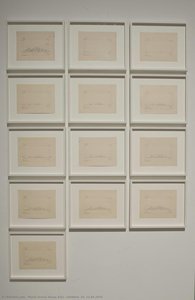
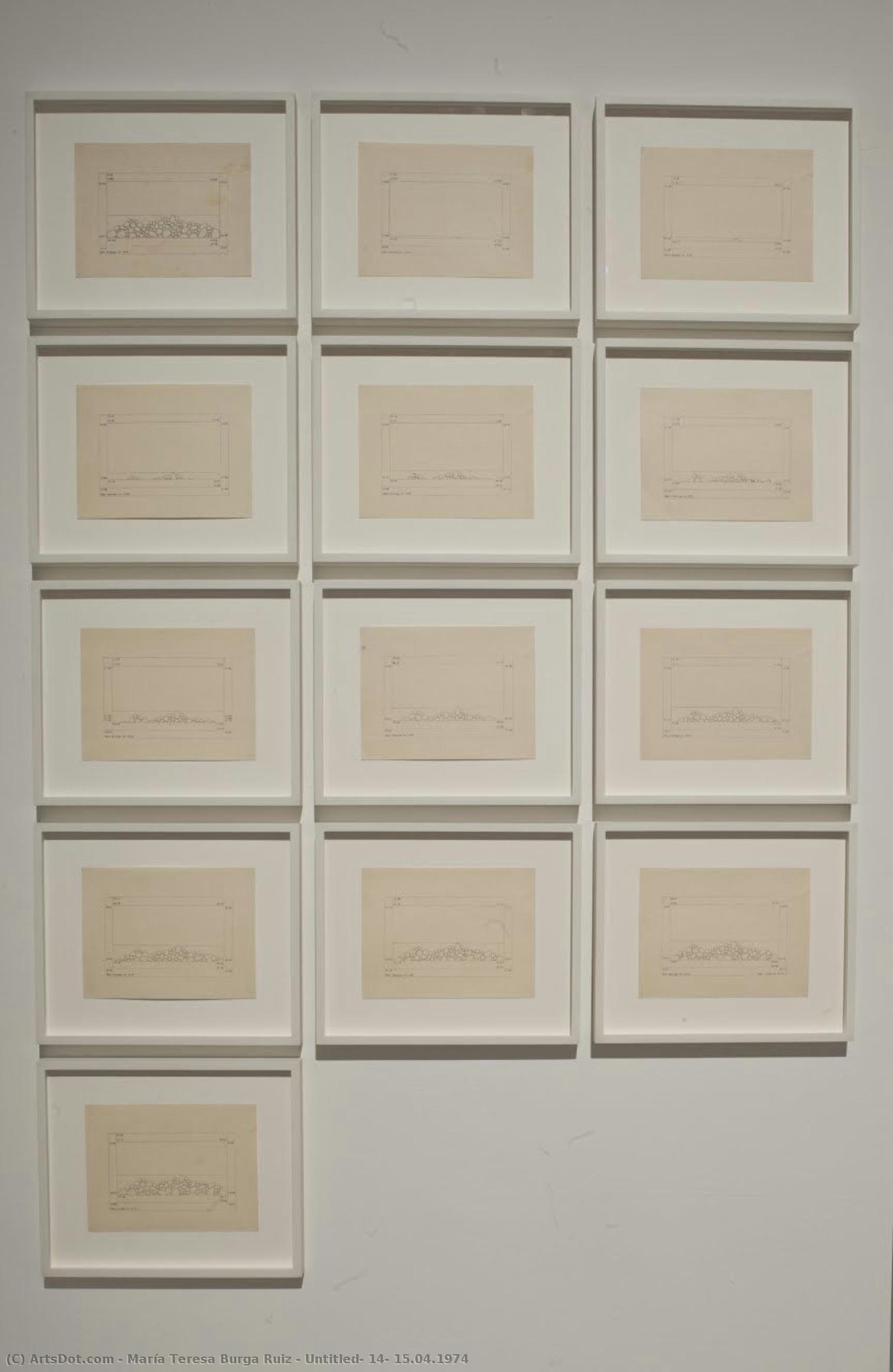
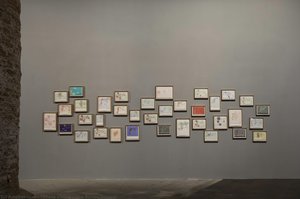
The artwork itself presents a striking visual arrangement: a precisely composed grid of nine framed drawings. Each piece is dominated by pale beige or cream tones, the lines themselves rendered with an almost obsessive attention to detail – intricate, stylized floral and botanical motifs emerge from the paper, reminiscent of both scientific illustration and abstract design. The frames are uniformly white and rectangular, contributing to the overall sense of order and control, a deliberate counterpoint to the artist’s conceptual aims. The lighting is soft and even, avoiding harsh shadows that might detract from the delicate lines and subtle variations in tone. While the presentation feels formal, there's an underlying calmness and contemplative quality, inviting prolonged observation.
Deconstructing Authorship: A Conceptual Framework
Burga’s artistic practice underwent a significant transformation throughout the late 1960s and early 1970s. Frustrated by the slow drying times of traditional oil paints – a constant challenge in Lima's humid climate – she began experimenting with latex, then took an even bolder step: delegating the actual painting process to others. This radical shift wasn’t simply about efficiency; it was a deliberate critique of artistic authorship itself. Her series of cubes and prisms, often incorporating audience participation, exemplified this approach—the final outcome being largely dependent on chance encounters and viewer interaction. As Burga herself stated, “it was by pure chance,” highlighting her intention to dismantle the traditional notion of the artist as the sole creator.
‘Untitled, 14, 15.04.1974’ embodies this conceptual framework perfectly. The drawings themselves are faithful reproductions of source images – advertisements, flyers, posters, and instruction manuals—a deliberate selection that speaks to the ubiquity of imagery in modern life. The inclusion of subjects as diverse as theater plays, police reports, cartoons, and female figures underscores Burga's interest in exploring the layers of meaning embedded within everyday visual culture. The act of copying, then annotating with precise records of the drawing’s duration, transforms these seemingly simple reproductions into complex statements about time, process, and the very nature of representation.
Symbolism and a Peruvian Perspective
The repetitive nature of the grid, combined with the stylized botanical motifs, invites multiple interpretations. On one level, it can be seen as an exploration of pattern and repetition—a visual meditation on the rhythms and structures inherent in both natural forms and human-made systems. The monochrome palette contributes to a sense of austerity and detachment, while the intricate line work suggests a meticulous attention to detail and a desire for precision. Considering Burga’s origins in the Amazon rainforest, one might also interpret the drawings as a reflection on the interconnectedness of life, the cycles of growth and decay, and the delicate balance between order and chaos.
Furthermore, the inclusion of diverse source materials—from advertisements to police reports—hints at Burga’s engagement with social commentary. Her work challenges viewers to question the authority of images and to consider the ways in which visual culture shapes our perceptions of reality. ‘Untitled, 14, 15.04.1974’ is not merely a collection of drawings; it's a carefully constructed dialogue between art, media, and society—a testament to Teresa Burga’s pioneering spirit and her enduring legacy as a visionary artist.
Bringing ‘Untitled’ Home: A Reproduction for Your Space
ArtsDot.com offers exquisite hand-painted reproductions of Teresa Burga's 'Untitled, 14, 15.04.1974,' allowing you to experience the depth and nuance of this remarkable artwork in your own home or office. Our skilled artisans meticulously recreate Burga’s intricate line work and subtle tonal variations, ensuring a faithful representation of the original while capturing its unique atmosphere. Choose from a range of sizes and framing options to perfectly complement your personal style. Invest in a ArtsDot reproduction—a tangible connection to a pivotal moment in Peruvian art history.
Related Artworks
Artist Biography
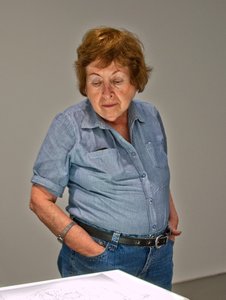
María Teresa Burga Ruiz (1935-2021): A Pioneer of Peruvian Conceptual and Media Art
- Born: Iquitos, Peru, 1935
- Died: Lima, Peru, 2021
María Teresa Burga Ruiz, also known as Teresa Burga, was a groundbreaking Peruvian artist whose work spanned multimedia and conceptual art forms. Born in the Amazonian city of Iquitos, her artistic journey led her to become a pivotal figure in Peruvian art history, recognized for her pioneering contributions to media art, technology-based art, and installation art – fields that were nascent in Peru during her active years.
Early Life and Artistic Development
- Burga's early life in Iquitos likely influenced her later exploration of identity and social structures within Peruvian society.
- She began experimenting with various media, moving beyond traditional artistic boundaries to incorporate technology and conceptual frameworks into her practice.
- The late 1960s and 1970s marked a crucial period in Burga's development as an artist. It was during this time that she produced some of her most significant works, establishing her reputation as a visionary innovator.
Key Works and Artistic Style
- Untitled, 14, 15.04.1974: Perhaps Burga's most celebrated work, this series of monochrome drawings exemplifies her minimalist aesthetic and conceptual approach. The stark imagery invites contemplation on time, process, and the nature of representation. View Artwork
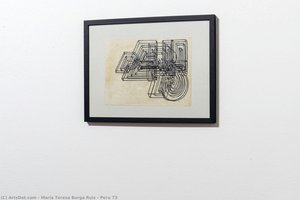
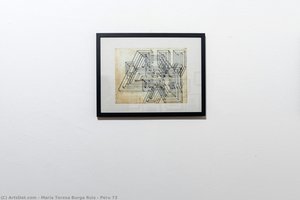
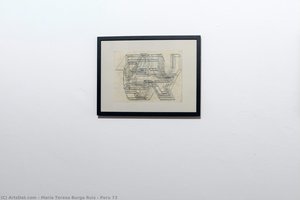
- Peru 73: This abstract ink drawing showcases Burga's exploration of geometric forms and layered structures, reflecting a broader engagement with the social and political landscape of Peru in 1973. View Artwork
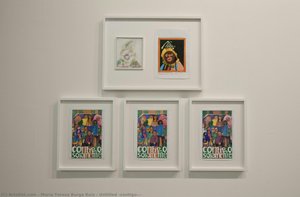
- Untitled (contigo….): Demonstrates her versatility across different mediums. View Artwork
- Her artistic style is characterized by a reduction to essential forms, often employing monochrome palettes and repetitive patterns. This minimalist approach serves as a vehicle for exploring complex conceptual ideas.
Influences and Historical Significance
- Burga's work was influenced by the broader international trends in Conceptual Art and Minimalism that emerged in the 1960s and 70s.
- She is considered a precursor to media art and installation art in Peru, paving the way for subsequent generations of artists who embraced new technologies and expanded the boundaries of artistic expression.
- Her exploration of identity, feminism, and social structures within Peruvian society positions her as a significant contributor to Latin American feminist art.
- Burga's legacy lies in her ability to synthesize conceptual rigor with innovative use of media, creating works that are both aesthetically compelling and intellectually stimulating.
Legacy and Recognition
- María Teresa Burga’s work has gained increasing recognition posthumously, solidifying her place as a pivotal figure in Peruvian art history.
- She is now celebrated for her pioneering spirit and her contribution to the development of contemporary art practices in Peru.
- Her influence can be seen in the work of younger Peruvian artists who continue to explore themes of identity, technology, and social change.
María Teresa Burga Ruiz
1935 - 2021 , Peru
Quick Facts
- Artistic Movement Or Style: Conceptual Art, Media Art
- Date Of Birth: 1935
- Date Of Death: 2021
- Full Name: María Teresa Burga Ruiz
- Nationality: Peruvian
- Notable Artworks:
- Untitled, 14, 15.04.1974
- Peru 73
- Untitled (contigo….)
- Place Of Birth (City And Country): Iquitos, Peru
Related Articles
The Nuances of Graphite: Exploring Emotional Depth & Technical Mastery in Pencil Drawing
Explore the captivating world of graphite drawing! Discover its rich history, master essential techniques like chiaroscuro, and learn how artists evoke emotion through this timeless medium. Expert insights for art enthusiasts.

Beyond Representation: Conceptual Art & the Enduring Legacy of Ideas
Explore the profound impact of Conceptual Art with ArtsDot. Discover its history, key artists like Duchamp & Kosuth, and learn how to collect this influential movement. Expert insights for discerning art collectors.
La Biennale's Masterpieces: 25 Artworks to Inspire Your Home | ArtsDot
Explore 25 iconic artworks from La Biennale di Venezia! Discover the stories behind masterpieces of Italian art, modernism & Renaissance paintings. Find museum-quality reproductions and elevate your home decor with ArtsDot.com. Explore the full collection online.
The Art of the Line: Discover Captivating Drawings to Transform Your Home with Sophisticated Minimalist Elegance
Elevate your home with the profound elegance of fine art drawings. From soulful charcoal sketches to minimalist line art, discover how captivating textures and masterful contours can transform your interior design. Explore expert curation for a sophisticated, meaningful living space.
Minimalist Masterpieces: 10 Artworks for Serene Home Decor | ArtsDot
Find serenity with 10 minimalist masterpieces! Explore Agnes Martin, Rothko & more. Discover the stories behind iconic abstract art, neutral palettes & calming designs. Museum-quality reproductions at ArtsDot.com – elevate your home decor today!