


 Preview
 Send
Send Share
Share
 Details

 Download
 Similars
 X-Ray
X-Ray Diaporama
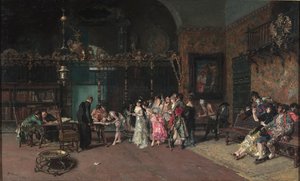
At the Vicarage


 Read More
Purchase a high-resolution, enhanced digital image, far superior to the online preview.
Each file is meticulously prepared by our in-house specialists using advanced tools and expert manual retouching. We ensure every image has exceptional clarity, precise color accuracy, and fine detail.
The final file is delivered via email within 72 hours, optimized for immediate use in professional, editorial, and print environments. This is the same quality trusted by top-tier design studios, publishers, and galleries.
Digital Image
Download a high-resolution file for personal display, printing, and creative projects. ( Buy Print Buy Hand Made Painting)
Included in Every Digital Image Order
Expert Digital Delivery, Guaranteed
When you choose ArtsDot.com, you're not just getting an image - you're receiving a professionally enhanced digital artwork, crafted with precision and backed by a satisfaction guarantee. Here's everything that comes with your order, automatically:

Fast Email Delivery
Your high-resolution digital image file will be emailed to you within 72 hours of ordering - ready for immediate use.

AI-Enhanced Digital File
Your artwork is professionally optimized using advanced AI tools and manual editing, ensuring maximum detail, clarity, and color accuracy.

Free Lifetime Re-Delivery
Accidentally deleted or lost your file? No worries - we'll resend it to you anytime, free of charge.

No Import Fees - Ever
Enjoy your artwork instantly with zero customs, duties, or delivery fees - digital downloads are always tax-free.

Color Accuracy Guarantee
We ensure your digital image reflects the original colors as closely as possible using professional tools and color management.

60-Day Satisfaction Guarantee
If you're not satisfied with your digital image, we'll revise it or refund 100% within 60 days - no questions asked.

100% Money-Back Guarantee
Not satisfied? Get a full refund within 60 days of receiving your digital file - no questions asked.

Bulk Order Discounts
Buy 3 images, save 10% - Buy 5, save 15% - Buy 10+, save 20%. Great for creative projects, galleries, and agencies.
A Glimpse into Refined Society: Mariano Fortuny's "At the Vicarage"
Mariano Fortuny Y Marsal’s “At the Vicarage,” painted in 1870, offers a captivating window into the leisurely pursuits and social graces of 19th-century European society. This oil on panel masterpiece, currently residing within the esteemed Museu Nacional d'Art de Catalunya in Barcelona, exemplifies Fortuny’s signature style – a refined blend of realism and elegant composition that elevates everyday scenes to the level of high art. The painting depicts a group of individuals engaged in conversation and convivial interaction within what is likely a vicarage drawing room, radiating an atmosphere of relaxed sophistication and polite discourse. It's more than just a depiction of a gathering; it’s a study in human connection and social ritual.Fortuny's Artistic Style & Technique
Fortuny was renowned for his meticulous attention to detail and masterful handling of light and color, setting him apart from many contemporaries. "At the Vicarage" showcases these qualities brilliantly. The artist employs a warm, muted palette dominated by browns, golds, and creams, creating an inviting and intimate ambiance. Noticeable is the contrast between the darker background and the brighter foreground figures, drawing the viewer's eye to the central scene of conversation. Fortuny’s brushwork is visible yet refined; he doesn’t obscure his technique but rather uses it to enhance the textural richness of fabrics (velvet, silk), wood surfaces, and skin tones. The use of subtle glazes likely contributes to the painting’s luminous quality. While a flattened perspective is characteristic of 19th-century genre painting, Fortuny skillfully utilizes overlapping figures and variations in color intensity to create a sense of depth within the composition.Historical Context & Genre Painting
The mid-19th century witnessed a flourishing of genre painting – art that depicted scenes from everyday life. "At the Vicarage" is a prime example of this trend, reflecting a growing interest in portraying the customs and lifestyles of various social classes. Fortuny’s work stands out for its elevated treatment of these subjects; he doesn't simply record reality but imbues it with elegance and sophistication. The painting provides valuable insight into the social dynamics and interior design aesthetics prevalent during that era. Consider the clothing styles, furniture arrangements, and decorative objects – all meticulously rendered to convey a sense of privilege and refined taste. Fortuny’s contemporaries included artists like Jean-Louis Ernest Meissonier, whose influence can be seen in the meticulous detail and narrative quality of his work.Symbolism & Emotional Impact
Beyond its aesthetic appeal, "At the Vicarage" evokes a range of emotions – warmth, conviviality, and a sense of belonging. The relaxed postures and engaged expressions of the figures suggest an atmosphere of genuine connection and enjoyment. While seemingly simple in subject matter, the painting subtly explores themes of social status, human interaction, and the fleeting nature of moments shared among friends and family. The overall impression is one of tranquility and refined pleasure – a glimpse into a world where leisure and conversation were highly valued. It’s an invitation to step back in time and experience a moment of quiet elegance.Related Artworks
Artist Biography
A Tapestry of Genius: The Life and Legacy of Mariano Fortuny
The story of Mariano Fortuny y Marsal is one of profound artistic convergence, where the boundaries between fine art, textile design, and scientific invention dissolve into a single, luminous vision. Born into an illustrious lineage of Spanish painters, Fortuny was destined to inherit a world saturated with color and texture. As the son of the genre painter Mariano Fortunes y Marsal, his early years were steeped in the rich aesthetics of the 19th century. His childhood was not merely spent observing art, but living within it; surrounded by his parents' vast collections of antique metalwork, armor, and exotic fabrics, he developed an early, tactile relationship with the materials that would later define his career. This sensory upbringing, moving from the warmth of Granada to the cosmopolitan elegance of Paris, instilled in him a lifelong fascination with the way light interacts with surface and substance.
While history often remembers the name Fortuny through the lens of high fashion, the artist's true essence lay in his polymathic nature. He was a creator who refused to be confined by a single medium. His development as an artist was fueled by a restless curiosity that saw him mastering painting, photography, sculpting, and even architectural design. The influence of his father’s Orientalist sensibilities and the grandeur of European history provided a foundation upon which he built a revolutionary approach to design. In Paris, the epicenter of the art world, Fortuny began to bridge the gap between the ancient and the modern, using his deep knowledge of historical textiles to create something entirely new. His work was not merely about clothing; it was about the creation of an atmosphere, a concept that would later find its most profound expression in his theatrical innovations.
The Alchemy of Light and Fabric
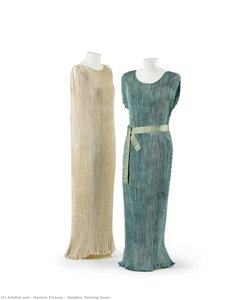
One of Fortuny's most enduring achievements lies in his ability to manipulate light and texture to evoke emotion and mystery. His mastery of textile design, most notably the creation of the iconic Delphos gown, revolutionized the way garments interacted with the human form. These pleated masterpieces were more than just fashion; they were sculptural triumphs that utilized complex pleating techniques to mimic the fluidity of water and the grace of classical antiquity. This period of his work reflected a deep connection to the past, drawing inspiration from Greek drapery and Renaissance elegance, yet presenting it through a lens of modern sophistication.
Beyond the tactile beauty of silk and velvet, Fortuny was a pioneer of light. His inventive spirit led him to patent numerous technologies, including groundbreaking advancements in theatrical stage lighting. He understood that light is the fundamental element of all visual art—it defines shape, creates depth, and dictates mood. By inventing new ways to diffuse and direct light, he transformed the stage into a living canvas, influencing generations of scenographers and designers. His ability to blend the scientific with the aesthetic allowed him to treat a theater stage or a piece of fabric with the same meticulous attention to detail as a fine oil painting.
A Lasting Impression on the Modern World
The historical significance of Mariano Fortuny y Marsal extends far beyond the borders of the art galleries and fashion houses of his time. His influence can be traced through the works of literary giants like Marcel Proust, who found inspiration in the evocative textures of Fortuny's creations, to the modern era of multidisciplinary design. He remains a symbol of the "total artist"—one whose vision encompasses every aspect of the aesthetic experience, from the weight of a fabric to the glow of a spotlight.
As we reflect on his life, several key pillars of his legacy emerge:
- The Fusion of Disciplines: His unique ability to merge painting, textile design, and invention into a cohesive artistic language.
- Textile Innovation: The creation of revolutionary garments that redefined the relationship between clothing and the body.
- Mastery of Light: His scientific contributions to stage lighting that forever changed the landscape of theatrical production.
- Cultural Synthesis: A design philosophy that seamlessly blended Spanish heritage, Italian elegance, and Orientalist mystery.
Though his life was relatively short, ending in Venice, the impact of his creative explosion continues to resonate. Fortuny did not just create objects; he created worlds. His legacy is a testament to the power of curiosity and the enduring beauty of an artist who saw no distinction between the science of invention and the soul of art.
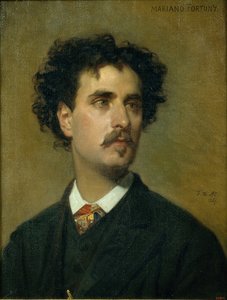
Mariano Fortuny y Marsal
1838 - 1874
Quick Facts
- Artistic Movement Or Style: Orientalist Painting
- Artists Or Movements Influenced By This Artist: ['Marcel Proust']
- Artists Who Influenced This Artist:
- Francisco Goya
- Eugène Delacroix
- Date Of Birth: May 11, 1838
- Date Of Death: November 21, 1949
- Full Name: Mariano Fortuny y Marsal
- Nationality: Spanish
- Notable Artworks:
- The Battle of Tetuan
- Queen Marie Christine Inspecting the Troops
- Place Of Birth: Reus, Catalonia, Spain

