 Preview
 Send
Send Share
Share
 Details

 Download
 Similars
 X-Ray
X-Ray Diaporama
The Sculptor Jean-Baptiste Pigalle
 Pastel
- WallArt
- Rococo Aesthetic
 Early Modern
 91.0 x 73.0 cm
 The Louvre
 Read More
Giclée / Art Print
Museum-quality giclée or canvas print with fast production and flexible finish options. ( Buy Hand Made Painting Buy Image)




P118B $10

P118H $10

P118W $10

P438Z $10

P508JH $12

P508YH $12

P805H $10

P805Z $10

P919BZ $10

P919G $10

P919XJ $10

P959ZH $10

P968JZ $12

W106C $8

W218G $10

W218JH $8

W218Y $10

W307PJ $10

W316G $10

W316PJ $8

W316Y $10

W398PJ $8

W4111J $10

W500HY $15

W500JH $15

W692G $12

W849H $8

W940BG $15

W953PJ $8




Pick from our preset sizes that match the artwork's original proportions.

You may enter your own dimensions to fit a specific frame or space. If your selected size does not match the original image's proportions, we will either crop the artwork or extend the image with a mirrored or solid-fill edge. A digital mockup will be sent for your approval before production begins.
Please note that the on-screen preview does not reflect the actual cropping or extension. Only the mockup will accurately show the final composition.
While custom sizes are available, we recommend selecting a dimension from the predefined list to preserve the original proportions.
Worldwide Delivery () in 2 weeks instead of standard 4/5 weeks. (21 August)

Free Worldwide Express Shipping

High-Quality Linen Canvas

Full Shipping Insurance

Customs Tax Refund Guarantee

True Color Matching Guarantee

60-Day Return Policy (Defects Only)

100% Money-Back Guarantee

Bulk Discount Offer
 Glass option is only available in size under 110 CM

The Sculptor Jean-Baptiste Pigalle
Giclée / Art Print
Reproduction Size
-


Total Price
$ 63
Collectible Description
A Pastel Reverie of Rococo Elegance
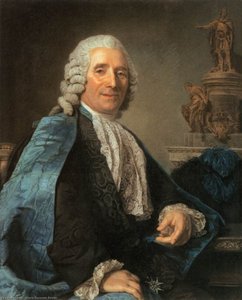
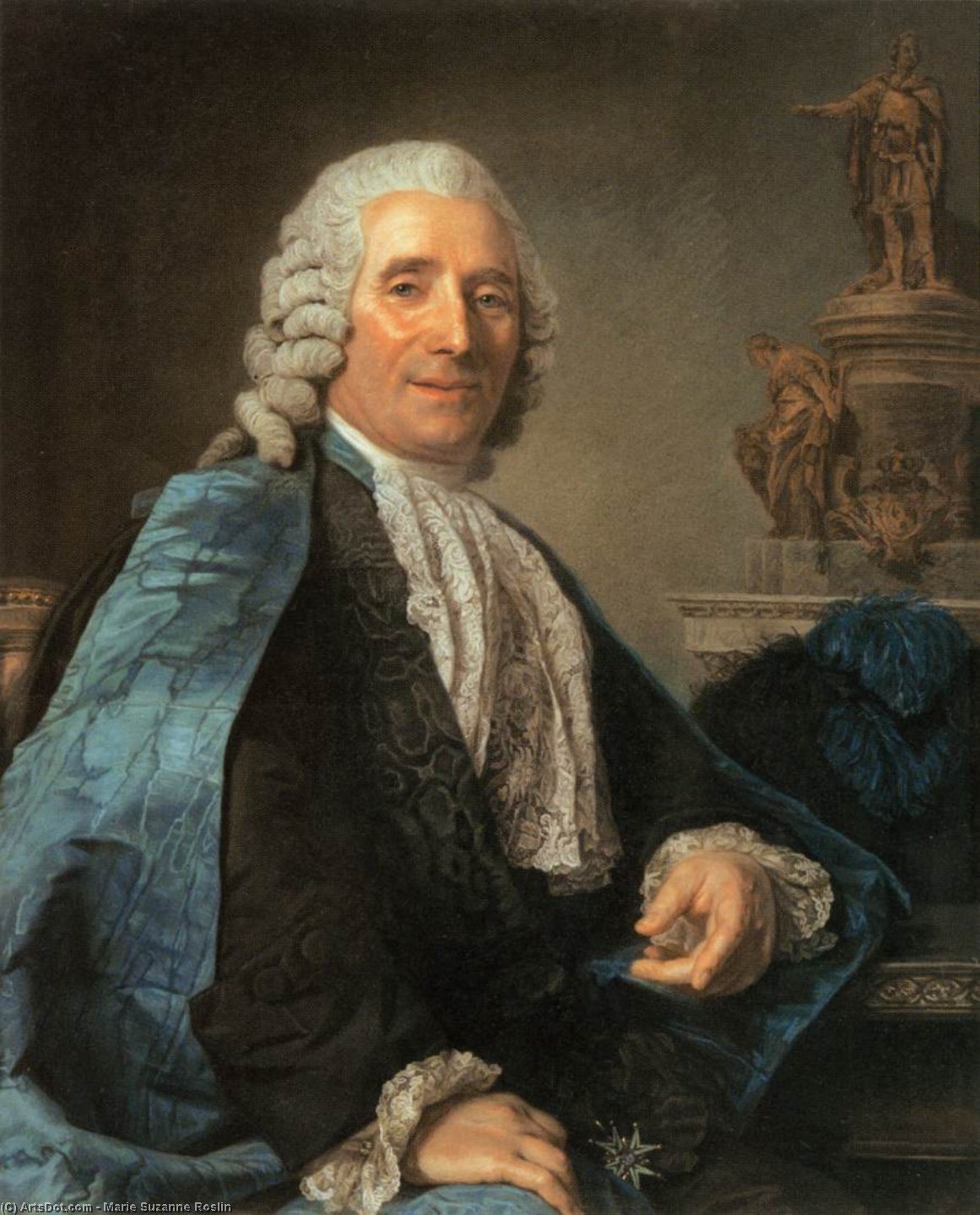
In the soft, luminous glow of Marie-Suzanne Roslin’s “The Sculptor Jean-Baptiste Pigalle,” we are transported to the heart of 18th-century Paris, an era defined by grace, intellectual curiosity, and the shimmering textures of the Rococo period. Completed around 1768, this exquisite pastel portrait is far more than a mere likeness; it is a profound meditation on the intersection of artistry and identity. Roslin, a master of her medium, captures the celebrated sculptor Jean-Baptiste Pigalle not just as a man of profession, but as an embodiment of the Enlightenment spirit. As he sits poised, his gaze suggests a quiet contentment, inviting the viewer into a world where craftsmanship meets high society.
The technical brilliance of this piece lies in Roslin’s masterful use of pastel on blue paper. This specific choice of substrate allows for a breathtakingly ethereal atmosphere, as the cool undertones of the paper interact with the delicate blending of pigments to create subtle tonal gradations that mimic the softness of human skin and the heavy drape of fine fabric. Through a sophisticated application of chiaroscuro, Roslin manipulates light and shadow to imbue the composition with a palpable sense of depth. The play of light across Pigalle’s face highlights his thoughtful expression, while the meticulous rendering of his embroidered dark coat and lace collar showcases a level of precision that would have captivated the aristocratic patrons of the French court.
Symbolism and the Sculptor's Soul
Every element within this composition has been carefully orchestrated to tell a story of divine inspiration and worldly success. Behind the seated figure, the presence of sculpted forms—including a representation of Apollo—serves as a powerful symbol of artistic patronage and mythological grandeur. By placing Pigalle in the company of such classical icons, Roslin elevates his status from a mere laborer of stone to a visionary touched by the gods. This connection to the divine is balanced by the tangible symbols of his earthly prestige; the fine jewelry he examines serves as a subtle nod to the wealth and opulent lifestyle characteristic of the Parisian elite during the reign of Louis XV.
For the discerning collector or interior designer, this artwork offers an unparalleled opportunity to introduce a sense of historical weight and sophisticated charm into a space. The portrait does not merely decorate a wall; it anchors a room with its narrative complexity and soft, inviting palette. Whether placed in a formal study or a contemporary gallery setting, the piece evokes a timeless elegance that resonates with anyone who appreciates the delicate balance between the ruggedness of sculpture and the ephemeral beauty of a pastel dream. It remains a captivating testament to a period when art was the ultimate expression of human achievement.
Related Artworks

Artist Biography
Marie-Suzanne Roslin: A Pioneering Pastel Portraitist
Early Life and Education
- Born in Paris, France in 1734, Marie-Suzanne Giroust (later Roslin) faced early hardship as an orphan.
- She was raised by relatives who supported her artistic inclinations.
- Her formal training began under the guidance of Maurice Quentin de la Tour, a master of pastel portraiture.
- Later, she studied with Joseph-Marie Vien, whose teachings profoundly impacted her artistic development.
Artistic Development and Style
- Roslin primarily worked in pastels, a medium that allowed for delicate color blending and luminous effects.
- Her style is characterized by elegant compositions, refined details, and insightful portrayals of her subjects.
- She skillfully captured the textures of fabrics and jewels, showcasing the opulence of 18th-century aristocratic life.
- Her work reflects the Rococo aesthetic, emphasizing grace, charm, and a sense of playful sophistication.
Marriage to Alexander Roslin and Artistic Collaboration
- In 1752, she met Swedish artist Alexander Roslin while studying with Vien.
- Their desire to marry was initially opposed by her guardians due to his financial situation and Protestant faith.
- After mediation from the Comte de Caylus, they married in 1759 and had six children – three daughters and three sons.
- Alexander Roslin believed Marie-Suzanne was a more gifted pastel artist than himself, highlighting her exceptional talent.
Major Achievements and Recognition
- Roslin’s artistic career flourished throughout the 1760s and 1770s.
- In 1770, she achieved a landmark accomplishment by being admitted to the Académie Royale de Peinture et de Sculpture.
- She was one of only fifteen women accepted as full academicians during the institution’s 145-year history.
- Her reception piece, Portrait of the Sculptor Jean-Baptiste Pigalle (1770), received critical acclaim from Denis Diderot for its “beautiful and strong colors.”
Notable Works
- Portrait of the Sculptor Jean-Baptiste Pigalle (1770): Her reception piece for the Académie Royale, demonstrating her mastery of portraiture.
- Self-Portrait with Her Teacher, Maurice Quentin de la Tour (ca. 1760): A valuable insight into her artistic training and relationship with a key influence.
- Portrait of Alexandre Antoine Roslin (ca. 1764–65): A tender portrayal of her husband, showcasing her skill in capturing personality.
Historical Significance and Legacy
- Marie-Suzanne Roslin’s success challenged societal norms and paved the way for future generations of female artists.
- Her work provides a valuable glimpse into the lives and fashions of 18th-century French aristocracy.
- She remains an important figure in the history of pastel portraiture, celebrated for her technical skill and artistic sensitivity.
- Sadly, she died young at age 38 in 1772 from breast cancer.
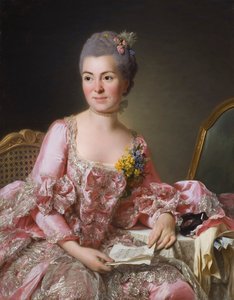
marie suzanne roslin
1734 - 1772 , France
Quick Facts
- Birth Date: 1734
- Birth Place: Paris, France
- Death Date: 1772
- Influenced By:
- Maurice Quentin de la Tour
- Joseph-Marie Vien
- Movement: Rococo, Pastel Portraiture
- Name: Marie-Suzanne Roslin
- Nationality: French
- Notable Works:
- Portrait of the Sculptor Jean-Baptiste Pigalle
- Self-Portrait with Maurice Quentin de la Tour
Related Articles

Bronze Sculptures That Defined Art History | ArtsDot
Journey through art history with our Top 10 bronze sculptures! Explore masterpieces by Rodin, Michelangelo & more. Discover stories behind iconic statues and find museum-quality reproductions for your home decor at ArtsDot.com.

Rococo's Radiant Legacy: 10 Masterpieces for Your Home |
Indulge in the elegance of Rococo! Explore 10 masterpieces by Fragonard, Boucher & Watteau. Discover the stories behind these iconic paintings and bring timeless art to your home with museum-quality reproductions from .
Jean-Baptiste Pater: Rococo Charm & Ephemeral Beauty of 18th-Century France
Explore the captivating world of Jean-Baptiste Pater, a master of Rococo painting. Discover his elegant *fête galante* scenes and shimmering portraits – a glimpse into 18th-century French aristocracy. Learn about his legacy & find high-quality reproductions.

The Rococo Aesthetic: Opulence, Rebellion & the Pursuit of Pleasure in 18th-Century Art
Explore the opulent world of Rococo art! Discover its origins, key artists like Watteau & Boucher, and lasting influence on design. Expert insights for collectors & enthusiasts.

The Enduring Form: Exploring Themes & Techniques in Sculpture Across Historical Periods
Explore the rich history of sculpture from ancient masterpieces to contemporary innovations. Discover key techniques, influential artists & investment potential for discerning art collectors.