 Preview
 Send
Send Share
Share
 Details

 Download
 Similars
 X-Ray
X-Ray Diaporama
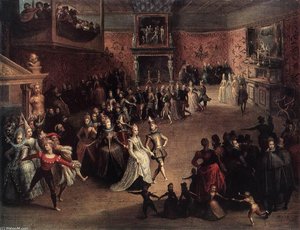
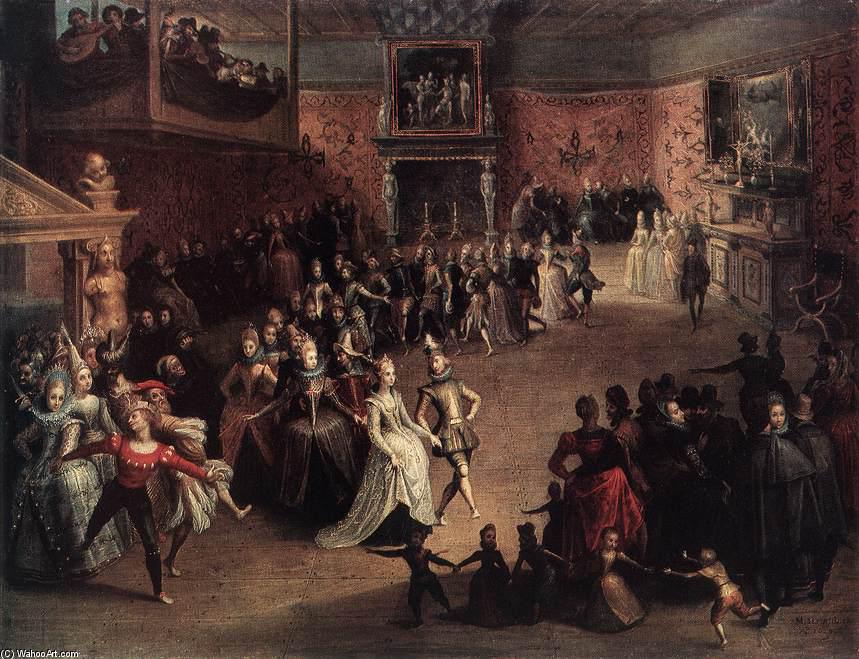
The Ball at the Court
 Oil On Canvas
- WallArt
- Baroque
 1604
1604 50.0 x 66.0 cm
 Pushkin State Museum
 Read More
Hand Made Oil Reproduction
Hand-painted oil on canvas in your size and frame, made to order by our artists. ( Buy Print Buy Image)




P118B $10

P118H $10

P118W $10

P438Z $10

P508JH $12

P508YH $12

P805H $10

P805Z $10

P919BZ $10

P919G $10

P919XJ $10

P959ZH $10

P968JZ $12

W106C $8

W218G $10

W218JH $8

W218Y $10

W307PJ $10

W316G $10

W316PJ $8

W316Y $10

W398PJ $8

W4111J $10

W500HY $15

W500JH $15

W692G $12

W849H $8

W940BG $15

W953PJ $8




Pick from our preset sizes that match the artwork's original proportions.

You may enter your own dimensions to fit a specific frame or space. If your selected size does not match the original image's proportions, we will either crop the artwork or extend the painting with additional hand-painted elements. A digital mockup will be sent for your approval before production begins.
Please note that the on-screen preview does not reflect the actual cropping or extension. Only the mockup will accurately show the final composition.
While custom sizes are available, we recommend selecting a dimension from the predefined list to preserve the original proportions.
After order, ArtsDot.com team will email client for instructions and provide a mockup preview
Worldwide Delivery () in 3/4 weeks instead of standard 5 weeks. (25 August). No compromise on quality.

Free Worldwide Express Shipping

High-Quality Linen Canvas

Full Shipping Insurance

Customs Tax Refund Guarantee

True Color Matching Guarantee

60-Day Return Policy (Defects Only)

100% Money-Back Guarantee

Bulk Discount Offer
 Glass option is only available in size under 110 CM

The Ball at the Court
Reproduction Medium
Reproduction Size
-


Total Price
$ 263
Artwork Description
The Ball at the Court by Marten Pepijn – A Baroque Celebration of Light and Movement
Marten Pepijn’s “The Ball at the Court,” completed in 1604, stands as a cornerstone of Antwerp Baroque art—a testament to Rubensian influence and a masterful depiction of aristocratic social life. This monumental oil painting on wood captures a lavish ballroom scene brimming with energy and opulent detail, transporting viewers back to the gilded age of Philip IV’s reign. Hand-painted reproductions are available at ArtsDot.com, offering an opportunity to experience this iconic artwork firsthand.- Subject Matter: The painting portrays a grand ballroom gathering—a formal social event attended by nobles and dignitaries—characterized by dancing, conversation, and refined entertainment.
- Style: Baroque – Defined by dramatic lighting, dynamic composition, and emotional intensity, “The Ball at the Court” embodies the artistic ideals of its time. Pepijn skillfully employs chiaroscuro—the interplay between light and shadow—to sculpt figures and create a sense of depth, mirroring the grandeur of the setting.
- Technique: Pepijn’s technique is characterized by meticulous brushwork and layering of glazes, resulting in a rich surface texture that captures the shimmering brilliance of candlelight and reflects the elegance of the ballroom décor. The artist's attention to detail extends beyond mere representation; he strives to convey an atmosphere of excitement and sophistication.
- Symbolism: The ballroom itself symbolizes social status, power, and prestige—elements central to aristocratic identity during the Baroque era. The figures depicted are arranged in a dynamic composition, conveying movement and interaction, mirroring the lively atmosphere of the event.
- Emotional Impact: “The Ball at the Court” evokes feelings of grandeur, celebration, and refined pleasure. Pepijn’s masterful use of light and color creates an immersive experience for the viewer, transporting them to a moment of aristocratic indulgence and artistic brilliance.
Artist Information: Marten Pepijn
Marten Pepijn (1575-1643) was born in Antwerp, Belgium—the son of Willem Pepijn, a cloth merchant and art dealer—and his formative years were steeped in the vibrant commercial and cultural milieu of the city’s guild system. Precise details regarding his artistic training remain elusive, adding to the mystique surrounding this influential painter. However, he gained admittance to the Antwerp Guild of Saint Luke in 1600 as a ‘wijnmeester,’ signifying that he was apprenticed under a master craftsman—a common practice at the time—likely contributing to his refined style and technical prowess.Additional Resources
You can find more information about Marten Pepijn and “The Ball at the Court” on these resources:- The Ball at the Court - Magnificent ‘The Ball at the Court’ by Marten Pepijn (1604). A vibrant oil on canvas depicting a lively ballroom scene. Hand-painted reproduction available.
- Marten Pepijn - Flemish painter known for large-scale religious compositions, history paintings & genre scenes. Influenced by Rubens & Francken, his work features dramatic altarpieces and detailed portraiture.
File:Marten Pepijn - The Ball at the Court - WGA17161.jpg
Licensing
This artwork is public domain, allowing for free reproduction and distribution under CC ZERO 1.0 license. Explore more information about this artwork’s provenance and history at WikiGallery: The Ball at the CourtRelated Artworks






Artist Biography
A Legacy of Flemish Grandeur
In the heart of the Antwerp Baroque, a period defined by its dramatic flair and emotional depth, the name Marten Pepijn resonates as a testament to the enduring power of religious and historical narrative. Born in 1575 into the bustling commercial atmosphere of Antwerp, Belgium, Pepijn was the son of Willem Pepijn, a man whose role as a cloth merchant and art dealer provided the young artist with an early, intimate connection to the world of visual splendor. While the precise details of his formative training remain shrouded in the mists of history, his professional ascent was undeniably marked by his admission to the prestigious Antwerp Guild of Saint Luke in 1600. Entering as a wijnmeester—a designation reserved for the sons of established masters—he stepped into a lineage of craftsmanship that would define his career and influence the next generation of Flemish painters.
Pepijn’s personal life was deeply intertwined with the artistic fabric of his city. His marriage to Marie Huybrechts in 1601 established a household where art was not merely a profession but a family vocation. This legacy of talent was most vibrantly realized in his daughter, Katharina Pepijn, who emerged as a celebrated portrait painter in her own right, mastering a style that echoed the greatness of Rubens and Van Dyck. Through such familial connections, the technical prowess and aesthetic sensibilities of Marten Pepijn were woven into the very tapestry of the 17th-century Flemish art scene, ensuring that his influence would ripple through the decades.
The Mastery of Light and Devotion
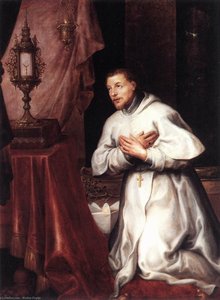
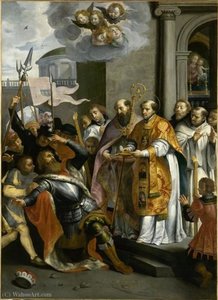
The oeuvre of Marten Pepijn is a captivating study in stylistic duality, ranging from the monumental to the intimate. He is most renowned for his large-scale religious compositions and altarpieces, works that embody the spiritual intensity of the Counter-Reformation. In masterpieces such as St Norbert, one can witness his ability to manipulate light and shadow—a technique known as chiaroscuro—to evoke a sense of divine presence and profound piety. His religious scenes often feature kneeling figures caught in moments of ecstatic prayer, where the dramatic interplay of illumination creates a palpable tension between the earthly and the celestial.
Yet, beyond the heavy drapery and muscular forms of his sacred works, there exists a more delicate side to his artistry. Pepijn’s smaller genre scenes, such as the vibrant The Ball at the Court (1604), reveal a different facet of his genius. These cabinet paintings, often characterized by softer contours and more delicate figures, suggest a close dialogue with the works of Frans Francken the Younger. In these lighter compositions, the artist captures the elegance of courtly life, utilizing rich colors and intricate details to transport the viewer into the lively, rhythmic atmosphere of an aristocratic ballroom. This versatility allowed him to navigate both the solemn requirements of the Church and the sophisticated tastes of private collectors.
Artistic Influence and Historical Significance
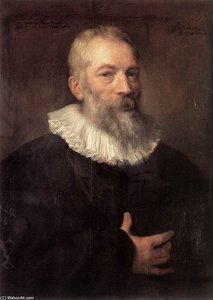
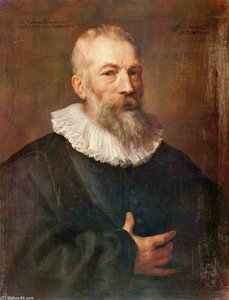
To understand Marten Pepijn is to understand the complex web of influences that shaped the Antwerp school. While historical debates occasionally suggest a rivalry with the legendary Peter Paul Rubens, modern scholarship points toward a more harmonious relationship, evidenced by the deep social ties between their families. His connection to Anthony van Dyck was equally profound; the fact that Van Dyck chose to capture Pepijn’s likeness in a portrait speaks volumes of the respect held for his contemporary. This era of intense artistic exchange allowed Pepijn to absorb the burgeoning Baroque energy while maintaining a connection to the more traditional, structured compositions of the late Renaissance.
As an educator, Pepijn played a vital role in sustaining the Flemish tradition through his dedicated apprenticeship program. Between 1602 and 1628, he guided at least eight pupils through the rigors of oil painting, passing on the secrets of pigment, composition, and narrative depth. His historical significance lies not only in the individual beauty of his canvases but in his role as a pillar of the Antwerp artistic community. Through his large-scale history paintings, his evocative religious altarpieces, and his contribution to the lineage of Flemish masters, Marten Pepijn remains a vital figure for anyone seeking to understand the soul of the Baroque era.
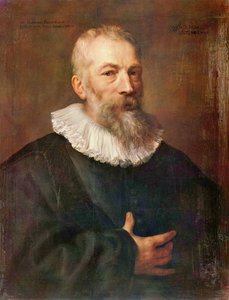
Marten Pepijn
1575 - 1643 , Belgium
Quick Facts
- Artistic Movement Or Style: Baroque
- Artists Or Movements Influenced By This Artist: ['Dutch Golden Age']
- Artists Who Influenced This Artist:
- Rubens
- Francken
- Date Of Birth: 1575 Antwerp Belgium
- Date Of Death: ca. 1643 Antwerp Belgium
- Full Name: Marten Pepijn
- Nationality: Flemish
- Notable Artworks:
- St Norbert
- Portrait Of The Artist Marten Pepijn
- Place Of Birth: Antwerp Belgium
Related Articles
Decoding Baroque Grandeur: A Guide to the Drama and Emotion of 17th-Century Art
Explore the breathtaking drama of 17th-century Baroque art. Our expert guide decodes the use of chiaroscuro, emotional intensity, and historical grandeur to help you appreciate and curate timeless masterpieces for your collection.

The Dramatic Flourish: Exploring the Baroque Movement's Enduring Legacy in Art History
Explore the dramatic world of Baroque art! Discover iconic artists like Caravaggio & Rubens, defining techniques, and its lasting impact on art history. Expert insights for collectors & enthusiasts at ArtsDot.

Baroque Classicism: Reconciling Drama & Order in 17th-Century Art
Explore the captivating world of Baroque Classicism! Discover its history, key artists like Caravaggio & Rubens, and defining characteristics. Expert insights & high-quality reproductions at ArtsDot.

Baroque Drama: Bringing Opulence & Emotion into Contemporary Interiors
Explore the opulent world of Baroque interior design! Discover key elements, modern applications & how to bring dramatic elegance into your home with 's authentic reproductions.

The Visceral Stage: Exploring Dramatic Narratives & Emotional Intensity in Baroque Art
Explore the dramatic world of Baroque art! Discover iconic masters like Caravaggio & Rembrandt, their techniques, and the movement's lasting impact. Expert insights for collectors & enthusiasts at ArtsDot.