

 Preview
 Send
Send Share
Share
 Details

 Download
 Similars
 X-Ray
X-Ray Diaporama
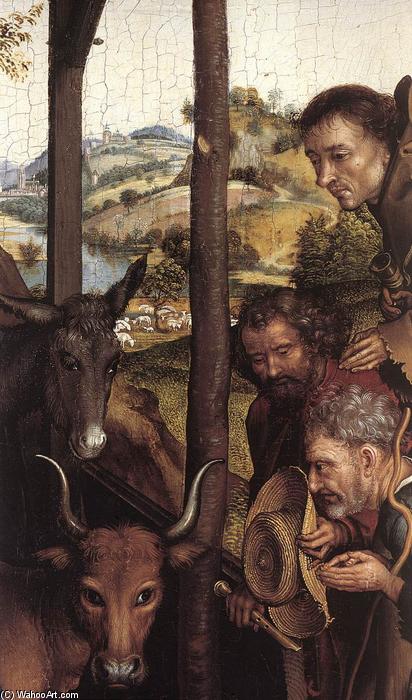
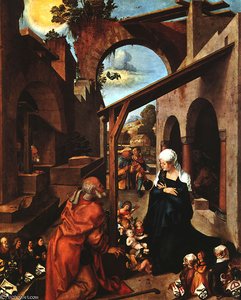
Nativity (detail)


 Read More
Purchase a high-resolution, enhanced digital image, far superior to the online preview.
Each file is meticulously prepared by our in-house specialists using advanced tools and expert manual retouching. We ensure every image has exceptional clarity, precise color accuracy, and fine detail.
The final file is delivered via email within 72 hours, optimized for immediate use in professional, editorial, and print environments. This is the same quality trusted by top-tier design studios, publishers, and galleries.
Digital Image
Download a high-resolution file for personal display, printing, and creative projects. ( Buy Print Buy Hand Made Painting)
Included in Every Digital Image Order
Expert Digital Delivery, Guaranteed
When you choose ArtsDot.com, you're not just getting an image - you're receiving a professionally enhanced digital artwork, crafted with precision and backed by a satisfaction guarantee. Here's everything that comes with your order, automatically:

Fast Email Delivery
Your high-resolution digital image file will be emailed to you within 72 hours of ordering - ready for immediate use.

AI-Enhanced Digital File
Your artwork is professionally optimized using advanced AI tools and manual editing, ensuring maximum detail, clarity, and color accuracy.

Free Lifetime Re-Delivery
Accidentally deleted or lost your file? No worries - we'll resend it to you anytime, free of charge.

No Import Fees - Ever
Enjoy your artwork instantly with zero customs, duties, or delivery fees - digital downloads are always tax-free.

Color Accuracy Guarantee
We ensure your digital image reflects the original colors as closely as possible using professional tools and color management.

60-Day Satisfaction Guarantee
If you're not satisfied with your digital image, we'll revise it or refund 100% within 60 days - no questions asked.

100% Money-Back Guarantee
Not satisfied? Get a full refund within 60 days of receiving your digital file - no questions asked.

Bulk Order Discounts
Buy 3 images, save 10% - Buy 5, save 15% - Buy 10+, save 20%. Great for creative projects, galleries, and agencies.
Collectible Description
Nativity (detail): A Window into Northern Renaissance Spirituality
Martin Schongauer’s “Nativity” stands as a testament to the meticulous artistry of the late medieval and early Renaissance period, capturing not merely an iconic biblical narrative but also profound spiritual contemplation. This remarkable detail from a larger composition—currently housed in the British Museum—offers a glimpse into the artistic sensibilities that flourished during this transformative era. The photograph itself reveals a painting executed on oak panel, demonstrating Schongauer’s mastery of traditional materials and techniques – skills honed through his apprenticeship with Caspar Isenmann, who had absorbed the stylistic influence of Rogier van der Weyden's groundbreaking realism.Composition and Technique: Precision and Light
The scene depicts Mary kneeling beside Jesus in a manger adorned with straw, accompanied by shepherds approaching from the right. Schongauer’s meticulous attention to detail is immediately apparent; observe the careful rendering of textures – the rough weave of the blanket, the tactile surface of the straw – achieved through layering thin glazes of oil paint. The artist skillfully employs perspective, subtly flattening the landscape background to emphasize the central figures and creating a sense of depth that draws the viewer into the intimate tableau. Light plays a crucial role in illuminating the scene, casting soft shadows that heighten the drama and conveying a feeling of serene solemnity. Schongauer’s technique exemplifies the Northern Renaissance preoccupation with naturalism and psychological realism.Symbolism: Echoes of Faith and Medieval Tradition
Beyond its visual beauty, “Nativity” is rich in symbolic meaning. The oxen flanking the manger represent fertility and strength—symbols deeply rooted in Christian iconography reflecting God's provision for humanity. The shepherds symbolize humility and piety, representing those who recognize Jesus as the Messiah. The humble setting of the manger underscores the incarnation’s profound significance: God entering human history in a simple, unassuming manner. Schongauer’s depiction aligns seamlessly with the broader artistic traditions of his time, mirroring themes prevalent in illuminated manuscripts and altarpieces—expressions of faith intended to inspire devotion and contemplation.Historical Context: The Dawn of Renaissance Idealism
Schongauer's work emerged during a period of significant intellectual and artistic upheaval – the burgeoning Renaissance. While retaining elements of medieval stylistic conventions, Schongauer’s approach signaled a move toward greater naturalism and humanist ideals. Influenced by Early Netherlandish painting, he championed a style characterized by luminous color palettes and meticulous observation of nature—a departure from the stylized representations favored in preceding generations. This piece exemplifies the artistic ambition to portray not just what was seen but also what was felt – capturing the emotional resonance of the biblical narrative for viewers encountering it centuries later.Emotional Impact: Reverence and Quiet Contemplation
Ultimately, “Nativity” transcends mere visual representation; it communicates a palpable sense of reverence and quiet contemplation. The artist’s masterful execution invites viewers to pause and reflect on the miracle of Christ's birth—a moment of divine grace depicted with unwavering solemnity and imbued with enduring spiritual significance. It remains an inspiring example of how art can convey profound truths about faith, humility, and the beauty inherent in God’s plan for humankind.Related Artworks
Artist Biography
Martin Schongauer: Life and Legacy
Early Life and Training
Martin Schongauer, born around 1450 in Colmar, Alsace (now France), was a pivotal figure in the development of printmaking during the Northern Renaissance. He came from a family of artisans; his father, Caspar Schongauer, was a goldsmith who had moved to Colmar from Augsburg, Germany, around 1440. This familial background significantly influenced Martin’s early artistic training, as goldsmithing provided a strong foundation in precise detail and metalworking techniques – skills directly transferable to engraving.
Education and Artistic Development
In 1465, Schongauer briefly attended the University of Leipzig, but he soon abandoned academic pursuits to dedicate himself fully to art. He initially trained as a painter under Caspar Isenmann, a local master influenced by Early Netherlandish painting, particularly the work of Rogier van der Weyden. This early exposure to Netherlandish realism and attention to detail would become hallmarks of Schongauer’s own style.
Artistic Style and Influences
Schongauer's artistic style is characterized by a clear, organized Gothic aesthetic blended with the emerging influences of the Northern Renaissance. He notably lacked direct Italian influence, instead drawing inspiration from German and Early Netherlandish traditions. His work demonstrates meticulous detail, expressive figures, and a sophisticated understanding of composition.
- Key Characteristics: Precise engraving, realistic depictions, dramatic narratives, Gothic structure
- Influences: Rogier van der Weyden, Caspar Isenmann, German Gothic traditions
Major Achievements and Works
Schongauer is best known for his 116 engravings, each identified by his monogram. These prints were widely disseminated throughout Europe, significantly impacting the development of printmaking techniques and artistic styles. His engravings often depicted religious scenes, portraits, and allegorical subjects.
- Madonna of the Rose Bower (1473): A significant painting showcasing his skill in depicting delicate details and emotional depth.
- Engravings: Including *The Temptation of Saint Anthony*, *The Adoration of the Shepherds*, and numerous others, demonstrating his mastery of the engraving technique.
Historical Significance and Legacy
Martin Schongauer’s impact on the art world was substantial. He was one of the first German artists to achieve international recognition as an engraver. His prints were highly sought after and widely copied, spreading his artistic style across Europe. It is even documented that Michelangelo himself studied and copied one of Schongauer's engravings – *The Trial of Saint Anthony* – demonstrating the high regard in which Schongauer was held by later masters.
Schongauer’s work bridged the gap between Gothic art and the Renaissance, paving the way for artists like Albrecht Dürer. His innovative use of engraving techniques and his commitment to artistic detail left an enduring legacy on the history of printmaking and Northern European art.
Death
Martin Schongauer died in Breisach on February 2, 1491, leaving behind a remarkable body of work that continues to be celebrated for its artistic merit and historical significance.
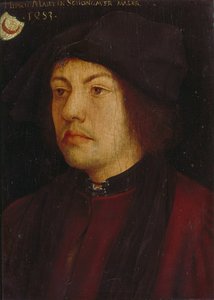
Martin Schongauer
1450 - 1491 , Germany
Quick Facts
- Birth Date: c. 1450–1453
- Birth Place: Colmar, Alsace
- Death Date: 2 February 1491
- Influenced:
- Michelangelo
- Albrecht Dürer
- Influenced By:
- Rogier van der Weyden
- Caspar Isenmann
- Movement:
- Gothic art
- Northern Renaissance
- Name: Martin Schongauer
- Nationality: German
- Notable Works:
- Madonna of the Rose Bower
- Engravings (116)

