 Preview
 Send
Send Share
Share
 Details

 Download
 Similars
 X-Ray
X-Ray Diaporama
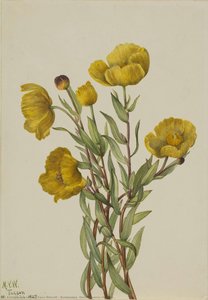
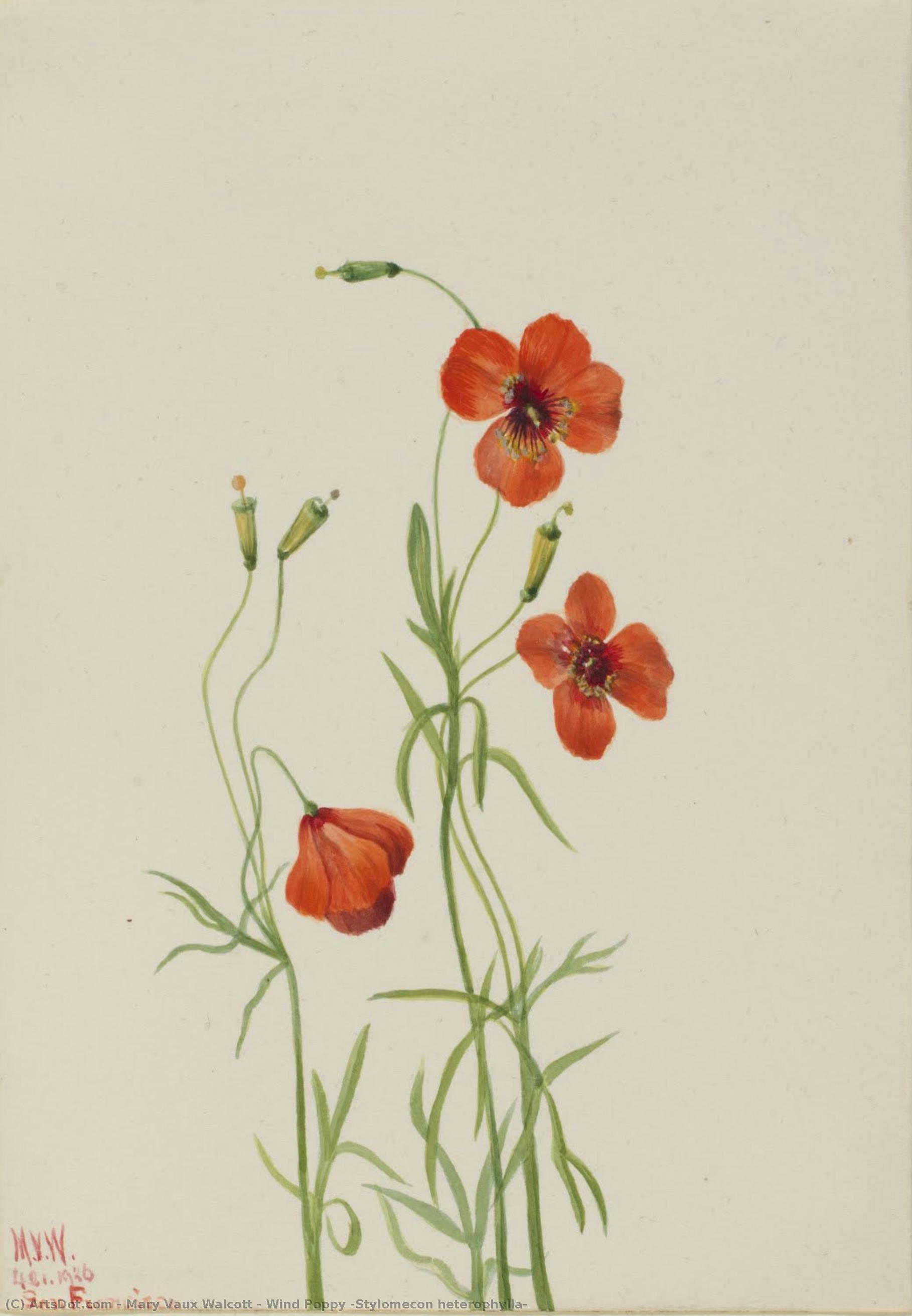
Wind Poppy (Stylomecon heterophylla)
 Watercolor
- WallArt
- Contemporary Realism
 1926
1926 25.0 x 17.0 cm
 Smithsonian American Art Museum
 Read More
Giclée / Art Print
Museum-quality giclée or canvas print with fast production and flexible finish options. ( Buy Hand Made Painting Buy Image)




P118B $10

P118H $10

P118W $10

P438Z $10

P508JH $12

P508YH $12

P805H $10

P805Z $10

P919BZ $10

P919G $10

P919XJ $10

P959ZH $10

P968JZ $12

W106C $8

W218G $10

W218JH $8

W218Y $10

W307PJ $10

W316G $10

W316PJ $8

W316Y $10

W398PJ $8

W4111J $10

W500HY $15

W500JH $15

W692G $12

W849H $8

W940BG $15

W953PJ $8




Pick from our preset sizes that match the artwork's original proportions.

You may enter your own dimensions to fit a specific frame or space. If your selected size does not match the original image's proportions, we will either crop the artwork or extend the image with a mirrored or solid-fill edge. A digital mockup will be sent for your approval before production begins.
Please note that the on-screen preview does not reflect the actual cropping or extension. Only the mockup will accurately show the final composition.
While custom sizes are available, we recommend selecting a dimension from the predefined list to preserve the original proportions.
Worldwide Delivery () in 2 weeks instead of standard 4/5 weeks. (25 August)

Free Worldwide Express Shipping

High-Quality Linen Canvas

Full Shipping Insurance

Customs Tax Refund Guarantee

True Color Matching Guarantee

60-Day Return Policy (Defects Only)

100% Money-Back Guarantee

Bulk Discount Offer
 Glass option is only available in size under 110 CM

Wind Poppy (Stylomecon heterophylla)
Giclée / Art Print
Reproduction Size
-


Total Price
$ 63
Collectible Description
Mary Vaux Walcott’s “Wind Poppy”: A Delicate Dance Between Observation and Artistic Expression
Mary Vaux Walcott (1860-1940), affectionately dubbed “the Audubon of Botany,” stands as a monumental figure in the history of American botanical illustration. Her unwavering dedication to meticulously documenting North American flora—particularly wildflowers—yielded an astonishing body of work that continues to captivate audiences today. Among her celebrated paintings is “Wind Poppy (Stylomecon heterophylla),” completed in 1926, a piece that exemplifies Walcott’s unparalleled skill and artistic vision.
This watercolor depicts three Stylomecon heterophylla poppies against a subtly textured beige backdrop—a palette chosen to enhance the luminosity of the blossoms themselves. The composition is vertically oriented, prioritizing an upward gaze that mirrors the plant's growth trajectory and conveying a sense of natural dynamism. Lines are predominantly soft and flowing, skillfully mimicking the organic contours of the poppy stems and petals; shapes are curvilinear, reflecting the graceful curves inherent in floral forms.
Walcott’s technique is characterized by wet-on-wet watercolor application—a masterful approach that builds up layers of pigment with remarkable subtlety. This method allows for nuanced tonal transitions and captures the velvety texture of the poppy heads and the smooth sheen of their stems, achieving a level of realism rarely matched in botanical art of its time. Careful attention to detail is evident throughout; minute variations in leaf textures contribute to the overall impression of authenticity.
Beyond its technical brilliance, “Wind Poppy” speaks volumes about Walcott’s artistic philosophy. The painting isn't merely a scientific record; it’s an emotive response to the beauty and fragility of the natural world. Like Audubon’s ornithological drawings before her, Walcott sought not only to accurately represent plants but also to convey their essence—their vitality, their resilience, and their inherent aesthetic appeal. This dedication to capturing both observation and emotion solidified Walcott's legacy as a pioneer in botanical art and cemented her place among America’s most influential artists.
The Smithsonian American Art Museum holds this remarkable artwork (Object Number: 1970.355.33), generously gifted by the artist herself, offering visitors an opportunity to experience firsthand the exquisite artistry of Mary Vaux Walcott and appreciate her enduring contribution to the visual arts.
Related Artworks
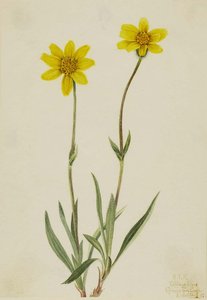
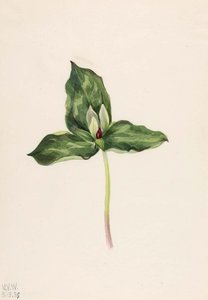
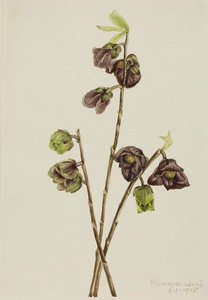
Artist Biography
A Life Blossoming in Watercolor: The World of Mary Vaux Walcott
Born into the refined world of Philadelphia’s Quaker society in 1860, Mary Morris Vaux seemed destined for a life of quiet domesticity. Yet, from an early age, a vibrant artistic spirit stirred within her, ignited by a simple gift – a set of watercolor paints at the tender age of eight. These weren't merely tools for recreation; they were keys unlocking a lifelong passion for capturing the delicate beauty of the natural world, particularly wildflowers. Little could anyone have predicted that this early inclination would blossom into a remarkable career, earning her the affectionate title “the Audubon of Botany.” Her story is not simply one of artistic talent, but also of resilience, scientific curiosity, and a pioneering spirit that defied societal expectations. The weight of familial responsibility fell upon young Mary after her mother’s death in 1880, compelling her to dedicate herself to caring for her father and two younger brothers. This devotion didn't extinguish her creative flame; rather, it fueled a deep connection with the landscapes they explored during their annual summer expeditions to the Canadian Rockies.The Allure of the Rockies: Nature as Muse and Subject
These journeys were transformative. The rugged grandeur of the Canadian Rockies became Mary’s artistic laboratory. Alongside her brothers, she didn't merely observe the landscape; she meticulously documented it – studying mineralogy, charting glacial movements through drawings and photographs, and immersing herself in the intricate details of alpine flora. This wasn’t passive observation but active engagement with the scientific underpinnings of nature. It was during these expeditions that Mary began to hone her skills as a botanical illustrator, initially at the request of botanists eager for accurate depictions of rare species. Her approach was revolutionary for its time: she rendered plants to scale, showcasing their delicate structures and vibrant colors with unparalleled precision. Unlike many floral paintings of the era, which often romanticized or stylized their subjects, Walcott’s work prioritized scientific accuracy alongside artistic expression. The vastness of the landscape also fostered a spirit of adventure; in 1900, she became the first woman recorded to summit Mount Stephen, a feat that underscored her physical courage and unwavering determination.A Partnership Forged in Science and Art
Mary’s life took another significant turn in 1914 when she married Charles Doolittle Walcott, then Secretary of the Smithsonian Institution and a renowned paleontologist. This union wasn't merely a personal connection; it was a meeting of minds deeply committed to scientific exploration. Their marriage fostered a unique partnership where art and science intertwined seamlessly. They continued their annual expeditions to the Rockies, with Charles pursuing his geological research while Mary dedicated herself to her botanical paintings. These weren’t separate endeavors but complementary pursuits, each enriching the other. The Smithsonian Institution became a crucial platform for showcasing Mary's work, culminating in the publication of *North American Wild Flowers* in 1925 – a monumental five-volume collection featuring over 400 of her meticulously crafted illustrations. This publication cemented her reputation as a leading botanical artist and earned her the enduring moniker “the Audubon of Botany,” acknowledging the parallel between her detailed floral studies and John James Audubon’s iconic depictions of birds.Legacy in Bloom: A Lasting Contribution to Art and Science
Mary Vaux Walcott's influence extends far beyond the beauty of her paintings. Her work represents a unique synthesis of artistic skill, scientific observation, and adventurous spirit. She wasn’t simply documenting flowers; she was capturing their essence, revealing their intricate structures, and celebrating their vital role in the natural world. Her illustrations continue to be valued by both art enthusiasts and botanists alike, serving as invaluable resources for identifying and studying North American flora. Beyond her artistic achievements, Walcott also demonstrated a commitment to public service, serving on the federal Board of Indian Commissioners from 1927 to 1932 and actively advocating for improved conditions on Native American reservations. Upon her death in 1940, she bequeathed a substantial sum to the Smithsonian Institution, ensuring that future generations would benefit from scientific research and publication. A mountain peak in Jasper National Park, Mount Mary Vaux, stands as a lasting tribute to her adventurous spirit and enduring legacy. Her story serves as an inspiration, demonstrating how passion, dedication, and a deep connection with nature can blossom into a life of remarkable achievement.Key Achievements & Recognition
- Pioneering Botanical Illustration: Renowned for her scientifically accurate and artistically exquisite watercolor paintings of wildflowers.
- “The Audubon of Botany”: Affectionately known by this title, recognizing the significance of her work in botanical art.
- *North American Wild Flowers* (1925): Publication of a five-volume collection showcasing over 400 of her illustrations, solidifying her reputation.
- First Woman to Summit Mount Stephen: A testament to her adventurous spirit and physical endurance.
- Contributions to Glacial Geology: Documented glacial recession in the Canadian Rockies alongside her brothers, providing valuable data for climate change studies.
- Philanthropic Legacy: Bequeathed a significant sum to the Smithsonian Institution to support scientific research.
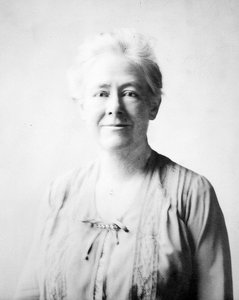
Mary Vaux Walcott
1860 - 1940 , United States of America
Quick Facts
- Artistic Movement Or Style: Botanical Illustration
- Date Of Birth: July 31, 1860
- Date Of Death: August 22, 1940
- Full Name: Mary Vaux Walcott
- Nationality: American
- Notable Artworks:
- Autumn Leaves
- Gaillardia aristata
- Rosa bourgeauiana
- Dendromecon rigidum
- Fremontodendron mexicanum
- Place Of Birth: Philadelphia, USA
Related Articles
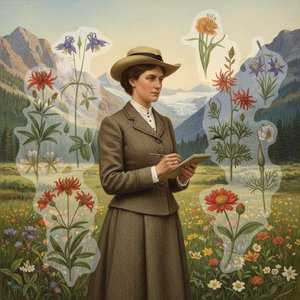
Mary Vaux Walcott: Botanical Precision & Artistic Vision in American Conservation
Discover the exquisite botanical watercolors of Mary Vaux Walcott, celebrated as the 'Audubon of Botany.' Explore her life, art, and lasting impact on American conservation through detailed illustrations & Smithsonian contributions.

Watercolor Wonders: 10 Masterpieces That Redefined Art History | ArtsDot
Journey through 10 legendary watercolor masterpieces by Sargent, Turner & Homer! Explore iconic landscapes, portraits & floral art that redefined history. Find museum-quality reproductions and curated decor ideas at ArtsDot.com.
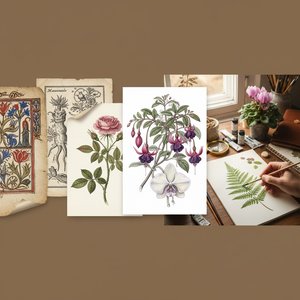
The Flourishing Canvas: A Historical Journey Through Botanical Illustration
Explore the captivating history of botanical illustration! Discover renowned artists like Robert Havell & Mary Walcott, learn about techniques, and find museum-quality art at ArtsDot.com.
The Flourishing Canvas: A Historical Journey Through Botanical Illustration
Explore the captivating history of botanical illustration! Discover renowned artists like Robert Havell & Mary Walcott, learn about techniques, and find museum-quality art at ArtsDot.com.
The Flourishing Canvas: A Historical & Artistic Exploration of Botanical Illustration
Explore the rich history of botanical illustration! Discover key artists like Havell & Barraband, learn about scientific accuracy & aesthetic beauty. Shop museum-quality reproductions at ArtsDot.