 Preview
 Send
Send Share
Share
 Details

 Download
 Similars
 X-Ray
X-Ray Diaporama
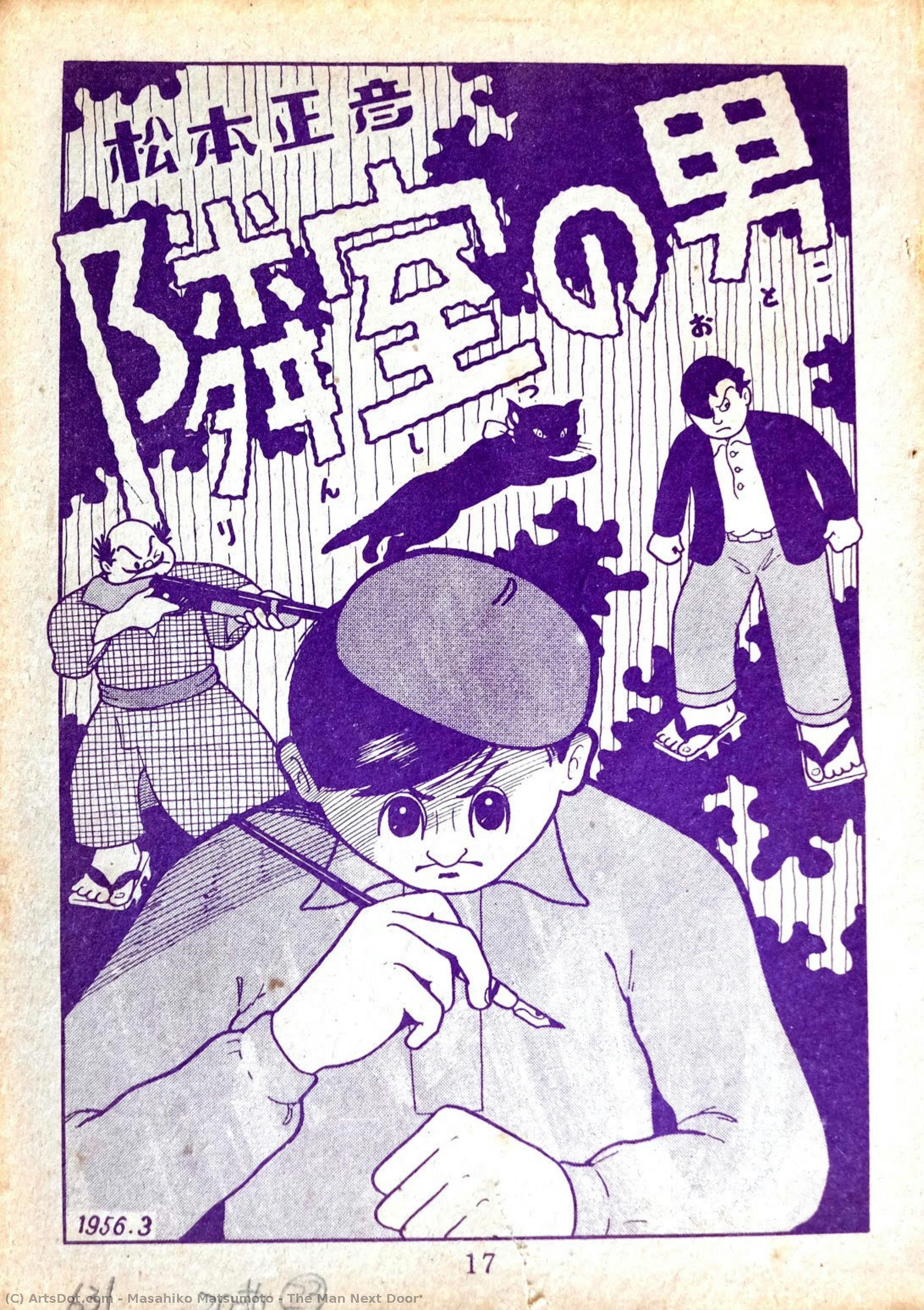
The Man Next Door

 Read More
Hand Made Oil Reproduction
Hand-painted oil on canvas in your size and frame, made to order by our artists. ( Buy Print Buy Image)




P118B $10

P118H $10

P118W $10

P438Z $10

P508JH $12

P508YH $12

P805H $10

P805Z $10

P919BZ $10

P919G $10

P919XJ $10

P959ZH $10

P968JZ $12

W106C $8

W218G $10

W218JH $8

W218Y $10

W307PJ $10

W316G $10

W316PJ $8

W316Y $10

W398PJ $8

W4111J $10

W500HY $15

W500JH $15

W692G $12

W849H $8

W940BG $15

W953PJ $8




Pick from our preset sizes that match the artwork's original proportions.

You may enter your own dimensions to fit a specific frame or space. If your selected size does not match the original image's proportions, we will either crop the artwork or extend the painting with additional hand-painted elements. A digital mockup will be sent for your approval before production begins.
Please note that the on-screen preview does not reflect the actual cropping or extension. Only the mockup will accurately show the final composition.
While custom sizes are available, we recommend selecting a dimension from the predefined list to preserve the original proportions.
After order, ArtsDot.com team will email client for instructions and provide a mockup preview
Worldwide Delivery () in 3/4 weeks instead of standard 5 weeks. (7 September). No compromise on quality.

Free Worldwide Express Shipping

High-Quality Linen Canvas

Full Shipping Insurance

Customs Tax Refund Guarantee

True Color Matching Guarantee

100-Day Return Policy (Defects Only)

100% Money-Back Guarantee

Bulk Discount Offer
 Glass option is only available in size under 110 CM

The Man Next Door
Reproduction Medium
Reproduction Size
-


Total Price
$ 263
Related Artworks



Artist Biography
A Pioneer of Alternative Manga: The Cinematic Vision of Masahiko Matsumoto
Masahiko Matsumoto, born in Osaka, Japan, on November 24, 1934, and passing away on February 14, 2005, stands as a pivotal figure in the evolution of Japanese manga. Often overshadowed by contemporaries like Osamu Tezuka and Yoshihiro Tatsumi, Matsumoto nevertheless carved out a unique space for himself, becoming a foundational innovator of alternative manga through his groundbreaking incorporation of cinematic techniques into the medium from the mid-1950s onward. His early life was marked by an ironic restriction: his father, a high school principal, forbade him to read comics. This initial prohibition, however, seems only to have fueled a latent artistic curiosity that would eventually blossom into a revolutionary approach to storytelling. The family’s evacuation to Kobe during the tumultuous final years of World War II further shaped his formative experiences, instilling a sense of displacement and perhaps contributing to the mature themes that would later characterize his work. After the war, Matsumoto found solace in magazines like *Shōnen Club*, initially drawn to its prose fiction and illustrations, but it was an encounter with Osamu Tezuka himself—a pilgrimage for an autograph—that solidified his ambition to become a manga artist.The Birth of Komaga: A New Visual Language
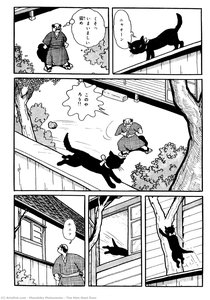
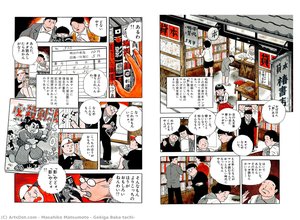
Matsumoto’s professional journey began in 1953 with the publication of *Botchan Sensei*, a schoolhouse comedy, but it was his shift towards more complex narratives that truly set him apart. Working within the rental library (kashihon) market, he quickly recognized the limitations of existing manga conventions and sought to forge a new path. This quest led to the development of “komaga” (“panel pictures”), a style deliberately conceived as an alternative to traditional manga aesthetics. Komaga was not merely a stylistic choice; it represented a conscious effort to elevate manga by borrowing directly from the language of cinema. Matsumoto meticulously studied film frames, incorporating dynamic panel composition, perspectival depth, and shifting viewpoints to create immersive, story-driven experiences. This innovative approach prioritized visual pacing and atmospheric tension, resulting in works that were strikingly different from the often lighthearted fare dominating the market at the time. His 1956 anthology *Shadow*, particularly his locked-room mystery “The Man Next Door,” stunned contemporaries with its sophisticated narrative structure and evocative imagery. This period saw a burgeoning artistic exchange as Matsumoto collaborated closely with Yoshihiro Tatsumi, leading to the coining of the term "gekiga" ("dramatic pictures") – a movement that would fundamentally alter the landscape of Japanese comics.Gekiga Kōbō and the Pursuit of Mature Themes
The mid-to-late 1950s were a period of intense creative ferment for Matsumoto, culminating in the formation of Gekiga Kōbō in 1959 alongside Tatsumi and Takao Saito. This atelier served as a collective space for artists dedicated to exploring more realistic, adult-oriented themes—a direct response to what they perceived as the limitations of mainstream manga aimed primarily at children. The group’s publication, *Matenrō*, provided a platform for their experimental work, pushing boundaries and challenging conventional notions of storytelling. Matsumoto produced an astonishing volume of pages during this time, driven by a desire to establish gekiga as a distinct artistic form. However, internal divisions eventually led to the atelier's disbandment in 1962, marking a turning point in his career. Despite its relatively short lifespan, Gekiga Kōbō played a crucial role in transforming manga into a medium capable of addressing complex social issues and psychological depths.Legacy and Rediscovery
While Matsumoto enjoyed recognition within the gekiga community during his lifetime, much of his early work remained obscure due to the ephemeral nature of kashihon publications. It wasn’t until recent decades that his contributions began to receive wider appreciation, thanks in part to dedicated translations by Breakdown Press (2014) and Top Shelf Productions. These efforts have reintroduced his groundbreaking manga to a new generation of readers, revealing the profound influence he exerted on alternative comics both within Japan and internationally. Matsumoto’s unique komaga style continues to inspire artists today, demonstrating the enduring power of his cinematic vision. His work stands as a testament to the transformative potential of manga—a medium capable of not only entertaining but also challenging, provoking thought, and offering profound insights into the human condition.- Key Works: *Botchan Sensei*, *Kaidanji*, “The Man Next Door”, *Cigarette Girl*.
- Influences: Osamu Tezuka, cinematic techniques, post-war Japanese society.
- Movement Affiliation: Gekiga movement, pioneer of Komaga style.

masahiko matsumoto
1934 - 2005 , Japan
Quick Facts
- Artistic Movement Or Style: Gekiga, Komaga
- Artists Or Movements Influenced By This Artist:
- Yoshihiro Tatsumi
- Takao Saito
- Artists Who Influenced This Artist: ['Osamu Tezuka']
- Date Of Birth: November 24, 1934
- Date Of Death: February 14, 2005
- Full Name: Masahiko Matsumoto
- Nationality: Japanese
- Notable Artworks: ['The Man Next Door']
- Place Of Birth: Osaka, Japan
Related Articles
From Page to Palette: Exploring the Aesthetic Transmutation of Manga into Museum-Quality Canvas Art
Explore the stunning transformation of manga into museum-quality canvas art! Discover expert reproductions, custom portraits & the rich history behind this captivating art form. Elevate your space with authentic Japanese aesthetics.
From Canvas to Celluloid: Exploring Movie & Comic Book Inspirations at
Explore the captivating connection between art & pop culture at ! Discover high-quality reproductions of iconic movie, comic book & fine art pieces. Custom creations available!
Roy Lichtenstein's Masterpieces: 25 Iconic Pop Artworks for Your Home | ArtsDot
Explore Roy Lichtenstein's 25 most iconic Pop Art masterpieces! Discover the stories behind 'Drowning Girl', 'Look Mickey' & more. Find museum-quality reproductions and elevate your home decor with ArtsDot. Explore the full collection online.
Beyond the Dot: Unveiling the Industrial Magic of Silk Screens and Ben-Day Dots in Pop Art
Unveil the magic of Pop Art! Explore the fascinating history of Ben-Day dots and silk screens. Discover how these bold, industrial techniques transformed everyday imagery into high art—and learn how to bring that vibrant energy into your home with our premium, hand-painted reproductions.

Edmund Dulac: A Master of Golden Age Illustration – Exploring Myth, Symbolism & Art Nouveau Legacy
Explore the captivating world of Edmund Dulac, a master of Golden Age illustration! Discover his enchanting fairy tales, Art Nouveau style, and lasting influence on art & design. Learn about *The Rubaiyat* and more.