 Preview
 Send
Send Share
Share
 Details

 Download
 Similars
 X-Ray
X-Ray Diaporama
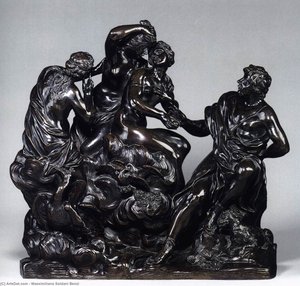
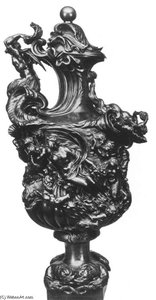
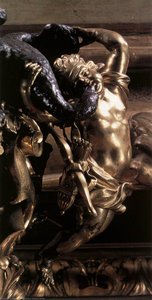
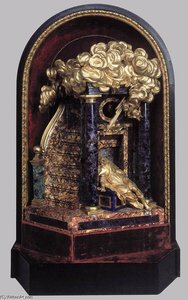
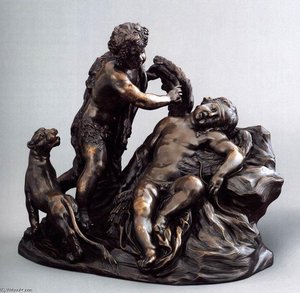
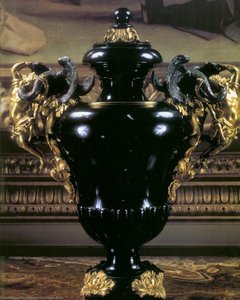
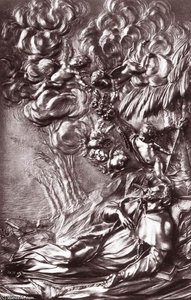
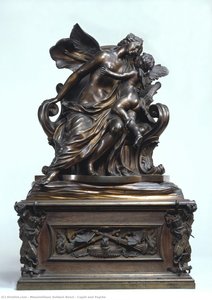
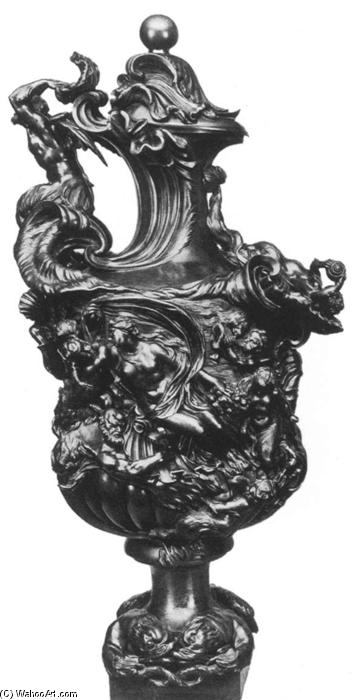
Ewer with Amphitrite and a Nereid


 Read More
Giclée / Art Print
Museum-quality giclée or canvas print with fast production and flexible finish options. ( Buy Hand Made Painting Buy Image)




P118B $10

P118H $10

P118W $10

P438Z $10

P508JH $12

P508YH $12

P805H $10

P805Z $10

P919BZ $10

P919G $10

P919XJ $10

P959ZH $10

P968JZ $12

W106C $8

W218G $10

W218JH $8

W218Y $10

W307PJ $10

W316G $10

W316PJ $8

W316Y $10

W398PJ $8

W4111J $10

W500HY $15

W500JH $15

W692G $12

W849H $8

W940BG $15

W953PJ $8




Pick from our preset sizes that match the artwork's original proportions.

You may enter your own dimensions to fit a specific frame or space. If your selected size does not match the original image's proportions, we will either crop the artwork or extend the image with a mirrored or solid-fill edge. A digital mockup will be sent for your approval before production begins.
Please note that the on-screen preview does not reflect the actual cropping or extension. Only the mockup will accurately show the final composition.
While custom sizes are available, we recommend selecting a dimension from the predefined list to preserve the original proportions.
Worldwide Delivery () in 2 weeks instead of standard 4/5 weeks. (25 August)

Free Worldwide Express Shipping

High-Quality Linen Canvas

Full Shipping Insurance

Customs Tax Refund Guarantee

True Color Matching Guarantee

60-Day Return Policy (Defects Only)

100% Money-Back Guarantee

Bulk Discount Offer
 Glass option is only available in size under 110 CM

Ewer with Amphitrite and a Nereid
Giclée / Art Print
Reproduction Size
-


Total Price
$ 63
Collectible Description
A Symphony of Movement and Myth in Marble
Massimiliano Soldani-Benzi’s ‘Ewer with Amphitrite and a Nereid,’ crafted in 1710, stands as an exquisite testament to the Baroque aesthetic—a period defined by theatrical grandeur, opulent ornamentation, and a fervent embrace of emotion. More than just a vessel for liquid refreshment, this sculpture embodies the spirit of its time, reflecting the artistic fervor of Naples under Bourbon rule and showcasing Soldani-Benzi’s unparalleled mastery of marble carving.
- Subject Matter: The centerpiece is undeniably mythological – Amphitrite, queen of the sea, accompanied by a Nereid, symbolizing serenity and grace amidst turbulent waters. These figures are interwoven with marine creatures—shells, seaweed, and stylized dolphins—creating a microcosm of the oceanic realm.
- Style & Technique: Soldani-Benzi’s approach aligns seamlessly with Rococo sensibilities, yet retains the core principles of Baroque sculpture. The sculptor skillfully employs swirling lines and dynamic poses to convey movement and energy. The surface texture is meticulously crafted—smooth areas juxtaposed with rougher surfaces mimicking foliage or water—enhancing the visual richness.
- Historical Context: Naples was a hub of artistic innovation during Soldani-Benzi’s lifetime, attracting sculptors from across Europe eager to hone their craft under the patronage of the Bourbon monarchy. Baroque sculpture served as a powerful tool for asserting royal authority and celebrating aristocratic ideals—a tradition evident in the monumental works commissioned throughout Italy.
The Language of Marble: Soldani-Benzi’s Sculptural Virtuosity
Soldani-Benzi's technique demonstrates a profound understanding of marble – a medium prized for its ability to capture light and shadow with remarkable subtlety. The sculptor achieved this effect through careful modeling and polishing, painstakingly removing excess material to reveal the underlying structure of the stone while simultaneously enhancing its luminosity. This meticulous process ensured that every curve and contour conveyed not only form but also texture—a crucial element in conveying the sculpture’s emotional impact.
- Modeling & Polishing: Soldani-Benzi utilized a combination of chisels, hammers, and rasps to sculpt the figures from Carrara marble. Subsequent polishing brought forth an ethereal sheen, highlighting the sculpted details and creating a captivating interplay between light and darkness.
- Compositional Considerations: The sculptor’s masterful arrangement of figures—the upward curve of the spout mirroring the dynamism of the Nereid’s movement—contributes to the sculpture's overall narrative. This deliberate compositional strategy underscores Soldani-Benzi’s commitment to conveying emotion and capturing the essence of his subject matter.
Symbolism Beyond Beauty: Mythological Resonance
Beyond its aesthetic splendor, ‘Ewer with Amphitrite and a Nereid’ resonates with symbolic significance rooted in classical mythology. Amphitrite represents dominion over the sea—a realm associated with fertility, abundance, and divine power—while the Nereid embodies tranquility and grace. Together, they symbolize harmony between opposing forces—the turbulent ocean and serene contemplation—reflecting broader philosophical ideas prevalent during the Baroque era.
The sculpture’s enduring appeal lies in its ability to transcend mere ornamentation, inviting viewers to contemplate themes of mythology, beauty, and artistic excellence.Related Artworks
Artist Biography
Early Life and Artistic Foundations
Nicolas de Largillière, born in Paris in 1656, embarked on an artistic journey shaped by a confluence of influences and early training. His father, a miller, provided a comfortable upbringing that allowed him to pursue his passion for art, initially studying with Antoine Goubeau in Antwerp before relocating to London under the tutelage of Lely. This period in England proved pivotal, exposing Largillière to the prevailing trends of portraiture and establishing connections within the artistic community. The experience instilled in him a deep appreciation for classical techniques and a keen eye for capturing likeness and character – skills he would later refine during his time in Paris. Notably, Largillière’s early exposure to Lely's work demonstrated an understanding of dramatic lighting and nuanced expression, elements that would become hallmarks of his distinctive style.Establishing a Parisian Presence and Rising Reputation
Upon returning to Paris in 1679, Largillière swiftly established himself as a leading portraitist, rivaling the esteemed Rigaud, whose careers mirrored his own. Unlike Rigaud, who primarily focused on aristocratic subjects, Largillière specialized in depicting members of the wealthy middle class – a demographic that offered him a broader and more accessible clientele. His success was remarkable, extending well into his later years; contemporary sources indicate he painted approximately 1,500 portraits throughout his career. This prodigious output speaks to both his skill and his tireless dedication. He skillfully navigated the complex social landscape of Parisian society, becoming a trusted artist for merchants, lawyers, and other prominent figures.Technique and Style: A Master of Light and Shadow
Largillière’s artistic style is characterized by a remarkable subtlety and realism. He possessed an exceptional ability to capture the essence of his subjects – their personalities, social standing, and inner lives – through carefully observed details and nuanced expressions. His portraits are not merely representations of physical appearance; they are imbued with a sense of psychological depth and immediacy. A key element of his technique was his masterful manipulation of light and shadow, drawing inspiration from Caravaggio’s dramatic use of chiaroscuro. He employed soft, diffused lighting to create an atmosphere of intimacy and warmth, highlighting the features of his subjects while subtly suggesting their character and temperament. This approach elevated his portraits beyond simple likenesses, transforming them into compelling narratives of individual identity.A Legacy of Portraits and Academic Influence
Throughout his long career, Largillière’s output encompassed not only portraiture but also religious works, still lifes, and landscapes – though it was in the realm of portraiture that he truly excelled. He held significant positions within the Académie Royale de Paris, serving as director from 1734 to 1750 and again in 1738-1742, a testament to his enduring influence and respect within the artistic community. His dedication to upholding academic standards and fostering talent among young artists solidified his place as a respected figure in French art history. Largillière’s work continues to be admired for its elegance, realism, and profound understanding of human character – solidifying his legacy as one of France's most accomplished portraitists. He died peacefully in Paris in 1746 at the remarkable age of ninety, leaving behind a substantial body of work that reflects a lifetime devoted to capturing the beauty and complexity of the human spirit.
massimiliano soldani-benzi
1656 - 1740 , Italy
Quick Facts
- Artistic Movement Or Style: Portraiture
- Artists Or Movements Influenced By This Artist: ['Van Dyck']
- Artists Who Influenced This Artist:
- Lely
- Verrio
- Date Of Birth: 1656
- Date Of Death: 1740
- Full Name: Nicolas de Largillière
- Nationality: French
- Notable Artworks:
- The Old Couple
- Self-Portrait with a Book
- Portrait of a Young Man
- Place Of Birth: Paris, France
Related Articles

Bronze Sculptures That Defined Art History | ArtsDot
Journey through art history with our Top 10 bronze sculptures! Explore masterpieces by Rodin, Michelangelo & more. Discover stories behind iconic statues and find museum-quality reproductions for your home decor at ArtsDot.com.

The Enduring Form: Exploring Themes & Techniques in Sculpture Across Historical Periods
Explore the rich history of sculpture from ancient masterpieces to contemporary innovations. Discover key techniques, influential artists & investment potential for discerning art collectors.

The Enduring Form: Sculpture Across History, Technique & Emotional Resonance
Explore the rich history of sculpture with ArtsDot. Discover key techniques, influential artists & investment potential for discerning collectors. Expert insights into valuing and collecting timeless masterpieces.
Theatricality & Triumph: Baroque Drama in Painting & Sculpture
Explore the dramatic world of Baroque art! Discover its history, defining characteristics, & lasting influence on painting & sculpture. Expert insights into Caravaggio, Zurbarán, and Bernini – plus high-quality reproductions at ArtsDot.

Bronze Age to Modern Masters: 10 Sculptures That Redefined Art | ArtsDot
Journey through art history with 10 legendary bronze sculptures – from Michelangelo's David to Rodin’s Thinker. Explore the stories, techniques & timeless beauty of these masterpieces. Find museum-quality reproductions & elevate your home decor on ArtsDot.com.