

 Send
Send Share
Share
 Details

 Download
 Similars
 Diaporama
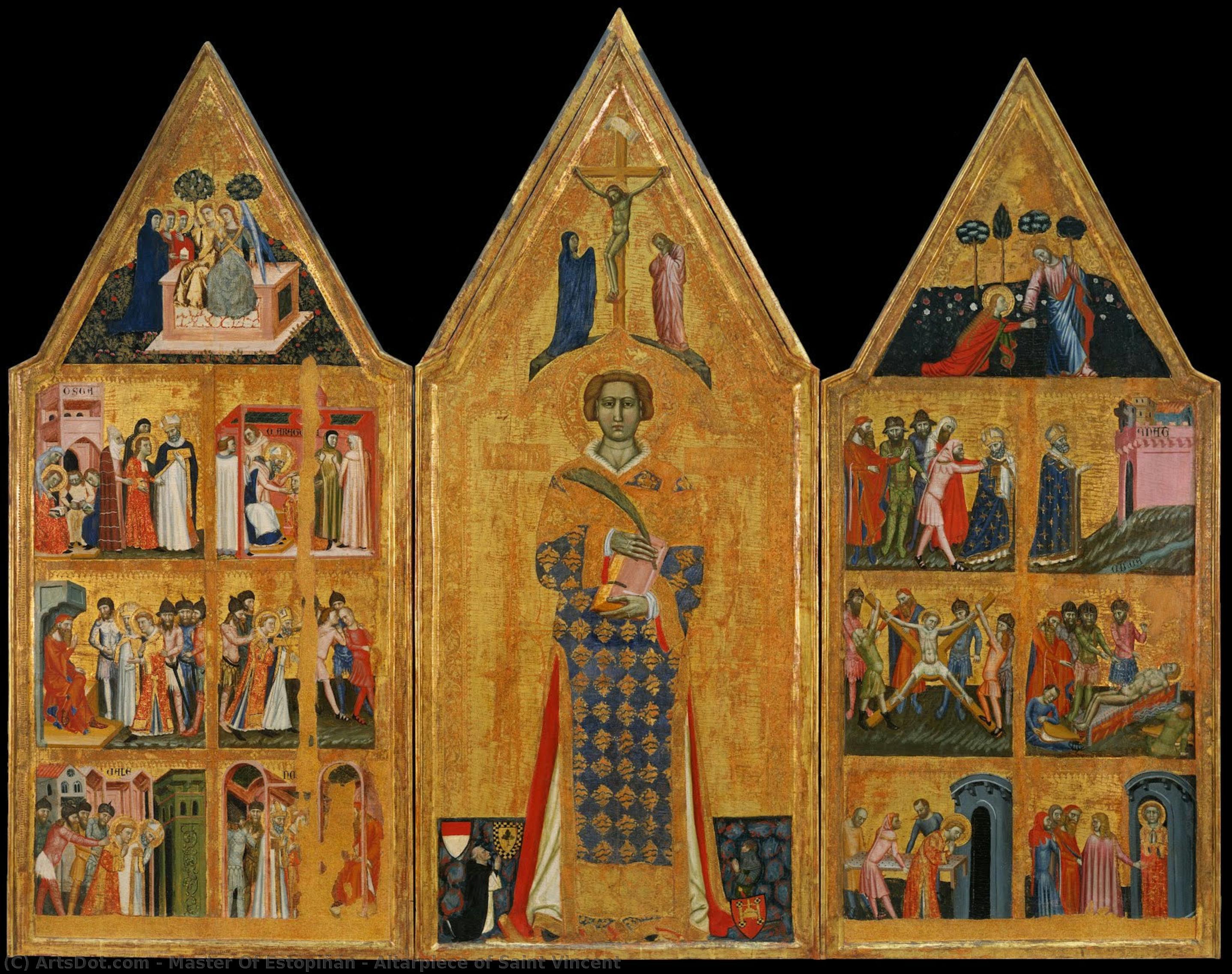
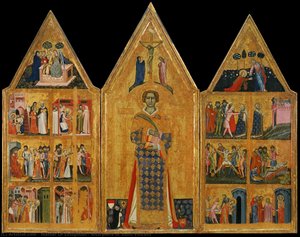
Altarpiece of Saint Vincent
 Gold Leaf
- Sculpture
- Gothic
 1370
1370- Late Medieval
 990.0 x 100.0 cm
 Museu Nacional d'Art de Catalunya
 Read More
Purchase a high-resolution, enhanced digital image, far superior to the online preview.
Each file is meticulously prepared by our in-house specialists using advanced tools and expert manual retouching. We ensure every image has exceptional clarity, precise color accuracy, and fine detail.
The final file is delivered via email within 72 hours, optimized for immediate use in professional, editorial, and print environments. This is the same quality trusted by top-tier design studios, publishers, and galleries.
Digital Image
Download a high-resolution file for personal display, printing, and creative projects. ( Buy Print Buy Hand Made Painting)
Included in Every Digital Image Order
Expert Digital Delivery, Guaranteed
When you choose ArtsDot.com, you're not just getting an image - you're receiving a professionally enhanced digital artwork, crafted with precision and backed by a satisfaction guarantee. Here's everything that comes with your order, automatically:

Fast Email Delivery
Your high-resolution digital image file will be emailed to you within 72 hours of ordering - ready for immediate use.

AI-Enhanced Digital File
Your artwork is professionally optimized using advanced AI tools and manual editing, ensuring maximum detail, clarity, and color accuracy.

Free Lifetime Re-Delivery
Accidentally deleted or lost your file? No worries - we'll resend it to you anytime, free of charge.

No Import Fees - Ever
Enjoy your artwork instantly with zero customs, duties, or delivery fees - digital downloads are always tax-free.

Color Accuracy Guarantee
We ensure your digital image reflects the original colors as closely as possible using professional tools and color management.

60-Day Satisfaction Guarantee
If you're not satisfied with your digital image, we'll revise it or refund 100% within 60 days - no questions asked.

100% Money-Back Guarantee
Not satisfied? Get a full refund within 60 days of receiving your digital file - no questions asked.

Bulk Order Discounts
Buy 3 images, save 10% - Buy 5, save 15% - Buy 10+, save 20%. Great for creative projects, galleries, and agencies.
Related Artworks
Artist Biography
Origins and Early Life – A Shadow in the Pyrenees
The identity of the “Master of Estopiñán” remains one of art history’s most enduring enigmas. While definitively pinpointing his origins has proven elusive, current scholarship overwhelmingly suggests a lineage rooted in Italy, specifically Florence, during the second third of the 14th century. Born likely in the early part of that period – though precise dates remain uncertain – he emerged from the artistic landscape of Aragon and Catalonia, leaving behind a legacy primarily defined by his extraordinary gold-leaf altarpiece for the church of San Vicente de Estopiñán del Castillo near Huesca.
Little is known about his early life. He was likely trained within the established workshops of the region, absorbing the prevalent Gothic style and the burgeoning influence of Italian artistic trends that were slowly penetrating into the Iberian Peninsula. The prevailing theory posits a connection to Ramón Torrent, an Aragonese painter who died in 1325, though this remains circumstantial evidence. The artist’s early works are largely undocumented, adding to the mystery surrounding his formative years.
The Saint Vincent Altarpiece – A Masterpiece of Gold and Faith
The centerpiece of the Master of Estopiñán's oeuvre is undoubtedly the altarpiece for San Vicente de Estopiñán. Completed around 1370, this monumental work—measuring approximately 4.5 meters by 3 meters—is a breathtaking testament to his skill and vision. Constructed primarily from gilded wood panels, it’s a dazzling display of Gothic artistry infused with the opulent sensibilities of the era.
- The Narrative: The altarpiece depicts scenes from the life of Saint Vincent of Beauvais, a 12th-century French saint known for his piety and miracles.
- Symbolism: Each panel is laden with symbolic meaning, reflecting the theological concerns of the time. Figures are arranged in carefully calculated compositions to convey moral lessons and inspire devotion.
- Technique: The application of gold leaf—a painstaking process involving multiple layers—creates a luminous effect that dominates the work, transforming it into a veritable shrine of light. The intricate detailing of drapery, facial expressions, and architectural elements showcases the artist’s mastery of his craft.
The altarpiece's significance extends beyond its aesthetic beauty; it represents a pivotal moment in the artistic development of the region, bridging the gap between traditional Gothic styles and emerging Renaissance influences.
Influences and Artistic Style – A Fusion of Traditions
While definitively attributing specific influences remains challenging, scholars point to several key sources that shaped the Master of Estopiñán’s style. The most compelling evidence suggests a strong connection to Giotto di Bondone, the Florentine painter who revolutionized Italian art with his naturalistic depictions of human figures and emotional depth. The altarpiece's emphasis on narrative clarity, expressive gestures, and a sense of spatial recession echoes Giotto’s innovations.
Furthermore, the artist demonstrates an awareness of Byzantine iconography—particularly in the use of gold leaf and the stylized representation of religious figures. The influence of African art is also suggested by certain stylistic elements, particularly in the depiction of drapery and the dynamism of the compositions. It’s a fascinating synthesis of diverse traditions, reflecting the cosmopolitan nature of the artistic world during this period.
Legacy and Historical Significance – A Lost Master Re-examined
Despite the enduring mystery surrounding his identity, the “Master of Estopiñán” remains a significant figure in the history of medieval Spanish art. His altarpiece for San Vicente de Estopiñán is considered one of the most important examples of Gothic art from Aragon and Catalonia, showcasing the region’s artistic vitality during the 14th century.
For centuries, the attribution of the altarpiece was debated, with various artists—including Ramón Torrent and even a Florentine named Romulus—proposed as potential authors. Recent scholarship has increasingly favored the Italian origin theory, bolstered by stylistic analysis and historical context. The Master of Estopiñán’s work serves as a reminder that art history is often a process of ongoing discovery, with new insights emerging through meticulous research and critical interpretation.
master of estopiñán
Italy
Quick Facts
- Artistic Movement Or Style: Modern Sculpture
- Artists Or Movements Influenced By This Artist: ['Henry Moore']
- Artists Who Influenced This Artist:
- Giotto
- Juan José Sicre
- Date Of Birth: 1921-03-18
- Date Of Death: 2015-01-27
- Full Name: Roberto Estopiñán
- Nationality: Cuban American
- Notable Artworks:
- Altarpiece of Saint Vincent
- Desnudo
- Place Of Birth: Havana, Cuba

