 Preview
 Send
Send Share
Share
 Details

 Download
 Similars
 X-Ray
X-Ray Diaporama
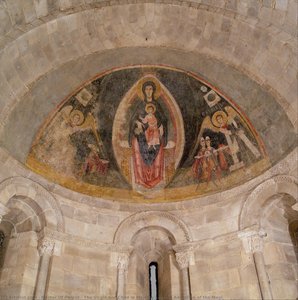
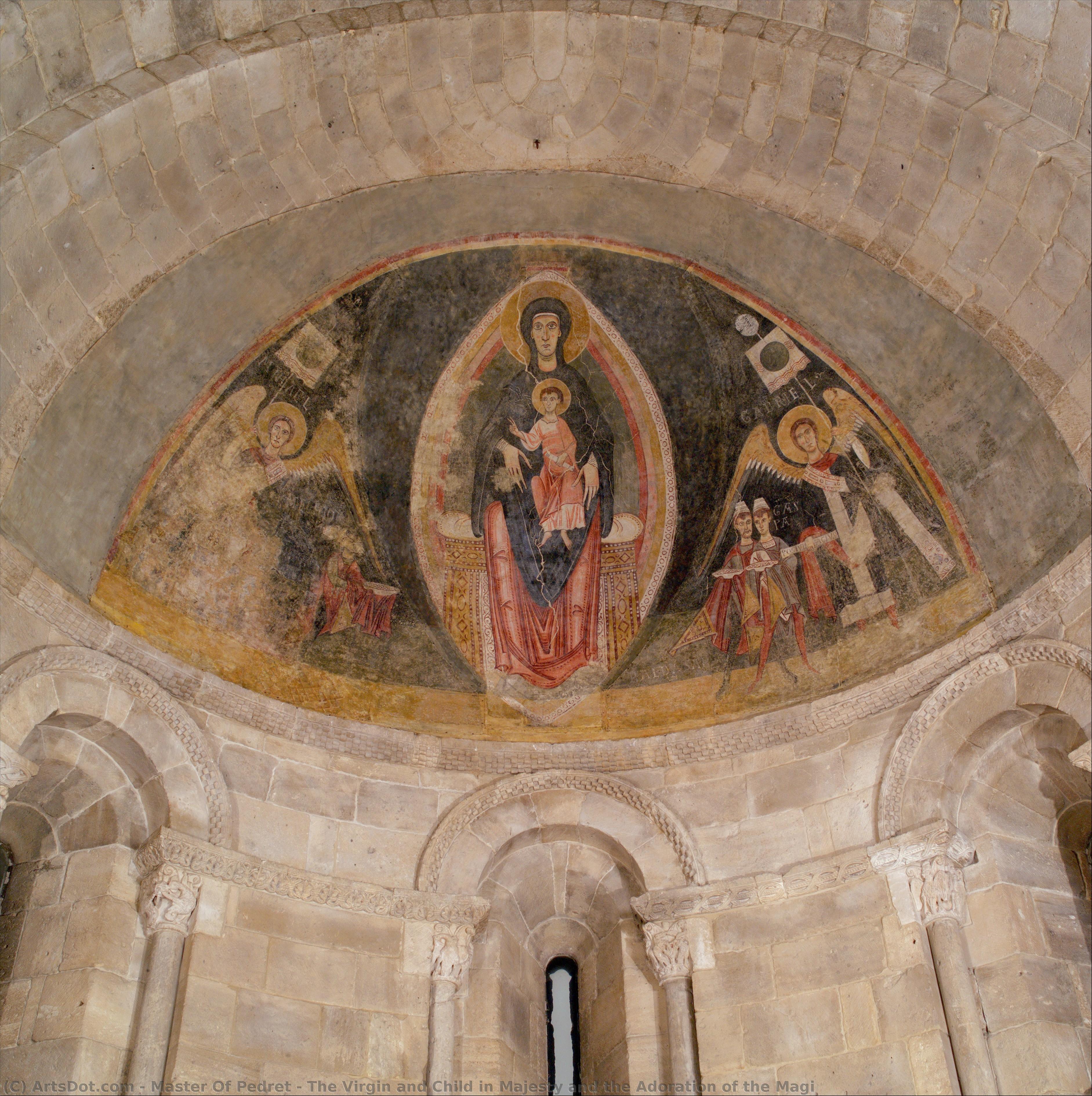
The Virgin and Child in Majesty and the Adoration of the Magi
 Acrylic On Canvas
- WallArt
- Romanesque Style
 1100
1100 323.0 x 593.0 cm
 The Met Cloisters
 Read More
Giclée / Art Print
Museum-quality giclée or canvas print with fast production and flexible finish options. ( Buy Hand Made Painting Buy Image)




P118B $10

P118H $10

P118W $10

P438Z $10

P508JH $12

P508YH $12

P805H $10

P805Z $10

P919BZ $10

P919G $10

P919XJ $10

P959ZH $10

P968JZ $12

W106C $8

W218G $10

W218JH $8

W218Y $10

W307PJ $10

W316G $10

W316PJ $8

W316Y $10

W398PJ $8

W4111J $10

W500HY $15

W500JH $15

W692G $12

W849H $8

W940BG $15

W953PJ $8




Pick from our preset sizes that match the artwork's original proportions.

You may enter your own dimensions to fit a specific frame or space. If your selected size does not match the original image's proportions, we will either crop the artwork or extend the image with a mirrored or solid-fill edge. A digital mockup will be sent for your approval before production begins.
Please note that the on-screen preview does not reflect the actual cropping or extension. Only the mockup will accurately show the final composition.
While custom sizes are available, we recommend selecting a dimension from the predefined list to preserve the original proportions.
Worldwide Delivery () in 2 weeks instead of standard 4/5 weeks. (4 September)

Free Worldwide Express Shipping

High-Quality Linen Canvas

Full Shipping Insurance

Customs Tax Refund Guarantee

True Color Matching Guarantee

60-Day Return Policy (Defects Only)

100% Money-Back Guarantee

Bulk Discount Offer
 Glass option is only available in size under 110 CM

The Virgin and Child in Majesty and the Adoration of the Magi
Giclée / Art Print
Reproduction Size
-


Total Price
$ 63
The Virgin and Child in Majesty and the Adoration of the Magi: A Romanesque Masterpiece
The fresco “The Virgin and Child in Majesty and the Adoration of the Magi,” created by the enigmatic Master of Pedret around 1100 CE, stands as a cornerstone of Catalan Romanesque art—a testament to both artistic innovation and profound spiritual contemplation. Originally adorning the apse of the church of San Quirze Pedret near Tredòs, nestled in the Pyrenees Mountains between Spain and France, this monumental artwork now resides at The Met Cloisters in New York City, offering visitors a rare glimpse into the visual language of medieval faith. Its enduring appeal lies not only in its breathtaking beauty but also in its masterful depiction of biblical narratives and symbolic representations that continue to resonate with audiences today.A Byzantine Influence Shaping Catalan Vision
The fresco’s stylistic lineage traces back to the artistic traditions of Byzantium, where traveling artists first established their presence in Italy and subsequently disseminated their influence across Catalonia. Unlike the prevailing flatness characteristic of Romanesque painting—where perspective was largely absent—the Master of Pedret skillfully employed techniques that subtly convey depth and grandeur. This deliberate departure from convention reflects a conscious effort to capture the spiritual essence of Byzantine iconography, prioritizing emotive expression over strict realism. The artist’s meticulous attention to detail—particularly in portraying the drapery folds and facial expressions—demonstrates an impressive command of artistic skill.Narrative Complexity: Prophets and Angels Embodied
At its core, “The Virgin and Child” presents a richly layered narrative inspired by Old Testament prophecies and fulfilled by Christ’s incarnation. The central scene depicts Mary enthroned in majesty, flanked by the infant Jesus—a powerful symbol of divine grace and maternal compassion. Surrounding them are archangels Gabriel and Michael, serving as intermediaries between God and humanity, their outstretched hands conveying unwavering faith and devotion. Below the throne, three Magi—representing kings from Persia, Babylon, and Arabia—offer gifts of gold, frankincense, and myrrh—symbols of royalty, divinity, and spiritual enlightenment—to honor the newborn Messiah. The fresco’s composition is meticulously balanced, creating a harmonious visual experience that invites contemplation.Historical Context: A Church Sacrificed for Preservation
The fresco's history is marked by turbulent times, beginning with the devastating sack of San Quirze Pedret during the Spanish Civil War in 1936. Following this event, the artwork was painstakingly transferred to museums and private collections—a fortunate circumstance that ensured its survival amidst the chaos of conflict. The church itself underwent significant alterations over centuries, reflecting evolving architectural styles and religious sensibilities. Today, “The Virgin and Child” stands as a poignant reminder of Catalonia’s medieval past—a symbol of artistic excellence preserved for future generations to appreciate.Symbolism: Light, Glory, and Divine Revelation
Throughout the fresco, symbolism plays a crucial role in conveying theological concepts. The radiant halo enveloping Mary underscores her sanctity and divine motherhood—illuminating her figure with ethereal light—while the depiction of wheels of fire symbolizes God’s majesty and omnipotence. Furthermore, the archangels’ banners bear inscriptions proclaiming “PETICIVS” (prayer) and “POSTVLATIVS” (obedience)—affirming the importance of piety and submission to divine will. The careful arrangement of figures and decorative elements contributes to a profound sense of spiritual grandeur—a visual articulation of faith's transformative power.A Legacy Enduring Through Time
“The Virgin and Child in Majesty and the Adoration of the Magi” remains an unparalleled achievement of Romanesque art—a masterpiece that transcends its temporal origins. Its enduring beauty continues to inspire artists and collectors alike, cementing its place as a cornerstone of Catalan cultural heritage. The Met Cloisters’ careful preservation ensures that this extraordinary artwork will continue to captivate audiences for years to come, offering a timeless glimpse into the spiritual aspirations of medieval Catalonia.Related Artworks

Artist Biography
early twelfth century, catalonia, spain
in the realm of art history, there exist a few masters whose works have been shrouded in mystery, yet continue to captivate art enthusiasts and scholars alike. one such enigmatic figure is the master of pedret, a romanesque fresco painter active in catalonia during the early twelfth century.the artistic legacy
the master of pedret's most representative work, the right side of the apse of the church of san quirze pedret, now resides at the museu nacional d’art de catalunya in barcelona, spain. this masterpiece is a testament to the artist's skill in capturing the essence of romanesque art.key works and influences
- the right side of the apse of san quirze pedret, now at the museu nacional d’art de catalunya, barcelona, spain.
- other notable works include frescoes in various catalan churches, showcasing the artist's versatility and contribution to romanesque art.
artistic style and techniques
characteristics of master of pedret's art:- employment of vibrant colors and detailed compositions.
- incorporation of christian motifs and biblical themes.
- use of fresco techniques, highlighting the artist's skill in this medium.
legacy and impact
the master of pedret's influence on romanesque art is undeniable. this anonymous artist has left an indelible mark on the art world, with works that continue to inspire artists and fascinate scholars. further reading:- master of pedret | ArtsDot.com
- romanesque art - wikipedia
- hastings museum and art gallery | ArtsDot.com
conclusion
the master of pedret, though shrouded in mystery, remains a pivotal figure in romanesque art. this enigmatic artist's works continue to captivate audiences, offering a glimpse into the artistic nuances of early twelfth-century catalonia.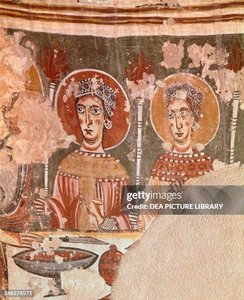
Master of Pedret
Spain
Quick Facts
- Artistic Movement Or Style: Romanesque
- Artists Or Movements Influenced By This Artist: ['Romanesque Art']
- Artists Who Influenced This Artist: ['Byzantine Art']
- Date Of Birth: Early twelfth century
- Date Of Death: Living
- Full Name: Master of Pedret
- Nationality: Spanish
- Notable Artworks: ['The Virgin and Child in Majesty and the Adoration of the Magi']
- Place Of Birth: Catalonia, Spain
Related Articles
The Fresco as Family Legacy: Preserving Heritage Through Wall Art
Explore the rich history & enduring legacy of fresco painting. Discover how to preserve family heritage through stunning wall art. Expert insights & restoration guidance.
The Enduring Legacy of Fresco: Technique, History & Artistic Expression Across Cultures
Explore the rich history & enduring legacy of fresco painting! Discover ancient techniques, Giotto's masterpieces, and modern applications. Expert insights for art lovers & professionals.
The Enduring Legacy of Fresco Painting: Techniques, History & Contemporary Relevance
Explore the rich history & enduring artistry of fresco painting – from Giotto to Michelangelo! Discover techniques, conservation efforts, & modern applications. Learn how ArtsDot brings this timeless art form to your home.

Giotto's Masterpieces: 25 Renaissance Artworks for Your Home | ArtsDot
Explore 25 breathtaking artworks by Giotto di Bondone, a Renaissance master. Discover the stories behind iconic frescoes & paintings like the Scrovegni Chapel cycle. Find museum-quality Giotto reproductions and elevate your home decor with ArtsDot.com.
Art That Lives With You: The Emotional Power of a Custom Interior Fresco
Discover the emotional power & timeless beauty of custom interior frescoes. Explore history, design tips & expert guidance from – creating lasting legacies.