 Preview
 Send
Send Share
Share
 Details

 Download
 Similars
 X-Ray
X-Ray Diaporama
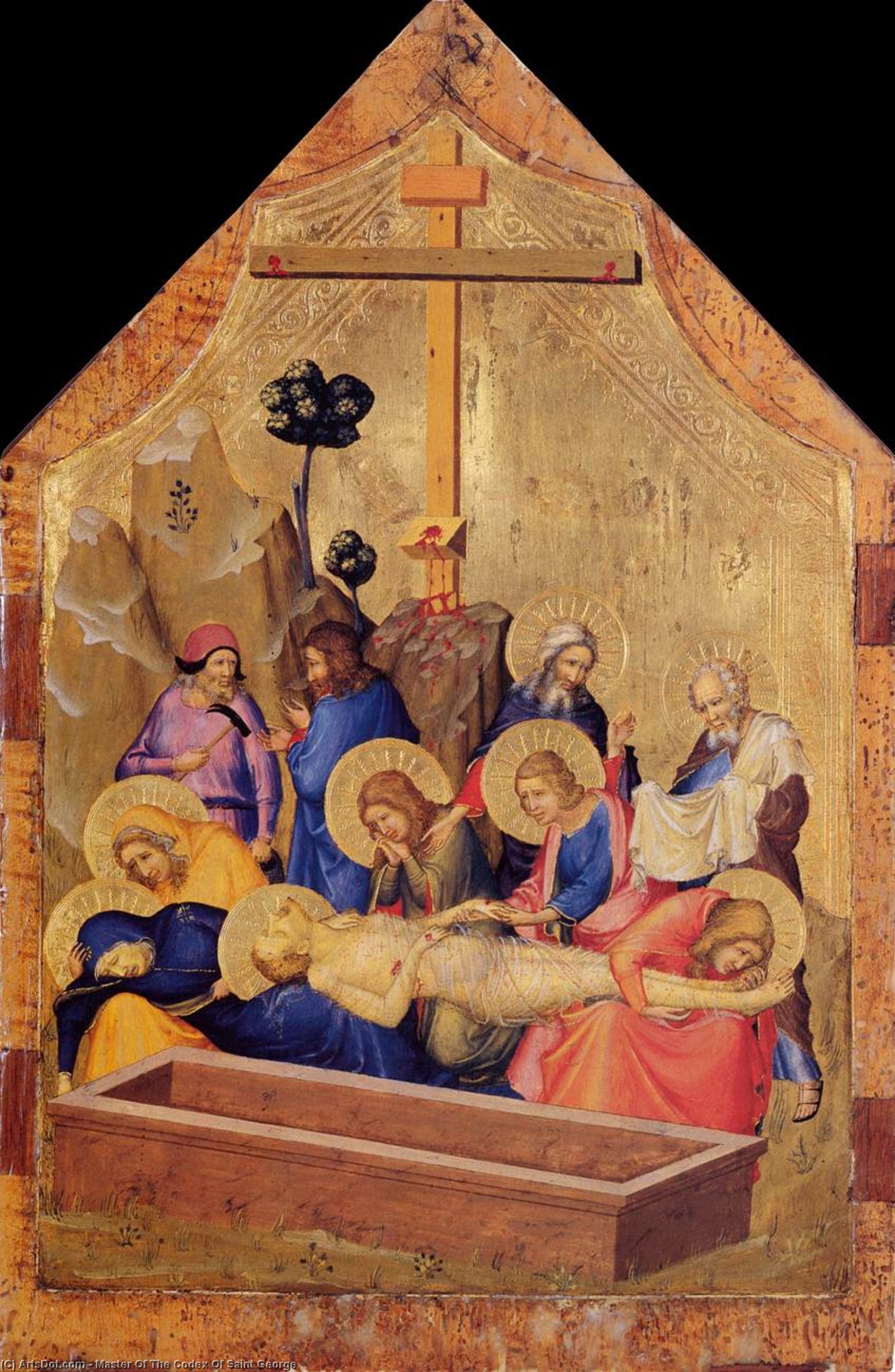
The Lamentation
 Tempera On Panel
- Gothic art
 1330
1330- Late Medieval
 46.0 x 30.0 cm
 Metropolitan Museum of Art
 Read More
Giclée / Art Print
Museum-quality giclée or canvas print with fast production and flexible finish options. ( Buy Hand Made Painting Buy Image)




P118B $10

P118H $10

P118W $10

P438Z $10

P508JH $12

P508YH $12

P805H $10

P805Z $10

P919BZ $10

P919G $10

P919XJ $10

P959ZH $10

P968JZ $12

W106C $8

W218G $10

W218JH $8

W218Y $10

W307PJ $10

W316G $10

W316PJ $8

W316Y $10

W398PJ $8

W4111J $10

W500HY $15

W500JH $15

W692G $12

W849H $8

W940BG $15

W953PJ $8




Pick from our preset sizes that match the artwork's original proportions.

You may enter your own dimensions to fit a specific frame or space. If your selected size does not match the original image's proportions, we will either crop the artwork or extend the image with a mirrored or solid-fill edge. A digital mockup will be sent for your approval before production begins.
Please note that the on-screen preview does not reflect the actual cropping or extension. Only the mockup will accurately show the final composition.
While custom sizes are available, we recommend selecting a dimension from the predefined list to preserve the original proportions.
Worldwide Delivery () in 2 weeks instead of standard 4/5 weeks. (21 August)

Free Worldwide Express Shipping

High-Quality Linen Canvas

Full Shipping Insurance

Customs Tax Refund Guarantee

True Color Matching Guarantee

60-Day Return Policy (Defects Only)

100% Money-Back Guarantee

Bulk Discount Offer
 Glass option is only available in size under 110 CM

The Lamentation
Giclée / Art Print
Reproduction Size
-


Total Price
$ 63
Collectible Description
A Profound Echo of Grief: Exploring The Lamentation
To stand before The Lamentation is to be enveloped in an atmosphere of profound, sacred sorrow. This masterpiece, attributed to the enigmatic Master Of The Codex Of Saint George, does not merely depict a biblical event; it captures the very essence of human grief rendered eternal through pigment and panel. Dating back to 1330, this work stands as a breathtaking testament to the emotional zenith of Gothic art. One is immediately drawn into the intimate circle of mourning figures, their forms imbued with an almost palpable sense of loss as they gather around the body of Christ. The scene pulses with devotional intensity, inviting the contemporary viewer not just to observe history, but to participate in its solemn resonance.
The composition itself is a masterclass in emotional narrative. Central to the drama lies the figure of Christ, whose repose speaks volumes of sacrifice. He is embraced by figures—the Virgin Mary, Saint John, and other disciples—whose gestures are eloquent sermons in themselves. Their robes, rendered in deep blues, rich reds, and vibrant accents, do more than clothe; they articulate status, emotion, and spiritual depth. The artist’s handling of drapery is nothing short of miraculous, creating cascades of fabric that seem to ripple with the weight of sorrow.
The Luminous Language of Gothic Symbolism
Gothic art, as exemplified here, favored an elevation of feeling over mere realism, and The Lamentation embodies this perfectly. Every element seems imbued with symbolic meaning. Above the central tableau, the prominent cross serves as a stark, unwavering reminder of the ultimate sacrifice. The halos encircling the holy figures are not just decorative touches; they are luminous signifiers of their divine grace, catching the light even on the aged wooden panel. Furthermore, the inclusion of architectural elements and foliage within the ornate frame suggests that this sacred moment is framed by the enduring structure of faith itself. These symbols work in concert, guiding the eye through a narrative tapestry woven with piety and profound theological weight.
The technical brilliance employed—tempera paint on wood—allowed the Master to achieve both vivid color saturation and an exquisite level of detail that speaks to painstaking dedication. The interplay between the deep, saturated colors and the subtle, almost ethereal glow emanating from the halos creates a visual tension that is utterly captivating.
A Timeless Presence for Modern Spaces
For those who seek art that transcends mere decoration, The Lamentation offers an unparalleled depth. Its dimensions of 46 x 30 cm allow it to function as a powerful focal point in any setting—be it a private chapel, a grand hall, or a thoughtfully curated living space. Owning a reproduction of this piece is not simply acquiring artwork; it is curating an atmosphere steeped in history, devotion, and unparalleled artistic achievement. The meticulous detail visible even in the photograph suggests that every brushstroke carries the weight of centuries of artistic tradition.
When considering how this work might enhance your interior design, consider its ability to anchor a room with solemn grandeur. Its rich palette—the jewel tones juxtaposed against the pale skin and linen—offers incredible versatility. It speaks to an appreciation for craftsmanship that values narrative depth alongside aesthetic beauty, making it a treasured piece for collectors and designers alike who seek art with a soul.
Related Artworks




Artist Biography
MASTER OF THE CODEX OF SAINT GEORGE
The Master of the Codex Saint George, whose identity remains shrouded in mystery despite scholarly efforts, stands as a pivotal figure within the vibrant tapestry of International Gothic art—a style characterized by its blend of elegance and solemnity that flourished across Europe during the late 14th and early 15th centuries. While his name is absent from surviving biographical records, his legacy endures through an astonishingly prolific output of illuminated manuscripts, primarily Gospels and Psalters, which demonstrate unparalleled skill in pigment preparation, gilding, and intricate decorative design.Early Life & Artistic Training
Little is known about the Master’s formative years. He emerged onto the artistic scene around 1405-1410 in Verona, Italy—a city renowned for its burgeoning artistic patronage during this period. Evidence suggests he received his initial training under Maestro Benedetto Cristoforo, a prominent Veronese illuminator who himself had traveled extensively to Constantinople and Syria, absorbing influences from Byzantine iconography. This exposure undoubtedly shaped the Master’s aesthetic sensibilities, favoring stylized figures, rich color palettes—particularly blues and reds—and meticulous attention to detail.The Codex Saint George: A Monumental Achievement
The Codex Saint George, housed in the Pellegrini Chapel of Sant'Anastasia Basilica in Verona, represents the apex of the Master’s artistic prowess. Commissioned by the wealthy Pellegrini family, this monumental manuscript showcases a breathtaking panorama of artistic innovation. Measuring approximately 38 cm x 26 cm, it comprises 105 folios adorned with exquisitely rendered scenes from the Gospels—primarily Matthew and Luke—and elaborate musical notations. The Codex’s vibrant colors—produced using innovative pigment preparation techniques—are achieved through careful grinding of minerals like lapis lazuli (for ultramarine blue), malachite (for green), and cinnabar (for red)—a testament to the Master's mastery of chemical processes. Furthermore, the intricate gilding—particularly on the initial letters and decorative borders—adds a shimmering luminescence that elevates the manuscript’s visual impact. The Codex Saint George is considered one of the finest examples of International Gothic illumination, demonstrating unparalleled stylistic sophistication and technical virtuosity.Stylistic Influences & Artistic Legacy
The Master's style reflects the broader trends of International Gothic art, drawing inspiration from Byzantine iconographic traditions while simultaneously embracing humanist ideals emerging from Florence. His figures possess a graceful posture and expressive gestures—characteristic of the style’s preoccupation with human emotion—and are rendered with remarkable realism despite their stylized forms. The meticulous attention to detail—evident in the depiction of drapery folds, facial expressions, and ornamental borders—underscores the Master's commitment to artistic excellence. Beyond its aesthetic achievements, the Codex Saint George holds significant historical importance as it exemplifies the dissemination of Byzantine artistic ideas into Northern Europe during a period of intense cultural exchange. It serves as a crucial source for understanding the stylistic developments that characterized the Gothic Revival in England and France—a movement aimed at reviving medieval art forms and celebrating Christian piety. The Master’s contribution to illuminated manuscript art is undeniable, cementing his place among the most celebrated artists of his era. Though his identity remains elusive, his enduring masterpiece continues to captivate viewers centuries later—a testament to the power of artistic vision and technical skill.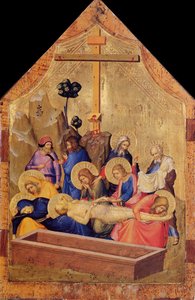
Quick Facts
- Artistic Movement Or Style: International Gothic
- Full Name: Master of the Codex of Saint George
- Nationality: Italian
- Notable Artworks:
- The Lamentation
- The Crucifixion
- Codex of St George (Folio 85r)
- Place Of Birth: Italy
Related Articles

High Medieval Art: 10 Masterpieces That Shaped an Era | ArtsDot
Journey through High Medieval Art! Explore 10 iconic masterpieces – from Giotto's frescoes to stunning Gothic cathedrals. Discover the stories behind these timeless paintings, sculptures & illuminated manuscripts. Find museum-quality art reproductions at ArtsDot.com.

Late Medieval Masterpieces: 10 Artworks That Defined an Era | ArtsDot
Journey through 10 defining Late Medieval masterpieces – from Giotto's frescoes to Jan van Eyck’s realism. Explore the stories, techniques & vibrant colors of Gothic art. Find museum-quality reproductions and elevate your home decor with ArtsDot.com! Discover all masterpieces on ArtsDot.com

Illuminating Surfaces: A Comprehensive Exploration of Tempera on Panel Painting Techniques & Historical Significance
Explore the rich history & techniques of tempera painting! Discover Renaissance masters like Botticelli & Fra Angelico, conservation insights, and the enduring legacy of this captivating art form. Learn more now!
Tempera's Timeless Legacy: 10 Masterpieces That Revolutionized Art | ArtsDot
Journey through 10 legendary tempera on panel masterpieces by Giotto, Duccio & Botticelli. Explore the history, symbolism & enduring beauty of these iconic artworks. Find museum-quality reproductions for your home at ArtsDot.com.

The Radiant Dusk of Medieval Vision: Exploring Late Gothic Art's Synthesis of Faith, Form & Emotionality (c. 1300-1500)
Explore the exquisite beauty & spiritual depth of Late Gothic art (c. 1300-1500). Discover key artists, symbolism, and its lasting influence on the Renaissance. Expert insights at ArtsDot.