 Preview
 Send
Send Share
Share
 Details

 Download
 Similars
 X-Ray
X-Ray Diaporama
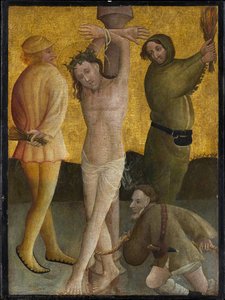
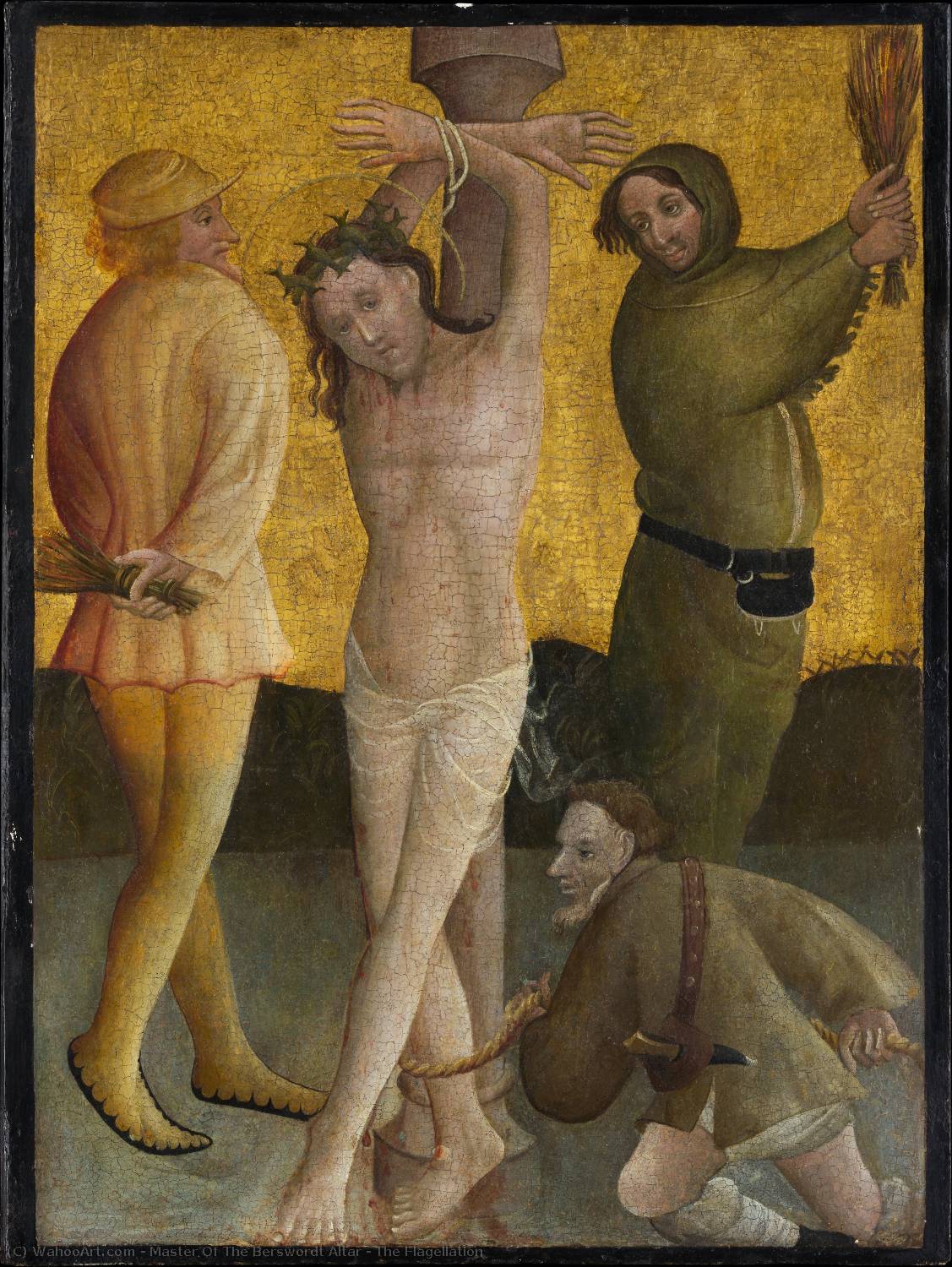
The Flagellation
 Oil On Panel
- International Gothic
 1400
1400 58.0 x 43.0 cm
 Metropolitan Museum of Art
 Read More
Hand Made Oil Reproduction
Hand-painted oil on canvas in your size and frame, made to order by our artists. ( Buy Print Buy Image)




P118B $10

P118H $10

P118W $10

P438Z $10

P508JH $12

P508YH $12

P805H $10

P805Z $10

P919BZ $10

P919G $10

P919XJ $10

P959ZH $10

P968JZ $12

W106C $8

W218G $10

W218JH $8

W218Y $10

W307PJ $10

W316G $10

W316PJ $8

W316Y $10

W398PJ $8

W4111J $10

W500HY $15

W500JH $15

W692G $12

W849H $8

W940BG $15

W953PJ $8




Pick from our preset sizes that match the artwork's original proportions.

You may enter your own dimensions to fit a specific frame or space. If your selected size does not match the original image's proportions, we will either crop the artwork or extend the painting with additional hand-painted elements. A digital mockup will be sent for your approval before production begins.
Please note that the on-screen preview does not reflect the actual cropping or extension. Only the mockup will accurately show the final composition.
While custom sizes are available, we recommend selecting a dimension from the predefined list to preserve the original proportions.
After order, ArtsDot.com team will email client for instructions and provide a mockup preview
Worldwide Delivery () in 3/4 weeks instead of standard 5 weeks. (30 August). No compromise on quality.

Free Worldwide Express Shipping

High-Quality Linen Canvas

Full Shipping Insurance

Customs Tax Refund Guarantee

True Color Matching Guarantee

60-Day Return Policy (Defects Only)

100% Money-Back Guarantee

Bulk Discount Offer
 Glass option is only available in size under 110 CM

The Flagellation
Reproduction Medium
Reproduction Size
-


Total Price
$ 313
The Flagellation: A Window into Late Medieval Devotion
The Master of the Bremen Altarpiece’s “The Flagellation,” painted circa 1400, is more than just a depiction of Christ's suffering; it’s a profound meditation on sacrifice, faith, and the transition between artistic traditions. This remarkable panel, originally part of a monumental altarpiece commissioned for the Marienkirche in Bielefeld, Westphalia, offers a captivating glimpse into the vibrant world of International Gothic art during its twilight years. The painting's power lies not just in its technical mastery but also in its ability to evoke a deep sense of empathy and spiritual contemplation.
The scene itself is both familiar and intensely moving. Christ, stripped bare and bound, endures the brutal reality of his scourging at the hands of Roman soldiers. The artist skillfully renders the physicality of the ordeal – the strained muscles, the bloodied skin – with a realism that belies the idealized aesthetic of the International Gothic style. Yet, this isn’t a glorification of violence; rather, it's presented as an unavoidable consequence of Christ’s divine sacrifice. The figures surrounding him—a servant offering rushes to cleanse his wounds and a hooded monk observing in silent sorrow—add layers of complexity to the narrative, suggesting both earthly compassion and profound spiritual reflection.
A Synthesis of Styles: International Gothic at its Peak
“The Flagellation” exemplifies the hallmarks of the International Gothic style, a movement that flourished throughout Europe during the 14th and 15th centuries. Characterized by its elegance, refined detail, and luxurious materials, this style drew inspiration from French Rayonnant Gothic architecture, Italian Renaissance motifs, and the intricate illuminated manuscripts of the era. The Master of the Bremen Altarpiece skillfully blended these influences, creating a work that is both formally sophisticated and emotionally resonant.
Notice the meticulous attention to detail – the folds of Christ’s garment, the texture of his skin, the subtle expressions on the faces of the onlookers. Gold leaf accents, typical of this period, are used sparingly but effectively to enhance the sense of opulence and divine presence. The composition itself is carefully balanced, with a clear hierarchy of figures that draws the viewer's eye directly to Christ at the center of the scene. The use of perspective, though not fully developed as in later Renaissance painting, creates a convincing illusion of depth, anchoring the narrative within a believable space.
Technique and Materials: A Master’s Hand
Painted on wood panel, “The Flagellation” showcases the artist's mastery of tempera paint – a medium known for its luminous quality and ability to create rich, vibrant colors. The layering of thin glazes allows light to penetrate through the pigments, creating a sense of depth and luminosity that is particularly evident in the depiction of Christ’s flesh tones. The use of gold leaf adds a further layer of richness and symbolism, representing divine grace and glory.
It's important to note that this panel was originally part of a larger altarpiece, and elements of the original design—including the background architecture—may have been transferred to the plywood support after the altarpiece was dismantled. This practice was common at the time, allowing artists to reuse panels from previous works and adapt them to new commissions. The careful restoration efforts undertaken in recent years have helped to preserve the painting's integrity and reveal its original splendor.
Symbolism and Legacy: Bridging Traditions
“The Flagellation” is not merely a historical artifact; it’s a powerful symbol of Christian faith, sacrifice, and redemption. The image resonates with viewers across centuries because it taps into universal themes of suffering, compassion, and hope. Furthermore, the painting represents a crucial transitional moment in art history – a bridge between the stylized elegance of traditional Gothic art and the emerging realism of Early Netherlandish painting.
The Master of the Bremen Altarpiece’s work paved the way for future generations of artists, influencing the development of Northern Renaissance painting. His ability to combine technical skill with emotional depth continues to inspire admiration and study today. “The Flagellation” stands as a testament to his artistic genius and a poignant reminder of the enduring power of art to illuminate the human condition.
Related Artworks
Artist Biography
A Master Veiled in Time: The Artist of the Marienkirche Crucifixion
The 14th and 15th centuries witnessed a flourishing of artistic expression across Europe, yet many talented hands remain nameless to us today. Among these enigmatic figures is the artist known as the Master of the Crucifixion in the Marienkirche at Dortmund – sometimes referred to as the Master of the Berswordt Altar. Active in the Westphalian region of Germany during a period of significant stylistic transition, this painter’s identity remains shrouded in mystery, yet his works speak volumes about the International Gothic style and the religious fervor of the era. He is not known by a personal name; instead, he bears the designation derived from one of his most important surviving creations: the evocative Crucifixion Triptych that graces the Marienkirche in Dortmund. This practice – assigning names based on prominent works – is common when dealing with artists from periods where documentation is scarce, and it allows art historians to study a cohesive body of work despite the lack of biographical details.The Westphalian Context and Artistic Influences
The Master’s activity centered around the region of Westphalia, a hub of religious life and artistic patronage in medieval Germany. While his precise origins remain unknown, the concentration of commissions in this area suggests that he likely maintained a workshop within its borders. His art is deeply rooted in the International Gothic style, a refined aesthetic that swept across Europe during the late 14th and early 15th centuries. This style, characterized by elegant figures, rich colors, intricate detailing, and a focus on narrative clarity, drew inspiration from French and Burgundian illuminated manuscripts and courtly art. The Master of the Berswordt Altar absorbed these influences, translating them into panel paintings that resonated with local sensibilities. A scholarly debate exists regarding his relationship to other artists of the period, particularly Konrad von Soest; however, many scholars now believe the Master predates von Soest, representing an earlier phase in the development of this elegant style within Germany. His work served as a bridge between traditional Gothic conventions and the emerging naturalism that would characterize later periods.Key Works: Altarpieces and Emotional Resonance
The most significant surviving testament to the Master’s skill is undoubtedly the Berswordt Altar itself, housed in Dortmund's Marienkirche. This altarpiece, commissioned by a prominent local family, exemplifies his mastery of oil and tempera techniques, combined with lavish gold leaf application. Beyond this namesake work, another crucial piece attributed to him is a dispersed retable originally created for the high altar of the Neustädter Marienkirche in Bielefeld around 1400. This large altarpiece comprised approximately thirty narrative panels surrounding a central image of the Madonna and Child. Fragments of this ambitious project survive today, including *The Crucifixion* and *The Flagellation*, with the latter now residing in the Metropolitan Museum of Art. These surviving panels showcase his ability to depict dramatic religious scenes with remarkable emotional depth and intricate detail. The figures are elongated and graceful, their expressions conveying a profound sense of suffering and piety. His use of vibrant colors and shimmering gold creates an otherworldly atmosphere, drawing viewers into the sacred narratives unfolding before them.A Legacy in Panel Painting
The Master of the Berswordt Altar’s legacy lies not only in the beauty of his surviving works but also in his contribution to the development of panel painting in Germany. He was a leading figure in pre-Eyckian German art, paving the way for later innovations in realism and technique. His workshop likely produced numerous other paintings that have since been lost or misattributed, further underscoring his influence on the artistic landscape of Westphalia. While his name may remain obscure, his impact is undeniable. References to him can be found in important art historical texts, such as Götz J. Pfeiffer’s dedicated study *Meister des Berswordt-Retabels*, and he is discussed within broader surveys of medieval German painting, including entries on the Wikipedia article devoted to his work. His paintings continue to captivate viewers with their elegance, emotional power, and exquisite craftsmanship, offering a glimpse into the artistic world of 15th-century Germany.Exploring Further: Resources for Appreciation
For those seeking to delve deeper into the art of the Master of the Crucifixion in the Marienkirche at Dortmund, several resources are available. The ArtsDot platform offers high-quality reproductions of his works, allowing viewers to appreciate the details and nuances of his style firsthand. ArtsDot provides a dedicated page for the artist, featuring biographical information and images of his notable creations. Additionally, the Web Gallery of Art (WGA) hosts a comprehensive biography, offering insights into his artistic context and influences. The Wikipedia entry on the Master of the Berswordt Altar serves as a useful starting point for further research, while the Grokipedia page provides a concise overview of his life and work. By exploring these resources, art lovers can gain a deeper understanding of this remarkable artist and his enduring contribution to the history of European painting.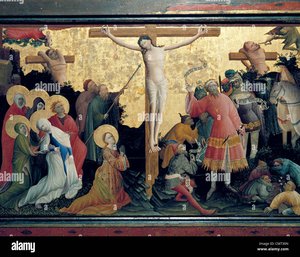
Quick Facts
- Artistic Movement Or Style: International Gothic Style
- Date Of Birth: (Dortmund)
- Date Of Death: Living
- Full Name: Master of the Crucifixion in the Marienkirche at Dortmund
- Nationality: German
- Notable Artworks:
- The Flagellation
- Berswordt Altar
- Place Of Birth: Dortmund, Germany
Related Articles
Beyond Borders: The Spiritual & Stylistic Innovations of International Gothic Art
Explore the exquisite beauty & spiritual depth of International Gothic art. Discover key artists like Simone Martini & Pol de Limbourg, its origins, symbolism, and lasting influence on European painting. Expert insights at ArtsDot.
The Radiant Dusk of Medieval Vision: Exploring Late Gothic Art's Synthesis of Faith, Form & Emotionality (c. 1300-1500)
Explore the exquisite beauty & spiritual depth of Late Gothic art (c. 1300-1500). Discover key artists, symbolism, and its lasting influence on the Renaissance. Expert insights at ArtsDot.
Late Medieval Masterpieces: 10 Artworks That Defined an Era | ArtsDot
Journey through 10 defining Late Medieval masterpieces – from Giotto's frescoes to Jan van Eyck’s realism. Explore the stories, techniques & vibrant colors of Gothic art. Find museum-quality reproductions and elevate your home decor with ArtsDot.com! Discover all masterpieces on ArtsDot.com
High Medieval Art: 10 Masterpieces That Shaped an Era | ArtsDot
Journey through High Medieval Art! Explore 10 iconic masterpieces – from Giotto's frescoes to stunning Gothic cathedrals. Discover the stories behind these timeless paintings, sculptures & illuminated manuscripts. Find museum-quality art reproductions at ArtsDot.com.
The Shadow of Faith: Exploring Gothic Art's Spiritual Intensity & Architectural Innovation
Explore the spiritual intensity & architectural innovation of Gothic art! Discover the symbolism behind cathedrals, stained glass & master artists like Giotto and Monet. A deep dive into medieval history & artistic expression.