 Preview
 Send
Send Share
Share
 Details

 Download
 Similars
 X-Ray
X-Ray Diaporama
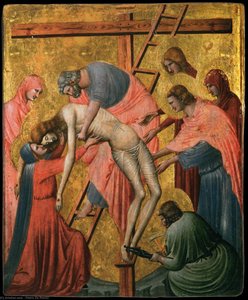
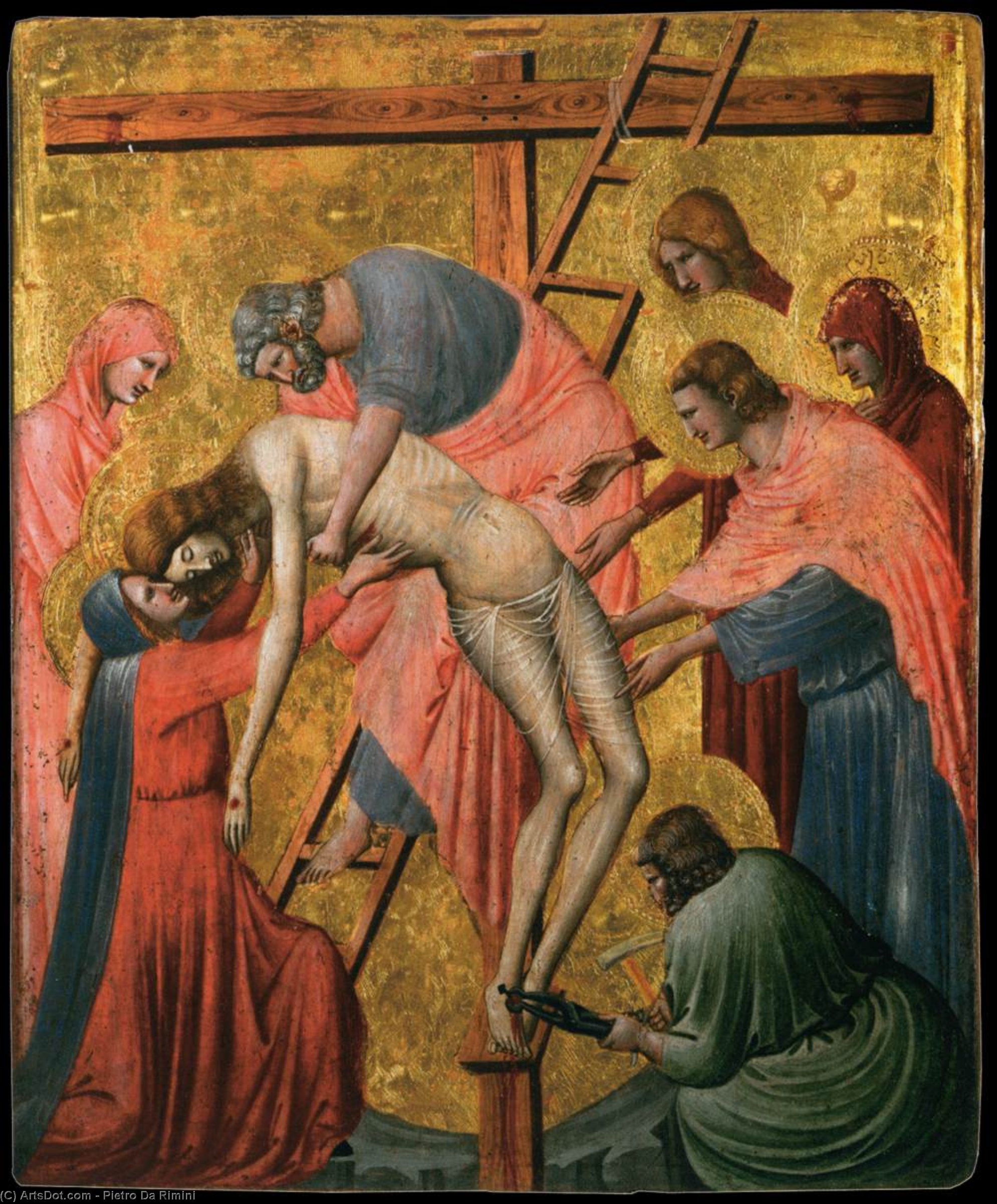
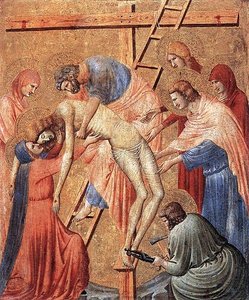
Deposition from the Cross
 Oil On Canvas
- WallArt
- Proto-Renaissance
 1325
1325- Late Medieval
 43.0 x 36.0 cm
 The Louvre
 Read More
Hand Made Oil Reproduction
Hand-painted oil on canvas in your size and frame, made to order by our artists. ( Buy Print Buy Image)




P118B $10

P118H $10

P118W $10

P438Z $10

P508JH $12

P508YH $12

P805H $10

P805Z $10

P919BZ $10

P919G $10

P919XJ $10

P959ZH $10

P968JZ $12

W106C $8

W218G $10

W218JH $8

W218Y $10

W307PJ $10

W316G $10

W316PJ $8

W316Y $10

W398PJ $8

W4111J $10

W500HY $15

W500JH $15

W692G $12

W849H $8

W940BG $15

W953PJ $8




Pick from our preset sizes that match the artwork's original proportions.

You may enter your own dimensions to fit a specific frame or space. If your selected size does not match the original image's proportions, we will either crop the artwork or extend the painting with additional hand-painted elements. A digital mockup will be sent for your approval before production begins.
Please note that the on-screen preview does not reflect the actual cropping or extension. Only the mockup will accurately show the final composition.
While custom sizes are available, we recommend selecting a dimension from the predefined list to preserve the original proportions.
After order, ArtsDot.com team will email client for instructions and provide a mockup preview
Worldwide Delivery () in 3/4 weeks instead of standard 5 weeks. (17 August). No compromise on quality.

Free Worldwide Express Shipping

High-Quality Linen Canvas

Full Shipping Insurance

Customs Tax Refund Guarantee

True Color Matching Guarantee

60-Day Return Policy (Defects Only)

100% Money-Back Guarantee

Bulk Discount Offer
 Glass option is only available in size under 110 CM

Deposition from the Cross
Reproduction Medium
Reproduction Size
-


Total Price
$ 263
Artwork Description
The Profound Drama of Deposition from the Cross
To stand before this depiction of the Deposition from the Cross is to be enveloped in an atmosphere thick with solemnity and profound human drama. Pietro da Rimini captures not merely a historical event, but a moment suspended between ultimate sacrifice and eternal mystery. The composition immediately draws the eye to the central figure, Jesus, whose descent from the cross forms the emotional anchor of the entire scene. Surrounding him, the figures—rendered with palpable weight and grief—create a complex tapestry of devotion, shock, and sorrow. Notice the careful arrangement; the presence of those ladders on either side is not incidental detail but an integral part of the narrative structure, suggesting the arduous process that preceded this sacred moment.
Mastery in Early Quattrocento Technique
Pietro da Rimini’s handling of paint speaks to his deep immersion in the artistic currents of the early Fourteenth Century. While his style shows echoes of Byzantine grandeur—a testament to the cultural crossroads of Romagna—there is also a burgeoning naturalism that hints at the Renaissance spirit taking root. Observe the drapery; it falls with convincing weight, articulating the bodies beneath with masterful folds. The technique employed allows for both monumental storytelling and intimate emotional detail. For collectors or those seeking an artistic focal point, this piece offers a window into a period where spiritual fervor met emerging technical brilliance.
Symbolism Woven into Sacred Form
Every element within the frame seems imbued with symbolic resonance. The nakedness of some figures contrasts sharply with the rich vestments of others, drawing attention to themes of vulnerability versus divine or earthly status. The act of deposition itself is a meditation on mortality and redemption. The surrounding crowd—a mix of mourners and onlookers—represents humanity’s varied response to suffering: awe, despair, curiosity, and unwavering faith. These symbolic layers invite the viewer into deep contemplation, making the artwork far more than mere decoration; it becomes a devotional object for quiet reflection.
Creating an Atmosphere of Reverence in Your Space
Bringing this piece into your home or gallery space is to curate an atmosphere of profound reverence. Its dramatic intensity and historical weight lend themselves beautifully to formal reception rooms, private chapels, or libraries where contemplation is encouraged. A high-quality reproduction allows you to possess the emotional power and artistic sophistication of a masterwork from 1325 without leaving your sanctuary. It serves as a powerful conversation piece, inviting guests to pause, reflect, and connect with the enduring narratives of faith and sacrifice.
Related Artworks

Artist Biography
Pietro da Rimini: A Florentine Echo in Romagna
Pietro da Rimini (c. 1280 – c. 1350) stands as a pivotal figure in the burgeoning artistic landscape of early Fourteenth-Century Italy, specifically within the region of Romagna—a crossroads between Tuscan innovation and Byzantine tradition. While biographical details remain scarce, scholarly consensus points to Rimini as his birthplace, cementing his place amongst the artists shaping the visual culture of his time. His oeuvre is characterized by a remarkable synthesis of stylistic elements, reflecting both the grandeur of Constantinople and the burgeoning humanist spirit emerging from Florence.- Early Life & Training: Precise information regarding Pietro’s formative years is elusive. However, evidence suggests he honed his skills in Bologna during the reign of Guido Visconti, a period marked by considerable artistic activity. This Bolognese influence is palpable in his meticulous attention to detail and compositional balance—traits that would become hallmarks of his distinctive style.
- The Florentine Connection: Pietro’s artistic journey took him to Florence around 1305, where he collaborated closely with Giovanni da Rimini – a fellow artist whose workshop produced several celebrated diptychs depicting scenes from the Gospels. This partnership fostered an exchange of ideas and techniques, propelling Pietro's style toward greater expressive dynamism and incorporating elements characteristic of Florentine painting.
Notable Works & Artistic Style
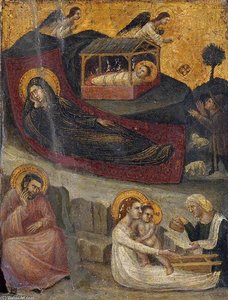
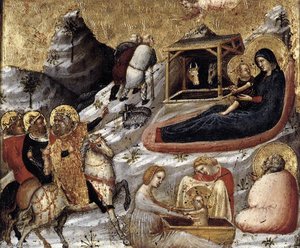
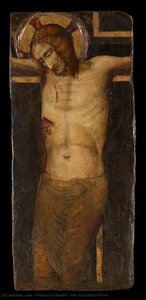
Pietro’s artistic output is notable for its sensitivity to Byzantine iconography combined with a burgeoning Renaissance aesthetic. He achieved considerable renown for his depictions of religious subjects, particularly the Crucifixion and The Nativity—works that demonstrate an exceptional grasp of perspective and drapery rendering. His tempera paintings are distinguished by their luminous colors and subtle gradations, conveying profound emotional depth. Consider ‘The Crucified Christ,’ a masterpiece showcasing dramatic figures and masterful execution – it’s considered to be one of the most poignant representations of Christ's suffering in Romagna. Similarly, 'The Nativity,' imbued with Byzantine influences, captures the serene beauty of the Virgin Mary cradling Jesus—a testament to Pietro’s ability to synthesize disparate artistic traditions.- Technique: Pietro employed tempera paint on panel, a technique favored by artists across Europe during this period. This medium allowed for vibrant colors and meticulous detail, ensuring that his paintings retained their visual impact over centuries. His mastery of drapery folds—particularly evident in works like ‘The Deposition from the Cross’—demonstrates an unparalleled understanding of anatomical accuracy.
- Influence: Pietro's work undeniably impacted subsequent artists in Romagna and beyond. He served as a mentor to younger painters, disseminating his stylistic innovations and contributing to the artistic development of the region. His influence can be discerned in the works of Giovanni Battista Sant’Anna and other artists active during the mid-XIV century.
Historical Significance
Pietro da Rimini occupies a significant position within the broader narrative of Renaissance art. He represents an important bridge between Byzantine artistic conventions and the humanist ideals championed by Florentine painters like Giotto di Bondone and Masaccio. His paintings embody the spirit of his time—a period marked by fervent religious devotion alongside intellectual curiosity—and continue to inspire admiration for their beauty and emotional resonance. Studying Pietro’s oeuvre offers invaluable insight into the artistic currents shaping Italy during its formative centuries.- Legacy: Pietro da Rimini's legacy extends beyond his individual paintings; he embodies a broader artistic movement that sought to elevate visual art as a vehicle for spiritual contemplation. His enduring fame testifies to the power of art to transcend temporal boundaries and communicate universal themes—a testament to his contribution to the history of European painting.
pietro da rimini
1280 - 1350 , Italy
Quick Facts
- Artistic Movement Or Style: Early Renaissance
- Artists Who Influenced This Artist:
- Byzantine Art
- Giovanni da Rimini
- Date Of Birth: Rimini, Italy (1280)
- Date Of Death: 1350
- Full Name: Pietro da Rimini
- Nationality: Italian
- Notable Artworks:
- The Crucified Christ
- The Nativity
- Deposition from the Cross
- Place Of Birth: Rimini
Related Articles

Leonardo da Vinci's Masterpieces: Explore 25 Iconic Artworks for Your Home | ArtsDot
Journey through Leonardo da Vinci's genius with our curated selection of 25 iconic artworks. Explore the stories behind Mona Lisa, The Last Supper & more Renaissance masterpieces. Find museum-quality art reproductions for your home at ArtsDot.com.

Leonardo da Vinci: A Renaissance Master’s Synthesis of Art, Science & Human Observation – Reinterpreted for the Collector
Explore Leonardo da Vinci’s timeless masterpieces with ArtsDot. Discover insights into his art, science, and legacy – trusted expertise for discerning collectors seeking authentic reproductions & investment opportunities.
Pietro da Cortona: Baroque Grandeur & the Synthesis of Roman Painting
Explore the life & masterpieces of Pietro da Cortona, a defining figure of the Italian Baroque. Discover his stunning frescoes at Palazzo Barberini and lasting influence on Roman art history. Learn more with ArtsDot.
Henri Edmond Cross: A Pioneer of Neo-Impressionism & the Divisionist Aesthetic
Explore the life & art of Henri Edmond Cross, a pivotal Neo-Impressionist painter. Discover his innovative divisionist technique, political affiliations, and lasting influence on modern art movements like Fauvism. Learn about key works & legacy.
Renaissance Humanism's Greatest Art: 10 Masterpieces for Your Home
Explore 10 Renaissance Humanism masterpieces by Leonardo da Vinci, Michelangelo & Raphael. Discover the stories behind these iconic paintings & sculptures and bring timeless art into your home with museum-quality reproductions from ArtsDot.com. Explore the full collection online!