 Preview
 Send
Send Share
Share
 Details

 Download
 Similars
 X-Ray
X-Ray Diaporama
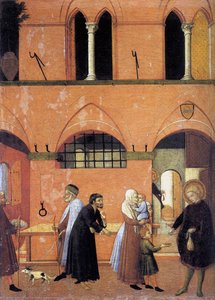
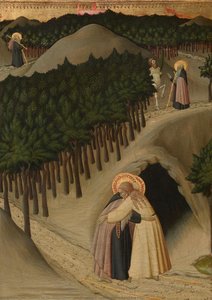
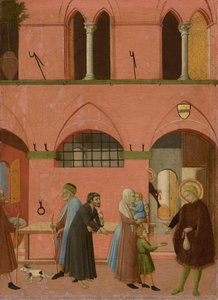
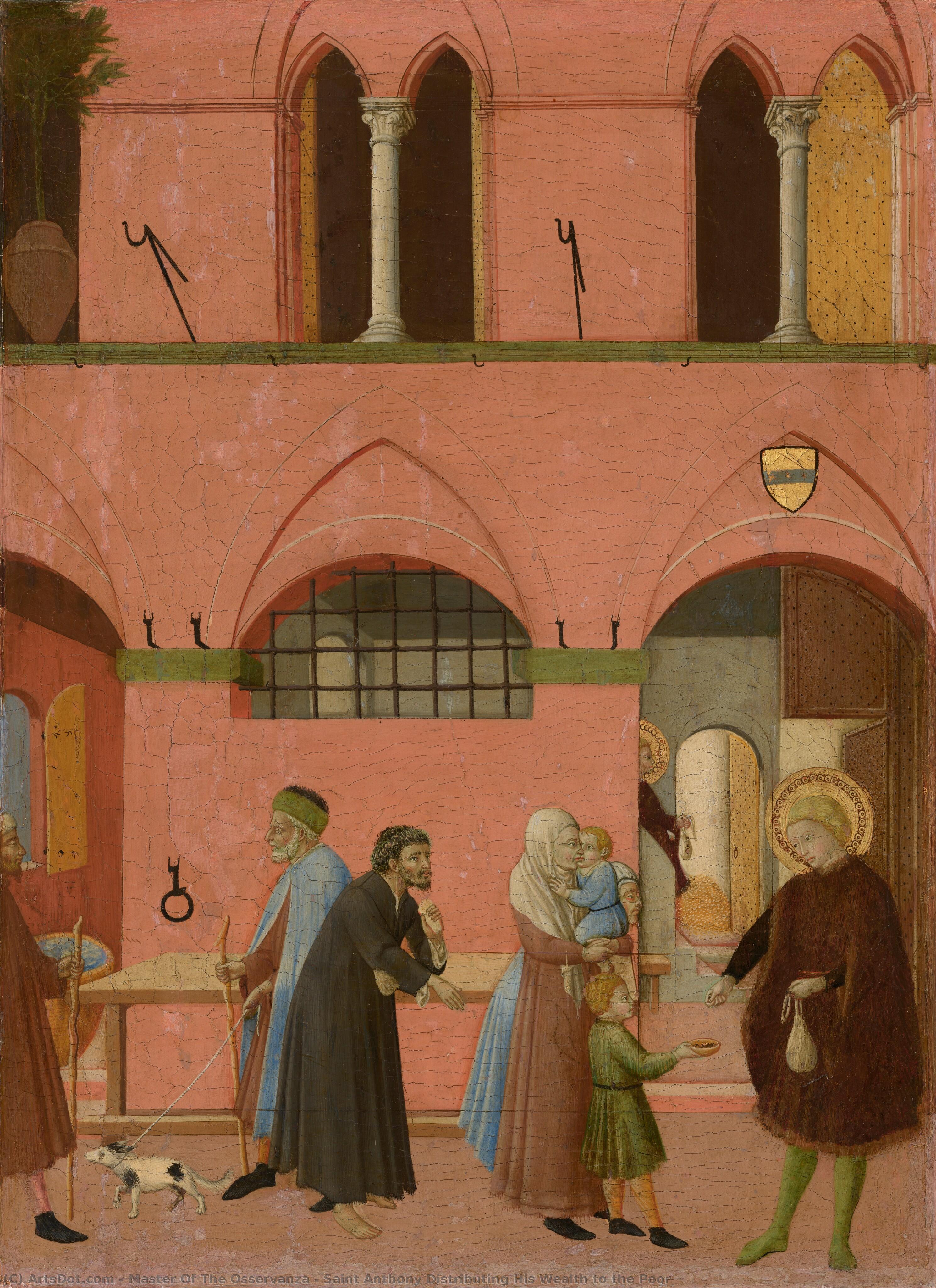
Saint Anthony Distributing His Wealth to the Poor
 Tempera On Panel
- International Gothic
 1435
1435- Renaissance
 62.0 x 125.0 cm
 Read More
Hand Made Oil Reproduction
Hand-painted oil on canvas in your size and frame, made to order by our artists. ( Buy Print Buy Image)




P118B $10

P118H $10

P118W $10

P438Z $10

P508JH $12

P508YH $12

P805H $10

P805Z $10

P919BZ $10

P919G $10

P919XJ $10

P959ZH $10

P968JZ $12

W106C $8

W218G $10

W218JH $8

W218Y $10

W307PJ $10

W316G $10

W316PJ $8

W316Y $10

W398PJ $8

W4111J $10

W500HY $15

W500JH $15

W692G $12

W849H $8

W940BG $15

W953PJ $8




Pick from our preset sizes that match the artwork's original proportions.

You may enter your own dimensions to fit a specific frame or space. If your selected size does not match the original image's proportions, we will either crop the artwork or extend the painting with additional hand-painted elements. A digital mockup will be sent for your approval before production begins.
Please note that the on-screen preview does not reflect the actual cropping or extension. Only the mockup will accurately show the final composition.
While custom sizes are available, we recommend selecting a dimension from the predefined list to preserve the original proportions.
After order, ArtsDot.com team will email client for instructions and provide a mockup preview
Worldwide Delivery () in 3/4 weeks instead of standard 5 weeks. (22 August). No compromise on quality.

Free Worldwide Express Shipping

High-Quality Linen Canvas

Full Shipping Insurance

Customs Tax Refund Guarantee

True Color Matching Guarantee

60-Day Return Policy (Defects Only)

100% Money-Back Guarantee

Bulk Discount Offer
 Glass option is only available in size under 110 CM

Saint Anthony Distributing His Wealth to the Poor
Reproduction Medium
Reproduction Size
-


Total Price
$ 263
Artwork Description
A Vision of Sienese Devotion
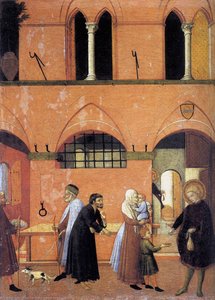
In the quiet, sun-drenched courtyard of this 1435 masterpiece, time seems to suspend itself, inviting the viewer into a sacred moment of profound generosity. The painting, attributed to the enigmatic Master of the Osservanza, captures Saint Anthony in a tender act of charity, distributing his wealth to those in need. As light filters through the pale, peach-colored walls, we witness a tableau that is as much about human connection as it is about religious piety. The composition draws the eye toward the lower right corner, where the Saint stands with a luminous gold halo, his burgundy-red cloak providing a rich, warm anchor to the scene. Through his hands, coins pass from a white cloth purse into a shallow bowl held by a young boy, a gesture that serves as the emotional and spiritual heartbeat of the work.
The artistry of this piece lies in its ability to weave together diverse human experiences within a single, cohesive narrative. The artist employs a delicate palette—soft greens, earthy browns, and sky blues—to create an atmosphere of serene dignity. Each figure is rendered with a meticulous attention to detail that speaks to the late Gothic tradition of Siena. We see the weathered face of an elderly woman, the innocent gaze of a blond infant, and the weary posture of a man in a fraying black robe. Even the subtle inclusion of a small dog on a rope and the distant, secondary scene of the Saint descending a staircase adds layers of narrative complexity, suggesting that acts of grace are not isolated events but part of a continuous, divine cycle.
Symbolism and the Texture of Faith
Beyond its surface beauty, the painting is a rich tapestry of symbolic meaning designed to inspire contemplation. The gold-trimmed garments and the disk-like halo of Saint Anthony represent the celestial light intersecting with the earthly realm. The contrast between the pristine, light-skinned figures and the more olive-toned, weathered characters highlights the universal reach of compassion, bridging social and physical divides. Every element, from the ivory-white cloth held to a hungry mouth to the sturdy staff of the elderly traveler, serves as a testament to the struggle for survival and the hope found in communal support. For the collector or designer, this work offers more than mere decoration; it provides a window into a period where art was the primary vessel for expressing the deepest values of the human soul.
The technique utilized by the Master of the Osservanza—likely identified as Sano di Pietro—demonently showcases the transition from the stylized elegance of the Middle Ages to the burgeoning naturalism of the early Renaissance. The way light interacts with the textures of heavy cloth, stone walls, and soft skin creates a tactile quality that is incredibly captivating. This painting does not merely depict a scene; it evokes a feeling of stillness and reverence. Whether placed in a grand gallery or as a focal point in a sophisticated interior, a high-quality reproduction of this work brings an air of historical depth and quiet majesty to any space, reminding us of the enduring power of empathy and the timeless beauty of the Sienese tradition.
Related Artworks


Artist Biography
The Enigmatic Master of the Osservanza: A Sienese Visionary
The identity of the “Master of the Osservanza” remains one of art history’s most enduring mysteries, a testament to the skill and prolific output of an anonymous Italian painter active in Siena during the early 15th century. While definitively named only recently thanks to meticulous research by Maria Falcone, this artist—now recognized as Sano di Pietro—left behind a remarkable cycle of eight panels depicting scenes from the life of Saint Anthony Abbot, works that continue to captivate viewers with their haunting beauty and psychological depth. These paintings, scattered across museums in Siena, Washington D.C., New York, and Wiesbaden, Germany, offer a profound glimpse into the evolving artistic landscape of late Gothic Italy and reveal a painter deeply attuned to both religious devotion and the complexities of human experience.
The Osservanza cycle emerged around 1430-1450, a period marked by significant stylistic shifts in Siena. Influenced by the vibrant Sienese school—particularly the work of Duccio di Buoninsegna and Simone Martini—the Master nevertheless developed a distinct visual language characterized by a heightened sense of drama, emotional intensity, and an innovative use of color. Unlike the more overtly decorative style prevalent at the time, the Osservanza panels possess a remarkable restraint and solemnity, reflecting the saint’s ascetic life and his struggle against temptation. The artist's meticulous attention to detail—from the rugged texture of the desert landscape to the subtle expressions on the figures’ faces—creates an immersive experience for the viewer, drawing them into the narrative.
A Life of Solitude and Artistic Flourishing
Sano di Pietro’s early life remains shrouded in obscurity. He was born around 1405 in Siena, likely into a family involved in the production of dyes—a profession reflected in his surname, “di Pietro” (of Peter). Little is known about his formal artistic training, suggesting that he honed his skills through independent study and direct experience. The legend surrounding Saint Anthony’s life – a tale of monastic seclusion, spiritual trials, and encounters with demonic forces – provided the perfect subject matter for Sano's artistic explorations. The artist seems to have deliberately chosen this narrative as a vehicle for exploring themes of faith, temptation, and the human condition.
The Master’s career appears to have been largely dedicated to producing altarpieces and panel paintings for churches and private patrons in Siena and surrounding areas. He was particularly adept at creating devotional scenes that combined narrative clarity with emotional resonance. The Osservanza cycle, however, stands apart as a monumental achievement—a testament to his artistic skill and his ability to imbue religious imagery with profound psychological depth. It’s believed he worked on the cycle for approximately 15 years, culminating in a series of works that are considered among the most important examples of Sienese late Gothic art.
The Depths of Temptation: Analyzing the Osservanza Cycle
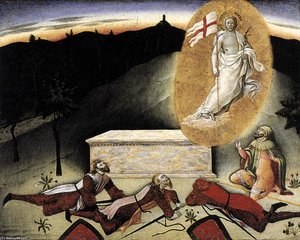
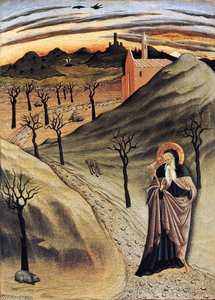
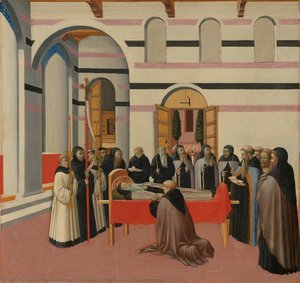
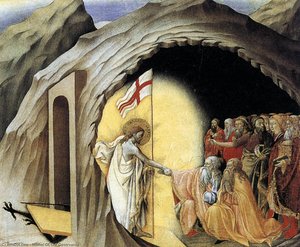
The eight panels of the Osservanza Triptych represent key episodes from Saint Anthony’s life, each imbued with a potent symbolic meaning. The cycle begins with “Anthony Leaving His Monastery,” depicting the saint's dramatic departure from his comfortable home and embrace of a solitary existence in the desert. This is followed by scenes such as "Saint Anthony Abbot Tempted by a Heap of Gold," where the saint resists the allure of worldly riches, and “Saint Anthony Abbot in the Wilderness,” illustrating his struggles against demonic temptations. The cycle culminates with “The Resurrection” and “Scenes from the Life of St. Anthony Abbot,” offering a glimpse into the saint’s final years and his eventual death.
What distinguishes these panels is their profound psychological realism. Sano doesn't simply depict religious events; he explores the inner turmoil of the characters involved, capturing their doubts, fears, and moments of spiritual struggle with remarkable sensitivity. The use of color—particularly the deep blues and purples—creates a sense of mystery and foreboding, while the stark contrasts between light and shadow heighten the drama of each scene. The artist’s innovative approach to perspective and spatial arrangement further enhances the immersive quality of the paintings, drawing the viewer into the heart of the narrative.
Legacy and Influence
Despite his anonymity for centuries, the Master of the Osservanza's work has exerted a significant influence on subsequent generations of Italian painters. His innovative use of color, dramatic composition, and psychological realism paved the way for the development of Renaissance art in Siena. The cycle’s emotional intensity and its exploration of complex human themes resonated with artists throughout Europe, inspiring countless imitations and reinterpretations.
Today, the Osservanza Triptych remains one of the most celebrated examples of Sienese late Gothic art. Its haunting beauty and profound psychological depth continue to captivate viewers, reminding us of the enduring power of religious imagery to explore the mysteries of faith, temptation, and the human condition. The recent identification of Sano di Pietro as the artist behind these masterpieces has finally brought recognition to a truly remarkable artistic visionary—a master whose work deserves to be celebrated for its originality, skill, and profound emotional resonance.
Quick Facts
- Artistic Movement Or Style: Late Gothic
- Artists Or Movements Influenced By This Artist: ['Sassetta']
- Artists Who Influenced This Artist: ['Stefano di Giovanni']
- Date Of Birth: c. 1430
- Full Name: Sano di Pietro
- Nationality: Italian
- Notable Artworks:
- Saint Anthony Abbot Tempted by a Heap of Gold
- Nativity of the Virgin
- Scenes from the Life of St. Anthony Abbot
- Place Of Birth: Asciano, Siena
Related Articles
Golden Glow: How to Use Metallic Gold Artworks to Elevate Your Home Decor with Timeless Luxury
Discover how to elevate your home with the timeless elegance of metallic gold artworks. From sculptural metal pieces to gilded oil paintings, learn expert interior design tips for integrating luxurious gold accents into your space with sophistication and grace.
The Allure of Gold in Art History: Symbolism, Technique & Cultural Significance
Explore the rich history of gold in art! Discover symbolism, techniques & cultural significance from ancient civilizations to Klimt's masterpieces. Expert insights for collectors at ArtsDot.
Beyond Borders: The Spiritual & Stylistic Innovations of International Gothic Art
Explore the exquisite beauty & spiritual depth of International Gothic art. Discover key artists like Simone Martini & Pol de Limbourg, its origins, symbolism, and lasting influence on European painting. Expert insights at ArtsDot.

Golden Masterpieces: 10 Paintings That Define Art History | ArtsDot
Explore 10 breathtaking paintings where gold leaf shines! From Klimt to Byzantine icons, discover art history’s most gilded masterpieces. Find museum-quality reproductions & elevate your home decor with ArtsDot. Explore the full collection online.

The Radiant Dusk of Medieval Vision: Exploring Late Gothic Art's Synthesis of Faith, Form & Emotionality (c. 1300-1500)
Explore the exquisite beauty & spiritual depth of Late Gothic art (c. 1300-1500). Discover key artists, symbolism, and its lasting influence on the Renaissance. Expert insights at ArtsDot.