 Preview
 Send
Send Share
Share
 Details

 Download
 Similars
 X-Ray
X-Ray Diaporama
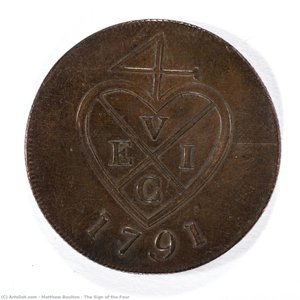
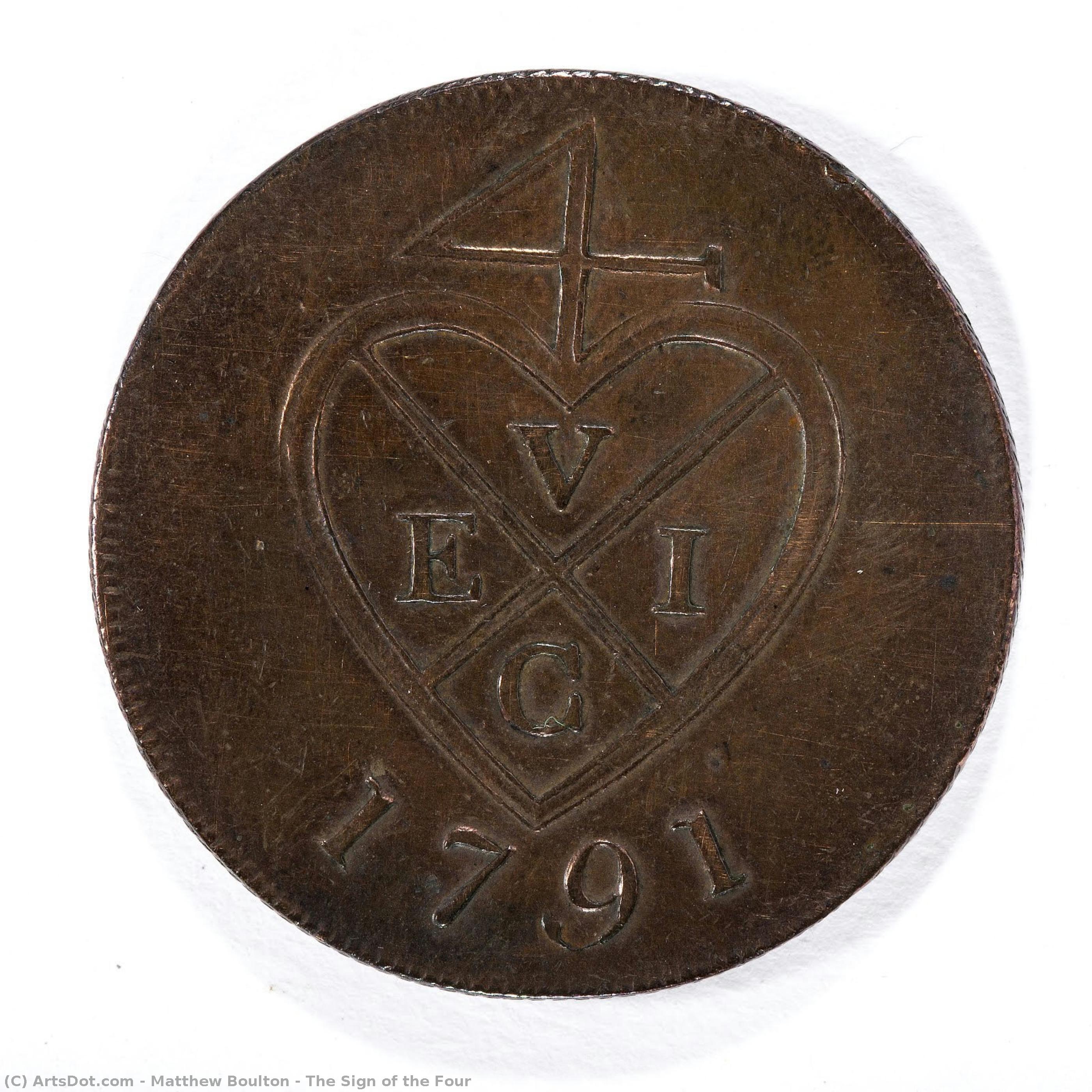
The Sign of the Four


 Read More
Hand Made Oil Reproduction
Hand-painted oil on canvas in your size and frame, made to order by our artists. ( Buy Print Buy Image)




P118B $10

P118H $10

P118W $10

P438Z $10

P508JH $12

P508YH $12

P805H $10

P805Z $10

P919BZ $10

P919G $10

P919XJ $10

P959ZH $10

P968JZ $12

W106C $8

W218G $10

W218JH $8

W218Y $10

W307PJ $10

W316G $10

W316PJ $8

W316Y $10

W398PJ $8

W4111J $10

W500HY $15

W500JH $15

W692G $12

W849H $8

W940BG $15

W953PJ $8




Pick from our preset sizes that match the artwork's original proportions.

You may enter your own dimensions to fit a specific frame or space. If your selected size does not match the original image's proportions, we will either crop the artwork or extend the painting with additional hand-painted elements. A digital mockup will be sent for your approval before production begins.
Please note that the on-screen preview does not reflect the actual cropping or extension. Only the mockup will accurately show the final composition.
While custom sizes are available, we recommend selecting a dimension from the predefined list to preserve the original proportions.
After order, ArtsDot.com team will email client for instructions and provide a mockup preview
Worldwide Delivery () in 3/4 weeks instead of standard 5 weeks. (21 August). No compromise on quality.

Free Worldwide Express Shipping

High-Quality Linen Canvas

Full Shipping Insurance

Customs Tax Refund Guarantee

True Color Matching Guarantee

60-Day Return Policy (Defects Only)

100% Money-Back Guarantee

Bulk Discount Offer
 Glass option is only available in size under 110 CM

The Sign of the Four
Reproduction Medium
Reproduction Size
-


Total Price
$ 263
Artwork Description
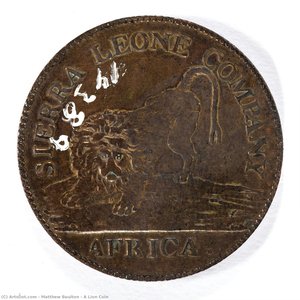
A Testament to Innovation: Matthew Boulton’s “The Sign of the Four” Coin
Matthew Boulton, a name synonymous with industrial artistry, stands as an extraordinary figure in British history—a man who seamlessly blended the precision of engineering with the elegance of neoclassical design. His creation, "The Sign of the Four," isn't merely a coin; it’s a tangible embodiment of his vision: a fusion of technological advancement and artistic contemplation that continues to fascinate collectors and inspire designers today. This remarkable piece exemplifies Boulton’s pioneering spirit and represents a pivotal moment in the intersection between art and industry during the late 18th century.The Genesis of an Artistic Revolution
Established in 1788 alongside James Watt, the Soho Mint wasn't simply about producing currency; it was about redefining what constituted artistic endeavor. Recognizing that traditional methods couldn’t keep pace with burgeoning demand, Boulton embraced innovation—specifically, harnessing the power of steam engines to drive machinery within the mint. This audacious decision wasn’t driven by mere practicality; it reflected a profound belief that machines could elevate artistry, unlocking new possibilities for form and expression. The Soho Mint became a beacon of progress, demonstrating how industrial prowess could enrich creative pursuits.A Symbolic Emblem: Decoding the Coin's Imagery
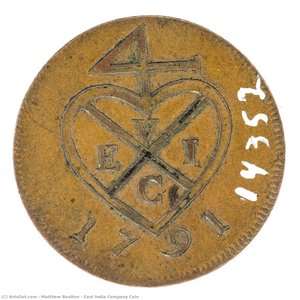
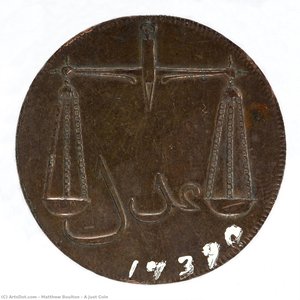
The coin itself is a meticulously crafted testament to Boulton’s artistic sensibilities. Its central heart shape—a universally recognized symbol of love and compassion—is encircled by four smaller hearts, reinforcing this core theme. Furthermore, two crosses adorn the coin, positioned strategically at the top left and bottom right corners – references to Christian faith and morality, reflecting the values prevalent during the Enlightenment era. These symbols aren’t accidental; they represent Boulton's deliberate intention to imbue his creation with deeper meaning beyond its monetary function.Neoclassical Technique: Precision Meets Beauty
The coin’s surface showcases a masterful application of neoclassical artistic techniques. Skilled artisans employed engraving—a method favored during the period—to achieve unparalleled detail and clarity. The engraver painstakingly etched the intricate designs onto metal plates, transferring them flawlessly onto the bronze coin itself. This meticulous process ensured that every element – from the delicate curves of the hearts to the sharp lines of the crosses – was rendered with exceptional accuracy, resulting in a stunning visual experience. The result is an exquisite blend of technical skill and aesthetic refinement—a hallmark of Boulton’s artistic legacy.Emotional Resonance: Beyond Decoration
“The Sign of the Four” transcends mere decoration; it speaks to fundamental human values. Its understated elegance conveys a sense of serenity and contemplation, inviting viewers to reflect on themes of affection, faith, and moral responsibility. As an interior design element, this coin reproduction offers more than just visual appeal—it introduces a connection to British industrial history and celebrates the transformative potential of combining innovation with artistic vision. It’s a reminder that beauty can emerge from unexpected collaborations and that art has always been shaped by the forces of technological progress.Related Artworks
Artist Biography
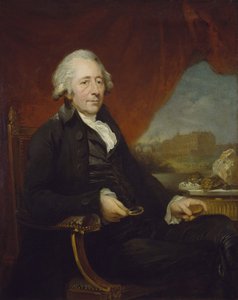
Matthew Boulton: A Pioneer of Industrial Art
Early Life and Background
- Born in Handsworth, West Midlands, England, Matthew Boulton (1728-1809) came from a family deeply involved in manufacturing.
- His father was a successful metalworker, and young Matthew received his early education at the Soho Manufactory, laying the foundation for his future endeavors.
- This upbringing instilled in him both a practical understanding of industrial processes and an appreciation for craftsmanship.
The Establishment of the Soho Mint
- In 1788, Boulton established the Soho Mint, a groundbreaking enterprise that revolutionized coin production.
- He partnered with James Watt, inventor of the improved steam engine, to power machinery used in minting coins and medals.
- This collaboration marked a pivotal moment in the integration of industrial technology into artistic creation.
Artistic Development & Numismatic Innovation
- Boulton wasn’t a traditional artist in the sense of painting or sculpting, but he possessed an exceptional eye for design and detail.
- His primary focus was on numismatics – the study and collection of coins and medals.
- He elevated medal-making from a craft to a fine art form through innovative designs and meticulous execution.
- The use of steam power allowed for greater precision, consistency, and artistic complexity in his work.
Notable Works & Commissions
- Seringapatam Medal (1801-2): Commissioned by the East India Company to commemorate the British victory over Tipu Sultan at Seringapatam. A highly detailed and historically significant medal.
- Battle of Trafalgar Medal (1805): Boulton personally funded the production of this medal, celebrating Admiral Nelson’s triumph. It exemplifies his patriotic spirit and artistic commitment.
- He also produced coins for the East India Company and various other institutions, showcasing a diverse range of designs.
- Other works include various commemorative medals and tokens reflecting significant events and individuals of his time.
Influences & Artistic Style
- Boulton drew inspiration from classical art, particularly the sculptural traditions of ancient Greece and Rome.
- He admired the precision and detail found in antique coins and medals, striving to emulate these qualities in his own work.
- The prevailing Neoclassical style of the late 18th century heavily influenced his designs, emphasizing order, balance, and clarity.
Historical Significance & Legacy
- Matthew Boulton’s innovations transformed coin production, setting new standards for quality and security.
- His integration of steam power into the artistic process was a landmark achievement in industrial history.
- The Soho Mint continued to operate after his death (sold in 1850), leaving a lasting legacy on British coinage and medal-making.
- Boulton’s work demonstrates the powerful synergy between art, industry, and technological advancement. He remains a significant figure in both artistic and industrial history.
matthew boulton
United Kingdom
Quick Facts
- Birth_Place: Handsworth, United Kingdom
- Movement: Neoclassical
- Name: Matthew Boulton
- Nationality: British
- Notable Works:
- Seringapatam Medal
- Battle of Trafalgar Medal
Related Articles

The Enduring Legacy of Bronze: A Historical & Artistic Exploration for the Collector
Explore the rich history & enduring appeal of bronze sculpture with expert insights for collectors at ArtsDot. Learn about casting techniques, iconic artists, collecting tips & contemporary interpretations.

Bronze Age to Modern Masters: 10 Sculptures That Redefined Art | ArtsDot
Journey through art history with 10 legendary bronze sculptures – from Michelangelo's David to Rodin’s Thinker. Explore the stories, techniques & timeless beauty of these masterpieces. Find museum-quality reproductions & elevate your home decor on ArtsDot.com.
The Enduring Legacy of Bronze: History, Technique & Artistic Expression for the Collector
Explore the rich history & enduring appeal of bronze sculpture with expert insights for collectors at ArtsDot. Learn about casting techniques, iconic artists, and collecting tips.

The Enduring Legacy of Bronze Sculpture: Technique, Symbolism & Cultural Impact
Explore the rich history & enduring appeal of bronze sculpture with expert insights for collectors. Learn about casting techniques, iconic artists, collecting tips & contemporary interpretations at ArtsDot.

The Enduring Legacy of Bronze Sculpture: A Collector's Guide to Form & Cultural Significance
Explore the rich history & enduring appeal of bronze sculpture with expert insights for collectors at ArtsDot. Learn about casting techniques, iconic artists, and collecting tips to build a discerning art collection.