 Preview
 Send
Send Share
Share
 Details

 Download
 Similars
 X-Ray
X-Ray Diaporama
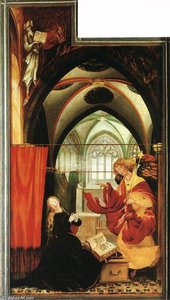
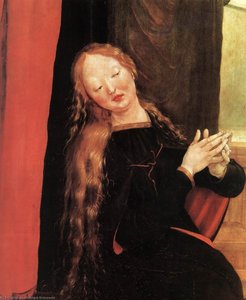
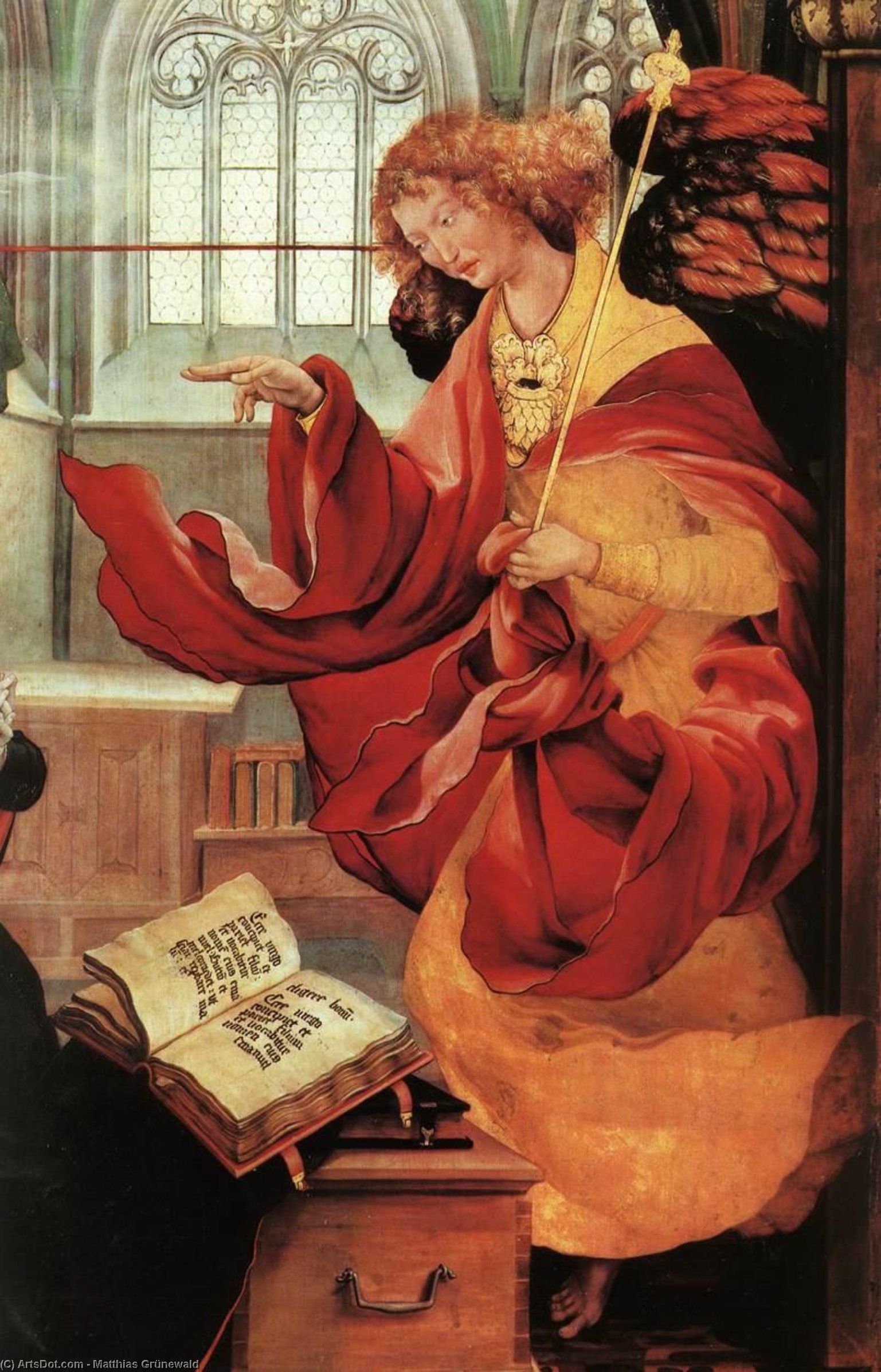
The Annunciation (detail)


 Read More
Giclée / Art Print
Museum-quality giclée or canvas print with fast production and flexible finish options. ( Buy Hand Made Painting Buy Image)




P118B $10

P118H $10

P118W $10

P438Z $10

P508JH $12

P508YH $12

P805H $10

P805Z $10

P919BZ $10

P919G $10

P919XJ $10

P959ZH $10

P968JZ $12

W106C $8

W218G $10

W218JH $8

W218Y $10

W307PJ $10

W316G $10

W316PJ $8

W316Y $10

W398PJ $8

W4111J $10

W500HY $15

W500JH $15

W692G $12

W849H $8

W940BG $15

W953PJ $8




Pick from our preset sizes that match the artwork's original proportions.

You may enter your own dimensions to fit a specific frame or space. If your selected size does not match the original image's proportions, we will either crop the artwork or extend the image with a mirrored or solid-fill edge. A digital mockup will be sent for your approval before production begins.
Please note that the on-screen preview does not reflect the actual cropping or extension. Only the mockup will accurately show the final composition.
While custom sizes are available, we recommend selecting a dimension from the predefined list to preserve the original proportions.
Worldwide Delivery () in 2 weeks instead of standard 4/5 weeks. (28 August)

Free Worldwide Express Shipping

High-Quality Linen Canvas

Full Shipping Insurance

Customs Tax Refund Guarantee

True Color Matching Guarantee

60-Day Return Policy (Defects Only)

100% Money-Back Guarantee

Bulk Discount Offer
 Glass option is only available in size under 110 CM

The Annunciation (detail)
Giclée / Art Print
Reproduction Size
-


Total Price
$ 63
The Annunciation: A Symphony of Faith and Color in Grünewald’s Isenheim Altarpiece
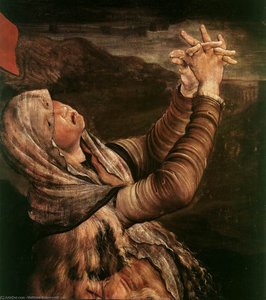
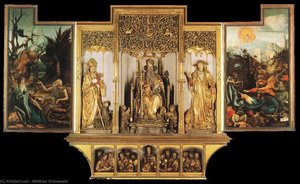
Matthias Grünewald's "The Annunciation," a breathtaking detail from the monumental Isenheim Altarpiece, stands as an emblem of Northern Renaissance artistic achievement. Completed around 1515 in Alsace, France, this painting transcends mere depiction; it embodies profound theological contemplation and masterful execution—a testament to Grünewald’s singular vision within a turbulent era. The altarpiece itself was commissioned by Saint Hildegard von Bingen for her Benedictine monastery at Isenheim, intended as solace and inspiration for patients suffering from tuberculosis – a poignant reminder of the artist's engagement with humanist ideals alongside religious devotion.Composition and Symbolism: A Dialogue Between Heaven and Earth
The scene captures Gabriel’s momentous proclamation to Mary concerning the divine conception of Jesus Christ. Grünewald skillfully employs chiaroscuro—the dramatic interplay of light and shadow—to sculpt the figures, creating a palpable sense of depth and volume that draws the viewer into the sacred space. The angel Gabriel dominates the left side panel, positioned centrally with outstretched wings radiating outwards, symbolizing divine grace and outreach. His gaze is directed towards Mary, conveying unwavering certainty in his message. Mary, bathed in radiant crimson robes—a deliberate choice reflecting her maternal role and foreshadowing Christ’s sacrifice—responds with humility and acceptance. The lily held by Gabriel serves as a potent symbol of purity and innocence, mirroring Mary's virginity and highlighting the sanctity of the event unfolding before them.Technique: Gothic Roots Embracing Renaissance Innovation
Grünewald’s artistic style represents a fascinating fusion of Gothic and Renaissance influences. While retaining the expressive fervor characteristic of late medieval art—evident in the textured brushstrokes and emotionally charged faces—he incorporates elements of Renaissance perspective and anatomical accuracy. The meticulous detailing of Mary's drapery, combined with the subtle modeling of Gabriel’s musculature, demonstrates Grünewald’s mastery of technique. Unlike many artists of his time who prioritized classical ideals, Grünewald remained steadfast in honoring the traditions of Central European art, prioritizing emotional impact over idealized beauty.Historical Context: Faith Amidst Plague and Suffering
The Isenheim Altarpiece emerged during a period marked by devastating outbreaks of tuberculosis—a scourge that afflicted Europe’s population with alarming frequency. Saint Hildegard's monastery sought to combat the psychological distress experienced by patients through art, aiming to instill hope and spiritual comfort. Grünewald’s depiction of the Annunciation wasn’t merely decorative; it served as a powerful visual reminder of God’s compassion and divine providence amidst suffering—a profound reflection of the anxieties and aspirations of his time.Legacy: An Enduring Masterpiece
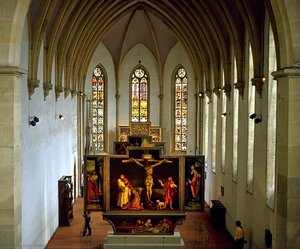
“The Annunciation” continues to captivate audiences today, securing its place among the most celebrated works of Northern Renaissance art. Its masterful composition, evocative symbolism, and innovative technique exemplify Grünewald’s artistic genius—a beacon of faith and beauty that transcends temporal boundaries. The Musée d'Unterlinden in Colmar houses the entirety of the Isenheim Altarpiece, allowing visitors to experience Grünewald’s vision in its full grandeur. For further exploration into Matthias Grünewald’s life and oeuvre, consult resources like /art/list/?Filter=Matthias-Grunewald. Detailed analysis can be found at https://en.wikipedia.org/wiki/Isenheim_Altarpiece.Related Artworks
Artist Biography
Matthias Grünewald: Life and Legacy
Early Life and Artistic Beginnings
Matthias Grünewald, born Mathis Gothart Neithardt around 1470-1475 in Würzburg, Germany, was a pivotal figure of the German Renaissance. Despite living during a period increasingly influenced by Italian Renaissance ideals, Grünewald remained deeply rooted in the artistic traditions of late medieval Central Europe. Details about his early life are scarce, but it’s known he received training as an artist, likely within local workshops.
Artistic Development and Influences
Grünewald's artistic development was shaped by the prevailing Northern European traditions of realism, emotional intensity, and detailed observation. His work shows influences from artists like Albrecht Dürer and Martin Schongauer, but he forged a unique path characterized by dramatic expression and vivid color. He wasn’t directly involved with the humanist circles prevalent in Italy; instead, his art served primarily religious purposes, reflecting the spiritual anxieties of his time.
Major Works and Artistic Style
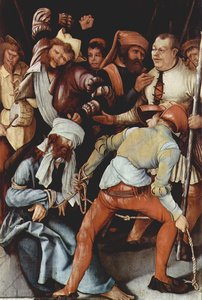
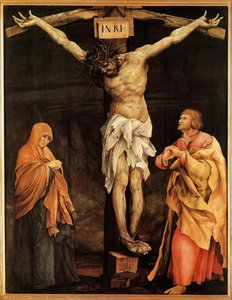
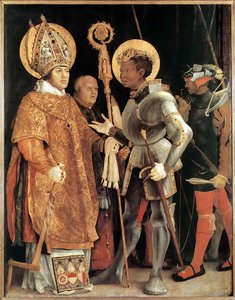
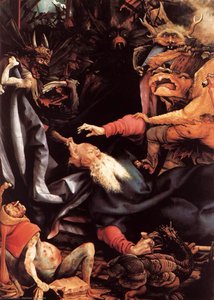
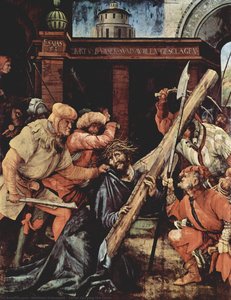
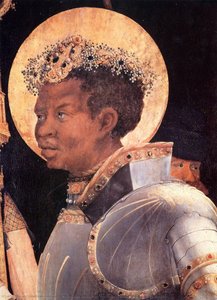
- The Isenheim Altarpiece (1512-1516): This masterpiece, housed at the Musée d'Unterlinden in Colmar, is considered Grünewald’s magnum opus. It depicts scenes from the life of Christ with harrowing realism, particularly focusing on suffering and redemption.
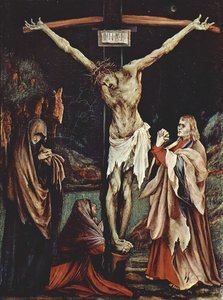
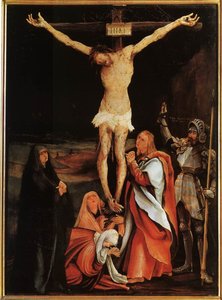
- The Crucifixion (c. 1502-1503): An early work demonstrating his developing style, showcasing intense emotion and anatomical detail.
- Virgin of the Annunciation (1512-14): A study for the Isenheim Altarpiece, revealing his meticulous planning process.
- Moses (1511): A drawing highlighting Grünewald’s skill in capturing expressive figures and dramatic poses.
Grünewald's style is distinguished by:
- Dramatic Composition: He employed dynamic arrangements to heighten emotional impact.
- Vivid Color Palette: His use of intense, often contrasting colors created a powerful visual experience.
- Realistic Depiction of Suffering: Grünewald didn’t shy away from portraying the physical and emotional pain associated with religious narratives.
- Expressive Figures: His figures are imbued with strong emotions and psychological depth.
Historical Significance and Legacy
Grünewald's work stands as a testament to the enduring power of medieval artistic traditions in Germany during the Renaissance. He bridged the gap between the late Gothic style and the emerging Renaissance, creating a unique visual language that resonated with his contemporaries. His influence can be seen in later German artists who continued to explore themes of religious fervor and emotional intensity. While largely forgotten for centuries after his death in 1528, Grünewald experienced a revival in the 19th century, and today he is recognized as one of the most important painters of the German Renaissance. His art continues to captivate viewers with its raw emotion, technical brilliance, and profound spiritual depth.
Further Exploration
Discover more about Matthias Grünewald’s life and works at: ArtsDot
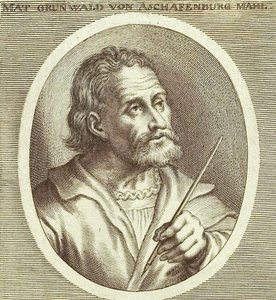
matthias grünewald
1480 - 1528 , Germany
Quick Facts
- Birth Date: c. 1470–1475
- Birth Place: Würzburg, Germany
- Death Date: 1528
- Movement: German Renaissance, Late Medieval
- Name: Matthias Grünewald
- Nationality: German
- Notable Works: Isenheim Altarpiece, The Crucifixion
Related Articles
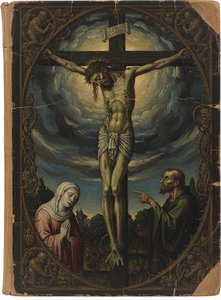
Matthias Grünewald: Devotion, Distortion & Spiritual Turmoil in Renaissance Art
Explore the profound religious art of Matthias Grünewald, master of the Isenheim Altarpiece. Discover his unique expressionism, symbolism & lasting impact on Renaissance painting. A guide for collectors and enthusiasts.

Late Medieval Masterpieces: 10 Artworks That Defined an Era | ArtsDot
Journey through 10 defining Late Medieval masterpieces – from Giotto's frescoes to Jan van Eyck’s realism. Explore the stories, techniques & vibrant colors of Gothic art. Find museum-quality reproductions and elevate your home decor with ArtsDot.com! Discover all masterpieces on ArtsDot.com
High Medieval Art: 10 Masterpieces That Shaped an Era | ArtsDot
Journey through High Medieval Art! Explore 10 iconic masterpieces – from Giotto's frescoes to stunning Gothic cathedrals. Discover the stories behind these timeless paintings, sculptures & illuminated manuscripts. Find museum-quality art reproductions at ArtsDot.com.
The Northern Renaissance: A Flourishing of Realism, Religious Reform & Artistic Innovation
Explore the Northern Renaissance! Discover Jan van Eyck's innovations, religious shifts, & key artists of this influential period. Expert analysis and insights into Early Netherlandish painting at ArtsDot.
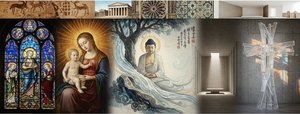
Illuminating Belief: A Visual Exploration of Faith Across Artistic Movements & Historical Contexts
Explore the rich history of faith through art! Discover Renaissance masterpieces, iconic artists & religious symbolism with expert analysis from ArtsDot. Perfect for collectors and enthusiasts.