 Preview
 Send
Send Share
Share
 Details

 Download
 Similars
 X-Ray
X-Ray Diaporama
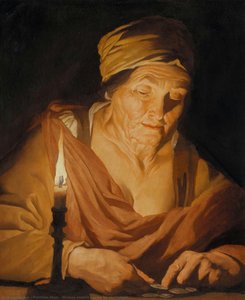
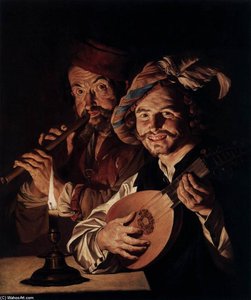
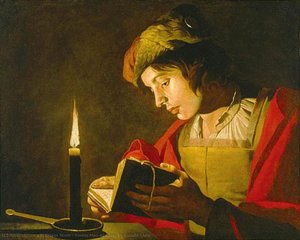
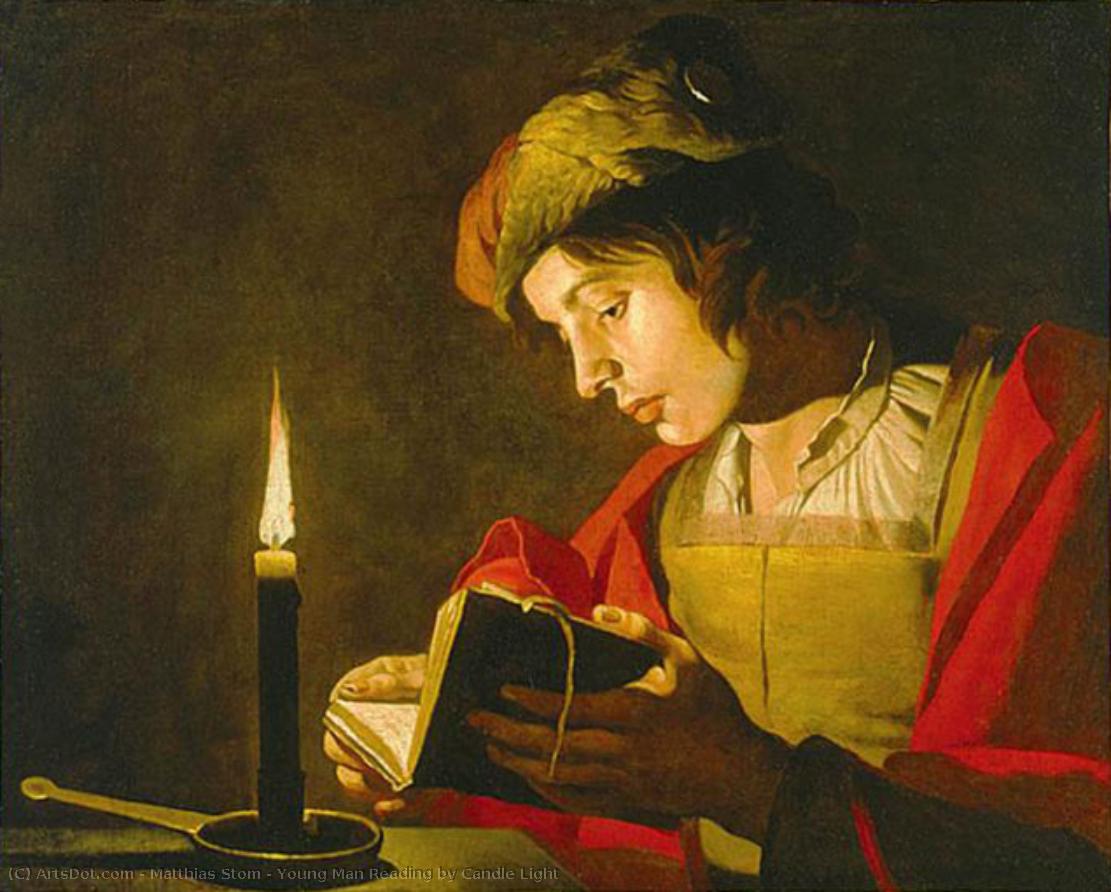
Young Man Reading by Candle Light
 Acrylic On Canvas
- WallArt
- Baroque Caravaggism
 59.0 x 74.0 cm
 Nationalmuseum
 Read More
Hand Made Oil Reproduction
Hand-painted oil on canvas in your size and frame, made to order by our artists. ( Buy Print Buy Image)




P118B $10

P118H $10

P118W $10

P438Z $10

P508JH $12

P508YH $12

P805H $10

P805Z $10

P919BZ $10

P919G $10

P919XJ $10

P959ZH $10

P968JZ $12

W106C $8

W218G $10

W218JH $8

W218Y $10

W307PJ $10

W316G $10

W316PJ $8

W316Y $10

W398PJ $8

W4111J $10

W500HY $15

W500JH $15

W692G $12

W849H $8

W940BG $15

W953PJ $8




Pick from our preset sizes that match the artwork's original proportions.

You may enter your own dimensions to fit a specific frame or space. If your selected size does not match the original image's proportions, we will either crop the artwork or extend the painting with additional hand-painted elements. A digital mockup will be sent for your approval before production begins.
Please note that the on-screen preview does not reflect the actual cropping or extension. Only the mockup will accurately show the final composition.
While custom sizes are available, we recommend selecting a dimension from the predefined list to preserve the original proportions.
After order, ArtsDot.com team will email client for instructions and provide a mockup preview
Worldwide Delivery () in 3/4 weeks instead of standard 5 weeks. (17 August). No compromise on quality.

Free Worldwide Express Shipping

High-Quality Linen Canvas

Full Shipping Insurance

Customs Tax Refund Guarantee

True Color Matching Guarantee

60-Day Return Policy (Defects Only)

100% Money-Back Guarantee

Bulk Discount Offer
 Glass option is only available in size under 110 CM

Young Man Reading by Candle Light
Reproduction Medium
Reproduction Size
-


Total Price
$ 263
Artwork Description
A Shadowy Masterpiece: Unveiling Matthias Stom’s “Young Man Reading by Candle Light”
Matthias Stom remains an intriguing figure in the history of 17th-century art, his life a captivating mystery woven with threads of Dutch origins and Italian influence. While definitive biographical details remain scarce – often referred to as ‘Stomer’ during his lifetime – his artistic output speaks volumes, revealing a profound engagement with Caravaggism and a masterful command of light and shadow. Born around 1600, likely in Amersfoort, Stom’s journey took him from the burgeoning art scene of Utrecht to the vibrant, competitive landscape of Rome, where he ultimately established himself as a respected painter, albeit one whose name has been somewhat obscured by time.
Stom's work is characterized by a distinctive tenebrist style, heavily influenced by the dramatic lighting techniques pioneered by Caravaggio and his followers. This approach isn’t merely about illumination; it’s a deliberate orchestration of darkness and light designed to heighten emotional impact and draw the viewer’s eye to key elements within the composition. Notice how the candle flames cast long, dancing shadows across the young man's face and robe, creating an atmosphere of intimacy and contemplation. The limited palette – dominated by rich reds, deep browns, and muted yellows – further contributes to this sense of drama and adds a layer of warmth to the scene.
The Portrait of Quiet Contemplation
"Young Man Reading by Candle Light" is not simply a portrait; it’s a carefully constructed tableau of intellectual pursuit. The subject, identified as a young man, is immersed in his book, his eyes closed in deep concentration. His posture – relaxed yet alert – suggests a profound engagement with the text before him. The details are meticulously rendered: the folds of his robe, the texture of the book’s pages, and even the subtle reflections of light on his face all contribute to an astonishingly realistic depiction. The artist skillfully uses chiaroscuro—the dramatic contrast between light and dark—to sculpt the figure's form and draw attention to his focused expression.
The setting itself is deceptively simple yet profoundly evocative. Two candles provide the primary source of illumination, casting a warm glow on the scene and creating a sense of intimacy. The placement of these candles – one near the top left corner and another closer to the center-left – subtly directs the viewer’s gaze and reinforces the painting's overall composition. The background is deliberately devoid of detail, allowing the subject to remain firmly in focus.
A Dutch Artist in Italian Circles
Stom’s career unfolded primarily within Italy, a period when Dutch artists were increasingly drawn to Rome and other major artistic centers seeking patronage and inspiration. He was part of a group known as the Utrecht Caravaggists – artists who embraced the dramatic style of Caravaggio while retaining their own distinct regional influences. While he didn't replicate the often-humorous or overtly theatrical scenes favored by some of his contemporaries, Stom’s work demonstrates a similar commitment to realism and an exceptional ability to capture human emotion through subtle gestures and expressions.
Interestingly, Stom’s origins remain somewhat uncertain. Some scholars suggest possible Flemish roots, while others believe he was born in the Netherlands and later migrated to Italy. Regardless of his precise birthplace, his artistic development clearly benefited from exposure to both Dutch and Italian traditions. His paintings reflect a synthesis of these influences, resulting in a unique and compelling style.
Symbolism and Emotional Resonance
Beyond its technical brilliance, “Young Man Reading by Candle Light” is rich in symbolic meaning. The act of reading itself represents intellectual curiosity, knowledge, and the pursuit of wisdom. The candle symbolizes enlightenment, guidance, and the illumination of the mind. The young man’s solitary contemplation suggests a moment of introspection and personal reflection – a quiet escape from the demands of the outside world.
Ultimately, Stom's painting invites us to contemplate the beauty of stillness, the power of knowledge, and the enduring appeal of human connection. It is a testament to his skill as an artist and a poignant reminder of the timeless themes that continue to resonate with viewers centuries later. Reproductions capture this essence beautifully, offering a window into a world of quiet contemplation and artistic mastery.
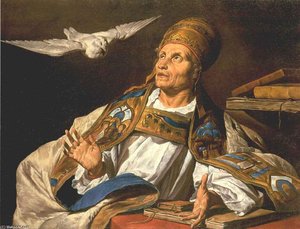
Artist Biography
A Shadowy Master of the Baroque: Unveiling Matthias Stom
The name Matthias Stom, or Stomer as he was sometimes known, resonates with a captivating mystery within the annals of 17th-century painting. A Dutch artist whose life remains shrouded in ambiguity, Stom carved a distinctive niche for himself not in his homeland, but amidst the vibrant artistic landscape of Italy. Born around 1600, likely in Amersfoort near Utrecht, he emerged as a compelling figure within the orbit of Caravaggism—a movement defined by its dramatic use of light and shadow, and an unflinching commitment to realism. While definitive biographical details are scarce, piecing together fragmented records and stylistic analysis reveals a journey marked by artistic exploration and a profound engagement with the prevailing Baroque sensibilities. The very uncertainty surrounding his origins – some scholars suggest possible Flemish roots – adds to the enigmatic allure that surrounds his oeuvre.From Utrecht Influences to Italian Immersion
Stom’s early training remains largely speculative, though it is widely believed he absorbed influences from prominent Utrecht Caravaggists like Gerard van Honthorst, Hendrick ter Brugghen, Paulus Moreelse and Abraham Bloemaert. These artists had embraced the revolutionary style of Michelangelo Merisi da Caravaggio, bringing its tenebrism—the stark contrast between light and dark—and emotionally charged realism to Dutch art. However, Stom’s artistic trajectory diverged from many of his contemporaries who favored genre scenes or allegorical compositions. He gravitated towards biblical narratives, imbuing them with a psychological depth and dramatic intensity that set him apart. Around 1630, he arrived in Rome, documented as living alongside the French painter Nicolas Provost. This marked a pivotal moment in his development, exposing him directly to the source of Caravaggio’s inspiration and allowing him to refine his technique within the heart of the Italian Baroque. His early Roman period culminated in the altarpiece of the Assumption of Mary with three saints, now housed in Chiuduno, showcasing his burgeoning mastery of chiaroscuro and narrative power.Naples, Sicily, and a Distinctive Artistic Voice
The subsequent chapters of Stom’s artistic life unfolded across the Italian peninsula. From approximately 1635 to 1640, he resided in Naples, a city teeming with artistic energy and under the strong influence of the Spanish painter Jusepe de Ribera. This exposure further honed his dramatic style, adding a heightened sense of realism and emotional intensity to his work. It was during this period that Stom began creating pieces for Capuchin churches, solidifying his reputation as a skilled religious painter. Around 1640, he moved to Sicily, where he would spend the most significant portion of his career. Here, he received commissions for churches in Caccamo, Messina, and Monreale, producing some of his most celebrated works. The Miracle of Saint Isidore the Labourer (1641) stands as his only securely dated painting, a testament to his ability to capture both the spiritual fervor and human drama of religious events. Other notable Sicilian creations include *Saint Dominic* in Monreale and, tragically lost during the 1908 Messina earthquake, *The Martyrdom of Saint Cecilia*. Stom’s distinctive “claylike” treatment of flesh tones, coupled with his masterful use of light and shadow, became hallmarks of his style.Rediscovery and Lasting Legacy
Despite his prolific output during his lifetime, Matthias Stom fell into relative obscurity for centuries after his death, which occurred sometime after 1652, likely in Northern Italy. Many of his works were misattributed to other artists, particularly Gerard van Honthorst, obscuring his individual contribution to the Baroque movement. It wasn’t until the early 20th century that dedicated scholarship began to unravel the mystery surrounding Stom, establishing him as a significant figure within the Utrecht Caravaggist school. His rediscovery revealed an artist of remarkable skill and sensitivity, capable of conveying profound emotional depth through his dramatic compositions. Stom's legacy lies in his ability to synthesize Italian Baroque influences with Northern European sensibilities, creating a unique artistic voice that continues to captivate viewers today. He demonstrated the powerful adaptability of Caravaggio’s style, proving its resonance beyond Italy and inspiring generations of artists with his masterful use of light, shadow, and realistic portrayal of religious subjects.Key Characteristics of Stom's Work
- Dramatic Chiaroscuro: A hallmark of his style, employing strong contrasts between light and dark to create a sense of drama and focus attention.
- Realistic Depiction: An unflinching commitment to portraying figures and scenes with anatomical accuracy and emotional honesty.
- Biblical Narratives: Primarily focused on religious subjects, particularly stories from the Bible, imbued with psychological depth.
- “Claylike” Flesh Tones: A distinctive technique characterized by a warm, earthy palette used to render skin tones.
- Influence of Caravaggio and Ribera: Demonstrates a clear understanding and adaptation of the styles of these Baroque masters.
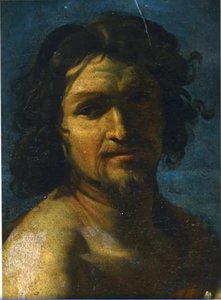
Matthias Stom
1590 - 1670 , Netherlands
Quick Facts
- Artistic Movement Or Style: Utrecht Caravaggism
- Artists Or Movements Influenced By This Artist: ['Later Baroque artists']
- Artists Who Influenced This Artist:
- Caravaggio
- Jusepe de Ribera
- Date Of Birth: c. 1600
- Date Of Death: after 1652
- Full Name: Matthias Stom
- Nationality: Dutch
- Notable Artworks:
- Assumption of Mary
- Miracle of Saint Isidore
- Saint Dominic
- The Judgement of Solomon
- Place Of Birth: Amersfoort, Netherlands
Related Articles
Georges de La Tour: Luminosity, Spirituality & Realism in Baroque Painting
Discover the captivating world of Georges de La Tour, a Baroque master renowned for his dramatic chiaroscuro & spiritual realism. Explore key works, influences, and his remarkable rediscovery. Learn more at ArtsDot.
Guercino: A Baroque Master Between Caravaggism & Classicism – Exploring Innovation & Emotional Depth
Explore the captivating world of Guercino, a Baroque master bridging Caravaggism & Classicism. Discover his dramatic chiaroscuro, emotional depth, and lasting influence on art history with ArtsDot.
Gerard van Honthorst: Illuminating the Dutch Golden Age with Caravaggism & Courtly Grace
Explore the captivating world of Gerard van Honthorst, a Dutch Golden Age master renowned for his dramatic chiaroscuro & courtly portraits. Discover his life, art, and lasting influence on Baroque painting.

Baroque Masterpieces: 10 Paintings That Defined an Era |
Journey through the drama & grandeur of Baroque art! Explore 10 masterpieces by Caravaggio, Rembrandt, Rubens & more. Discover stunning oil paintings, rich colors & timeless stories. Find museum-quality reproductions at .
Oil on Canvas Masters: 10 Paintings That Redefined Art History |
Journey through art history with our guide to 10 legendary oil on canvas masterpieces! Explore iconic works by Van Gogh, Monet & Rembrandt. Find museum-quality reproductions and elevate your home decor at . Discover all masterpieces online.