

 Preview
 Send
Send Share
Share
 Details

 Download
 Similars
 X-Ray
X-Ray Diaporama
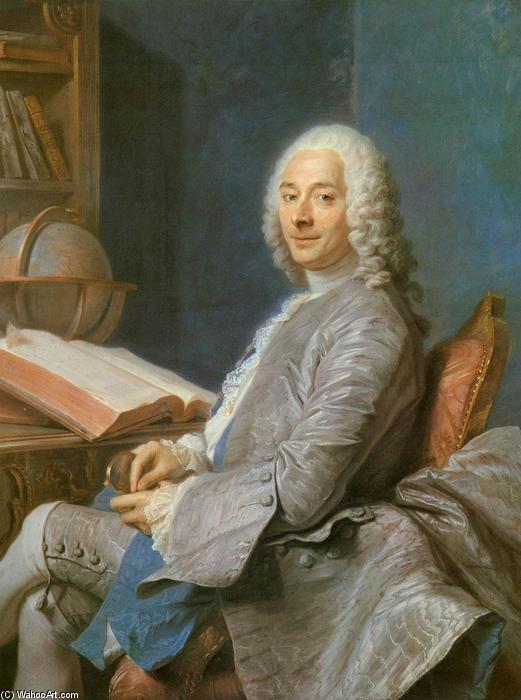
Monsieur Duval de l'Epinoy
 Acrylic On Canvas
- WallArt
- Rococo Art Movement
 120.0 x 93.0 cm
 Calouste Gulbenkian Foundation
 Read More
Purchase a high-resolution, enhanced digital image, far superior to the online preview.
Each file is meticulously prepared by our in-house specialists using advanced tools and expert manual retouching. We ensure every image has exceptional clarity, precise color accuracy, and fine detail.
The final file is delivered via email within 72 hours, optimized for immediate use in professional, editorial, and print environments. This is the same quality trusted by top-tier design studios, publishers, and galleries.
Digital Image
Download a high-resolution file for personal display, printing, and creative projects. ( Buy Print Buy Hand Made Painting)
Included in Every Digital Image Order
Expert Digital Delivery, Guaranteed
When you choose ArtsDot.com, you're not just getting an image - you're receiving a professionally enhanced digital artwork, crafted with precision and backed by a satisfaction guarantee. Here's everything that comes with your order, automatically:

Fast Email Delivery
Your high-resolution digital image file will be emailed to you within 72 hours of ordering - ready for immediate use.

AI-Enhanced Digital File
Your artwork is professionally optimized using advanced AI tools and manual editing, ensuring maximum detail, clarity, and color accuracy.

Free Lifetime Re-Delivery
Accidentally deleted or lost your file? No worries - we'll resend it to you anytime, free of charge.

No Import Fees - Ever
Enjoy your artwork instantly with zero customs, duties, or delivery fees - digital downloads are always tax-free.

Color Accuracy Guarantee
We ensure your digital image reflects the original colors as closely as possible using professional tools and color management.

60-Day Satisfaction Guarantee
If you're not satisfied with your digital image, we'll revise it or refund 100% within 60 days - no questions asked.

100% Money-Back Guarantee
Not satisfied? Get a full refund within 60 days of receiving your digital file - no questions asked.

Bulk Order Discounts
Buy 3 images, save 10% - Buy 5, save 15% - Buy 10+, save 20%. Great for creative projects, galleries, and agencies.
Collectible Description
Monsieur Duval de l'Epinoy: A Pastel Portrait of Enlightenment Dignity
Maurice Quentin de La Tour’s “Portrait of Duval de l’Épinoy,” completed in 1745, stands as a quintessential exemplar of Rococo art—a movement that prioritized elegance, grace, and playful ornamentation above all else. More than just a likeness of Louis Duval de l’Épinoy, the Lord of Saint-Vrain and advisor to Louis XV, this pastel offers a glimpse into the intellectual and social milieu of the era, reflecting the values championed by Voltaire and embodying the aristocratic ideals prevalent during the reign of Louis XV.
The painting's stylistic hallmarks are immediately apparent: delicate pastel hues bathe the scene in soft luminescence, creating an atmosphere of serene contemplation. La Tour’s masterful use of chiaroscuro—the interplay between light and shadow—highlights the sitter’s facial features with remarkable precision, capturing subtle expressions that convey both dignity and repose. The pose itself is deliberately relaxed, suggesting a cultivated gentleman engaged in quiet reflection.
- Subject Matter: Louis Duval de l’Épinoy, Lord of Saint-Vrain
- Style: Rococo – Characterized by lightness, elegance, and ornamentation
- Technique: Pastel Painting – Employing powdered pigment mixed with binder to achieve luminous colors and soft textures.
- Historical Context: Painted during Louis XV’s reign (1724-1774), reflecting the aristocratic tastes of the time.
Beyond its aesthetic beauty, “Portrait of Duval de l’Épinoy” speaks to broader themes of intellectual curiosity and social status. The inclusion of a bookshelf filled with books symbolizes erudition and scholarly pursuits—a hallmark of the Enlightenment spirit. Above the shelf hangs a globe, subtly hinting at an interest in exploration and worldly knowledge, aligning with the burgeoning scientific advancements of the period.
La Tour’s meticulous attention to detail extends beyond mere representation; he strives to convey not only what is seen but also what is felt. The pastel medium itself lends itself beautifully to capturing nuanced emotions—the slight smile on Duval’s face suggesting contentment or amusement—creating an intimate connection between the portrait sitter and the viewer. This masterful execution ensures that “Portrait of Duval de l’Épinoy” remains a timeless masterpiece, captivating audiences with its delicate beauty and profound psychological insight.
Its enduring appeal lies in its ability to transport us back to a bygone era—a moment defined by refined sensibilities and intellectual fervor. Reproductions of this stunning pastel offer an opportunity to appreciate the artistry of Maurice Quentin de La Tour and immerse oneself in the captivating spirit of Rococo art.
Related Artworks
Artist Biography
Maurice Quentin de La Tour: A Life in Pastel
- Born: September 5, 1704, Saint-Quentin, France
- Died: February 17, 1788, Saint-Quentin, Picardy, Kingdom of France
- Known For: Rococo portraiture in pastel, capturing likenesses of Voltaire, Louis XV, and Madame de Pompadour.
Early Life and Artistic Development
- Maurice Quentin de La Tour was born into a musical family; his father, François de La Tour, was a musician for the Duc du Maine. Despite initial familial expectations, Maurice pursued painting.
- Around 1724, he moved to Paris, where he began his artistic career. Early training included studies with Jacques Spoede and a brief period in Rheims. A trip to England in 1725 further influenced his style.
- His early portraits, such as the one of Voltaire (1731), demonstrated an emerging talent for capturing character and likeness. This portrait was notably engraved by Langlois, bringing him wider recognition.
Artistic Style and Notable Works
- Pastel Mastery: De La Tour is celebrated for his exceptional skill in using pastels. He employed the medium to create portraits with a remarkable softness and delicacy, capturing subtle nuances of expression and texture.
- Rococo Influence: His work exemplifies the Rococo style, characterized by elegance, grace, and a focus on portraying fashionable society.
- Notable Works:
- Portrait of Voltaire (1731) - Established his reputation early in his career.
- Self-Portrait, Laughing (c. 1737) – Showcases his ability to portray personality and wit.
- Portrait of Madame de Pompadour – A significant commission demonstrating his skill in capturing the likeness of a prominent figure.
- Portraits of Louis XV - Several portraits of the French King, solidifying his position within the court.
- Salon Exhibitions: He regularly exhibited at the Paris Salon, showcasing a series of 150 portraits over three decades, which became a highlight for visitors.
Recognition and Later Life
- Royal Recognition: In 1737, he was recognized by the Royal Academy of Painting and Sculpture. He later became portraitist to the king in 1750.
- Philanthropy: As his wealth grew, de La Tour dedicated himself to philanthropic endeavors, founding a school for drawing in Saint-Quentin and supporting impoverished artists.
- Mental Health Challenges: Around 1773, he experienced a nervous breakdown, leading to periods of mental illness and eventual retirement to his hometown of Saint-Quentin.
Legacy and Historical Significance
- De La Tour’s portraits are highly valued for their psychological insight and technical brilliance. He elevated pastel portraiture to new heights, influencing subsequent generations of artists.
- His ability to capture the essence of his subjects—their personalities, intelligence, and social standing—made him one of the most sought-after portraitists of his time.
- Today, his works are held in prestigious museums worldwide, including the Musée du Louvre, providing valuable insights into 18th-century French society and artistic practices.
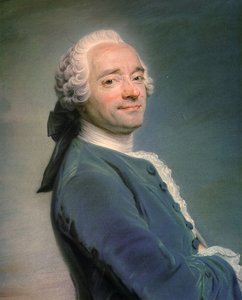
Maurice Quentin de La Tour
1704 - 1788 , France
Quick Facts
- Artistic Movement Or Style: Rococo
- Date Of Birth: September 5, 1704
- Date Of Death: February 17, 1788
- Full Name: Maurice Quentin de La Tour
- Nationality: French
- Notable Artworks:
- Portrait of Madame de Pompadour
- Louis XV
- Self-portrait, laughing
- Place Of Birth (City And Country): Saint-Quentin, France

