 Preview
 Send
Send Share
Share
 Details

 Download
 Similars
 X-Ray
X-Ray Diaporama
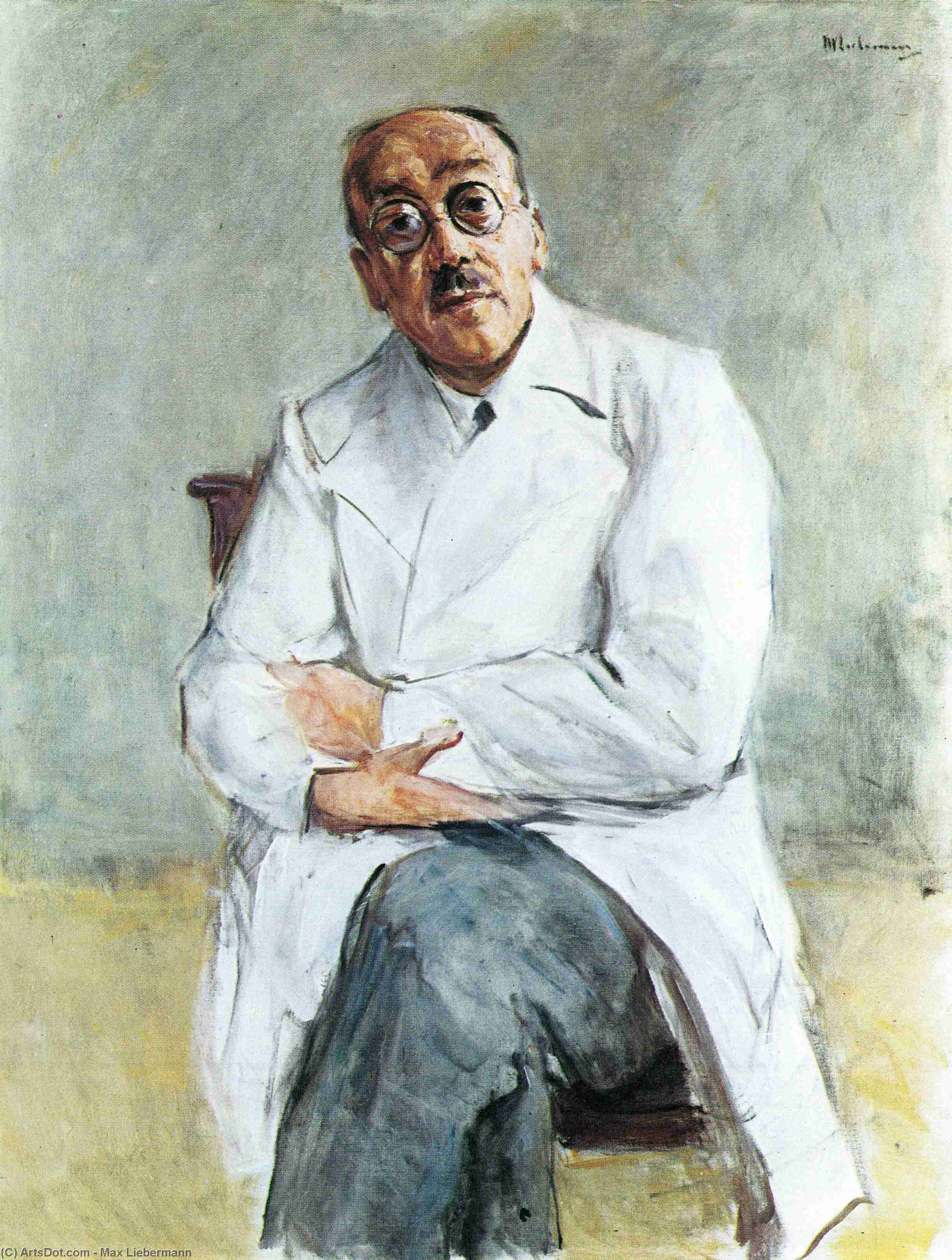
The Surgeon, Ferdinand Sauerbruch
 Oil
Oil- WallArt
- Impressionism
 1932
1932- Modern
 89.0 x 117.0 cm
 Read More
Hand Made Oil Reproduction
Hand-painted oil on canvas in your size and frame, made to order by our artists. ( Buy Print Buy Image)




P118B $10

P118H $10

P118W $10

P438Z $10

P508JH $12

P508YH $12

P805H $10

P805Z $10

P919BZ $10

P919G $10

P919XJ $10

P959ZH $10

P968JZ $12

W106C $8

W218G $10

W218JH $8

W218Y $10

W307PJ $10

W316G $10

W316PJ $8

W316Y $10

W398PJ $8

W4111J $10

W500HY $15

W500JH $15

W692G $12

W849H $8

W940BG $15

W953PJ $8




Pick from our preset sizes that match the artwork's original proportions.

You may enter your own dimensions to fit a specific frame or space. If your selected size does not match the original image's proportions, we will either crop the artwork or extend the painting with additional hand-painted elements. A digital mockup will be sent for your approval before production begins.
Please note that the on-screen preview does not reflect the actual cropping or extension. Only the mockup will accurately show the final composition.
While custom sizes are available, we recommend selecting a dimension from the predefined list to preserve the original proportions.
After order, ArtsDot.com team will email client for instructions and provide a mockup preview
Worldwide Delivery () in 3/4 weeks instead of standard 5 weeks. (16 August). No compromise on quality.

Free Worldwide Express Shipping

High-Quality Linen Canvas

Full Shipping Insurance

Customs Tax Refund Guarantee

True Color Matching Guarantee

60-Day Return Policy (Defects Only)

100% Money-Back Guarantee

Bulk Discount Offer
 Glass option is only available in size under 110 CM

The Surgeon, Ferdinand Sauerbruch
Reproduction Medium
Reproduction Size
-


Total Price
$ 263
Artwork Description
A Study in Focus: The Presence of Dr. Ferdinand Sauerbruch
In the quiet, contemplative depths of Max Liebermann’s 1932 masterpiece, The Surgeon, Ferdinand Sauerbruch, we are invited into a moment of profound psychological stillness. The painting presents a portrait of one of the most significant medical figures of the twentieth century, captured not in the heat of surgical action, but in a state of intense, inward reflection. Clad in the stark white coat that signifies his profession, Dr. Sauerbruch sits with hands clasped, his fingers spread in a gesture that suggests both tension and deep thought. The composition is anchored by the weight of his presence, as he gazes into the distance, seemingly lost in the mental preparations required for the life-altering decisions of his craft. This is not merely a likeness of a man; it is an exploration of the intellectual burden carried by those who hold human lives in their hands.
The atmosphere of the work is thick with a focused, almost heavy intensity. Liebermann utilizes a masterful arrangement of space, where the chair upon which the surgeon sits dominates much of the frame, creating a sense of enclosure that mirrors the doctor's own mental isolation during moments of contemplation. In the background, the subtle presence of other chairs—one to the right and another receding into the shadows on the left—adds a layer of spatial depth while emphasizing the solitude of the subject. The muted, somber palette evokes the gravity of the era, grounding the portrait in a reality that feels both timeless and historically anchored to the twilight of the Weimar Republic.
The Impressionist Touch: Technique and Light
As a leading figure of German Impressionism, Max Liebermann brings a sophisticated command of light and texture to this portrait. While the subject matter is somber, the technique is vibrant with life. The artist avoids rigid, clinical lines in favor of a more fluid, painterly approach that allows light to dance across the surfaces of the white coat and the skin of the doctor’s hands. This soft, atmospheric handling of paint prevents the portrait from feeling like a static photograph; instead, it breathes with a rhythmic vitality. The interplay between the bright highlights on the surgeon's forehead and the deep, receding shadows in the background creates a chiaroscuro effect that directs the viewer's eye straight to the subject's piercing gaze.
For the discerning collector or interior designer, this piece offers an unparalleled opportunity to introduce a sense of intellectual prestige and historical weight into a space. The painting’s ability to command attention through subtle tonal shifts makes it a versatile centerpiece for a sophisticated study, a formal library, or a contemporary gallery wall. A high-quality reproduction of this work preserves the delicate brushwork and the nuanced emotional temperature that Liebermann so expertly captured, allowing the profound dignity of Dr. Sauerbruch to resonate within a modern home.
A Legacy Captured in Paint
To look upon this portrait is to witness the intersection of scientific observation and artistic sensitivity. Liebermann, who had transitioned from the study of law and philosophy to the mastery of the canvas, imbues the work with an observant eye that transcends simple representation. He captures the very essence of experience—the weight of responsibility, the solitude of genius, and the quiet strength of a man defined by his dedication to science. This painting serves as a poignant reminder of a transformative period in history, making it much more than a portrait; it is a window into the soul of an era, rendered with the exquisite grace of a master who knew exactly how to translate human emotion into the language of light and color.
Related Artworks

Artist Biography
A Life Immersed in Light: The World of Max Liebermann
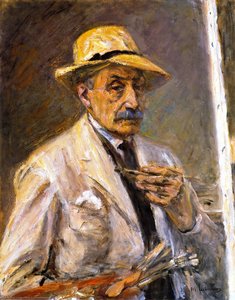
Born into a prosperous Jewish family in 1847 Berlin, Max Liebermann’s path to becoming one of Germany's foremost Impressionist painters wasn’t preordained. Initially steered towards the respectable professions of law and philosophy at the University of Berlin, his true calling resonated far more powerfully from the canvas than the courtroom. This early period of intellectual exploration, however, undoubtedly shaped his observant eye and thoughtful approach to depicting the world around him. It was a deliberate shift – studies in Weimar, Paris, and the Netherlands – that truly ignited his artistic passion, exposing him to diverse styles and laying the foundation for a career defined by capturing fleeting moments with an exquisite sensitivity to light and color. He wasn’t merely painting what he saw; he was translating the very essence of experience onto the canvas. Liebermann's early works often depicted scenes of everyday life, particularly those of the working class, rendered with a naturalism that challenged the prevailing romanticized aesthetic of the time. These paintings weren’t intended as social commentary, but rather as honest portrayals of human existence, imbued with dignity and respect.Embracing Impressionism in a German Context
Liebermann's artistic development was profoundly influenced by his exposure to French Realism and, crucially, the burgeoning Impressionist movement. The spirit of Édouard Manet – his boldness, his rejection of academic convention, his focus on contemporary life – resonated deeply with Liebermann. However, he didn’t simply replicate what he saw in Paris; instead, he adapted these principles to a German sensibility, creating an Impressionism uniquely his own. His palette became brighter, his brushstrokes looser and more spontaneous, and his subjects shifted towards scenes of bourgeois leisure and the tranquil beauty of his garden near Lake Wannsee. This garden, in particular, became a recurring motif throughout his career, offering a sanctuary from the rapidly changing world outside and providing endless inspiration for his explorations of light and atmosphere. He wasn’t just painting flowers and foliage; he was capturing the very feeling of summer, the warmth of the sun, the gentle breeze rustling through the leaves. Beyond landscapes, Liebermann established himself as a highly sought-after portraitist, completing over 200 commissioned works, including iconic depictions of figures like Albert Einstein and Paul von Hindenburg. These portraits weren’t merely likenesses; they were insightful studies of character, revealing the inner lives of his subjects through subtle gestures and expressions.A Champion of Artistic Freedom
Liebermann wasn't content to simply paint; he actively championed artistic innovation and independence. Recognizing the stifling constraints imposed by the traditional art establishment, he became a driving force behind the Berlin Secession in 1898, leading this avant-garde group for over a decade. The Secession challenged conventional norms, providing a platform for artists working outside the confines of academic tradition. This commitment to artistic freedom extended beyond his own work; Liebermann believed passionately that artists should be free to explore their vision without interference from political or ideological pressures. His election to the Prussian Academy of Arts in 1909 and subsequent presidency in 1920 were testaments to his growing influence within the German art world, but these positions also brought him face-to-face with the rising tide of anti-Semitism and nationalism that would ultimately threaten his life’s work.Shadows of a Changing World: Legacy and Resilience
The rise of Nazism cast a dark shadow over Liebermann's later years. His principled stance against discrimination led to his resignation from the Prussian Academy in 1933, a courageous act that signaled his refusal to compromise his values. Despite facing increasing persecution, he continued to paint, finding solace and purpose in his art. He passed away in Berlin in 1935, leaving behind a rich legacy of paintings, prints, and a profound commitment to artistic freedom. His wife, Martha, tragically took her own life in 1943 to avoid deportation, a heartbreaking testament to the horrors of the Holocaust. For years after the war, Liebermann’s work was somewhat overlooked, but in recent decades there has been a renewed appreciation for his contributions to German Impressionism and modern art history. Today, he is remembered not only as a brilliant painter but also as a courageous advocate for artistic expression and a symbol of resistance against tyranny. His paintings continue to captivate viewers with their luminous beauty, insightful observations, and enduring humanity.Key Achievements & Lasting Influence
- "The Twelve-Year-Old Jesus in the Temple": This early work sparked considerable debate due to its unconventional depiction of a Semitic-looking Jesus, challenging traditional religious iconography.
- Leadership of the Berlin Secession: His pivotal role in leading this avant-garde movement challenged artistic norms and paved the way for modern art in Germany.
- Presidency of the Prussian Academy of Arts: A significant recognition of his artistic merit, though ultimately compromised by the rise of Nazism.
- Masterful Portraiture: His ability to capture the essence of his subjects in over 200 commissioned portraits cemented his reputation as a leading portrait painter.
- Influence on German Impressionism: Liebermann successfully translated the principles of Impressionism into a uniquely German context, inspiring generations of artists.
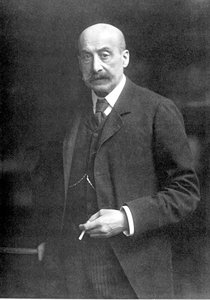
Max Liebermann
1847 - 1935 , Germany
Quick Facts
- Artistic Movement Or Style: Impressionism
- Artists Or Movements Influenced By This Artist: ['German Impressionism']
- Artists Who Influenced This Artist: ['Édouard Manet']
- Date Of Birth: July 20, 1847
- Date Of Death: February 8, 1935
- Full Name: Max Liebermann
- Nationality: German
- Notable Artworks:
- The 12-Year-Old Jesus...
- Dutch Farmhouse with Woman
- Portrait of Dr. Max Linde
- Place Of Birth: Berlin, Germany
Related Articles

Max Ernst's Masterpieces: 25 Surreal Visions for Art Lovers & Home Decor
Journey into the surreal world of Max Ernst! Explore 25 iconic paintings, from Dada to abstract expressionism. Discover the stories behind his masterpieces & find museum-quality art reproductions for your home decor at ArtsDot.com.
German Expressionism's 10 Defining Masterpieces | Art for Your Home
Explore 10 defining German Expressionism masterpieces – from Munch's 'The Scream' to Kandinsky’s abstracts. Discover the artists, stories & bold colors behind this powerful art movement. Find museum-quality reproductions at ArtsDot.com.

Impressionism's Masterpieces: 10 Paintings That Defined a Movement | ArtsDot
Journey through Impressionism's heart with 10 iconic paintings by Monet, Renoir & Degas. Explore light, color & the stories behind these masterpieces. Find museum-quality art reproductions and elevate your home decor on ArtsDot.com.

Cézanne's Masterpieces: 25 Iconic Artworks to Transform Your Space
Journey through 25 iconic artworks by Paul Cézanne – a master of Impressionism and Post-Impressionism. Explore his landscapes, still lifes, and the stories behind these timeless masterpieces. Discover museum-quality reproductions & curated decor at ArtsDot.com.

Fleeting Moments & Radiant Light: Exploring the Enduring Legacy of Impressionism
Explore the captivating world of Impressionism! Discover its history, key artists like Monet & Renoir, defining techniques, and lasting impact on modern art. Expert insights for collectors.